
Mitsubishi Outlander Fuel Type: Complete Gas and PHEV Guide

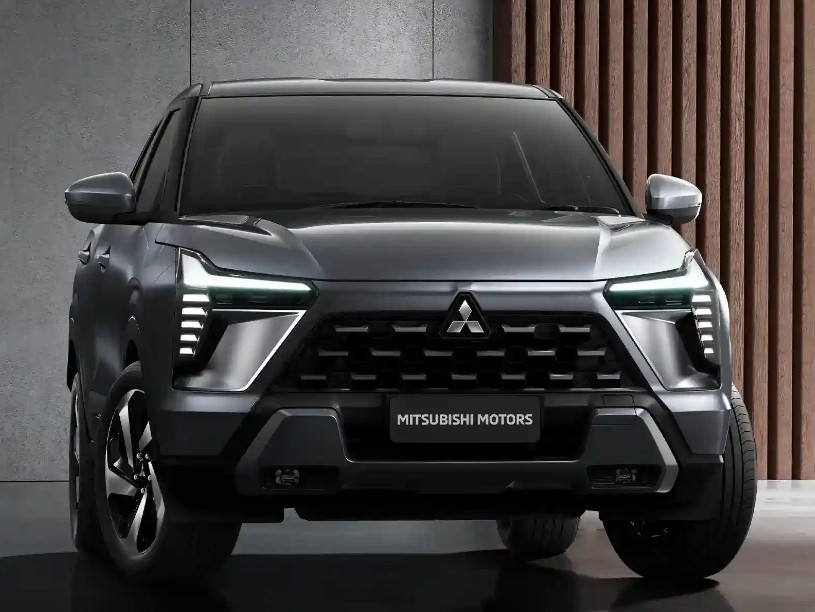
Choosing the correct Mitsubishi Outlander fuel type sounds simple enough: pull into a station, select a pump, and fill the tank. Yet once we begin comparing regular gasoline, premium fuel, ethanol blends, diesel versions, and plug-in hybrid models, the answer becomes slightly more complicated.
The good news is that most Mitsubishi Outlander owners do not need expensive fuel. Modern gasoline-powered Outlanders sold in North America generally run on regular unleaded gasoline, while Outlander PHEV models combine regular unleaded fuel with electricity. Mitsubishi’s current Canadian specifications, for example, list regular unleaded as the recommended fuel for both the conventional Outlander and Outlander PHEV.
However, specifications can differ by engine, model year, and country. Fuel labels also vary between markets. What Americans call 87-octane gasoline is commonly presented as 91 RON in Australia and other regions. They are not dramatically different fuels; they are simply measured using different rating systems.
So, what should we put in our Outlander? Let’s clear away the confusion and examine the correct fuel for every major version.
Content in this publication
- What Fuel Does a Mitsubishi Outlander Use?
- Understanding Octane Ratings
- Does the Mitsubishi Outlander Need Premium Gas?
- Mitsubishi Outlander PHEV Fuel Type
- Can the Mitsubishi Outlander Use E10 Gasoline?
- Can We Use Ethanol-Free Gasoline?
- Can a Mitsubishi Outlander Use 85-Octane Fuel?
- Mitsubishi Outlander Diesel Fuel Type
- Fuel Requirements by Outlander Generation
- How to Find the Correct Fuel for Your Outlander
- Does Fuel Brand Matter?
- What Happens When We Use the Wrong Octane?
- How Fuel Choice Affects Outlander Economy
- Common Mitsubishi Outlander Fuel Myths
- Final Mitsubishi Outlander Fuel Recommendation
- Frequently Asked Questions
What Fuel Does a Mitsubishi Outlander Use?
Most gasoline-powered Mitsubishi Outlanders use regular unleaded gasoline. In the United States and Canada, that generally means fuel with a minimum rating of 87 AKI octane. In countries that use the RON measurement system, the comparable requirement is usually 91 RON unleaded petrol.
Current Australian Outlander specifications describe the required fuel as unleaded petrol with a minimum recommended rating of 91 RON.
The Outlander PHEV also contains a gasoline engine, despite being capable of driving on electricity. It normally uses regular unleaded gasoline rather than premium fuel. The vehicle can operate using electrical energy, gasoline, or a combination of both depending on battery charge, speed, temperature, and power demand.
Older Outlanders generally follow the same pattern, although some markets also received diesel engines. Those versions must use diesel fuel and should never be filled with gasoline.
Mitsubishi Outlander Fuel Type at a Glance
| Outlander version | Normal fuel or energy source | Typical minimum rating |
|---|---|---|
| Gasoline Outlander | Regular unleaded gasoline | 87 AKI or 91 RON |
| Outlander PHEV | Regular unleaded plus electricity | 87 AKI or 91 RON |
| Older diesel Outlander | Automotive diesel | Follow local diesel standard |
| Outlander Sport/RVR | Regular unleaded gasoline | Usually 87 AKI or 91 RON |
| Turbocharged or regional special edition | Depends on engine | Check fuel-door label and manual |
This table provides a general guide, not a substitute for the instructions attached to a particular vehicle. The label inside the fuel door and the owner’s manual should always win the argument.
Understanding Octane Ratings
Octane measures a fuel’s resistance to uncontrolled combustion, often called knocking or detonation. It does not measure fuel cleanliness, energy content, or overall quality.
Think of octane as protective footwear for the engine. A highly stressed engine may need heavy-duty boots, while a regular naturally aspirated engine can comfortably walk around in ordinary shoes.
Using fuel with an octane rating below the required minimum can cause the air-fuel mixture to ignite at the wrong moment. Modern engine computers can often compensate by adjusting ignition timing, but repeated use of inadequate fuel may reduce performance and efficiency.
87 AKI and 91 RON Explained
Different countries display octane ratings differently:
- The United States and Canada generally use AKI, also known as the pump octane number.
- Australia, New Zealand, the United Kingdom, Europe, and many Asian markets generally use RON.
- Regular 87 AKI gasoline is broadly comparable to 91 or 92 RON petrol.
- Premium 91 AKI gasoline is closer to approximately 95 RON.
- Premium 93 AKI gasoline is roughly comparable to 98 RON.
Therefore, an Australian owner using 91 RON and an American owner using 87 AKI may be filling their vehicles with fuel of a similar effective grade.
Why the Numbers Look Different
RON tests fuel under relatively gentle operating conditions. MON, another rating system, tests it under greater heat and load. The North American AKI number averages RON and MON.
That is why 87 on an American pump is not inferior to 91 shown on an Australian pump. Comparing the numbers directly is like comparing miles and kilometres without converting them first.
In most cases, no. A standard Mitsubishi Outlander does not require premium gasoline unless the owner’s manual, fuel-door label, or local vehicle specification explicitly says otherwise.
Current conventional and plug-in hybrid Outlanders in Canada are officially listed as using regular unleaded fuel. Earlier North American models also commonly accepted regular gasoline. For instance, Mitsubishi stated that the 2008 Outlander’s 2.4-litre engine could operate on regular 87-octane fuel.
Premium gasoline normally has a higher octane rating, but higher octane does not automatically create extra power. An engine must be designed or calibrated to take advantage of it.
Probably not by enough for most drivers to notice.
When an engine is designed for regular fuel, filling it with premium is a little like buying an expensive umbrella for a cloudless afternoon. It works, but its additional capability is not being used.
Premium fuel may occasionally reduce light knocking under unusual conditions, such as:
- Extreme heat
- Heavy towing
- Sustained mountain driving
- Poor-quality regular fuel
- Heavy engine deposits
- A mechanical or sensor-related problem
Even then, premium fuel should not become a substitute for diagnosing an engine that knocks continuously.
Any improvement is usually too small or inconsistent to offset the higher price.
Let’s imagine regular gasoline costs $3.50 per gallon and premium costs $4.10. Premium is around 17% more expensive. For the switch to save money, fuel economy would also need to improve by approximately 17%. That is extremely unlikely in an Outlander designed for regular fuel.
A driver may observe a slightly different number on the trip computer after changing fuel grades, but weather, traffic, tire pressure, driving speed, road gradient, and trip length can easily create the same variation.
When Premium Fuel May Be Worth Considering
Premium could be reasonable when:
- The vehicle’s manual requires or explicitly recommends it.
- The local regular fuel has an octane rating below the stated minimum.
- The engine knocks while using the correct fuel from a trusted station.
- A modified engine has been tuned for higher octane.
- Mitsubishi issued market-specific instructions for that engine.
For an unmodified Outlander that runs correctly on regular gasoline, premium fuel is generally an optional expense rather than a necessity.
Mitsubishi Outlander PHEV Fuel Type
The Mitsubishi Outlander PHEV uses two energy sources:
- Electricity stored in its traction battery
- Regular unleaded gasoline stored in its fuel tank
Its 2.4-litre petrol engine can contribute directly to propulsion and can also support the electrical system, depending on operating conditions. Mitsubishi describes the Australian Outlander PHEV as using a 2.4-litre four-cylinder hybrid petrol engine alongside its electric-drive system.
Unlike a fully electric SUV, the PHEV does not become stranded simply because its usable battery charge becomes low. The gasoline engine can continue supporting the vehicle, provided there is fuel in the tank.
Can the Outlander PHEV Run Without Gas?
It may complete many short journeys using only electricity when the battery is sufficiently charged and conditions permit. However, we should not treat the gasoline tank as unnecessary.
The engine may start automatically for several reasons:
- The battery’s usable charge is low.
- The driver requests strong acceleration.
- The cabin needs substantial heating.
- Temperatures are particularly low.
- The system needs to maintain engine or fuel-system condition.
- Vehicle speed or load exceeds the efficient electric-only range.
- The vehicle is operating in a hybrid mode selected by the control system.
The exact behaviour varies by generation, climate, drive mode, and software calibration.
Does a PHEV Need to Be Plugged In?
Technically, the Outlander PHEV can continue travelling without being plugged in as long as gasoline is available. However, refusing to charge it removes much of the reason for buying a plug-in hybrid.
Charging regularly allows us to complete more local journeys electrically. Mitsubishi notes that PHEVs can operate in electric mode using energy stored in the battery, with the Outlander capable of covering many daily journeys without gasoline under suitable conditions.
A PHEV that is never charged becomes a heavy hybrid carrying a large battery without using its full potential.
The Best Fuel Strategy for a PHEV
A sensible routine looks like this:
- Charge at home whenever practical.
- Use electric driving for short urban trips.
- Keep enough gasoline for unexpected journeys.
- Avoid storing the vehicle indefinitely with an almost empty tank.
- Complete occasional longer trips that allow the engine to reach operating temperature.
- Follow Mitsubishi’s instructions concerning old fuel and extended electric-only use.
This balance keeps both sides of the powertrain active and useful.
Can the Mitsubishi Outlander Use E10 Gasoline?
Many gasoline Outlanders are compatible with E10, a blend containing up to 10% ethanol. E10 is now standard regular gasoline in numerous countries.
Still, compatibility depends on the specific model year and market. The owner’s manual may state a maximum permitted ethanol concentration or provide additional fuel-quality requirements.
Ethanol contains less energy per unit of volume than pure gasoline. As a result, E10 can produce slightly lower fuel economy than ethanol-free gasoline. The difference is typically modest and does not mean E10 is damaging when the vehicle is approved to use it.
Can an Outlander Use E15?
We should be more cautious with E15, which contains up to 15% ethanol.
Some newer vehicles sold in the United States may legally and mechanically support E15, but international Outlander specifications are not uniform. Unless the owner’s manual or fuel-filler label explicitly approves E15, sticking with E10 or a lower ethanol content is the safer decision.
Can an Outlander Use E85?
Generally, no. E85 is intended for flex-fuel vehicles equipped with suitable fuel-system components and engine calibration.
A regular Mitsubishi Outlander is not automatically a flex-fuel vehicle simply because it tolerates E10. E85 contains far more ethanol and can cause poor starting, warning lights, reduced performance, corrosion, or fuel-system damage in an incompatible vehicle.
How to Check Ethanol Compatibility
Look in three places:
- The label inside the fuel door
- The fuel requirements section of the owner’s manual
- Official Mitsubishi information for the vehicle’s country and model year
Do not rely solely on a generic fuel website or advice for another Mitsubishi model.
Can We Use Ethanol-Free Gasoline?
Yes, provided the fuel meets the vehicle’s minimum octane requirement.
Ethanol-free gasoline may provide slightly better fuel economy because it contains more energy per gallon or litre. It may also be useful when a PHEV is driven mostly on electricity and the gasoline remains in the tank for longer periods.
However, ethanol-free fuel can cost considerably more and may be difficult to find. Its financial value depends on the price difference and actual efficiency improvement.
We should also remember that “ethanol-free” does not automatically mean “premium quality.” Octane rating, detergent package, freshness, contamination control, and station maintenance still matter.
Can a Mitsubishi Outlander Use 85-Octane Fuel?
We should avoid 85-octane gasoline unless the owner’s manual specifically approves it.
In some high-altitude areas of the United States, stations sell 85 AKI gasoline because older naturally aspirated engines could tolerate lower octane where atmospheric pressure was reduced. Modern vehicles, however, use sophisticated engine controls and may still require 87 AKI regardless of elevation.
If the fuel-door label says 87 minimum, use 87 or higher.
Running 85 may cause:
- Spark knock
- Sluggish acceleration
- Reduced towing performance
- Ignition-timing retard
- Worse fuel economy
- A check-engine warning in severe cases
Saving a few cents per gallon is not worthwhile when the fuel falls below the manufacturer’s stated minimum.
Mitsubishi Outlander Diesel Fuel Type
Some earlier Outlanders sold in Europe, Australia, New Zealand, and other markets were available with diesel engines. These vehicles require automotive diesel, not unleaded petrol.
Depending on the region and production year, a diesel Outlander may also have specific requirements relating to:
- Ultra-low-sulfur diesel
- Biodiesel concentration
- Diesel particulate filter operation
- Cold-weather diesel grades
- Fuel additives
- Water contamination
- Cetane rating
Can a Diesel Outlander Use Biodiesel?
Only within the concentration approved by Mitsubishi for that engine.
Standard diesel in some countries already contains a small biodiesel percentage, such as B5 or B7. Higher blends may affect seals, injectors, fuel filters, oil condition, and emissions equipment if the engine was not designed for them.
The safest rule is beautifully boring: follow the manual.
What Happens If Gasoline Enters a Diesel Outlander?
Do not start the engine.
Gasoline reduces the lubricating properties of diesel fuel. Starting the engine can circulate the mixture through the high-pressure pump and injectors, potentially turning a draining-and-cleaning job into a painfully expensive repair.
We should:
- Leave the ignition off.
- Do not attempt to drive.
- Contact roadside assistance.
- Tell the technician approximately how much incorrect fuel was added.
- Have the tank and fuel system drained professionally.
What If Diesel Is Added to a Gasoline Outlander?
The same principle applies: do not start it.
Diesel does not vaporize correctly in a gasoline engine. If the vehicle is started, it may misfire, smoke, stall, contaminate spark plugs, or damage emissions components.
Fuel Requirements by Outlander Generation
Mitsubishi has used the Outlander name across several generations, engines, and markets. We should therefore avoid treating every Outlander as mechanically identical.
First-Generation Outlander
Early Outlanders were usually equipped with gasoline engines, although specifications differed by destination. Regular unleaded fuel was common, but turbocharged versions and certain regional engines could have different octane recommendations.
Owners of imported Japanese-market vehicles should be particularly careful. A vehicle originally calibrated for Japanese premium fuel may not share the requirements of a locally sold Outlander.
Second-Generation Outlander
The second generation offered a broad engine range, including four-cylinder gasoline engines, V6 gasoline engines, and diesel options in some countries.
Mitsubishi specifically reported that the North American 2008 model’s 2.4-litre gasoline engine used regular 87-octane fuel. Nevertheless, we should confirm the requirement for a particular V6, diesel, or imported version rather than assuming all engines use the same fuel.
Third-Generation Outlander
This generation expanded the model’s global reach and introduced the Outlander PHEV to many markets.
Typical fuel choices included:
- Regular unleaded for conventional gasoline models
- Unleaded petrol plus electricity for PHEV models
- Diesel for selected European and international variants
Because this generation remained in production for many years, requirements can vary between early and late vehicles.
Fourth-Generation Outlander
Modern fourth-generation Outlanders generally use a 2.5-litre gasoline engine, while the PHEV uses a 2.4-litre gasoline engine alongside electric motors.
Current Canadian specifications list regular unleaded for both versions. Australian documentation lists unleaded fuel with a minimum recommendation of 91 RON.
Why Market Differences Matter
Fuel quality, emissions regulations, engine software, climate, and available octane grades vary internationally. Two Outlanders that look almost identical may carry different instructions because they were built for different countries.
This is especially important with grey imports. The registration year alone may not identify the vehicle’s true specification.
How to Find the Correct Fuel for Your Outlander
When we are uncertain, the answer is usually sitting inside the vehicle.
Check the Fuel-Filler Door
Open the fuel door and look for a label containing terms such as:
- Unleaded fuel only
- Regular unleaded
- Minimum 87 octane
- Minimum 91 RON
- Diesel only
- Maximum E10
- Premium unleaded recommended
A fuel-door label applies more directly to the vehicle than a general online specification table.
Read the Owner’s Manual
The fuel section may explain:
- Minimum octane
- Recommended octane
- Ethanol limits
- Methanol restrictions
- Fuel-additive guidance
- Diesel requirements
- PHEV fuel-age precautions
Notice the distinction between required and recommended. “Required” establishes a minimum that should not be ignored. “Recommended” may indicate the grade that delivers intended performance, even though a lower grade might sometimes be permitted.
Use the Vehicle Identification Number
A Mitsubishi dealer can use the VIN to identify the original market, engine, and specification. This is helpful when:
- The manual is missing.
- The vehicle was imported.
- The engine has been replaced.
- Online databases show conflicting information.
- The fuel-door label is damaged or unreadable.
Do Not Identify Fuel Type by Appearance Alone
A gasoline and diesel Outlander can share the same body, trim, wheels, and interior. Even the fuel nozzle or cap colour may differ between countries.
Engine code, VIN information, official documentation, and fuel labels are more dependable than visual guesses.
Does Fuel Brand Matter?
Octane is not the only consideration. Fuel quality can influence injector cleanliness, combustion stability, emissions, and deposit formation.
We do not necessarily need the most expensive station in town, but we should prefer busy, reputable retailers whose underground tanks are replenished regularly and maintained properly.
A trustworthy regular gasoline is usually a better choice than questionable premium fuel from a poorly maintained station.
Are Fuel-System Cleaners Necessary?
Normally, no. Quality gasoline already contains detergent additives.
An occasional cleaner may be useful when approved by Mitsubishi or recommended by a qualified technician for a specific deposit-related problem. Randomly mixing several additives can create more uncertainty than benefit.
Never use an additive as an attempted cure for:
- A failing fuel pump
- Dirty or damaged injectors requiring professional service
- Ignition-coil failure
- A defective oxygen sensor
- Vacuum leaks
- Low compression
- Contaminated fuel
A bottle cannot repair broken hardware.
What Happens When We Use the Wrong Octane?
Using a higher octane than necessary is usually harmless, although it may waste money. Using fuel below the required minimum is more concerning.
The engine computer listens for knock and can delay ignition timing to protect the engine. This may produce:
- Reduced power
- Slower throttle response
- Higher fuel consumption
- Rough operation under load
- Increased exhaust temperature
- Audible pinging
One accidental tank of slightly lower octane may not cause permanent damage, especially if the engine runs normally. Drive gently, avoid towing or aggressive acceleration, and refill with the correct fuel as the level drops.
Persistent knocking requires professional attention.
How Fuel Choice Affects Outlander Economy
Correct fuel supports consistent performance, but fuel economy depends far more on driving conditions than on choosing premium over regular.
Major influences include:
- Short journeys
- Cold starts
- Roof racks
- Underinflated tires
- Aggressive acceleration
- Heavy cargo
- Towing
- High motorway speed
- Air-conditioning use
- Wheel alignment
- Traffic congestion
- Battery-charging habits in a PHEV
Mitsubishi’s Canadian comparison of the 2026 models assumes regular gasoline for both the conventional Outlander and the PHEV, illustrating that the PHEV’s savings come primarily from electrical operation—not premium fuel.
How to Spend Less on Fuel
Rather than buying unnecessary premium gasoline, we can:
- Maintain the recommended tire pressure.
- Remove unused cargo and roof accessories.
- Accelerate progressively.
- Combine short errands.
- Anticipate traffic instead of braking late.
- Keep the engine properly serviced.
- Use the correct oil viscosity.
- Charge a PHEV regularly.
- Avoid excessive idling.
- Compare fuel prices without travelling far out of the way.
These habits deliver more reliable savings than chasing a supposedly magical fuel grade.
Common Mitsubishi Outlander Fuel Myths
Fuel discussions attract myths like a porch light attracts moths. Let’s switch off a few of them.
Premium describes octane, not necessarily detergent strength. A reputable brand may use strong additives across all grades.
“Higher Octane Always Produces More Horsepower”
Only an engine capable of advancing ignition timing or increasing boost in response to higher octane may gain meaningful power. Most Outlanders designed for regular fuel will not suddenly feel transformed.
“The Outlander PHEV Is Fully Electric”
It is a plug-in hybrid. It can drive electrically, but it also contains a gasoline engine and fuel tank.
“All Outlanders Use the Same Fuel”
They do not. Gasoline, PHEV, diesel, imported, and market-specific models exist.
“91 Octane Means Premium Everywhere”
Not necessarily. In North America, 91 AKI is premium. In Australia, 91 RON is usually regular unleaded. The measurement system changes the meaning of the number.
Final Mitsubishi Outlander Fuel Recommendation
For most Mitsubishi Outlanders, the correct choice is refreshingly straightforward:
- Use regular unleaded gasoline in a conventional gasoline Outlander.
- Use regular unleaded gasoline and electricity in an Outlander PHEV.
- Use diesel only in a diesel-powered Outlander.
- Meet or exceed the minimum octane listed on the fuel-door label.
- Do not assume premium fuel will improve performance or economy.
- Check ethanol compatibility before using blends above E10.
- Follow the owner’s manual when vehicle-specific instructions differ.
In North America, regular unleaded generally means at least 87 AKI. In many RON-based markets, it means at least 91 RON. Those numbers look different, yet they represent broadly comparable fuel grades.
Ultimately, the correct fuel is not determined by internet folklore, the most expensive pump handle, or what a neighbour uses. It is written into the engineering instructions for the vehicle. Follow those instructions, buy fresh fuel from a reputable station, and let the Outlander do what it was designed to do.
Frequently Asked Questions
1. What is the recommended Mitsubishi Outlander fuel type?
Most gasoline-powered Mitsubishi Outlanders use regular unleaded gasoline. This normally means at least 87 AKI in the United States and Canada or approximately 91 RON in countries using the RON system. Always verify the requirement on the fuel-door label or in the owner’s manual.
Most Outlanders do not require premium gasoline. Premium can normally be used safely, but it may not improve power, fuel economy, or engine life when the vehicle is designed for regular fuel. Use premium only when the vehicle-specific documentation recommends or requires it.
3. What fuel does the Mitsubishi Outlander PHEV use?
The Outlander PHEV uses regular unleaded gasoline and electricity. Its battery can power the electric motors for many journeys, while the gasoline engine supports longer trips, stronger acceleration, heating, and other operating conditions.
4. Can a Mitsubishi Outlander use E10 fuel?
Many Outlanders can use E10 gasoline, but compatibility depends on model year and market. Check the owner’s manual before using ethanol blends. Avoid E15 or E85 unless Mitsubishi explicitly approves them for the exact vehicle.
5. Is 87 octane the same as 91 RON?
They are broadly comparable. North America commonly displays AKI octane, while Australia, Europe, the United Kingdom, and many other markets display RON. Therefore, 87 AKI regular gasoline is approximately equivalent to 91 or 92 RON unleaded petrol.
If you want to know other articles similar to Mitsubishi Outlander Fuel Type: Complete Gas and PHEV Guide you can visit the category Service and Parts.
Peugeot RCZ Engine Swap: Options, Costs, Compatibility, and What You Need to Know
Mitsubishi Pajero Sport Engine Size: Complete Engine Guide
Mitsubishi Pajero Sport Weight: Kerb Weight, GVM, Payload and What It Really Means
Mitsubishi Pajero Sport Service Reset: Complete Step-by-Step Guide
Mitsubishi Pajero Sport Boot Space: Complete Cargo and Luggage Guide
Mitsubishi Pajero Sport Towing Capacity: Complete Towing Guide
Leave a Reply
More content of your interest