
Mitsubishi Outlander Maintenance Cost: A Complete Ownership Guide

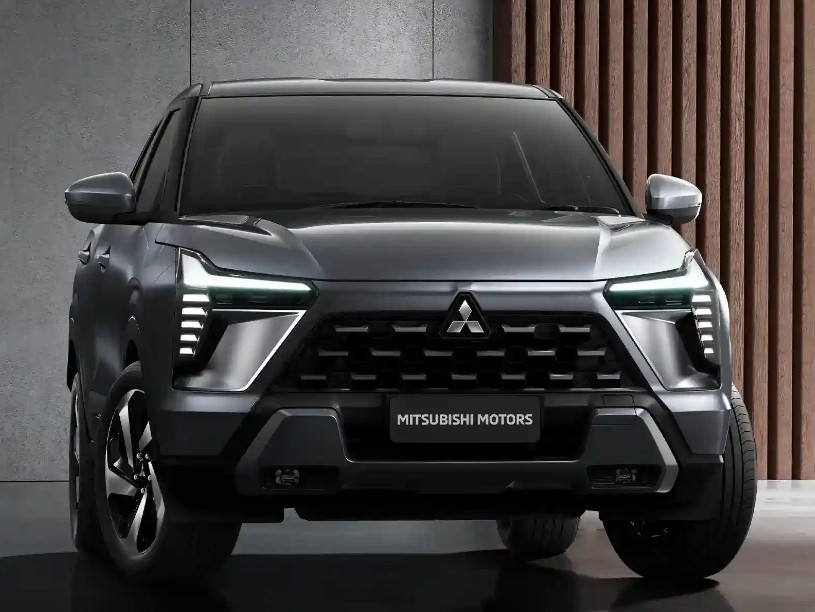
The Mitsubishi Outlander has built a reputation as a practical family SUV with flexible seating, available all-wheel drive, generous warranty coverage, and an approachable purchase price. Yet the price on the windshield only tells us how much it costs to enter the driveway. What happens after that?
Understanding the Mitsubishi Outlander maintenance cost helps us prepare for oil changes, tires, brakes, scheduled inspections, unexpected repairs, and the larger services that arrive as mileage climbs. Nobody wants a repair bill to appear like a thunderstorm during a picnic.
The encouraging news is that the Outlander is generally not considered an expensive compact SUV to maintain. RepairPal estimates average annual repair and maintenance spending at approximately $519, although actual expenses depend heavily on the vehicle’s age, mileage, engine, condition, location, and servicing shop. Its estimate is close to the compact-SUV average and below the broader all-vehicle average.
However, averages can be slippery. A nearly new Outlander under warranty may require little more than routine servicing, while an older model with neglected fluids, worn suspension parts, and tired tires can consume several thousand dollars in a single year.
Let’s break down what owners can realistically expect, where the money goes, and how we can keep an Outlander running without allowing maintenance costs to control the household budget.
Content in this publication
- How Much Does a Mitsubishi Outlander Cost to Maintain?
- Is the Mitsubishi Outlander Expensive to Maintain?
- Mitsubishi Outlander Maintenance Cost by Service
- Oil and Filter Change Cost
- Tire Rotation Cost
- Wheel Alignment Cost
- Engine Air Filter Replacement
- Cabin Air Filter Replacement
- Brake Pad Replacement Cost
- Brake Fluid Replacement
- Battery Replacement Cost
- Spark Plug Replacement Cost
- Coolant Replacement Cost
- Transmission Fluid Service Cost
- All-Wheel-Drive Fluid Service
- Mitsubishi Outlander Maintenance Schedule
- Gasoline Outlander vs Outlander PHEV Maintenance Cost
- Maintenance Costs by Vehicle Age
- Common Factors That Increase Maintenance Costs
- Common Repairs That May Affect Outlander Ownership Cost
- How to Lower Mitsubishi Outlander Maintenance Costs
- Dealer Service vs Independent Mechanic
- Should We Buy a Prepaid Maintenance Plan?
- How Much Should We Save Each Month?
- Is a Used Mitsubishi Outlander Cheap to Maintain?
- Final Thoughts on Mitsubishi Outlander Maintenance Cost
- Frequently Asked Questions
- 1. What is the average annual Mitsubishi Outlander maintenance cost?
- 2. Is the Mitsubishi Outlander expensive to repair?
- 3. How often does a Mitsubishi Outlander need servicing?
- 4. Is the Outlander PHEV cheaper to maintain than the gasoline model?
- 5. How can we reduce Mitsubishi Outlander maintenance expenses?
How Much Does a Mitsubishi Outlander Cost to Maintain?
For a typical gasoline-powered Mitsubishi Outlander, a reasonable maintenance budget is approximately:
- $400 to $750 per year for a newer, well-maintained vehicle
- $700 to $1,200 per year for an older model requiring additional wear-item replacement
- $1,500 or more in an expensive year involving tires, brakes, suspension work, or a major repair
These are broad planning figures rather than fixed quotes. Labor rates, taxes, parts availability, driving conditions, and dealership pricing can create large differences between two otherwise identical vehicles.
Kelley Blue Book estimates that a 2026 Mitsubishi Outlander may require approximately $3,669 in maintenance over five years, or about $733 annually. That estimate is higher than RepairPal’s long-term average because the two services use different assumptions, ownership periods, mileage patterns, and calculation methods.
The important lesson is not that one number is “correct” and the other is wrong. Instead, we should treat $500 to $750 per year as a practical starting budget for routine maintenance and minor repairs, then keep a separate emergency reserve for tires, brakes, batteries, or unexpected mechanical work.
Estimated Five-Year Maintenance Budget
A carefully maintained Outlander may accumulate the following expenses during five years of average driving:
| Maintenance category | Estimated five-year cost |
|---|---|
| Oil and filter changes | $400–$900 |
| Tire rotations and balancing | $150–$400 |
| Air and cabin filters | $200–$500 |
| Brake servicing | $500–$1,500 |
| Tires | $700–$1,500 |
| Battery replacement | $180–$400 |
| Fluid changes and inspections | $500–$1,400 |
| Miscellaneous repairs | $400–$1,200 |
| Estimated total | $3,030–$7,800 |
A vehicle that includes complimentary maintenance during its first years may fall toward the lower end. In the United States, Mitsubishi currently advertises two years or 30,000 miles of limited maintenance on eligible new vehicles. The program includes specific services and should not be mistaken for unlimited free servicing or full repair coverage.
Is the Mitsubishi Outlander Expensive to Maintain?
In general, no. The Mitsubishi Outlander is usually considered reasonably affordable to maintain for a three-row compact SUV.
It does not normally demand luxury-brand labor rates, specialized high-performance tires, or unusually expensive routine consumables. Its four-cylinder gasoline engine is relatively straightforward, and common service items are widely understood by independent repair shops.
Still, “affordable” does not mean “maintenance-free.” The Outlander is a fairly large and heavy vehicle compared with a small hatchback. It carries larger tires, bigger brakes, additional suspension components, an all-wheel-drive system on some versions, and, in PHEV models, a complex combination of gasoline and electric hardware.
We can think of ownership costs like carrying groceries up a staircase. One bag feels manageable. Oil, filters, tires, brakes, fluids, registration, insurance, and repairs together feel much heavier.
How the Outlander Compares With Other SUVs
RepairPal places the Outlander’s estimated $519 annual repair and maintenance cost almost level with its compact-SUV category average of approximately $521. That suggests it is neither exceptionally cheap nor worryingly expensive within its class.
What can make the Outlander appealing is the combination of:
- Competitive routine servicing expenses
- A long powertrain warranty for qualifying owners
- Relatively modest mechanical complexity in gasoline models
- Lower average repair spending than many larger or premium SUVs
- Available included maintenance on eligible newer vehicles
Of course, warranty terms depend on the country, model year, ownership status, and whether the vehicle was purchased new or used. We should always read the warranty booklet rather than relying on a dealership slogan.
Mitsubishi Outlander Maintenance Cost by Service
Routine maintenance usually arrives in small waves. Some visits involve little more than oil and an inspection. Others combine several services and produce a bill that feels much larger.
The following estimates are general United States price ranges. Dealer rates may be higher, while independent workshops may charge less.
Oil and Filter Change Cost
A conventional gasoline Outlander generally requires an oil and filter change at the interval specified in its owner’s manual or maintenance schedule.
Typical price:
- Independent shop: $60–$110
- Mitsubishi dealership: $90–$160
- DIY service: $35–$75
Synthetic oil generally costs more upfront but is commonly specified or recommended for modern engines. The correct viscosity and specification matter more than choosing the fanciest bottle on the shelf.
Official Canadian maintenance schedules for the 2026 Outlander list oil and filter replacement within recurring service packages, with certain packages scheduled according to months or kilometers, whichever comes first. The exact interval varies by market and maintenance package, so owners should follow the schedule supplied with their specific vehicle.
Why Regular Oil Changes Matter
Engine oil lubricates moving parts, carries heat away, reduces friction, and helps control deposits. Delaying replacement saves a little money today but can create far more expensive wear tomorrow.
A missed oil change is like ignoring a small leak in the roof. Nothing dramatic may happen immediately, but the damage continues quietly behind the scenes.
Tire Rotation Cost
A tire rotation generally costs:
- $25–$60 as a standalone service
- Sometimes free when bundled with an oil change
- Sometimes included by the tire retailer
Rotating tires promotes more even tread wear, particularly on all-wheel-drive versions. Uneven tires can affect noise, grip, braking, fuel consumption, and the operation of the drivetrain.
Some modern Outlanders use 20-inch wheels, and replacement tires in this size can be considerably more expensive than smaller alternatives. That difference may not appear during routine servicing, but it becomes very noticeable when all four tires need replacement.
Wheel Alignment Cost
A four-wheel alignment commonly costs:
- $100–$200
Drivers may need an alignment when the SUV pulls to one side, the steering wheel sits off-center, the tires wear unevenly, or the vehicle has hit a severe pothole.
Skipping alignment after noticing uneven wear can destroy an expensive tire set surprisingly quickly. Paying $140 for alignment may prevent us from replacing $1,000 worth of tires too early.
Engine Air Filter Replacement
Typical price:
- DIY: $20–$45
- Independent shop: $40–$80
- Dealership: $60–$120
The engine air filter prevents dust and debris from entering the intake system. Replacement is usually simple, making it one of the easiest ways to reduce labor costs.
A lightly used vehicle in a clean environment may not need frequent replacement. An Outlander driven on dusty roads may require attention much sooner.
Cabin Air Filter Replacement
Typical price:
- DIY: $15–$40
- Professional replacement: $50–$120
The cabin filter cleans air entering through the ventilation system. A clogged filter may reduce airflow, contribute to unpleasant odors, and make the climate-control fan work harder.
Dealership filter replacement can seem expensive because the part itself is often inexpensive. Owners comfortable following the manual may be able to complete this job in minutes.
Brake Pad Replacement Cost
Brake expenses depend on axle, pad quality, rotor condition, labor rates, and driving style.
Typical cost per axle:
- Brake pads only: $250–$450
- Pads and rotors: $450–$850
- Premium dealership repair: potentially higher
City traffic, mountain driving, towing, heavy loads, and aggressive braking can shorten brake life. Highway-driven vehicles may travel much farther before replacement.
Do Outlander PHEV Brakes Last Longer?
They often can. The Outlander PHEV uses regenerative braking to recover energy while slowing down. This reduces reliance on the conventional friction brakes during many driving situations.
However, reduced use creates another issue: brake components may develop surface corrosion, especially in wet or salty climates. Longer pad life does not eliminate the need for regular inspections.
Brake Fluid Replacement
A brake-fluid exchange generally costs:
- $100–$200
Brake fluid absorbs moisture over time. As contamination increases, braking performance can deteriorate under demanding conditions, and internal components may become more vulnerable to corrosion.
We should follow the time-based recommendation in the relevant service schedule instead of waiting for the brake pedal to feel unusual.
Battery Replacement Cost
For the gasoline model’s 12-volt battery, expect approximately:
- $180–$350 installed
- More for premium batteries or dealer installation
Climate, short trips, electrical accessories, and extended periods of inactivity can reduce battery life.
The PHEV also contains a conventional 12-volt battery in addition to its large traction battery. A weak 12-volt unit may cause strange warnings or prevent the vehicle’s systems from starting correctly, even when the high-voltage battery has charge.
Spark Plug Replacement Cost
A four-cylinder Outlander may cost approximately:
- $250–$500 for professional spark-plug replacement
Long-life plugs can last many miles, but replacement eventually becomes necessary. Labor is usually manageable on a four-cylinder engine, although exact access differs by generation and powertrain.
Worn plugs can contribute to rough running, poor fuel economy, difficult starting, or misfire codes. Ignoring a misfire can also damage the catalytic converter.
Coolant Replacement Cost
Typical price:
- $150–$300
Engine coolant controls temperature and protects internal surfaces from corrosion. Using the correct type is essential; mixing incompatible coolant formulations can cause problems.
A PHEV may have additional cooling circuits for hybrid-related equipment, making some coolant services more involved than those on the gasoline version.
Transmission Fluid Service Cost
For an Outlander with a continuously variable transmission, fluid service may cost:
- $200–$400 at an independent specialist
- $300–$550 at a dealership
The exact price depends on fluid capacity, filter requirements, labor, and whether the service is a drain-and-fill or a more extensive procedure.
Using the correct manufacturer-approved CVT fluid is critical. A bargain universal fluid may save a few dollars and create a very expensive experiment.
Why CVT Maintenance Deserves Attention
A continuously variable transmission works differently from a traditional stepped automatic. Its internal components depend on the fluid for lubrication, cooling, hydraulic control, and friction characteristics.
We should avoid treating CVT fluid as an immortal liquid. Heat, towing, traffic, mountains, and severe-duty driving may justify closer attention.
All-Wheel-Drive Fluid Service
S-AWC or all-wheel-drive versions may require servicing of components such as the transfer case or rear differential.
Possible combined cost:
- $150–$400
These services are not always needed at every visit, but ignoring them for many years can increase drivetrain wear.
Before approving a fluid service, ask the shop to identify:
- The component being serviced
- The required fluid specification
- The recommended interval
- The labor and material charges
- Whether the service appears in Mitsubishi’s official schedule
Mitsubishi Outlander Maintenance Schedule
There is no universal interval that applies to every Outlander in every country. Mitsubishi publishes different schedules based on model year, engine, market, distance, time, and operating conditions.
For example, Mitsubishi Motors Canada lists service packages for the 2026 Outlander according to months or kilometers, whichever occurs first. Package A includes an engine oil and filter replacement plus inspections, while Package B adds or alternates other scheduled work.
The following framework is useful for budgeting, but the owner’s manual remains the controlling source.
Every 5,000 to 8,000 Miles
Common tasks may include:
- Replace engine oil and filter
- Rotate tires
- Inspect brakes
- Check fluid levels
- Inspect steering and suspension
- Examine tires for wear or damage
- Check exterior lights and wipers
- Inspect visible leaks
Some schedules may allow different intervals depending on market specifications and driving conditions.
Around 15,000 to 30,000 Miles
In addition to basic servicing, the vehicle may need:
- Cabin air filter replacement
- Engine air filter inspection or replacement
- Brake-fluid inspection
- More detailed brake and suspension checks
- Drivetrain inspection on all-wheel-drive models
- Battery and charging-system test
Around 30,000 to 60,000 Miles
This is where ownership costs can begin to rise. Possible services include:
- Transmission-fluid inspection or replacement
- Brake-fluid replacement
- Engine coolant inspection
- Spark-plug evaluation
- Transfer-case or differential fluid service
- New tires
- Brake pads or rotors
Not every item will be due simultaneously, but several may overlap.
Around 60,000 to 100,000 Miles
Potential maintenance can include:
- Spark-plug replacement
- Coolant service
- CVT fluid service
- Drive-belt inspection or replacement
- Suspension repairs
- Wheel-bearing evaluation
- Battery replacement
- Additional brake work
At this stage, condition matters as much as mileage. A carefully maintained highway-driven vehicle may need less work than a younger Outlander used for short trips on rough urban roads.
Gasoline Outlander vs Outlander PHEV Maintenance Cost
Choosing between the conventional Outlander and the plug-in hybrid changes the maintenance picture.
Gasoline Outlander Costs
The regular gasoline model has:
- A conventional internal-combustion engine
- Engine oil and filter requirements
- A CVT
- Conventional cooling and exhaust systems
- Optional all-wheel-drive components
Its routine maintenance is familiar to most mechanics, which can make labor and parts sourcing relatively straightforward.
Outlander PHEV Costs
The Outlander PHEV adds:
- A high-voltage traction battery
- Electric motors
- Power electronics
- Charging hardware
- Additional cooling systems
- Hybrid control equipment
At first glance, that sounds like a mechanical orchestra with twice as many instruments. Yet the PHEV can reduce wear in some areas. Electric driving lowers engine operating hours, while regenerative braking may extend brake-pad life.
Mitsubishi’s published PHEV maintenance schedules still include periodic inspections and time- or distance-based work. Hybrid ownership does not eliminate routine maintenance; it changes which components accumulate wear and how frequently they operate.
Potential PHEV Savings
A PHEV may save money through:
- Reduced gasoline-engine use on short journeys
- Less frequent use of friction brakes
- No traditional starter-motor operation
- Reduced engine idling
- Possible included maintenance on eligible new vehicles
Potential PHEV Expenses
Possible higher costs include:
- Specialized diagnostic labor
- More complex cooling-system servicing
- Charging-system repairs outside warranty
- High-voltage component repairs
- Limited availability of trained independent technicians
- Higher dealer dependence in some regions
The traction battery is the elephant in the garage. It can be expensive outside warranty, but it should not be treated like an ordinary 12-volt battery that automatically requires replacement every few years. Battery degradation and failure are not the same thing.
Maintenance Costs by Vehicle Age
An Outlander’s age influences the budget almost as much as its mileage.
New Outlander: Zero to Three Years
Expected annual owner-paid maintenance:
- $0 to $600
The lower end assumes included maintenance and no owner-caused wear. Common expenses include tire care, filters, wiper blades, and services not included in a maintenance program.
New Mitsubishi vehicles sold under qualifying United States programs may include limited maintenance for two years or 30,000 miles. Mitsubishi describes this coverage as three oil and filter changes, three tire rotations, three multipoint inspections, and one cabin-filter replacement for certain eligible models or programs. Coverage details should be confirmed for the specific vehicle.
Middle-Aged Outlander: Four to Seven Years
Expected annual maintenance and repair budget:
- $600 to $1,200
This is when tires, brakes, batteries, fluids, and alignment work often enter the picture. The vehicle may still feel modern and dependable, but several consumable parts begin reaching the end of their first service life.
Older Outlander: Eight Years and Beyond
Expected annual budget:
- $800 to $1,800
- More during years involving major repairs
Likely expenses may include:
- Suspension bushings
- Struts or shock absorbers
- Wheel bearings
- Engine or transmission mounts
- Sensors
- Air-conditioning repairs
- Cooling-system parts
- Exhaust components
- Electrical switches or actuators
An older Outlander can remain economical if it was maintained consistently. A cheap neglected example can become the most expensive version to own.
Common Factors That Increase Maintenance Costs
Two owners can drive the same model year and spend completely different amounts. Why?
Frequent Short Trips
Short journeys may prevent the engine from reaching full operating temperature. Moisture and contaminants can accumulate, the battery receives less charging time, and the engine experiences proportionally more cold starts.
Heavy City Traffic
Stop-and-go driving increases brake use, heat, idling, and low-speed transmission workload.
Extreme Temperatures
Very hot or cold climates can accelerate battery wear, fluid degradation, rubber deterioration, and cooling-system stress.
Potholes and Poor Roads
Rough roads punish:
- Tires
- Wheels
- Wheel bearings
- Alignment
- Steering joints
- Suspension bushings
- Shock absorbers
One violent pothole can transform an ordinary commute into a four-figure wheel-and-tire repair.
Towing and Heavy Loads
Towing creates additional stress on the engine, transmission, brakes, cooling system, and rear suspension. Owners who tow should follow any severe-service guidance and remain within the vehicle’s rated capacity.
Dealer-Only Servicing
Dealership technicians know the brand and have access to factory systems, but dealer labor rates can be higher. Routine work may cost less at a qualified independent shop.
That does not mean choosing the cheapest mechanic. A technician unfamiliar with CVTs, hybrid safety procedures, or Mitsubishi fluid specifications may create costs rather than reduce them.
Common Repairs That May Affect Outlander Ownership Cost
Routine maintenance is predictable. Repairs are the wild cards.
Suspension Repairs
Possible costs:
- Sway-bar links: $150–$350
- Control arms: $400–$900
- Struts or shocks: $600–$1,500
- Wheel bearing: $350–$700 each
Actual prices vary considerably by generation and location.
Air-Conditioning Repairs
Possible costs:
- Refrigerant diagnosis or recharge: $150–$350
- Sensor or switch repair: $150–$500
- Compressor replacement: $900–$1,800
Modern climate-control diagnosis should begin with proper testing. Repeatedly adding refrigerant without finding a leak is like filling a bucket with a hole in the bottom.
CVT Repairs
Minor transmission servicing may cost a few hundred dollars. Internal CVT failure can cost several thousand dollars.
The best defense is not panic; it is documentation. Keep fluid-service records, use the correct fluid, investigate unusual noises promptly, and avoid exceeding towing or load limits.
Electronic and Infotainment Repairs
Newer Outlanders contain more screens, cameras, sensors, and driver-assistance systems than earlier generations. Software updates or recall repairs may sometimes resolve an issue without owner expense.
Recall work is generally performed free of charge when the vehicle qualifies. Owners should check the VIN through the official recall service in their country instead of assuming every warning or malfunction is routine wear.
How to Lower Mitsubishi Outlander Maintenance Costs
We cannot prevent every repair, but we can influence the total bill.
Follow the Correct Schedule
Use the maintenance schedule for the exact:
- Model year
- Engine
- Drivetrain
- Country
- Mileage
- Operating conditions
Online advice is useful, but it cannot replace the vehicle-specific manual.
Combine Routine Services
Scheduling an oil change, tire rotation, inspection, and filter replacement together may reduce repeated labor or shop fees.
Learn Simple DIY Tasks
Many owners can replace:
- Wiper blades
- Cabin air filters
- Engine air filters
- Certain bulbs
- Key-fob batteries
A screwdriver and ten careful minutes can sometimes save $60.
Request Itemized Estimates
Before approving work, ask for:
- Parts price
- Labor hours
- Labor rate
- Taxes and shop fees
- Urgency level
- Manufacturer recommendation
- Evidence of wear or contamination
A clear estimate turns a mysterious bill into a decision we can evaluate.
Use Quality Parts
The cheapest component is not always the least expensive choice. Poor-quality brake parts, batteries, filters, or suspension components may require early replacement.
We do not necessarily need the most expensive option. We need a reputable part that fits correctly and meets the required specification.
Inspect Tires Regularly
Correct pressure and timely rotation can extend tire life. Uneven wear should be investigated before installing a new set.
Address Warning Signs Early
Do not ignore:
- Fluid leaks
- Burning smells
- Grinding brakes
- Steering vibration
- CVT whining
- Engine misfires
- Overheating
- Repeated dashboard warnings
Small problems rarely improve through optimism.
Dealer Service vs Independent Mechanic
Both choices can make sense.
When a Mitsubishi Dealer Is Worth It
A dealership may be preferable for:
- Warranty repairs
- Recall work
- Software updates
- Hybrid-system diagnosis
- Complex electrical faults
- Factory technical-service information
- Difficult intermittent problems
When an Independent Shop Makes Sense
A reputable independent mechanic may be ideal for:
- Oil changes
- Brake service
- Tire work
- Filters
- Batteries
- Suspension repairs
- Routine fluid replacement
- Out-of-warranty maintenance
The best shop is not automatically the one with the lowest labor rate. Competence, transparency, and correct procedures matter more than a flashy coupon.
Should We Buy a Prepaid Maintenance Plan?
A prepaid plan can simplify budgeting, but it is not automatically a bargain.
Before purchasing, compare:
- The total plan price
- The exact services included
- The normal retail cost of those services
- Mileage and time limits
- Transferability
- Cancellation rules
- Participating locations
- Excluded wear items
A plan covering only oil changes and rotations may offer convenience without meaningful savings. A competitively priced package that includes expensive scheduled services can be more valuable.
How Much Should We Save Each Month?
For a newer gasoline Outlander, setting aside $50 to $70 per month creates an annual maintenance fund of $600 to $840.
For an older model, $80 to $125 per month may be more realistic.
PHEV owners may also use a similar reserve even if routine engine servicing occurs less frequently. The fund can cover tires, 12-volt batteries, brake servicing, deductibles, or non-warranty electrical work.
A repair fund works like an umbrella. Carrying it may seem unnecessary on a sunny day, but we are grateful when the weather turns.
Is a Used Mitsubishi Outlander Cheap to Maintain?
It can be, provided we buy the right example.
A well-documented Outlander with regular fluid changes, healthy tires, smooth transmission operation, and no warning lights may offer affordable ownership. A neglected vehicle purchased at a tempting price may immediately require brakes, tires, suspension repairs, battery replacement, fluid servicing, and diagnostic work.
Before buying, arrange a professional inspection and review:
- Maintenance records
- Accident history
- Tire condition and matching tread
- Brake wear
- Fluid leaks
- CVT behavior
- All-wheel-drive operation
- Climate-control performance
- Dashboard warning lights
- PHEV charging operation
- Recall completion
- Battery-health information when available
The inspection fee is small compared with the cost of discovering hidden problems after the purchase.
Final Thoughts on Mitsubishi Outlander Maintenance Cost
The Mitsubishi Outlander is generally a reasonably affordable SUV to maintain. Current estimates place average repair and maintenance spending near the compact-SUV norm, while newer models may benefit from included maintenance and strong warranty coverage.
Most owners should budget approximately $500 to $750 per year during ordinary ownership, although older vehicles and major service years can cost considerably more. Tires, brakes, fluid services, suspension wear, and unexpected repairs create the largest swings.
The gasoline Outlander offers relatively conventional mechanical maintenance, while the PHEV trades some engine and brake wear for greater electrical complexity. Neither version is automatically cheaper in every situation.
Ultimately, maintenance cost is not controlled only by the badge on the grille. Driving habits, road quality, service history, shop selection, and preventive care all influence the final number.
Treat the Outlander well, and it can behave like a dependable travel companion rather than a demanding houseguest. Skip maintenance, ignore warning signs, and even an affordable SUV can become a surprisingly expensive machine.
Frequently Asked Questions
1. What is the average annual Mitsubishi Outlander maintenance cost?
Average estimates generally fall between $500 and $750 per year for routine maintenance and typical repairs. RepairPal reports an average of about $519, while Kelley Blue Book estimates approximately $733 annually for maintenance on a 2026 Outlander over its first five years. Different methodologies explain the variation.
2. Is the Mitsubishi Outlander expensive to repair?
The Outlander is not generally considered unusually expensive to repair for a compact SUV. Routine parts and services are normally affordable, although CVT failure, air-conditioning work, collision-related sensor repairs, or PHEV electrical problems can be costly.
3. How often does a Mitsubishi Outlander need servicing?
Service intervals depend on model year, market, engine, driving conditions, time, and mileage. Many schedules call for recurring oil changes, inspections, and tire rotations within approximately 5,000 to 8,000 miles, but owners should follow the official manual for their exact vehicle.
4. Is the Outlander PHEV cheaper to maintain than the gasoline model?
It may be cheaper in certain areas because regenerative braking can reduce brake wear and electric driving can reduce engine use. However, the PHEV has more complex electrical, charging, and cooling systems. Its total maintenance cost depends on driving habits, warranty status, local labor rates, and repair availability.
5. How can we reduce Mitsubishi Outlander maintenance expenses?
Follow the official service schedule, maintain correct tire pressure, rotate tires, compare written estimates, use approved fluids, complete simple filter replacements at home, and address warning signs early. Preventive care usually costs less than repairing damage caused by neglect.
If you want to know other articles similar to Mitsubishi Outlander Maintenance Cost: A Complete Ownership Guide you can visit the category Maintenance.
Mitsubishi Pajero Sport Service Schedule: Complete Maintenance Guide
Toyota Hilux 80000 km Service Cost: Complete Pricing and Maintenance Guide
Is Subaru XV Expensive to Maintain? A Real-World Cost Guide
Subaru XV Maintenance Cost: A Complete Ownership Guide
Leapmotor C10 Service Schedule UK: Complete Maintenance Guide
Mazda CX-9 Maintenance Schedule: Complete Service Guide
Leave a Reply
More content of your interest