
Mitsubishi Outlander Longevity: How Long Can It Last?

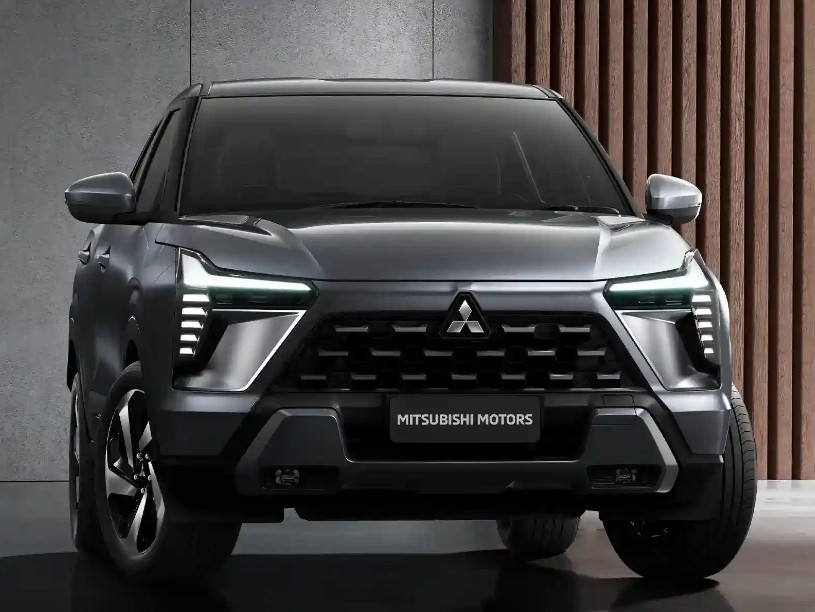
The Mitsubishi Outlander is often purchased for practical reasons. It offers family-friendly space, available all-wheel drive, reasonable running costs, and, depending on the model year, conventional gasoline or plug-in hybrid power. Yet one question matters more than touchscreen size or wheel design when we plan to keep an SUV for years: How long does a Mitsubishi Outlander last?
A realistic answer is that many Mitsubishi Outlanders can remain dependable for 150,000 to 200,000 miles, while carefully maintained examples may travel beyond 200,000 miles. However, reaching those numbers is never automatic. Maintenance history, climate, driving conditions, transmission care, accident damage, corrosion, and previous ownership all influence the final result.
Current iSeeCars data estimates the Outlander’s average lifespan at approximately 145,585 miles, or about 10.2 years, and gives it a 13.6% chance of reaching 200,000 miles. Those figures represent broad market averages rather than a mechanical expiration date. A neglected SUV may encounter expensive trouble much earlier, while a well-cared-for Outlander can continue running long after the average example has disappeared from the road.
Think of longevity like a road trip. Mitsubishi supplies the vehicle, but our maintenance habits determine whether we reach the destination.
Content in this publication
- How Many Miles Can a Mitsubishi Outlander Last?
- Is the Mitsubishi Outlander a Long-Lasting SUV?
- What Determines Mitsubishi Outlander Longevity?
- Mitsubishi Outlander Longevity by Powertrain
- Common Age-Related Repairs to Expect
- Warning Signs That an Outlander Is Aging Poorly
- How to Make a Mitsubishi Outlander Last Longer
- Is a High-Mileage Mitsubishi Outlander Worth Buying?
- When Does Repairing an Old Outlander Stop Making Sense?
- Mitsubishi Outlander Longevity Checklist
- Final Thoughts on Mitsubishi Outlander Life Expectancy
- Frequently Asked Questions
How Many Miles Can a Mitsubishi Outlander Last?
For most buyers, a reasonable Mitsubishi Outlander life expectancy looks like this:
- 100,000 miles: Easily achievable with routine servicing
- 150,000 miles: A realistic target for a properly maintained vehicle
- 200,000 miles: Possible with excellent maintenance and timely repairs
- 250,000 miles or more: Uncommon, but attainable under favorable conditions
A vehicle does not suddenly become unusable when its odometer reaches a particular number. Instead, wear accumulates across hundreds of components. Rubber seals harden, suspension bushings loosen, fluids deteriorate, electrical connections age, and corrosion slowly attacks exposed metal.
That means mileage tells only half the story. A 140,000-mile Outlander driven mostly on open highways may be healthier than a 75,000-mile example that has spent its life making short journeys, climbing steep streets, towing heavy trailers, or sitting outdoors in a salty coastal climate.
Average Lifespan Versus Maximum Lifespan
We should separate the terms average lifespan and maximum potential lifespan.
The average includes vehicles that were:
- Poorly maintained
- Damaged in collisions
- Retired because repair costs exceeded market value
- Exposed to rust or flooding
- Used under demanding commercial conditions
- Sold or scrapped for reasons unrelated to engine failure
Maximum lifespan asks a different question: how far could the vehicle travel if it received consistent care and avoided severe damage?
That is why an average of roughly 145,000 miles does not mean every Outlander is finished at 145,001 miles. It simply provides a statistical reference point. Mitsubishi dealerships and independent specialists commonly describe 200,000 miles as a realistic possibility when the vehicle receives proper maintenance, although individual results naturally vary.
How Many Years Can an Outlander Remain on the Road?
If we drive approximately 12,000 miles annually, the lifespan could translate into:
| Total Mileage | Approximate Ownership Period |
|---|---|
| 120,000 miles | 10 years |
| 150,000 miles | 12–13 years |
| 180,000 miles | 15 years |
| 200,000 miles | 16–17 years |
| 250,000 miles | 20–21 years |
Mileage is not the only aging factor. A lightly driven 15-year-old Outlander can still develop problems with battery terminals, coolant hoses, brake lines, weather seals, suspension rubber, air-conditioning components, and body corrosion.
Time ages a car even when the wheels are barely turning.
Is the Mitsubishi Outlander a Long-Lasting SUV?
The Outlander can be a long-lasting SUV, but we should describe it accurately rather than turn it into a legend.
It is not usually placed at the very top of studies ranking vehicles most likely to exceed 250,000 miles. Those lists tend to be dominated by selected Toyota, Lexus, Honda, and Acura models. A major iSeeCars longevity study examined hundreds of millions of vehicles and found that only a relatively small percentage of all vehicles reach extremely high mileage.
Still, the Outlander offers respectable durability for its price. Its strongest qualities include relatively straightforward gasoline powertrains in many generations, sensible family-SUV engineering, and a manufacturer warranty that signals confidence in core mechanical components.
In the United States, Mitsubishi currently advertises a 10-year/100,000-mile limited powertrain warranty for eligible original owners, alongside other coverage and maintenance benefits. Warranty conditions, transferability, exclusions, and coverage periods vary by market and ownership status, so buyers should always read the documents for their exact vehicle.
What the Warranty Does—and Does Not—Tell Us
A long warranty does not guarantee that every Outlander will reach 200,000 miles without repairs. It does, however, provide valuable protection during a substantial portion of the vehicle’s early life.
Remember:
- A warranty is not a replacement for maintenance.
- Wear items are not normally covered like defective components.
- Coverage may differ for subsequent owners.
- Missing service records can complicate claims.
- Modifications or improper use may affect eligibility.
- Warranty terms differ between countries and model years.
The warranty is a safety net, not a suit of armor.
What Determines Mitsubishi Outlander Longevity?
Two identical Outlanders can age very differently. One may feel composed and quiet at 160,000 miles, while the other rattles, burns oil, and struggles through traffic at 90,000 miles.
Why? Because longevity is shaped by a collection of small choices.
1. Maintenance Consistency
Maintenance is the single most controllable factor in vehicle life. Mitsubishi publishes maintenance schedules because fluids and components have finite service lives. Official guidance also notes that intervals can vary according to model year, engine, trim, time, mileage, and operating conditions.
The most important habit is not simply changing the oil once in a while. It is following the correct schedule for the exact model.
That includes:
- Engine oil and filter replacement
- Cooling-system inspections
- Brake-fluid service
- Transmission-fluid checks or replacement
- Engine and cabin air filters
- Spark-plug replacement
- Drive-belt inspection
- Tire rotation and alignment
- Suspension and steering checks
- Battery and charging-system testing
- PHEV-specific inspections where applicable
A complete service history is like a diary of the vehicle’s health. Missing pages create uncertainty.
2. Oil-Change Habits
Engine oil lubricates, cools, cleans, and protects internal components. As it ages, contamination and heat reduce its effectiveness. Stretching oil changes far beyond the recommended interval can encourage deposits, increase friction, and accelerate wear.
For longevity, we should:
- Use the specified oil viscosity and quality standard.
- Check the level between services.
- Investigate unexplained oil loss.
- Shorten intervals when operating under severe conditions.
- Avoid relying exclusively on mileage if the vehicle is driven infrequently.
Frequent short journeys can be surprisingly harsh. The engine may not remain warm long enough to evaporate moisture and fuel contamination from the oil. A car that travels only a few miles each morning is not necessarily living an easy life.
3. Transmission Care
Transmission problems can end an older vehicle’s practical life even when the engine still runs well. The repair may be technically possible but financially difficult to justify.
Many Outlanders use continuously variable transmissions, commonly called CVTs. A CVT can deliver smooth, efficient operation, but it depends on correct fluid condition, proper cooling, and suitable driving habits.
To protect it, we should:
- Use only the specified transmission fluid.
- Avoid unapproved universal fluids.
- Follow the relevant inspection and replacement schedule.
- Repair fluid leaks immediately.
- Allow the vehicle to stop before shifting between drive and reverse.
- Avoid excessive towing or loading.
- Investigate shuddering, hesitation, whining, or overheating warnings.
Ignoring early symptoms is like turning up the radio when a smoke alarm begins chirping. The sound may disappear from our attention, but the problem remains.
4. Driving Style
Aggressive acceleration, abrupt braking, high-speed cornering, and repeated hard launches place additional stress on the powertrain, brakes, tires, mounts, and suspension.
A smoother driver usually obtains longer component life because mechanical loads build progressively rather than arriving like hammer blows.
Good habits include:
- Accelerating gradually when the engine is cold
- Leaving adequate braking distance
- Avoiding potholes where safely possible
- Reducing speed on rough roads
- Keeping heavy cargo to a minimum
- Using the correct mode for snow, gravel, or steep terrain
- Allowing the vehicle to cool after demanding use
We do not have to drive painfully slowly. We simply need to avoid treating every journey like a qualifying lap.
You may be interested in reading Is Peugeot 206 a Good Car? An Honest Used-Car Guide
5. Climate and Corrosion
In snowy regions, road salt can shorten the life of brake lines, exhaust parts, suspension hardware, subframes, and body panels. Coastal air can produce similar trouble, while intense heat stresses batteries, tires, cooling systems, plastics, and air-conditioning components.
Preventive steps include:
- Washing the underbody during salt season
- Repairing chipped paint before rust spreads
- Keeping drain holes clear
- Inspecting the underside annually
- Protecting the interior from intense sunlight
- Testing the cooling system before summer
- Replacing weak 12-volt batteries proactively
Rust can turn an otherwise healthy Outlander into an economic write-off. Engines can be repaired; severe structural corrosion is much harder to forgive.
6. Repair Quality
Cheap parts and rushed repairs may solve today’s symptom while creating tomorrow’s breakdown.
Longevity improves when technicians:
- Diagnose the root cause instead of guessing
- Use parts of appropriate quality
- Follow correct torque specifications
- Refill systems with approved fluids
- Update software when required
- Document completed work
- Inspect related components during repair
A well-repaired vehicle can continue for years. A poorly repaired one becomes a chain of unfinished problems.
Mitsubishi Outlander Longevity by Powertrain
Not every Outlander uses the same mechanical recipe. Longevity expectations should reflect the powertrain fitted to the vehicle.
Gasoline Mitsubishi Outlander Longevity
A gasoline Outlander is generally the simplest version to evaluate. Its long-term condition depends heavily on engine maintenance, cooling-system health, transmission care, and oil consumption.
A properly maintained gasoline model can realistically travel 150,000 miles or more, and reaching 200,000 miles is possible. However, buyers should not assume that every engine and transmission combination has an identical history.
When inspecting a high-mileage example, watch for:
- Cold-start rattles
- Blue exhaust smoke
- Low oil level
- Coolant loss
- Uneven idle
- Delayed engagement
- CVT shudder or whining
- Warning lights
- Overheating history
- Incomplete service records
Four-Cylinder Versus V6 Longevity
Earlier generations were offered with different engines in various markets, including four-cylinder and V6 configurations.
A four-cylinder engine may be cheaper to fuel and service, while a V6 can feel more relaxed when carrying passengers or climbing hills. Neither layout automatically lasts longer. Condition matters more than cylinder count.
The better choice is usually the engine that:
- Has been serviced correctly
- Starts quietly from cold
- Maintains stable temperature
- Shows no serious fluid leaks
- Produces smooth, consistent power
- Has not been abused or poorly modified
A neglected “durable” engine remains a neglected engine.
Mitsubishi Outlander PHEV Longevity
The Outlander PHEV combines a gasoline engine, electric motors, power electronics, a high-voltage battery, regenerative braking, and charging equipment. That sounds complicated—and it is—but complexity does not automatically mean a short service life.
Electric motors have relatively few moving wear components, and regular electric driving can reduce gasoline-engine operating hours. Regenerative braking may also reduce wear on conventional friction brakes, although brake components can suffer corrosion when used too lightly.
The PHEV introduces different long-term concerns:
- High-voltage battery degradation
- Charging-port condition
- Cooling-system performance
- Power-electronics faults
- Software or control-system issues
- Limited electric range as the battery ages
- Higher repair complexity outside specialist networks
Official warranty manuals emphasize that correct maintenance is necessary for performance and investment protection. Exact battery and PHEV component coverage varies by country, state, registration date, and model year, so owners should consult the warranty booklet attached to their specific vehicle.
How Long Does the Outlander PHEV Battery Last?
There is no universal expiration mileage for a PHEV battery. Lithium-ion batteries normally lose usable capacity gradually rather than failing overnight.
Battery aging depends on:
- Calendar age
- Charging frequency
- Average state of charge
- Extreme temperatures
- Fast-charging frequency
- Storage habits
- Driving demands
- Battery-management strategy
- Cell balance and manufacturing variation
An older PHEV may remain fully drivable even after its electric-only range has declined. The gasoline engine and hybrid system can continue operating, although efficiency and ownership value may be affected.
When buying a used Outlander PHEV, we should request a battery-health assessment rather than judging the battery solely by the dashboard range estimate. Estimated range changes with temperature, driving style, heater use, terrain, and recent journeys.
Can an Outlander PHEV Reach 200,000 Miles?
Yes, it can, but high mileage requires attention to both sides of the powertrain. The gasoline engine still needs oil changes, filters, coolant, and periodic operation. The electric system needs correct charging behavior, cooling, diagnostics, and software support.
An advantage of a regularly charged PHEV is that the gasoline engine may accumulate fewer operating miles than the odometer suggests. A disadvantage is that specialized repairs can be expensive if battery or power-electronics coverage has ended.
The odometer measures distance. It does not reveal how that distance was divided between electricity and gasoline.
Even a reliable Outlander will not remain factory-fresh forever. Long vehicle life normally includes repairs beyond routine maintenance.
Around 60,000 to 100,000 Miles
Depending on age, model, and use, we may encounter:
- Tires
- Brake pads and rotors
- 12-volt battery replacement
- Spark plugs
- Transmission-fluid service
- Wheel alignment
- Engine or cabin filters
- Drive belts
- Minor suspension wear
- Software updates or recall work
These expenses do not necessarily signal poor reliability. They are part of operating a mechanical object through thousands of heating, cooling, braking, and vibration cycles.
Around 100,000 to 150,000 Miles
Potential needs can include:
- Struts or shock absorbers
- Control-arm bushings
- Wheel bearings
- Engine mounts
- Cooling-system hoses
- Thermostat or water-pump work
- Oxygen sensors
- Air-conditioning repairs
- Exhaust components
- Oil-seal or gasket repairs
- CV joints or boots
This is the stage where preventive maintenance begins to separate healthy vehicles from tired ones.
Beyond 150,000 Miles
At higher mileage, we should budget for unpredictability. The Outlander may continue reliably, but age can affect several systems at once.
Possible expenses include:
- Alternator or starter replacement
- Major suspension renewal
- Transmission repair
- Engine oil-leak repairs
- Catalytic-converter replacement
- Air-conditioning compressor work
- Electrical diagnosis
- Rust repair
- PHEV battery or charging-system work
- Infotainment or camera-related repairs
The question is no longer whether the SUV needs repairs. Every high-mileage vehicle eventually does. The real question is whether annual repair spending remains reasonable compared with replacement.
Warning Signs That an Outlander Is Aging Poorly
Mileage alone should never scare us away, but warning signs should.
Be cautious when an Outlander shows:
- Repeated overheating
- Milky residue in the oil
- Heavy exhaust smoke
- Persistent transmission shudder
- Delayed acceleration
- Severe underbody corrosion
- Multiple dashboard warnings
- Unexplained battery discharge
- Uneven tire wear
- Water inside the cabin
- Burning smells
- Poor-quality modifications
- Missing maintenance history
- Evidence of flood or collision damage
Listen During a Cold Start
A seller may warm the engine before our arrival to hide noise, smoke, weak starting, or rough idle. Whenever possible, inspect the vehicle when completely cold.
A healthy cold start should be relatively quick and controlled. Brief changes in engine speed can be normal, but prolonged rattling, knocking, smoke, or warning lights deserve investigation.
Do Not Ignore the Dashboard
Modern vehicles monitor many systems. A warning light may represent something minor, but it can also point to emissions trouble, transmission overheating, charging faults, or safety-system problems.
You may be interested in readingIs Peugeot 206 a Good Car? An Honest Used-Car GuideYou may be interested in reading
Are Peugeot 206 CC Good Cars? An Honest Used-Car GuideScanning and clearing fault codes moments before a sale can temporarily switch lights off. A professional pre-purchase inspection can identify pending codes, incomplete readiness monitors, and historical faults.
Inspect the Underside
The cabin may look polished while corrosion spreads underneath. Check:
- Subframes
- Brake and fuel lines
- Suspension mounting points
- Exhaust components
- Floor seams
- Jacking points
- Signs of fresh undercoating hiding rust
- Fluid leaks around the engine and transmission
A clean dashboard cannot compensate for a decaying structure.
How to Make a Mitsubishi Outlander Last Longer
Longevity is rarely created by one dramatic repair. It comes from modest actions repeated consistently.
Follow a Model-Specific Maintenance Schedule
Do not use a generic internet checklist as a substitute for the official schedule. Requirements vary between gasoline, V6, CVT, all-wheel-drive, and PHEV versions.
The manufacturer’s warranty and maintenance documentation includes different schedules according to operating conditions. Severe service may include frequent short trips, extensive idling, dusty roads, towing, mountain driving, extreme weather, or heavy urban traffic.
Check Fluids Monthly
A quick monthly inspection can reveal problems before they become expensive.
Check:
- Engine oil
- Coolant reservoir
- Brake fluid
- Windshield-washer fluid
- Visible transmission or differential leaks
- PHEV cooling-system levels, where owner-accessible
Never open a hot cooling system. If a fluid repeatedly drops, find the leak rather than continuously topping it up.
Keep Tires Correctly Inflated
Incorrect pressure affects tire life, braking, fuel economy, steering, and all-wheel-drive operation. Unequal tire circumference can place unnecessary stress on drivetrain components.
Inspect pressure when tires are cold and use the specification shown on the vehicle’s placard—not the maximum pressure printed on the tire sidewall.
Fix Small Problems Early
A minor coolant leak can become an overheated engine. A damaged CV boot can become a failed joint. A slight alignment problem can destroy a set of tires.
Early repairs are usually cheaper because they limit secondary damage.
Wash It Properly
Regular cleaning is not merely cosmetic. Removing mud and salt protects paint, brake components, suspension hardware, and underbody metal.
Pay attention to:
- Wheel arches
- Door bottoms
- Tailgate edges
- Underbody seams
- Areas behind plastic liners
- Sunroof drains, if equipped
Water should leave the vehicle—not establish permanent residency.
Use the Vehicle Regularly
Long periods of inactivity can weaken the 12-volt battery, flatten tire contact patches, corrode brakes, age fuel, and dry seals.
A proper drive is more useful than briefly starting the engine in the driveway. The vehicle needs enough time to reach operating temperature, recharge the battery, circulate fluids, and use the brakes.
Extra Longevity Tips for the Outlander PHEV
For a PHEV, sensible habits include:
- Charge according to the owner’s manual.
- Avoid leaving the vehicle unused for extended periods with an extremely low battery.
- Limit unnecessary exposure to extreme heat.
- Keep charging equipment clean and dry.
- Have reduced electric range diagnosed rather than guessing.
- Continue servicing the gasoline engine even if it runs infrequently.
- Use fuel before it becomes excessively old.
- Ensure software and recall work are current.
A PHEV needs both its electrical and gasoline systems to stay healthy. Neglecting either half defeats the purpose of the whole.
Is a High-Mileage Mitsubishi Outlander Worth Buying?
A high-mileage Outlander can be a sensible purchase when price, condition, and records align. It can also become an expensive lesson when a low price hides years of deferred maintenance.
We should judge the whole vehicle, not become hypnotized by the odometer.
A Good High-Mileage Outlander Usually Has
- Detailed service records
- Consistent ownership history
- Clean fluids
- Smooth engine and transmission operation
- Even tire wear
- Minimal corrosion
- No active warning lights
- Quality replacement parts
- Evidence of completed recall work
- A successful independent inspection
A Poor High-Mileage Outlander Often Has
- Long gaps between services
- Mixed or unsuitable tires
- Freshly erased warning lights
- Transmission hesitation
- Overheating history
- Severe rust
- Cheap modifications
- Oil or coolant leaks
- Unexplained electrical issues
- A seller unwilling to permit inspection
Service History Matters More Than Low Mileage
A ten-year-old Outlander with 110,000 documented highway miles may be safer than one with 55,000 mysterious miles and no receipts.
Low annual mileage can hide:
- Repeated short trips
- Years of outdoor storage
- Long periods of inactivity
- Poor time-based maintenance
- Battery problems
- Condensation and corrosion
- Odometer inconsistencies
Mileage is evidence, not a verdict.
When Does Repairing an Old Outlander Stop Making Sense?
An aging Outlander does not need to be perfect to remain economical. A paid-off SUV can absorb several repairs and still cost less than financing a replacement.
Consider replacing it when:
- Structural rust affects safety.
- Major repairs exceed the vehicle’s realistic value.
- It breaks down repeatedly.
- Replacement parts are difficult to obtain locally.
- Reliability no longer suits work or family needs.
- Fuel and maintenance costs exceed practical alternatives.
- Several expensive systems need attention simultaneously.
One $1,500 repair does not automatically justify buying a $35,000 vehicle. On the other hand, repeatedly spending money on an unsafe or fundamentally worn-out SUV can become a financial sinkhole.
We should compare annual ownership costs, not react emotionally to one invoice.
Mitsubishi Outlander Longevity Checklist
To give an Outlander the best chance of reaching 200,000 miles, follow this simple plan:
- Read the maintenance schedule for the exact model year.
- Change oil and filters on time.
- Use approved transmission and drivetrain fluids.
- Monitor coolant and operating temperature.
- Keep tires matched, aligned, and correctly inflated.
- Repair leaks before fluid levels become dangerously low.
- Wash road salt from the underbody.
- Investigate unusual sounds and warning lights promptly.
- Maintain complete service records.
- Check recalls using the vehicle identification number.
- Obtain professional inspections as the vehicle ages.
- Budget for wear-related repairs after 100,000 miles.
- Protect the PHEV battery from unnecessary extremes.
- Avoid excessive towing, overloading, and aggressive driving.
- Choose repair quality over the cheapest immediate solution.
Final Thoughts on Mitsubishi Outlander Life Expectancy
The Mitsubishi Outlander can provide a long service life, especially when we approach ownership with realistic expectations. An average lifespan near 145,000 miles offers a useful statistical baseline, but it should not be confused with a hard mechanical limit.
A maintained Outlander can reasonably aim for 150,000 to 200,000 miles, and exceptional examples may go farther. The path to that mileage is not mysterious. It involves regular oil changes, correct transmission care, cooling-system attention, corrosion prevention, gentle driving, and prompt repairs.
Gasoline models are generally easier to evaluate and repair, while the PHEV adds battery and charging considerations alongside the familiar needs of a combustion engine. Neither version is maintenance-free.
Ultimately, the longest-lasting Outlander is rarely the one with the fanciest wheels or the cleanest advertisement. It is the one whose owner paid attention when the vehicle whispered—before it had to shout.
Frequently Asked Questions
1. Can a Mitsubishi Outlander last 200,000 miles?
Yes. A Mitsubishi Outlander can reach 200,000 miles when it receives consistent maintenance, correct fluids, timely repairs, and protection from severe corrosion. However, not every vehicle reaches that figure. Current lifespan data suggests that reaching 200,000 miles is possible but remains less common than retiring the vehicle at a lower mileage.
2. What is considered high mileage for a Mitsubishi Outlander?
Around 100,000 miles is normally considered high mileage, although it does not automatically make the vehicle unreliable. At that point, service history becomes especially important because suspension, cooling, transmission, ignition, and electrical components may require closer attention.
3. How long does a Mitsubishi Outlander PHEV battery last?
The battery’s useful life varies with age, temperature, charging habits, mileage, and operating conditions. It normally loses capacity gradually rather than stopping suddenly. Buyers should obtain a battery-health assessment and verify the specific battery warranty for the vehicle’s model year and market.
4. Is it worth buying an Outlander with more than 100,000 miles?
It can be worthwhile when the SUV has complete service records, minimal rust, smooth transmission operation, no significant warning lights, and a clean pre-purchase inspection. A neglected 70,000-mile vehicle can be a worse purchase than a carefully maintained 120,000-mile example.
You may be interested in readingIs Peugeot 206 a Good Car? An Honest Used-Car GuideYou may be interested in reading
Are Peugeot 206 CC Good Cars? An Honest Used-Car GuideYou may be interested in reading
 Mitsubishi Outlander Any Good? An Honest Buyer’s Guide
5. What maintenance is most important for Outlander longevity?
Engine-oil service, transmission-fluid care, cooling-system maintenance, tire management, brake inspections, corrosion prevention, and rapid attention to leaks or warning lights are among the most important tasks. The correct schedule depends on model year, powertrain, market, and driving conditions.
If you want to know other articles similar to Mitsubishi Outlander Longevity: How Long Can It Last? you can visit the category Blog.
Volvo S90 Reliability: Problems, Costs & Best Years
Is Haval Jolion a Good Car? Honest Review, Reliability, Pros and Cons
How to Start Haval Jolion With Spare Key: Complete Guide
How to Calculate Per Diem on an Auto Loan

How to Calculate the Residual Value of a Car

Is the Honda Passport Selling Well? Sales Numbers Tell the Story
Leave a Reply
More content of your interest