
Are Peugeot 206 CC Good Cars? An Honest Used-Car Guide

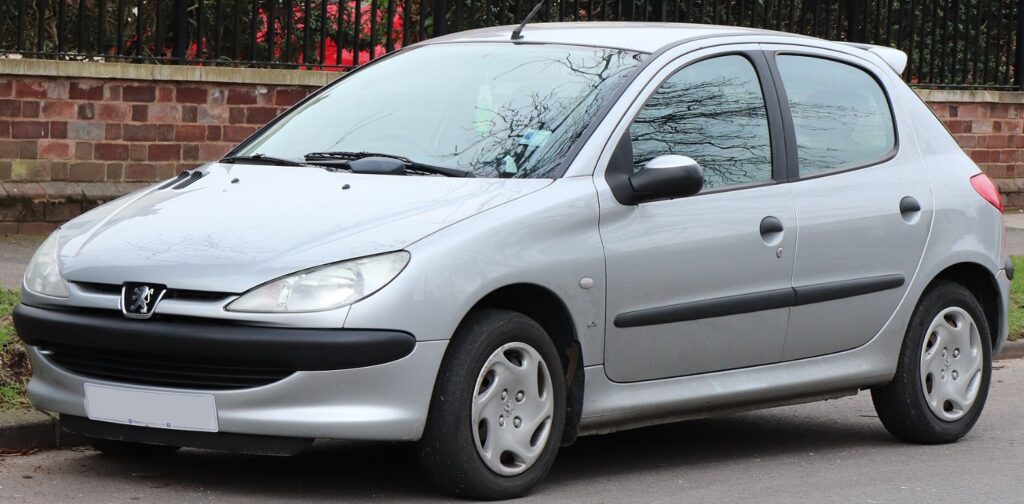
The Peugeot 206 CC is one of those cars that can make a dull commute feel like the opening scene of a summer road movie. Press a button, watch the metal roof fold into the boot, and suddenly an ordinary supermini becomes a tiny open-air cruiser.
But attractive styling and a clever roof do not automatically make a good used car.
So, are Peugeot 206 CC good cars? They can be—but only when they have been maintained properly and inspected carefully before purchase. A healthy 206 CC offers enjoyable handling, inexpensive mechanical parts, distinctive styling, and affordable convertible ownership. A neglected example, however, can quickly become a leaky, electrically temperamental money pit.
The 206 CC was produced during the 2000s as the coupé-convertible version of Peugeot’s hugely successful 206. Depending on the market, buyers will generally encounter 1.6-litre and 2.0-litre petrol engines, manual or automatic transmissions, and several trim levels. The car combines a compact footprint with a folding metal roof, giving us the security of a fixed-roof coupé and the fun of a convertible.
That combination still sounds appealing today. Yet age matters. Every surviving 206 CC is now an older used car, meaning its condition is far more important than the badge on its boot.
Let’s look beyond the glossy paint and find out whether this little French convertible deserves a place on our driveway.
Content in this publication
- Quick Verdict: Is the Peugeot 206 CC Worth Buying?
- What Exactly Is the Peugeot 206 CC?
- Are Peugeot 206 CC Reliable Cars?
- What Is Good About the Peugeot 206 CC?
- What Are the Main Peugeot 206 CC Problems?
- Peugeot 206 CC Roof Problems
- Water Leaks and Damp Interiors
- Electrical Problems
- Suspension Wear
- Engine Problems and Timing-Belt Maintenance
- Manual and Automatic Gearbox Concerns
- Is the Peugeot 206 CC Practical?
- What Is the Peugeot 206 CC Like to Drive?
- Is the Peugeot 206 CC Fuel Efficient?
- Is the Peugeot 206 CC Safe?
- How Much Does a Peugeot 206 CC Cost to Maintain?
- What Should We Check Before Buying One?
- Which Peugeot 206 CC Should We Buy?
- Who Should Avoid the Peugeot 206 CC?
- Is the Peugeot 206 CC Becoming a Modern Classic?
- Peugeot 206 CC Pros and Cons
- Final Verdict: Are Peugeot 206 CC Good Cars?
- 1. How reliable is a Peugeot 206 CC?
- 2. What is the biggest problem with the Peugeot 206 CC?
- 3. Is the Peugeot 206 CC suitable for daily driving?
- 4. Is the 1.6 or 2.0 Peugeot 206 CC better?
- 5. Is a Peugeot 206 CC expensive to repair?
Quick Verdict: Is the Peugeot 206 CC Worth Buying?
Yes, a Peugeot 206 CC can be worth buying when we find a well-maintained example with a fully functioning roof, a dry cabin, a healthy timing belt, and no serious electrical or suspension problems.
It makes the most sense as:
- An inexpensive weekend convertible
- A stylish first fun car
- A compact second vehicle
- A city car with occasional open-top enjoyment
- A low-cost modern classic project
It makes less sense for someone who needs:
- Genuine four-seat practicality
- Modern crash-avoidance technology
- A large boot with the roof lowered
- Completely predictable ownership costs
- A quiet, refined motorway cruiser
- A car that can be ignored between services
The 206 CC is not inherently a bad car. The real danger is buying a bad example.
What Exactly Is the Peugeot 206 CC?
The letters “CC” stand for coupé-cabriolet. Instead of using a fabric convertible top, the 206 CC has a folding metal roof that electrically retracts into the rear of the car.
That was a major attraction when the model appeared. Folding hardtops were usually associated with more expensive vehicles, yet Peugeot placed the technology into a compact and relatively affordable package.
The car has two doors and is technically configured as a four-seater, although the rear seats are extremely small. Depending on engine and specification, the 206 CC produces roughly 109 to 135 horsepower in its common petrol forms. Typical versions use either a 1.6-litre or 2.0-litre four-cylinder engine.
With the roof raised, it behaves like a compact coupé. Lower the roof and it becomes a small convertible. On paper, we get two cars for the price of one. In reality, we also get extra roof motors, switches, sensors, seals, cables, hinges, and hydraulic components that require attention.
Why the 206 CC Became So Popular
The standard Peugeot 206 was already a major European sales success, and the CC added another layer of desirability. Its rounded headlights, compact proportions, pronounced wheel arches, and short rear deck gave it a friendly but sporty personality.
It also arrived at the right moment. Buyers wanted lifestyle cars, but many could not justify the cost of a dedicated roadster. The 206 CC offered everyday weather protection and weekend convertible fun without demanding luxury-car money.
Even now, it stands out. Park one beside a modern crossover and the Peugeot looks almost delicate—like a pocket-sized speedboat next to a row of shipping containers.
Are Peugeot 206 CC Reliable Cars?
The Peugeot 206 CC has average rather than outstanding reliability. Its basic petrol engines can cover respectable mileages, but the car contains several age-sensitive systems that can cause trouble.
We should separate its reliability into two categories:
- Mechanical reliability: Usually acceptable when servicing is consistent.
- Roof and electrical reliability: More variable and highly dependent on maintenance, storage, and previous repairs.
A conventional 206 hatchback is simpler and therefore generally easier to own. The CC adds weight, structural reinforcement, frameless doors, roof seals, sensors, motors, and moving panels. Every additional component creates another possible failure point.
That does not mean every 206 CC is troublesome. Many owners enjoy them for years with routine maintenance. It means we should not buy one casually after a five-minute inspection.
Condition Matters More Than Mileage
A 206 CC with 70,000 miles and poor maintenance may be riskier than one with 110,000 miles, a thick folder of invoices, and evidence of regular servicing.
Mileage alone cannot tell us:
- Whether the timing belt has been replaced
- Whether the roof seals have been maintained
- Whether water has entered the boot
- Whether warning lights have been removed or ignored
- Whether the automatic gearbox has been serviced
- Whether cheap suspension parts were installed
- Whether the car has suffered accident damage
When shopping for an older convertible, documentation is worth almost as much as shiny paint.
What Is Good About the Peugeot 206 CC?
The 206 CC has genuine strengths. Otherwise, enthusiasts would not still be searching for tidy examples decades after its introduction.
Affordable Convertible Ownership
The greatest attraction is simple: the 206 CC provides open-top motoring at a low purchase price.
Traditional convertibles can be expensive to buy, insure, and maintain. The Peugeot shares many mechanical components with the regular 206, so common service items are usually easier to find than parts for an obscure sports car.
Routine items such as filters, spark plugs, brakes, wheel bearings, and suspension components are generally straightforward for an independent mechanic familiar with European cars.
The roof system can be expensive when major repairs are needed, but ordinary mechanical maintenance does not normally belong in luxury-car territory.
A Proper Metal Folding Roof
A steel roof offers advantages over a fabric hood:
- Better protection against vandalism
- A more coupé-like appearance when closed
- Improved weather resistance when the seals are healthy
- Less fabric deterioration
- Better perceived security when parked
It also gives the car a distinctive party trick. Watching the roof fold remains entertaining, even after we have seen it dozens of times.
The Roof Changes the Car’s Character
With the roof up, the 206 CC feels compact and enclosed. With it down, the cabin becomes brighter, the exhaust note becomes more noticeable, and even a slow drive feels more dramatic.
We do not need 300 horsepower to enjoy a sunny road. Sometimes 40 mph with the roof open creates more theatre than 80 mph inside an isolated modern SUV.
Compact Dimensions
At approximately 3.84 metres long, the 206 CC is easy to place on narrow roads and convenient to park. Its small footprint suits crowded towns, urban streets, and garages where a larger convertible might feel cumbersome.
The compact body also helps the car feel lively. We sit relatively close to the road, the windscreen is nearby, and the exterior corners are easy to judge.
Attractive Styling
Beauty is subjective, but the 206 CC has aged surprisingly well. It looks unmistakably like a product of its era without appearing anonymous.
The front resembles the regular 206, while the low roofline and short rear section create a more purposeful profile. Some colours and wheel designs look better than others, but a clean example can still turn heads.
Enjoyable Handling
The 206 platform earned a reputation for responsive steering and playful road manners. The CC is heavier than the hatchback because of its roof mechanism and structural reinforcement, so it is not as light or sharp as the best standard 206 variants.
Nevertheless, it remains entertaining on a winding road.
The car’s strengths are not outright speed. They are:
- Manageable dimensions
- Direct steering
- Predictable front-wheel-drive behaviour
- A relatively low driving position
- Enough performance to enjoy without travelling at extreme speeds
The ride can become firm on large wheels or tired suspension, but a properly maintained car usually feels agile rather than clumsy.
What Are the Main Peugeot 206 CC Problems?
This is where our buying decision becomes serious. Most 206 CC weaknesses are manageable, but combining several faults can exceed the value of the car.
Peugeot 206 CC Roof Problems
The folding roof is the feature everyone wants and the system everyone must inspect.
A malfunction may be caused by:
- Failed microswitches
- Damaged wiring
- Weak hydraulic operation
- Faulty roof catches
- Misaligned panels
- Low battery voltage
- Broken cables
- Incorrectly positioned luggage-cover components
- Water-damaged electronics
- Previous manual operation performed incorrectly
Sometimes the problem is relatively small. A switch may not recognise that the boot divider is correctly positioned. In other cases, the roof may stop halfway through its cycle and require specialist diagnosis.
How to Test the Roof Before Buying
Never accept the seller’s explanation that the roof “usually works” or “just needs a fuse.”
Test it yourself.
You may be interested in reading Mitsubishi Outlander Any Good? An Honest Buyer’s Guide
- Start with the car parked on level ground.
- Make sure the battery sounds strong.
- Check that the boot is empty and the luggage divider is correctly located.
- Lower every window if required by the operating procedure.
- Open the roof completely.
- Listen for grinding, straining, or irregular motor noises.
- Confirm that the roof completes the cycle and signals correctly.
- Raise it again.
- Repeat the full cycle at least once.
- Inspect the panel alignment after closing.
The movement should be controlled and consistent. A roof that hesitates, stops, twists, or produces warning sounds deserves investigation.
Never Assume a Roof Fault Is Cheap
Sellers often describe convertible roof problems as minor because admitting uncertainty could reduce the price. Unless a specialist has diagnosed the exact fault, we should budget for a significant repair or walk away.
A non-working roof removes the main reason for buying the CC. Worse, a partially sealed roof may allow water to enter the cabin and create additional electrical issues.
Water Leaks and Damp Interiors
Roof seals harden, shrink, collect dirt, and lose flexibility as a convertible ages. Blocked drainage channels or misaligned windows can also allow water into the cabin or boot.
Look for:
- Damp carpets
- A musty smell
- Condensation inside the lamps or windows
- Water in the spare-wheel area
- Stained headlining
- Wet seat belts
- Corrosion beneath the boot carpet
- Mould around trim edges
- Evidence of silicone sealant repairs
A small leak may appear harmless during a dry viewing. After several months, however, repeated moisture can damage wiring, switches, control modules, upholstery, and metalwork.
Run a hand beneath the carpets. Smell the cabin. Lift the boot floor. A fragrant air freshener may be hiding more than yesterday’s takeaway.
Window Alignment Issues
The 206 CC uses frameless side windows. These must meet the roof seals precisely when the doors close.
If the glass sits too low, too high, or at the wrong angle, we may hear wind noise or discover leaks after heavy rain. Door hinges, window regulators, seals, and adjustment mechanisms can all contribute.
Check every window several times and ensure it moves smoothly without scraping or slowing.
Electrical Problems
Older Peugeot models can develop electrical faults involving switches, lighting, remote locking, dashboard warnings, windows, roof sensors, and communication between electronic modules.
Not every electrical issue is catastrophic. A weak battery or poor earth connection can create confusing symptoms. Yet random warning lights should never be dismissed without diagnosis.
Check:
- Central locking
- Both keys and remote functions
- Electric windows
- Exterior lights
- Heater fan
- Air conditioning
- Dashboard display
- Audio system
- Horn
- Windscreen wipers
- Mirror controls
- Roof operation
- Warning lights during start-up
All dashboard warning lights should illuminate during the initial ignition check and then go out as expected. A missing light can indicate that someone has removed a bulb or altered the instrument cluster to disguise a fault.
Forum discussions about aging 206 models repeatedly advise buyers to inspect electrical equipment, rear lighting, steering behaviour, oil leaks, and damp areas carefully.
Suspension Wear
The 206 CC is heavier than the hatchback, and many surviving examples have spent years driving over potholes, speed bumps, and broken urban roads.
Possible symptoms include:
- Knocking over bumps
- Uneven tyre wear
- Wandering steering
- A loose or vague front end
- Rear-wheel alignment that looks incorrect
- Excessive bouncing
- Clunks during braking or acceleration
Front suspension links, bushes, springs, dampers, top mounts, and ball joints are normal wear items. Rear axle wear deserves particular attention because repairs can be more involved.
Stand behind the car and inspect the angle of the rear wheels. Obvious inward leaning at the top may indicate rear axle or bearing problems rather than sporty wheel alignment.
Steering Problems
Listen for groaning, knocking, or inconsistent assistance when turning the steering wheel. The wheel should move smoothly and the car should track straight on a reasonably level road.
Heavy steering, intermittent assistance, or warning lights can indicate electrical, mechanical, or charging-system issues. Do not assume that an unusual noise is simply part of the car’s character.
Engine Problems and Timing-Belt Maintenance
The common petrol engines can be durable, but they still need routine servicing. Oil leaks, cooling problems, ignition faults, worn sensors, and neglected timing belts can turn a cheap convertible into an expensive repair project.
Check for:
- Uneven idle
- Blue, white, or excessive black exhaust smoke
- Coolant loss
- Oil contamination
- Tapping or rattling noises
- Hesitation under acceleration
- Engine warning lights
- Evidence of overheating
- Strong fuel smells
- Oil leaks around the engine
The Timing Belt Is a Crucial Question
Ask when the timing belt, tensioners, and usually the water pump were last replaced. The correct interval depends on the engine, model year, market, and maintenance schedule, so we should verify it using the vehicle identification details rather than relying on a general online figure.
An invoice is stronger evidence than a handwritten note on the engine cover.
When replacement history is unknown, include the job in the immediate purchase budget. A broken timing belt can cause major internal engine damage, transforming a pleasant bargain into a very expensive ornament.
Manual and Automatic Gearbox Concerns
The manual gearbox is generally the safer choice for buyers seeking simplicity, but it should still shift cleanly. A heavy clutch, high biting point, crunching gear changes, or gearbox noise may indicate wear.
Automatic versions require more caution.
A test drive should include:
- Cold starting
- Gentle acceleration
- Harder acceleration
- Low-speed manoeuvring
- Hill starts
- Reversing
- Fully warmed operation
Watch for delayed engagement, harsh shifts, slipping, warning messages, or the gearbox becoming stuck in a limited operating mode.
A cheap automatic 206 CC with transmission symptoms may not remain cheap for long.
Is the Peugeot 206 CC Practical?
Practicality depends heavily on whether the roof is up or down.
With the roof raised, the boot can offer around 410 litres in certain configurations. When the roof is lowered and occupies much of the luggage area, usable capacity falls to roughly 175 litres. Figures can vary slightly by specification and measurement method, but the central point remains the same: roof-down luggage space is limited.
The car can manage shopping bags or a couple of soft travel bags. Large rigid suitcases are more difficult.
Are the Rear Seats Usable?
Technically, yes. Realistically, only in limited situations.
The rear seats are best treated as:
- Extra luggage space
- Emergency seating
- A place for very small passengers on short journeys
- Storage for coats or bags
Adults may fit for a brief trip if the front occupants move their seats forward, but comfort will be poor. Legroom is extremely restricted, and the upright seating position can feel cramped.
Calling the 206 CC a genuine four-seat family convertible is like calling a balcony a second living room. It is technically possible, but nobody should build their daily routine around it.
Can We Use One Every Day?
We can, provided our needs are modest.
A 206 CC can work as a daily car when:
- We normally carry one passenger or travel alone
- The roof and seals are healthy
- We do not need a large boot every day
- We have access to a knowledgeable mechanic
- We can budget for age-related repairs
- We accept more noise than in a modern hatchback
It is less suitable for regular family transport, high-mileage motorway work, or buyers who cannot tolerate occasional repairs.
What Is the Peugeot 206 CC Like to Drive?
The 206 CC feels more engaging than many ordinary small cars, but expectations should remain realistic.
The 1.6-litre version offers adequate rather than exciting performance. One commonly published specification lists approximately 109 horsepower and a 0–100 km/h time of around 11.2 seconds.
The 2.0-litre model provides stronger acceleration and usually suits the car’s sporty appearance better. However, it may consume more fuel, cost more to insure in some markets, and tempt previous owners into harder driving.
The 1.6-Litre Engine
The 1.6 is often the sensible choice.
Its advantages include:
- Adequate urban performance
- Lower potential fuel consumption
- Broad parts availability
- Lower purchase prices in many markets
- Sufficient power for relaxed roof-down driving
Its disadvantages include:
You may be interested in readingMitsubishi Outlander Any Good? An Honest Buyer’s GuideYou may be interested in reading
Mitsubishi Outlander Depreciation: Value, Resale, and What Owners Should Expect- Modest acceleration
- Less effortless overtaking
- Performance that can feel dull with passengers or luggage
- Greater strain when paired with a poorly behaving automatic gearbox
The 2.0-Litre Engine
The 2.0 suits buyers who want a more energetic car.
It offers:
- Stronger performance
- Better motorway acceleration
- A more convincing sporty character
- Less need to work the engine hard
However, finding an unmodified, well-maintained 2.0 may be difficult. Inspect sporty-looking examples carefully for cheap suspension changes, oversized wheels, neglected servicing, and evidence of aggressive driving.
Is the Peugeot 206 CC Fuel Efficient?
Fuel economy is reasonable for an older petrol convertible but not exceptional by modern standards.
Published figures for some 1.6-litre versions indicate approximately 9.5 litres per 100 km in urban driving and around 5.7 litres per 100 km on extra-urban routes. Real consumption depends on transmission, traffic, mechanical condition, tyre pressure, driving style, and roof position.
In daily use, short trips and congested roads will increase consumption. The 206 CC’s added structural weight also means it is generally less efficient than a comparable lightweight 206 hatchback.
Still, fuel costs should remain manageable for most drivers covering moderate annual mileage.
Is the Peugeot 206 CC Safe?
We must judge the 206 CC as an early-2000s design, not against a current small car.
The standard European-market Peugeot 206 received four stars for adult-occupant protection under Euro NCAP’s testing system in 2000. However, testing standards have become much stricter, and modern cars commonly include safety systems that were unavailable or uncommon when the 206 was developed.
Depending on specification, a 206 CC may have airbags, anti-lock brakes, and other basic safety equipment. Yet it will generally lack modern features such as:
- Autonomous emergency braking
- Lane-keeping assistance
- Blind-spot monitoring
- Modern stability-control calibration
- Advanced side-impact structures
- Current-generation airbag technology
- Driver-attention monitoring
Tyre quality, brake condition, suspension health, and structural integrity are therefore especially important.
A previous accident can compromise roof alignment and body rigidity. Look for inconsistent paint, uneven panel gaps, overspray, distorted seals, and doors that do not close properly.
How Much Does a Peugeot 206 CC Cost to Maintain?
Routine maintenance is usually affordable. Unexpected roof, electrical, transmission, or rear-axle repairs are where costs can grow.
A sensible ownership budget should cover:
- Annual servicing
- Timing-belt replacement when due
- Tyres
- Brake pads and discs
- Suspension wear
- Battery replacement
- Roof-seal treatment
- Cooling-system maintenance
- Electrical diagnosis
- An emergency repair reserve
The cheapest car to buy is not always the cheapest car to own.
Paying more for a dry, documented, mechanically sound example can save far more than buying a suspicious bargain and repairing it later.
Are Peugeot 206 CC Parts Easy to Find?
Mechanical service parts are generally available because the 206 was widely sold and many components are shared across Peugeot and Citroën models.
CC-specific components can be more challenging. Roof panels, trim pieces, seals, switches, hydraulic parts, and interior fittings may require specialist suppliers, used parts, or dismantlers.
Availability also varies by country. Before purchasing the car, check whether local workshops understand older Peugeots and whether used CC parts are available nearby.
What Should We Check Before Buying One?
A thorough inspection is essential.
Exterior Checklist
Check for:
- Rust or bubbling paint
- Uneven body gaps
- Accident-repair evidence
- Damaged roof seals
- Cracked lights
- Mismatched tyres
- Kerbed wheels
- Sagging doors
- Poor roof-panel alignment
- Water trapped in the lamps
Interior Checklist
Inspect:
- Wet carpets
- Musty odours
- Torn seat bolsters
- Worn switches
- Loose trim
- Non-working displays
- Window operation
- Heating and air conditioning
- Remote locking
- Every dashboard warning light
Mechanical Checklist
Confirm:
- Smooth cold start
- Stable idle
- No overheating
- Clean acceleration
- Positive gear changes
- Predictable braking
- Straight steering
- No suspension knocks
- No excessive exhaust smoke
- No major fluid leaks
Roof Checklist
Test:
- Both opening and closing cycles
- Boot-divider recognition
- Roof catches
- Hydraulic movement
- Window coordination
- Warning signals
- Seal condition
- Water ingress
- Manual emergency tools and instructions
Arrange a Professional Inspection
A pre-purchase inspection is strongly recommended. Ideally, choose a mechanic or specialist who understands Peugeot electrical systems and folding hardtops.
Ask the inspector to scan the electronic systems for stored fault codes. A warning light may be absent even when a fault has been recorded.
Which Peugeot 206 CC Should We Buy?
For most buyers, a late-production 1.6-litre manual with service history is the safest overall choice.
Why?
- The engine provides sufficient performance.
- The manual gearbox avoids some automatic-transmission concerns.
- Later cars may benefit from production improvements.
- Running costs are generally reasonable.
- Clean standard examples are easier to assess than modified cars.
A 2.0-litre manual may be better for enthusiasts who value performance and accept higher fuel or insurance costs.
The ideal car should have:
- A fully functioning roof
- Two working keys
- Dry carpets and boot
- Evidence of timing-belt maintenance
- Matching quality tyres
- No persistent warning lights
- Smooth manual shifts
- Original or sensible modifications
- Consistent service records
- A seller who allows a long inspection
Who Should Avoid the Peugeot 206 CC?
The 206 CC is probably not right for us when we need absolute reliability with no repair reserve.
We should consider another car if:
- We require usable rear seats
- We regularly carry bulky luggage
- We cannot store the car away from extreme weather
- We have no access to Peugeot expertise
- We dislike rattles or wind noise
- We expect modern safety technology
- We are buying the cheapest example available
- We cannot afford an unexpected roof repair
A conventional hatchback will be simpler. A newer convertible may be safer and more refined. A traditional soft-top may also have a less complicated roof mechanism, although fabric roofs bring their own maintenance needs.
Is the Peugeot 206 CC Becoming a Modern Classic?
The 206 CC has several qualities that could support future enthusiast interest:
- Distinctive early-2000s styling
- A mechanically operated folding hardtop
- Strong association with the successful 206 range
- Affordable entry prices
- Increasing scarcity of clean, original examples
- A playful driving experience
- Nostalgic appeal
That does not guarantee rapid appreciation. Most ordinary examples are unlikely to become highly valuable collectibles soon.
However, a low-owner, original, well-documented 2.0-litre manual in an attractive colour may become more desirable as neglected cars disappear.
The smartest approach is to buy one because we enjoy it—not because we expect it to fund our retirement.
Peugeot 206 CC Pros and Cons
Main Advantages
- Affordable way to own a convertible
- Clever folding metal roof
- Attractive and recognisable design
- Compact and easy to park
- Enjoyable steering and handling
- Common mechanical parts
- Reasonable fuel economy
- More secure than many soft-top convertibles
- Potential modern-classic appeal
Main Disadvantages
- Roof mechanism can be expensive to repair
- Water leaks are possible
- Rear seats are barely practical
- Electrical faults can be frustrating
- Limited boot space with the roof down
- Older safety design
- Suspension and rear-axle wear
- Automatic models require caution
- Many available cars have been neglected
- Refinement falls behind newer vehicles
Final Verdict: Are Peugeot 206 CC Good Cars?
Yes, Peugeot 206 CCs can be good cars, but they are not good cars for careless buyers.
A well-maintained example delivers a combination that remains difficult to resist: compact dimensions, cheeky styling, enjoyable handling, a secure folding metal roof, and genuinely affordable convertible motoring. On a warm evening with the roof lowered, it can make an ordinary journey feel special.
Its weaknesses are equally real. Roof faults, leaks, electrical issues, suspension wear, overdue timing belts, and neglected automatic gearboxes can quickly overwhelm the car’s modest purchase value.
The key is patience.
We should avoid cars with mystery warning lights, damp interiors, incomplete roof operation, poor service history, or sellers who refuse a detailed inspection. Instead, we should search for a dry, standard, documented example and keep money aside for age-related maintenance.
Think of the 206 CC as a charming holiday cottage rather than a new apartment. It may creak occasionally, require attention, and demand a little affection—but with the right care, it can provide experiences that a more sensible choice simply cannot match.
Frequently Asked Questions
1. How reliable is a Peugeot 206 CC?
The Peugeot 206 CC offers average reliability. Its petrol engines can last well with regular servicing, but roof sensors, seals, electrical components, suspension parts, and automatic transmissions may cause problems as the car ages. Condition and maintenance history matter more than mileage alone.
2. What is the biggest problem with the Peugeot 206 CC?
The folding roof is the most important and potentially expensive area. Failed sensors, switches, wiring, hydraulic components, catches, or alignment can prevent correct operation. Water leaks can also damage the interior and electronics. Always test several complete roof cycles before buying.
3. Is the Peugeot 206 CC suitable for daily driving?
It can work as a daily car for one or two people who do not need much luggage space. It is compact, relatively economical, and easy to park. However, buyers should expect more road noise, fewer safety features, limited rear seating, and occasional age-related repairs.
4. Is the 1.6 or 2.0 Peugeot 206 CC better?
The 1.6-litre version is generally better for lower running costs and relaxed everyday use. The 2.0-litre version offers stronger performance and a sportier personality. In either case, a manual gearbox with complete maintenance records is usually preferable to a neglected automatic.
You may be interested in readingMitsubishi Outlander Any Good? An Honest Buyer’s GuideYou may be interested in reading
Mitsubishi Outlander Depreciation: Value, Resale, and What Owners Should ExpectYou may be interested in reading
 Is Renault Koleos a Good Car? An Honest Buyer’s Guide
5. Is a Peugeot 206 CC expensive to repair?
Routine mechanical servicing is usually affordable because many parts are shared with other Peugeot models. Roof repairs, automatic gearbox work, electrical diagnosis, water damage, and rear-axle replacement can be expensive relative to the car’s value. A pre-purchase inspection can reduce the risk.
If you want to know other articles similar to Are Peugeot 206 CC Good Cars? An Honest Used-Car Guide you can visit the category Blog.
Volvo S90 Reliability: Problems, Costs & Best Years
Is Haval Jolion a Good Car? Honest Review, Reliability, Pros and Cons
How to Start Haval Jolion With Spare Key: Complete Guide
How to Calculate Per Diem on an Auto Loan

How to Calculate the Residual Value of a Car

Is the Honda Passport Selling Well? Sales Numbers Tell the Story
Leave a Reply
More content of your interest