
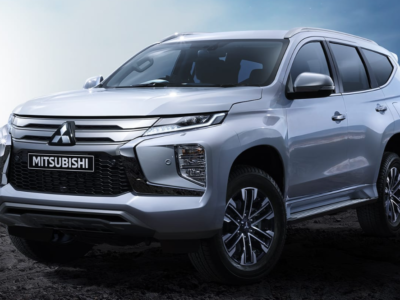
Mitsubishi Outlander Any Good? An Honest Buyer’s Guide

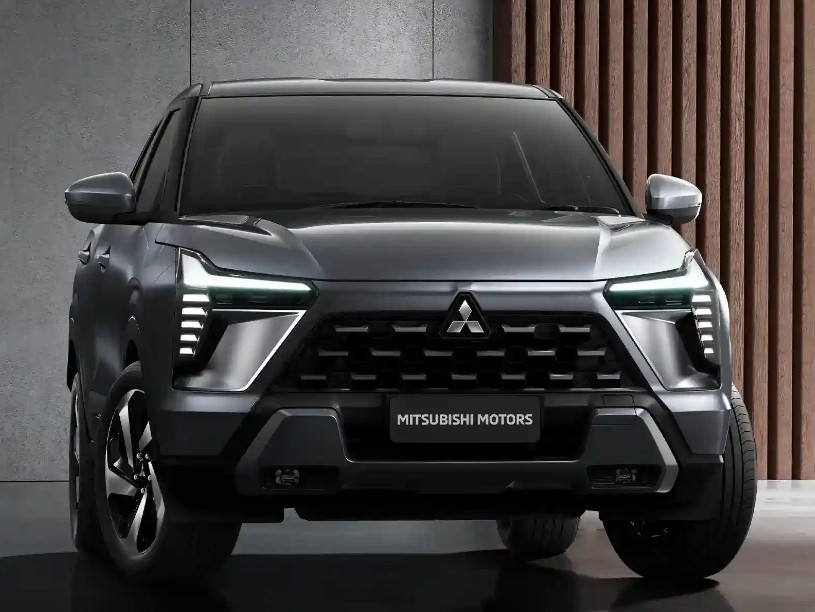
The Mitsubishi Outlander often sits in an unusual corner of the SUV market. It is not always the first model people mention when discussing family crossovers, yet it regularly attracts buyers with its bold appearance, available all-wheel drive, practical cabin, competitive equipment, and plug-in hybrid option.
So, is the Mitsubishi Outlander any good?
For many drivers, yes. The Outlander can be a sensible, comfortable, and well-equipped family SUV, especially when value, winter capability, and everyday practicality matter more than sporty handling or premium-brand prestige. However, it is not perfect. Some versions feel underpowered, the third-row seats are quite small, and long-term satisfaction can depend heavily on the model year, powertrain, maintenance history, and local dealer support.
We should not judge the Outlander by one test drive or one dramatic owner review. Buying a used or new SUV is more like choosing a pair of hiking boots: what feels ideal for one person may feel awkward for another. We need to look at how the vehicle performs in real life, not merely how shiny it appears under dealership lights.
This guide explores the Mitsubishi Outlander’s reliability, comfort, fuel economy, performance, interior space, safety, ownership costs, strengths, weaknesses, and overall value. By the end, we should have a much clearer answer to the question: Is the Mitsubishi Outlander a good car to buy?
Content in this publication
- Is the Mitsubishi Outlander a Good SUV Overall?
- Who Is the Mitsubishi Outlander Best For?
- What Is Good About the Mitsubishi Outlander?
- Exterior Styling That Looks More Expensive Than Expected
- A Comfortable and Well-Presented Interior
- Is the Mitsubishi Outlander Reliable?
- Mitsubishi Outlander Engine Performance
- How Good Is the Mitsubishi Outlander PHEV?
- Mitsubishi Outlander Fuel Economy
- Ride Comfort and Handling
- Is the Mitsubishi Outlander Safe?
- Cargo Space and Everyday Practicality
- Common Mitsubishi Outlander Problems
- Mitsubishi Outlander Maintenance Costs
- How Does the Outlander Compare With Rivals?
- Is a New Mitsubishi Outlander Worth Buying?
- Is a Used Mitsubishi Outlander Worth Buying?
- Reasons Not to Buy a Mitsubishi Outlander
- Reasons to Buy a Mitsubishi Outlander
- What to Check During a Test Drive
- Final Verdict: Is the Mitsubishi Outlander Any Good?
- Frequently Asked Questions
Is the Mitsubishi Outlander a Good SUV Overall?
The Mitsubishi Outlander is generally a good SUV for families and commuters who want generous equipment, available all-wheel drive, flexible interior space, and a relatively accessible purchase price.
Its strongest qualities usually include:
- Attractive exterior styling
- Comfortable front and second-row seating
- Available seven-seat configuration
- Useful safety and convenience technology
- Good warranty coverage in many markets
- Available plug-in hybrid powertrain
- Capable all-wheel-drive systems
- Competitive value compared with some larger rivals
The Outlander makes the most sense when we want a practical family vehicle rather than a high-performance machine. It does not behave like a sports car wearing hiking boots. Instead, it feels more like a dependable backpack: spacious, useful, and designed to carry the essentials without making a show of itself.
Still, the answer changes depending on which Outlander we are considering. Older gasoline models, newer redesigned versions, and Outlander PHEV models offer noticeably different driving and ownership experiences.
Who Is the Mitsubishi Outlander Best For?
The Outlander suits several types of buyers particularly well.
It may be a strong option for:
- Small families needing flexible seating
- Drivers living in wet, snowy, or rural areas
- Commuters considering a plug-in hybrid
- Buyers who prioritize features over badge prestige
- Owners who want an SUV without moving into a full-size model
- Drivers who prefer comfort and visibility over sharp handling
It may be less appealing for performance-focused drivers, families who regularly carry seven adults, or buyers who want the most refined engine and transmission combination in the segment.
A Practical Family Buyer
For a small family, the Outlander can be a useful everyday companion. The rear doors generally provide easy access, the cargo area can handle groceries or luggage, and the elevated driving position helps us see beyond surrounding traffic.
The available third row sounds impressive on paper, but we should view it as an emergency bench rather than a limousine lounge. It works better for children, short journeys, or occasional use than for carrying adults every day.
A Commuter Considering Electrification
The Outlander PHEV can be attractive for drivers who can charge at home and complete many daily journeys within electric-driving range. We may be able to handle school runs, shopping trips, and short commutes using little gasoline, while still having an engine available for longer drives.
That dual personality is one reason the Outlander PHEV has developed a loyal following. It offers some of the quietness and efficiency of an electric vehicle without forcing us to depend entirely on public charging during road trips.
What Is Good About the Mitsubishi Outlander?
The Outlander’s appeal is not based on one spectacular feature. Its value comes from several useful qualities working together.
Exterior Styling That Looks More Expensive Than Expected
Recent Outlander models have a confident, upright design. The broad front end, strong body lines, and distinctive lighting help it stand apart from softer-looking crossovers.
Looks are subjective, of course, but the Outlander often appears more substantial than its price might suggest. It can give us the visual presence of a larger, more expensive SUV without requiring the same budget or parking space.
The shape is not merely decorative. A tall roof and squared-off body can also support passenger room and cargo practicality.
A Comfortable and Well-Presented Interior
The cabin is one of the strongest areas in newer Outlander models. Materials, screen placement, switchgear, and overall design often feel more polished than buyers expect from Mitsubishi.
Upper trims may include features such as:
- Leather or leather-like upholstery
- Heated front and rear seats
- A heated steering wheel
- Digital displays
- Multi-zone climate control
- A panoramic roof
- Premium audio
- Power-adjustable seating
- Smartphone integration
- Surround-view parking cameras
Not every version includes these features, but even mid-level models can feel generously equipped.
Front-Seat Comfort
The front seats generally provide a supportive and elevated driving position. Visibility is good, controls are easy to reach, and the cabin layout usually feels logical after a short adjustment period.
Long-distance comfort depends on the trim, wheel size, and road surface. Large wheels may sharpen the vehicle’s appearance but can also make bumps more noticeable. A slightly lower trim with smaller wheels may actually provide the softer ride.
Second-Row Space
The second row is more convincing than the third. Adults can usually sit comfortably, particularly when the seats can slide or recline. Families using child seats should find the Outlander more accommodating than many smaller crossovers.
The ability to adjust the rear seats also allows us to balance passenger room against cargo capacity.
Third-Row Reality
The third row is useful, but it is not enormous. Think of it as a folding pocketknife: handy when needed, invisible when not, but not designed to replace a full workshop.
Children may fit reasonably well, while taller passengers will probably feel cramped. If we need genuine seven-person capacity every day, a larger three-row SUV or minivan would likely be a better choice.
Is the Mitsubishi Outlander Reliable?
The Mitsubishi Outlander can be reliable, but reliability varies by generation, engine, transmission, and maintenance history.
Many owners experience years of ordinary service with routine maintenance. Others report issues involving continuously variable transmissions, electronics, suspension components, batteries, air-conditioning systems, or plug-in hybrid hardware.
That range of experiences is common in the used-car market. A model name alone does not tell the entire story. A carefully maintained Outlander with service records may be a better purchase than a supposedly superior rival that has been neglected.
Factors That Affect Outlander Reliability
Before buying, we should consider:
- Model year
- Engine type
- Gasoline or plug-in hybrid powertrain
- Transmission condition
- Climate and road conditions
- Accident history
- Maintenance documentation
- Recall completion
- Previous towing use
- Battery condition on PHEV models
A vehicle driven gently and serviced correctly can age very differently from one that has spent years towing, idling, or missing fluid changes.
Are Older Mitsubishi Outlanders Any Good?
Older Outlanders can offer strong value because depreciation often places them below equivalent Toyota or Honda models. However, low pricing should not distract us from inspection.
On older examples, we should pay special attention to:
- Transmission behavior
- Engine noise
- Oil leaks
- Rust
- Suspension knocking
- Uneven tire wear
- Warning lights
- Air-conditioning performance
- Electrical accessories
- Service history
A low purchase price can quickly lose its charm if the vehicle needs a transmission, catalytic converter, air-conditioning compressor, or major suspension work.
Why Maintenance Records Matter
Service records are the vehicle’s diary. They tell us whether the previous owner treated the SUV like a trusted partner or a disposable appliance.
A clean body and polished dashboard may look reassuring, but records showing regular oil changes, transmission servicing, brake work, tire replacement, and recall completion are far more valuable.
Mitsubishi Outlander Engine Performance
Gasoline Outlanders generally focus on smooth, predictable driving rather than excitement. In normal traffic, the engine can be perfectly adequate. During hard acceleration, steep climbs, or fully loaded highway travel, some versions may feel strained.
We should set expectations correctly. The Outlander is designed to carry families, not to launch them toward the horizon like a slingshot.
Is the Outlander Underpowered?
Some drivers consider certain gasoline Outlander models underpowered, especially when overtaking, climbing hills, or carrying several passengers.
The feeling can be amplified by the transmission. A continuously variable transmission may hold the engine at higher revolutions during acceleration, creating more noise without the familiar rhythm of traditional gear changes.
You may be interested in reading Mitsubishi Outlander Depreciation: Value, Resale, and What Owners Should Expect
For relaxed drivers, this may not be a major concern. For someone who enjoys strong acceleration and immediate throttle response, it could become frustrating.
How Does the Transmission Feel?
Many Outlander gasoline models use a continuously variable transmission, commonly called a CVT. This type of transmission aims to improve efficiency and smoothness by avoiding fixed gear steps.
During gentle driving, it can feel calm and unobtrusive. Under heavy acceleration, engine speed may rise and remain elevated, which some drivers interpret as excessive strain.
When test-driving a used Outlander, we should watch for:
- Delayed engagement
- Shuddering
- Jerking
- Whining sounds
- Slipping sensations
- Warning messages
- Unusual vibration
- Poor response when accelerating
Any suspicious transmission behavior deserves professional diagnosis before purchase.
How Good Is the Mitsubishi Outlander PHEV?
The Outlander PHEV is one of the most interesting versions in the lineup. It combines an internal-combustion engine, electric motors, a rechargeable battery, and all-wheel-drive capability.
For the right driver, it can be excellent. For the wrong driver, it may simply become a heavier and more complicated SUV.
When the Outlander PHEV Makes Sense
It works best when we:
- Have reliable home charging
- Drive short or medium daily distances
- Want electric driving without full EV dependence
- Spend time in urban or suburban traffic
- Can benefit from local incentives or lower running costs
- Want all-wheel-drive confidence
Charging regularly is essential. Buying a plug-in hybrid and rarely plugging it in is like carrying an umbrella but refusing to open it in the rain.
PHEV Fuel Economy in Real Life
Real-world fuel consumption varies dramatically. A driver who charges every night and travels short distances may use very little gasoline. Another driver who completes long motorway trips without charging may see far less impressive results.
This is why a single fuel-economy figure cannot describe every owner’s experience.
Our results depend on:
- Daily mileage
- Charging frequency
- Outside temperature
- Heating and air-conditioning use
- Driving speed
- Battery condition
- Terrain
- Passenger and cargo load
PHEV Battery Health
Battery degradation is an important consideration on used plug-in hybrid models. Batteries gradually lose usable capacity over time, but the rate differs between vehicles.
Before buying a used Outlander PHEV, we should request a battery health assessment from a qualified technician or Mitsubishi specialist. We should also test the charging system, confirm the charging cable is included, and check whether the vehicle completes a full charge without faults.
Questions to Ask About a Used Outlander PHEV
Ask the seller:
- How often was the vehicle charged?
- Was it usually charged at home or rapid-charged?
- Has the battery ever been repaired or replaced?
- Are there records of software updates?
- Does the charging cable work correctly?
- Are there any hybrid-system warnings?
- What electric range does it currently display after charging?
The dashboard estimate is not a perfect battery test, but an unusually low figure may justify further investigation.
Mitsubishi Outlander Fuel Economy
Gasoline Outlander fuel economy is usually reasonable rather than exceptional. Urban driving, winter conditions, short trips, and heavy acceleration can increase consumption.
A gasoline Outlander may suit drivers who value simplicity and do not have home charging. The PHEV may deliver lower fuel use for regular chargers, but purchase price and battery condition must also be considered.
How to Improve Outlander Fuel Economy
We can improve efficiency by:
- Maintaining correct tire pressure
- Removing unnecessary cargo
- Accelerating gradually
- Reducing excessive idling
- Using climate control sensibly
- Keeping up with engine maintenance
- Avoiding aggressive highway speeds
- Charging the PHEV regularly
- Using regenerative braking modes intelligently
Small habits accumulate. Fuel economy rarely collapses because of one dramatic mistake; it usually slips away through dozens of tiny inefficiencies.
Ride Comfort and Handling
The Outlander generally prioritizes comfort and stability. It feels easy to drive in town and secure on the highway, although it may not offer the sharp steering or cornering confidence of sportier rivals.
That is not necessarily a flaw. Most families do not attack bends on the school run. They want a vehicle that absorbs rough roads, stays calm at speed, and does not demand constant attention.
City Driving
In urban areas, the Outlander’s raised seating position and available parking cameras can make traffic and parking easier. The steering is usually light enough for tight spaces, although the vehicle may initially feel wide to drivers moving from a small hatchback.
The PHEV is especially pleasant at low speeds because electric operation can make the cabin feel quiet and smooth.
Highway Driving
On highways, the Outlander feels stable and relaxed, but engine noise may increase during acceleration. Wind and tire noise depend partly on trim level and wheel size.
Driver-assistance features can reduce fatigue, but they should never replace attention. Adaptive cruise control and lane-support systems are assistants, not invisible chauffeurs.
Snow and Poor Weather
Available all-wheel drive is one of the Outlander’s notable strengths. Mitsubishi has considerable experience building traction-focused vehicles, and the Outlander can feel reassuring in rain, snow, gravel, and loose surfaces.
However, all-wheel drive does not cancel the laws of physics. Good winter tires remain more important than many buyers realize. All-wheel drive helps us move; tires help us steer and stop.
Is the Mitsubishi Outlander Safe?
Safety equipment varies by year and trim, but newer Outlander models may include a wide selection of active safety features.
These can include:
- Automatic emergency braking
- Blind-spot monitoring
- Rear cross-traffic alert
- Lane-departure warning
- Lane-keeping assistance
- Adaptive cruise control
- Driver-attention monitoring
- Parking sensors
- Multiple cameras
- Traffic-sign recognition
We should verify the equipment on the exact vehicle rather than assuming every Outlander includes every feature.
Do Safety Systems Work Well?
Most systems are designed to reduce risk, but some can feel overly sensitive. Lane warnings may beep on narrow roads, and automatic braking systems can occasionally react to situations the driver considers harmless.
We can often adjust sensitivity or switch certain alerts off temporarily, though permanently disabling useful safety technology is rarely wise.
Cargo Space and Everyday Practicality
The Outlander provides useful cargo space when the third row is folded. With all seats in use, luggage room becomes much tighter.
For everyday family life, the flexible seating arrangement is valuable. We can carry passengers during the week, fold seats for furniture or sports equipment on the weekend, and adapt the cabin without needing a huge SUV.
What Fits in the Outlander?
Depending on seat configuration, the cargo area can accommodate:
- Grocery bags
- Strollers
- Medium-sized suitcases
- Sports equipment
- Pet carriers
- Small furniture
- Camping supplies
- Work tools
Families carrying both seven passengers and large amounts of luggage may need a roof box or a larger vehicle.
Common Mitsubishi Outlander Problems
No vehicle is immune to problems, and we should approach sweeping online claims carefully. One owner’s bad experience does not condemn an entire generation, just as one trouble-free example does not guarantee perfection.
Potential concerns reported across different Outlander years can include:
- CVT hesitation or noise
- Battery degradation in older PHEVs
- Infotainment glitches
- Parking sensor warnings
- Suspension noises
- Premature tire wear
- Air-conditioning faults
- Weak 12-volt batteries
- Brake wear
- Interior rattles
- Charging-system faults
- Paint or trim wear
The relevance of each issue depends on the exact model year and version.
How to Spot a Bad Used Outlander
Warning signs include:
- Missing service records
- Multiple dashboard warning lights
- Uneven panel gaps
- Strong vibration
- Transmission hesitation
- Coolant or oil leaks
- Mismatched tires
- Heavy steering pull
- Charging errors
- A seller unwilling to allow inspection
A vehicle that seems suspicious during the viewing rarely becomes less suspicious after we own it.
Get a Pre-Purchase Inspection
A professional pre-purchase inspection is one of the best investments we can make. The technician should check the vehicle mechanically, electronically, and structurally.
You may be interested in readingMitsubishi Outlander Depreciation: Value, Resale, and What Owners Should ExpectYou may be interested in reading
 Is Renault Koleos a Good Car? An Honest Buyer’s Guide
For a PHEV, choose a workshop familiar with hybrid and high-voltage systems. A general inspection may miss battery or charging issues that a specialist would detect.
Mitsubishi Outlander Maintenance Costs
Maintenance costs are generally manageable, but parts availability, labor rates, and dealership coverage vary by location.
Routine expenses include:
- Engine oil and filters
- Tires
- Brake pads and rotors
- Coolant
- Transmission fluid
- Spark plugs
- Suspension components
- Air-conditioning service
- 12-volt battery replacement
PHEV models add high-voltage components, though electric operation can reduce some engine use and regenerative braking may reduce conventional brake wear.
Is the Outlander Expensive to Repair?
Routine repairs are not necessarily excessive, but major transmission, hybrid-battery, charging-system, or electronic failures can be costly.
The real question is not whether a repair can be expensive. Any modern SUV can produce a painful invoice. The better question is whether we are buying a well-maintained example and keeping an emergency repair fund.
How Does the Outlander Compare With Rivals?
The Outlander competes with SUVs such as the Toyota RAV4, Honda CR-V, Nissan Rogue or X-Trail, Hyundai Tucson, Kia Sportage, Subaru Forester, and Mazda CX-5.
Each rival has a different personality.
Outlander Versus Toyota RAV4
The RAV4 often attracts buyers with its reputation, resale value, and broad powertrain range. The Outlander may counter with a more distinctive design, occasional third-row seating, strong equipment, and potentially lower used prices.
Outlander Versus Honda CR-V
The CR-V is known for passenger room, practicality, and easy driving. The Outlander may appeal more to buyers wanting available seven-seat flexibility or plug-in hybrid capability in certain markets.
Outlander Versus Nissan Rogue or X-Trail
Some newer Outlander and Nissan models share underlying engineering, but they are not identical experiences. Styling, tuning, features, warranty coverage, and powertrain availability may differ.
We should compare actual trims rather than relying solely on brand reputation.
Outlander Versus Mazda CX-5
The Mazda may feel more engaging and premium from the driver’s seat. The Outlander can offer more seating flexibility and a stronger focus on family versatility.
Outlander Versus Subaru Forester
The Forester is known for visibility and standard all-wheel-drive capability in many markets. The Outlander may appeal with its design, PHEV option, and broader range of comfort features.
Is a New Mitsubishi Outlander Worth Buying?
A new Outlander can be worth buying when the price, warranty, features, and financing terms compare favorably with rivals.
The main advantages of buying new include:
- Full warranty coverage
- Known ownership history
- Latest safety equipment
- Updated infotainment
- No hidden accident damage
- Potential finance incentives
- Access to the newest PHEV technology
We should still test-drive competitors. Attractive monthly payments can hide a high total cost, and a feature-rich trim may become expensive once options, fees, and insurance are added.
Which Trim Level Offers the Best Value?
The best trim is often not the cheapest or the most luxurious. Mid-range versions frequently provide the ideal balance of safety technology, comfort equipment, wheel size, and price.
Before choosing, decide which features genuinely matter. Paying thousands more for oversized wheels, decorative trim, or a panoramic roof may not improve daily usefulness.
Is a Used Mitsubishi Outlander Worth Buying?
A used Outlander can be an excellent value because depreciation may make it significantly cheaper than more famous rivals.
The best used example is usually one with:
- Full service history
- Clean accident record
- Sensible mileage
- Matching quality tires
- Smooth transmission operation
- No warning lights
- Completed recalls
- Independent inspection
- Healthy PHEV battery, where applicable
Buying based only on age and mileage can be misleading. A higher-mileage highway vehicle with excellent maintenance may be safer than a low-mileage SUV that spent years making short trips and missing services.
Reasons Not to Buy a Mitsubishi Outlander
The Outlander will not suit everyone.
We may want to consider another SUV when:
- Strong acceleration is a priority
- Seven adults travel regularly
- Maximum cargo room is essential
- Local Mitsubishi dealer support is weak
- We dislike CVT driving characteristics
- We cannot charge a PHEV at home
- Resale value is our top concern
- We want luxury-level refinement
- We prefer sporty steering and handling
A sensible purchase is not about proving that a car is universally good. It is about confirming that its compromises match our lifestyle.
Reasons to Buy a Mitsubishi Outlander
The Outlander deserves serious consideration when we value:
- Bold styling
- Flexible seating
- Available all-wheel drive
- Strong equipment levels
- Comfortable everyday driving
- A plug-in hybrid option
- Competitive used pricing
- Family-friendly practicality
- Warranty protection
- Good urban visibility
Its appeal is broad rather than dramatic. It may not win every comparison category, but it can combine enough strengths to become the right all-rounder.
What to Check During a Test Drive
A proper test drive should include city streets, rough surfaces, hills, parking, and highway speeds.
Check the following:
- Does the engine start easily?
- Does the transmission engage smoothly?
- Are there vibrations under acceleration?
- Does the steering remain straight?
- Do the brakes feel smooth and predictable?
- Are there rattles over bumps?
- Does the air conditioning cool properly?
- Do all cameras and sensors work?
- Is the seating position comfortable?
- Can the third row meet our actual needs?
- Does the PHEV charge correctly?
- Are any warning lights present?
We should also sit in every row. A five-minute drive from the front seat cannot reveal whether children, adults, luggage, or child seats will fit comfortably.
Listen With the Radio Off
Turn the audio system off during part of the drive. Listen for humming, clicking, knocking, squeaking, or wind noise.
Cars often whisper their problems before they begin shouting them.
Test Every Electronic Feature
Try the windows, locks, mirrors, touchscreen, cameras, climate system, heated seats, charging ports, tailgate, lights, and driver-assistance features.
A small electrical fault may seem harmless, but several faults together can indicate neglect, water damage, or battery problems.
Final Verdict: Is the Mitsubishi Outlander Any Good?
Yes, the Mitsubishi Outlander can be a good SUV, particularly for families, value-conscious buyers, winter drivers, and motorists interested in plug-in hybrid technology.
Its main strengths include flexible seating, attractive styling, available all-wheel drive, useful technology, and a comfortable cabin. Newer models can feel impressively upscale, while used examples may offer substantial value compared with more popular rivals.
The Outlander’s weaknesses are equally important. Some gasoline versions feel slow, the CVT may not appeal to everyone, the third row is cramped, and older PHEV batteries require careful assessment. Dealer availability and resale values can also vary by region.
Ultimately, we should not ask whether every Mitsubishi Outlander is good. We should ask whether the specific Outlander in front of us is good.
A well-maintained example with the right trim, powertrain, condition, and price can be a clever purchase. A neglected vehicle with warning lights and missing records can become a money pit wearing an attractive grille.
Inspect carefully, compare alternatives, review ownership costs, and choose according to real needs rather than badge popularity. Do that, and the Outlander may prove to be a dependable family companion rather than an overlooked compromise.
Frequently Asked Questions
1. Is the Mitsubishi Outlander a reliable car?
The Mitsubishi Outlander can be reliable when maintained correctly, but results vary by model year and powertrain. Gasoline models require careful transmission checks, while used PHEV models should receive a battery and charging-system assessment. A full service history and professional inspection are more valuable than reputation alone.
2. Is the Mitsubishi Outlander good for long trips?
Yes, the Outlander can be comfortable for long journeys thanks to its elevated seating position, supportive cabin, useful driver-assistance systems, and stable highway behavior. However, engine noise may increase during hard acceleration, and third-row passengers may find longer journeys uncomfortable.
3. Is the Mitsubishi Outlander PHEV worth buying?
The Outlander PHEV can be worth buying when we have home charging and complete frequent short or medium-distance trips. It can reduce gasoline use while preserving long-distance flexibility. Used buyers should verify battery health, charging operation, warranty status, and service history before purchasing.
You may be interested in readingMitsubishi Outlander Depreciation: Value, Resale, and What Owners Should ExpectYou may be interested in reading
Is Renault Koleos a Good Car? An Honest Buyer’s GuideYou may be interested in reading
 How Long Do Ford Taurus SHO Last? Lifespan, Reliability, and High-Mileage Guide
4. What are the main disadvantages of the Mitsubishi Outlander?
Common disadvantages include modest gasoline-engine performance, a small third row, CVT driving characteristics, variable resale value, and potentially expensive hybrid or electronic repairs. Some owners may also prefer the sharper handling or larger cargo areas offered by rivals.
5. How long can a Mitsubishi Outlander last?
An Outlander can remain usable for many years when serviced consistently and driven responsibly. Longevity depends on maintenance, climate, mileage, road conditions, accident history, and powertrain care. Regular fluid changes, prompt repairs, quality tires, and annual inspections can significantly improve its lifespan.
If you want to know other articles similar to Mitsubishi Outlander Any Good? An Honest Buyer’s Guide you can visit the category Blog.
Mitsubishi Pajero Sport Reliability: Is It a Dependable SUV?
Mitsubishi Pajero Sport Years to Avoid: A Used Buyer’s Guide
Is Infiniti QX60 Reliable? A Complete Reliability Guide
Peugeot RCZ Insurance Group: Complete UK Guide
Peugeot RCZ Reliability: How Dependable Is This Stylish Coupé?
Mazda CX-8 Reliability: How Dependable Is This 7-Seat SUV?
Leave a Reply
More content of your interest