
Ford Taurus No Key Detected: Causes, Fixes, and Prevention

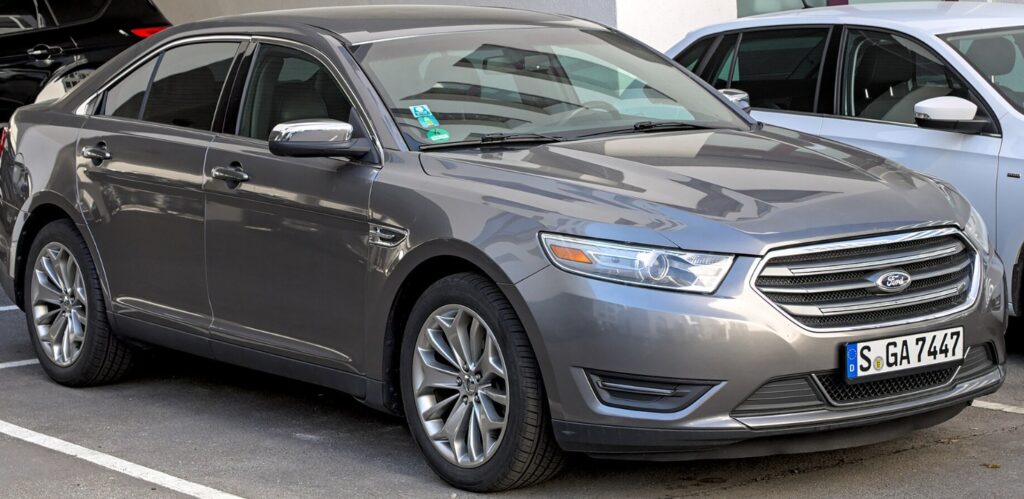
Seeing the “No Key Detected” warning in a Ford Taurus can turn an ordinary drive into a frustrating guessing game. The key is in your pocket, the car is right in front of you, and yet the vehicle behaves as though the key has vanished into thin air.
Fortunately, this message does not always mean the key is damaged or that the vehicle needs an expensive repair. In many cases, the problem comes from a weak key-fob battery, electrical interference, a low vehicle battery, or a temporary communication glitch between the key and the car.
In this guide, we will walk through the most likely causes, practical fixes, emergency starting procedures, diagnostic steps, and repair options. Whether your Ford Taurus refuses to start or the warning only appears occasionally, we can narrow down the problem before replacing parts unnecessarily.
Content in this publication
- What Does “No Key Detected” Mean on a Ford Taurus?
- How the Ford Taurus Keyless System Works
- Most Common Causes of Ford Taurus No Key Detected
- 1. Weak or Dead Key-Fob Battery
- 2. The Key Is in a Poor Location
- 3. Radio-Frequency Interference
- 4. Low or Failing Vehicle Battery
- 5. Damaged Key Fob
- 6. Dirty or Bent Battery Contacts
- 7. Incorrect Replacement Battery
- 8. Key Programming Has Been Lost or Corrupted
- 9. Faulty Interior Key Antenna
- 10. Receiver or Body Control Module Problem
- 11. Blown Fuse or Wiring Fault
- 12. Aftermarket Electronics
- How to Start a Ford Taurus When It Says No Key Detected
- Quick Troubleshooting Checklist
- How to Replace the Ford Taurus Key-Fob Battery
- How to Tell Whether the Key or the Car Is Faulty
- Ford Taurus No Key Detected After Changing the Battery
- Ford Taurus No Key Detected but the Car Still Starts
- Ford Taurus No Key Detected After Replacing the Car Battery
- Can Cold Weather Cause the Warning?
- Can Heat or Moisture Damage the Key?
- Diagnostic Trouble Codes Related to Key Detection
- When Does the Key Need Reprogramming?
- Can a Locksmith Fix Ford Taurus Key Detection Problems?
- When Should We Visit a Ford Dealer?
- Estimated Repair Costs
- Mistakes to Avoid
- How to Prevent Future No Key Detected Warnings
- A Practical Diagnosis Example
- Is It Safe to Keep Driving?
- Final Thoughts
- Frequently Asked Questions
- 1. Why does my Ford Taurus say No Key Detected when the key is inside?
- 2. Can I start a Ford Taurus with a dead key-fob battery?
- 3. Will changing the key-fob battery erase the programming?
- 4. Why does one Ford Taurus key work while the other says No Key Detected?
- 5. How do I know whether the vehicle battery is causing the problem?
What Does “No Key Detected” Mean on a Ford Taurus?
The “No Key Detected” message means the vehicle cannot confirm the presence of a programmed intelligent access key.
Ford Taurus models equipped with push-button start use radio signals to communicate with the key fob. When we approach the vehicle or press the start button, antennas inside the car search for an authorized key. The key responds with an encrypted identification signal. If the vehicle recognizes that signal, it allows the engine to start.
When communication fails, the instrument cluster may display messages such as:
- No Key Detected
- Key Not Found
- Place Key in Backup Slot
- Restart Now or Key Is Needed
- Key Battery Low
- No Key Present
The message does not automatically mean the key has lost its programming. It simply tells us that the car did not receive the expected response at that moment.
How the Ford Taurus Keyless System Works
To solve the problem, it helps to understand what is happening behind the scenes.
The Intelligent Access Key
The intelligent access key contains a transmitter, a battery, an identification chip, and buttons for functions such as locking, unlocking, opening the trunk, and activating the panic alarm.
The key communicates with the Taurus through short-range radio frequencies. The vehicle checks whether the key is genuine and properly programmed before enabling the starter.
Interior and Exterior Antennas
Several antennas may be positioned around the vehicle. Exterior antennas help detect the key when we touch the door handle, while interior antennas verify that the key is inside the passenger compartment before the engine starts.
A key may unlock the door but still fail to start the car if an interior antenna cannot detect it.
Passive Anti-Theft System
The Taurus also uses an anti-theft system to prevent unauthorized starting. Even when the mechanical key can unlock the door, the engine will not normally start unless the vehicle recognizes the programmed electronic identification.
Think of the key as a digital passport. It may look correct on the outside, but the car still needs to verify its electronic credentials.
Most Common Causes of Ford Taurus No Key Detected
Several problems can interrupt communication between the key and the vehicle. We should begin with the simplest possibilities before assuming the car has a serious electrical fault.
1. Weak or Dead Key-Fob Battery
A weak key-fob battery is the most common cause of intermittent key detection problems.
The fob may still lock and unlock the doors because those commands can sometimes work at a greater distance or require a slightly different signal. However, the passive starting system may fail to recognize the key reliably.
Common signs include:
- Reduced remote-control range
- Multiple button presses required
- Intermittent No Key Detected warnings
- The car starts when the fob is held near the start button
- A Key Battery Low message appears
- One key works better than the other
Key-fob batteries often weaken gradually. The warning may appear one morning, disappear for several days, and then return like an unwanted guest.
2. The Key Is in a Poor Location
The key may be inside the vehicle but positioned where the interior antennas have difficulty detecting it.
Problematic locations can include:
- Inside a metal container
- Beneath electronic devices
- Deep inside a packed handbag
- Next to a laptop or tablet
- Under the seat
- In the trunk
- Beside another electronic key
- Near a wireless charger
Move the key into the open cabin and keep it close to the center console or start button. Sometimes a few inches make the difference.
3. Radio-Frequency Interference
Electronic interference can overwhelm or disrupt the low-power signal from the key.
Possible sources include:
- Mobile phones
- Two-way radios
- Power banks
- Aftermarket alarm systems
- Dash cameras
- Wireless chargers
- Building security systems
- Radio towers
- Other vehicle key fobs
- Electronic access cards
If the problem occurs only in a particular parking area, gas station, garage, or building, interference becomes a strong possibility.
Try moving the vehicle or holding the key directly beside the backup starting location.
4. Low or Failing Vehicle Battery
The key may be working perfectly while the Taurus lacks enough electrical power to operate its receivers and control modules correctly.
Modern vehicles depend on stable battery voltage. A weak 12-volt battery can create strange symptoms long before it becomes completely dead.
We may notice:
- Slow engine cranking
- Flickering interior lights
- Multiple warning messages
- Clicking when pressing the start button
- Electronic systems resetting
- Doors unlocking inconsistently
- No Key Detected after the vehicle sits overnight
- The clock or radio losing settings
A low battery can make the car’s electronics behave like a tired person trying to follow a complicated conversation. Signals get missed, modules respond slowly, and warnings appear without a clear pattern.
5. Damaged Key Fob
The key fob can fail after being dropped, crushed, exposed to moisture, or opened incorrectly.
Damage may affect:
- The circuit board
- Battery contacts
- Solder joints
- Internal antenna
- Buttons
- Transponder chip
- Plastic housing
A key that has been through a washing machine, fallen into water, or repeatedly hit the ground deserves close inspection.
6. Dirty or Bent Battery Contacts
Even a new battery will not help if the metal contacts inside the fob do not hold it securely.
Corrosion, dust, oil, or bent terminals can interrupt power. The fob may work when squeezed or tapped but fail again moments later.
Signs of Poor Contact
Watch for these patterns:
- The fob works after opening and closing the case
- Button response changes when the key is pressed
- The battery moves inside the housing
- Visible green or white corrosion appears
- The key works only at certain angles
Clean contacts carefully and make sure the battery sits firmly in place.
7. Incorrect Replacement Battery
Installing the wrong battery size, inserting it backward, or using a poor-quality battery can create an immediate detection problem.
Always compare the replacement with the original battery. Confirm the positive and negative orientation before closing the fob.
A battery can also be new but defective. When possible, test its voltage or try another reputable battery.
8. Key Programming Has Been Lost or Corrupted
A programmed key can occasionally stop communicating correctly with the vehicle.
This may happen after:
- Module replacement
- Battery disconnection
- Electrical faults
- Software problems
- Key damage
- Improper programming attempts
- Anti-theft system repairs
Programming loss is less common than a weak battery, but it becomes more likely when one key never works and another works normally.
9. Faulty Interior Key Antenna
The vehicle may have one or more antennas responsible for detecting the key inside the cabin.
A failed antenna can cause a confusing situation where the remote buttons work and the doors unlock, but the push-button start system says no key is present.
The problem may change depending on where the key is placed. For example, the car may detect the key near the driver’s door but not near the center console.
10. Receiver or Body Control Module Problem
The keyless system communicates with electronic modules that manage entry, authorization, starting, and anti-theft functions.
A faulty receiver, wiring issue, poor ground, damaged connector, or module failure can stop key detection altogether.
Module faults are less common, but they should be considered when:
- Neither key works
- Both fob batteries are new
- The vehicle battery is healthy
- The backup starting method fails
- Diagnostic fault codes are stored
- Other electrical systems malfunction
11. Blown Fuse or Wiring Fault
A blown fuse can disable part of the keyless entry or starting system.
Wiring problems may result from:
- Water intrusion
- Rodent damage
- Previous repairs
- Collision damage
- Corroded connectors
- Loose grounds
- Damaged harnesses
Before replacing expensive modules, a technician should verify power, ground, fuse condition, and communication wiring.
12. Aftermarket Electronics
Remote starters, tracking systems, alarms, audio equipment, and other aftermarket accessories can interfere with the factory keyless system.
Poor installation may introduce voltage drops, communication errors, or radio interference. If the message began soon after an accessory was installed, that timing is an important clue.
How to Start a Ford Taurus When It Says No Key Detected
A weak fob battery does not necessarily leave us stranded. Ford usually provides a backup method that allows the vehicle to read the key at close range.
The exact location can vary by model year and interior design, so the owner’s manual remains the best reference.
Step 1: Enter the Vehicle
If the remote buttons do not work, remove the mechanical key blade from the fob.
Use it to unlock the driver’s door manually. The alarm may sound when the door opens, but it should stop once the vehicle recognizes the programmed key and starts.
Step 2: Locate the Backup Key Slot
Depending on the Taurus model year, the backup location may be:
- Inside the center-console storage compartment
- At the bottom of a cupholder
- Under a removable rubber mat
- In a designated key pocket
- Near the steering column
- Beside the start button
Look for a key-shaped symbol or a molded slot that matches the fob.
Step 3: Position the Key Correctly
Place the intelligent access key in the backup slot or against the designated area.
The vehicle uses a close-range reader that can often identify the key even when the fob battery is dead.
Step 4: Press the Brake Pedal
Hold the brake firmly. Make sure the transmission is in Park.
Press the engine start-stop button while the key remains in the backup position.
If the vehicle starts, replace the key-fob battery as soon as possible.
Quick Troubleshooting Checklist
When the warning appears, we can follow this order:
- Move the key away from phones and electronics.
- Hold the key close to the start button.
- Place the key in the backup slot.
- Try the spare key.
- Replace the key-fob battery.
- Check the vehicle battery.
- Lock and unlock the car manually.
- Move the vehicle away from the current location if interference is suspected.
- Inspect relevant fuses.
- Scan the vehicle for diagnostic trouble codes.
This sequence moves from free and easy solutions toward more technical diagnosis.
How to Replace the Ford Taurus Key-Fob Battery
Replacing the battery is usually simple, but the fob housing should be opened carefully.
Tools and Materials
We may need:
- A small flat plastic tool
- A thin screwdriver
- The correct coin-cell battery
- A clean cloth
- Optional battery tester
Replacement Procedure
- Remove the mechanical key blade.
- Locate the seam or release point in the fob housing.
- Carefully separate the two halves.
- Note the battery orientation before removal.
- Remove the old battery without damaging the contacts.
- Install the new battery in the same orientation.
- Confirm that it sits flat and secure.
- Snap the housing together.
- Reinstall the mechanical key.
- Test lock, unlock, trunk, and starting functions.
Avoid touching both flat battery surfaces more than necessary. Oils from our fingers can contribute to poor contact over time.
Should the Key Need Reprogramming After Battery Replacement?
Normally, replacing the coin-cell battery does not erase key programming.
The key should work immediately. If it does not, check:
- Battery orientation
- Battery type
- Contact pressure
- Case alignment
- Internal damage
If another programmed key works correctly, the problem is probably within the first fob rather than the vehicle.
How to Tell Whether the Key or the Car Is Faulty
The spare key is one of the most useful diagnostic tools we have.
When the Spare Key Works Normally
If the spare key starts the vehicle without trouble, the original key likely has:
- A weak battery
- Damaged contacts
- Internal circuit damage
- Programming problems
- A faulty transmitter
In this case, vehicle-side components are less likely to be responsible.
When Neither Key Works
If both keys fail, focus on the vehicle:
- Test the 12-volt battery
- Check fuses
- Look for other electrical symptoms
- Inspect for interference
- Scan modules for codes
- Verify keyless antenna operation
- Check wiring and grounds
Two keys failing at exactly the same time is possible, but it is far less likely than a vehicle power or receiver problem.
When the Problem Is Intermittent
Intermittent faults are often caused by:
- Weak batteries
- Loose contacts
- Radio interference
- Low vehicle voltage
- Damaged wiring
- Moisture
- Failing antennas
Keep track of where, when, and under what conditions the warning appears. Patterns often reveal more than a single workshop test.
Ford Taurus No Key Detected After Changing the Battery
Sometimes the warning begins immediately after replacing the fob battery. That usually points to an installation issue rather than a major vehicle failure.
Check the following items.
Battery Installed Backward
Coin-cell batteries have a positive and negative side. A reversed battery will prevent the fob from powering up.
Plastic Film Left on the Battery
Some replacement batteries have a protective sticker or coating. Remove it before installation.
Battery Contacts Bent During Replacement
Opening the fob with excessive force can bend the contacts. They should touch the battery firmly without crushing it.
Wrong Battery Thickness
A similar-looking battery may fit loosely. Even a small difference can prevent reliable contact.
Key Housing Not Fully Closed
If the housing does not snap together completely, the battery may shift or the contacts may lose pressure.
Internal Components Moved
Certain fobs contain small pieces or circuit-board supports that can move during disassembly. Reopen the case and confirm everything is seated properly.
Ford Taurus No Key Detected but the Car Still Starts
An occasional warning followed by a successful start usually means the signal is weak rather than completely absent.
The most likely explanations are:
- The fob battery is near the end of its life
- The key is too close to another electronic device
- The key is moving between antenna detection zones
- The vehicle battery voltage is unstable
- An interior antenna is becoming unreliable
Do not ignore a recurring warning simply because the car still starts. Intermittent problems tend to become permanent at the least convenient moment.
Ford Taurus No Key Detected After Replacing the Car Battery
Replacing or disconnecting the vehicle battery can temporarily disturb electronic modules.
The Taurus may need a moment to restore communication between systems. In some cases, we may also see unrelated warnings while modules relearn their settings.
Try these steps:
- Confirm the new battery terminals are clean and tight.
- Verify that the battery is fully charged.
- Check that the correct battery specification was installed.
- Lock the vehicle and leave it undisturbed for several minutes.
- Unlock it with the key fob.
- Try the backup key position.
- Test the spare key.
- Scan for stored module communication codes.
A loose battery terminal can create symptoms that look like a key problem. Always inspect the basic power connections first.
Can Cold Weather Cause the Warning?
Yes. Cold weather can reduce both key-fob battery performance and vehicle battery output.
A marginal coin-cell battery may work in warm conditions but fail on a freezing morning. At the same time, the 12-volt battery must work harder to power the vehicle and crank the engine.
Cold-related clues include:
- The warning appears mainly in winter
- The key works after warming indoors
- The vehicle cranks slowly
- The problem disappears later in the day
- The fob range becomes shorter
Replacing an aging fob battery before winter is inexpensive insurance.
Can Heat or Moisture Damage the Key?
Excessive heat can weaken batteries and damage electronic components. Moisture can cause corrosion or short circuits.
Avoid leaving the key:
- On a hot dashboard
- In direct sunlight for long periods
- Near drinks
- In wet clothing
- Inside a washing machine
- Near bathroom or kitchen moisture
- In an unprotected beach bag
If the fob becomes wet, remove the battery and allow the housing to dry. Do not repeatedly press the buttons while moisture is inside.
A professional scan tool can communicate with body and anti-theft modules, not just the engine computer.
Possible fault categories may involve:
- Invalid key identification
- Key not programmed
- Antenna circuit failure
- Receiver communication loss
- Low system voltage
- Body control module faults
- Passive anti-theft system errors
- Start authorization failure
A basic code reader may not access these systems. A more capable scanner is often needed.
Why Codes Matter
Without diagnostic data, replacing parts becomes a lottery. A fault code does not always identify the failed component directly, but it gives us a map of the system and shows where communication stopped.
When Does the Key Need Reprogramming?
Reprogramming may be necessary when:
- A new key is purchased
- The old key has lost authorization
- A module has been replaced
- All keys were erased
- The anti-theft system was repaired
- The vehicle does not recognize a known programmed key
- Diagnostic testing confirms an authorization issue
Some Ford models allow limited owner programming when two working programmed keys are available. However, procedures vary by model year and configuration.
When no working keys remain, professional equipment is usually required.
Can a Locksmith Fix Ford Taurus Key Detection Problems?
A qualified automotive locksmith can often help with:
- Key testing
- Fob replacement
- Key cutting
- Programming
- Transponder diagnosis
- Emergency entry
- Lost-key situations
A locksmith may cost less than a dealership for straightforward key replacement. However, vehicle-side antenna, wiring, or module faults may require advanced electrical diagnosis.
Choose a locksmith experienced with Ford intelligent access systems, not only traditional metal keys.
When Should We Visit a Ford Dealer?
Dealership diagnosis may be appropriate when:
- Neither key is detected
- The backup starting method fails
- Modules need programming
- Software updates are required
- The vehicle has complex communication faults
- Previous repairs did not solve the problem
- The car remains immobilized
- Warranty coverage may apply
The dealer can access Ford-specific diagnostic procedures, module programming, and technical service information.
That said, we should still verify fob batteries and vehicle battery condition first. Paying diagnostic labor to discover a reversed coin-cell battery is like calling a plumber because the tap was turned off.
Estimated Repair Costs
Costs vary by model year, location, labor rate, and the exact failure.
Typical expense categories include:
- Key-fob battery: low-cost repair
- Replacement fob housing: relatively inexpensive
- Aftermarket replacement key: moderate cost
- Original equipment key: higher cost
- Key programming: additional labor or service fee
- Vehicle battery replacement: moderate cost
- Antenna replacement: moderate parts and labor
- Wiring diagnosis: varies with repair complexity
- Body control module replacement: potentially expensive
- Module programming: additional cost
We should request a written diagnosis before approving module replacement. Electronic parts can be costly and may require programming, yet the real problem could be a connector or power supply.
Mistakes to Avoid
Replacing the Key Before Testing the Spare
A working spare immediately tells us whether the fault follows the key.
The buttons may work while passive detection remains weak or inconsistent.
Ignoring the Vehicle Battery
Low voltage can produce misleading warnings throughout the car.
Installing Cheap, Old Coin-Cell Batteries
Some batteries sit on store shelves for years. A reputable fresh battery is a better choice.
Forcing the Key-Fob Housing Open
Excessive pressure can break clips, damage the circuit board, or bend the battery terminals.
Replacing Modules Without Scanning the Vehicle
Module replacement should be supported by testing, codes, and electrical checks.
How to Prevent Future No Key Detected Warnings
Prevention is simple and usually inexpensive.
Replace the Fob Battery Proactively
Do not wait until the key stops working completely. Replace the battery when range decreases or the warning appears.
Keep a Working Spare Key
Test the spare key every few months. A spare that has sat untouched for years may also have a dead battery.
Protect the Fob
Use a protective cover if the key is frequently dropped. Keep it away from water, extreme heat, and crushing pressure.
Maintain the Vehicle Battery
Have the 12-volt battery tested if starting becomes slow or electrical warnings appear. Clean terminals and secure connections prevent many mysterious problems.
Limit Electronic Interference
Avoid storing the key directly beside wireless chargers, power banks, or multiple electronic access devices.
Address Intermittent Symptoms Early
A warning that disappears is still a warning. Solving the issue while the vehicle remains operational is far easier than diagnosing it after the car refuses to start.
A Practical Diagnosis Example
Imagine that our Taurus displays No Key Detected every few mornings. The doors still unlock, and the vehicle starts after we hold the fob beside the start button.
That pattern strongly suggests a weak fob battery. We replace it, and the problem disappears.
Now imagine both keys suddenly stop working after the vehicle sits overnight. The dashboard lights flicker, and the starter only clicks. In that case, the vehicle battery becomes the leading suspect.
Finally, suppose both keys unlock the doors, the 12-volt battery tests well, and the vehicle starts only when the key is placed in one exact location. That pattern may point toward an interior antenna or receiver issue.
Diagnosis is less about guessing one universal answer and more about matching symptoms to the system that is failing.
Is It Safe to Keep Driving?
If the engine is already running, the Taurus will not usually shut off simply because the key is temporarily undetected. However, the vehicle may not restart after we turn it off.
A warning during a journey should be treated seriously, especially when:
- We do not have a spare key
- The fob battery has not been replaced
- The vehicle battery is weak
- The warning appears repeatedly
- Other electrical problems are present
Avoid switching off the engine in an isolated location until we understand the cause.
Final Thoughts
The Ford Taurus No Key Detected warning is often more intimidating than the problem behind it. Most cases begin with something small: a tired coin-cell battery, an awkward key position, electronic interference, or low vehicle voltage.
We should start with the simplest checks, use the backup starting location, test the spare key, and inspect both batteries before replacing major components. If both keys fail and the electrical supply is healthy, professional scanning can identify antenna, receiver, wiring, anti-theft, or module faults.
The keyless system may feel invisible when it works, but when communication breaks down, it becomes the gatekeeper to the entire vehicle. A calm, step-by-step diagnosis helps us open that gate without throwing unnecessary parts at the problem.
Frequently Asked Questions
1. Why does my Ford Taurus say No Key Detected when the key is inside?
The vehicle may not receive a strong signal from the key. Common causes include a weak fob battery, interference from electronics, poor key placement, a low vehicle battery, or a faulty interior antenna.
2. Can I start a Ford Taurus with a dead key-fob battery?
Yes, in many cases. Place the fob in the designated backup slot or key pocket, press the brake, and push the start button. The close-range reader can often identify the key even when its battery is dead.
3. Will changing the key-fob battery erase the programming?
Normally, no. Replacing the coin-cell battery should not remove the key’s programming. If the key stops working afterward, check battery orientation, contact pressure, battery type, and internal fob condition.
4. Why does one Ford Taurus key work while the other says No Key Detected?
The nonworking key may have a dead battery, damaged circuit board, poor battery contacts, or lost programming. Since the other key works, the vehicle’s receiver and starting system are probably functioning.
5. How do I know whether the vehicle battery is causing the problem?
Look for slow cranking, dim or flickering lights, clicking sounds, multiple warning messages, electronic resets, or problems after the vehicle sits overnight. A battery voltage and load test can confirm its condition.
If you want to know other articles similar to Ford Taurus No Key Detected: Causes, Fixes, and Prevention you can visit the category Common Problems.
Volvo S90 Common Problems: Reliability & Repair Guide
Volvo S90 No Sound: Causes, Fixes and Solutions

Nissan Rogue Smells Like Gas: Causes and Fixes
Vauxhall Agila Problems: Common Faults & Fixes

Kia Sorento Jerking When Accelerating: Causes & Fixes

Jaguar F-Pace Low Battery: Causes, Warning Signs, and How to Fix It
Leave a Reply
More content of your interest