

Renault Koleos Years to Avoid: A Used-Buyer’s Guide

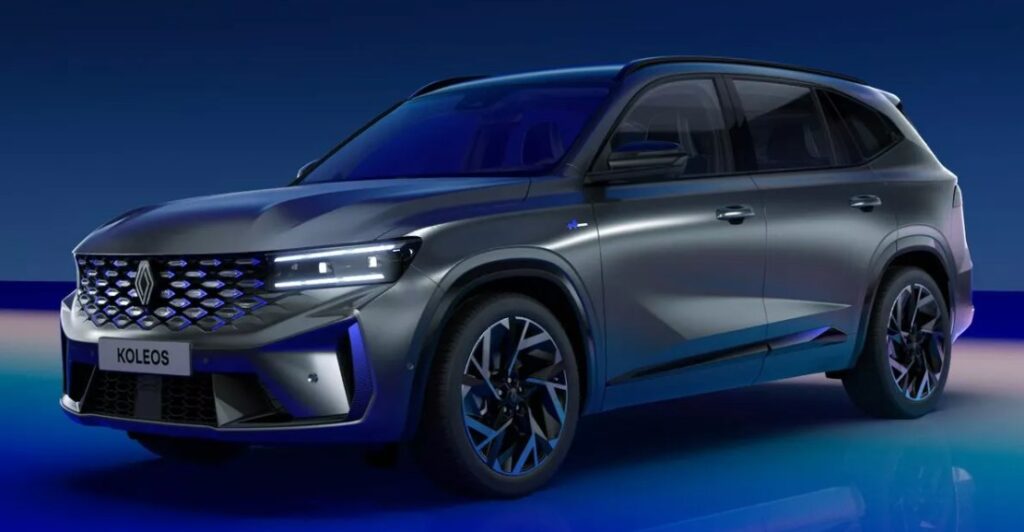
The Renault Koleos has always lived slightly outside the spotlight. It is spacious, comfortable, attractively priced, and often better equipped than many mainstream rivals. Yet it rarely receives the same attention as the Toyota RAV4, Honda CR-V, Nissan X-Trail, or Mazda CX-5.
That relative anonymity can create tempting used-car bargains. A Koleos may offer leather seats, all-wheel drive, generous passenger room, and a long list of features for the price of a much smaller crossover.
However, cheap does not automatically mean cheerful.
Certain Renault Koleos model years deserve more caution because of aging diesel equipment, continuously variable transmission concerns, electrical irritations, incomplete maintenance, or year-specific recall work. That does not make every example from those years unreliable. It simply means we should inspect them more carefully and refuse to buy on appearance alone.
So, which Renault Koleos years should we avoid?
As a general buying rule, early first-generation models from 2008 to 2010 and early second-generation examples from 2017 to 2018 deserve the closest examination. Some buyers may also prefer to approach 2011–2013 diesel models cautiously when their service history is incomplete. Meanwhile, certain 2022–2023 vehicles must be checked for market-specific recall completion, although this does not necessarily make those years fundamentally bad.
The Koleos story is nuanced. There is no single catastrophic model year that every buyer must run from. Condition, engine, transmission, usage history, and maintenance usually matter more than the registration date printed on the windshield.
Let us separate genuinely risky purchases from unfairly criticized ones.
Content in this publication
- Quick Overview of Renault Koleos Years to Avoid
- Why Some Renault Koleos Years Are Riskier
- Understanding the Two Renault Koleos Generations
- 2008 Renault Koleos: The Riskiest Starting Point
- 2009 Renault Koleos: Cheap but Potentially Costly
- 2010 Renault Koleos: Improved but Still an Early Model
- 2011–2013 Renault Koleos: Diesel History Matters
- 2014–2015 Renault Koleos: Better, but Not Automatically Safe
- Why the 2017 Renault Koleos Deserves Caution
- 2018 Renault Koleos: Early Faults May Still Appear
- Are 2019–2021 Renault Koleos Models Safer?
- Should We Avoid the 2022–2023 Renault Koleos?
- The Biggest Renault Koleos Problems to Check
- Signs of a Bad Renault Koleos
- Best Renault Koleos Years to Buy
- Renault Koleos Petrol vs Diesel Reliability
- How Much Should We Budget for Repairs?
- Pre-Purchase Inspection Checklist
- Is the Renault Koleos Fundamentally Unreliable?
- Final Verdict: Which Renault Koleos Years Should We Avoid?
- Frequently Asked Questions
Quick Overview of Renault Koleos Years to Avoid
Before we examine every generation, here is the practical summary.
| Model years | Risk level | Main concerns |
|---|---|---|
| 2008–2010 | High caution | Early-production faults, aging diesel systems, electrical components, neglected maintenance |
| 2011–2013 | Moderate caution | Diesel particulate filter issues, turbo wear, injectors, clutch and dual-mass flywheel costs |
| 2014–2015 | Moderate | Age-related wear, limited parts availability in some regions |
| 2016 | Market dependent | Transitional year or limited availability |
| 2017–2018 | High caution | Early second-generation teething problems, CVT behavior, infotainment and electronic complaints |
| 2019–2021 | Lower risk | Generally more mature, but maintenance remains essential |
| 2022–2023 | Recall check required | Bonnet bonding recall in Australia and possibly market-specific campaigns |
| 2024 onward | Too new to judge fully | Limited long-term reliability evidence |
This table is not a verdict on every vehicle. A well-maintained 2009 Koleos may be a safer purchase than an abused 2020 example. Used cars carry histories, not merely model years.
Why Some Renault Koleos Years Are Riskier
A vehicle earns a troublesome reputation through a mixture of design weaknesses and ownership patterns.
The first Koleos arrived when diesel SUVs were increasingly complicated. Emissions equipment, high-pressure fuel systems, turbochargers, electronic parking brakes, and dual-mass flywheels introduced expensive failure points. These systems usually worked well during the vehicle’s younger years, but neglected examples became financially dangerous as they aged.
The second-generation Koleos brought newer technology, a Nissan-related platform, more electronics, and widespread use of a continuously variable transmission. It felt more refined, but early examples sometimes developed annoying software, multimedia, sensor, and drivability complaints.
The important distinction is this:
- A poorly designed component can affect many vehicles.
- Poor maintenance can destroy an otherwise durable vehicle.
- Short urban journeys can create diesel problems.
- Incorrect transmission servicing can shorten CVT life.
- An unresolved recall can introduce a safety risk.
- Low market value may encourage owners to postpone repairs.
A Koleos with a thick folder of invoices is often worth more than one with glossy paint and mysterious gaps in its history.
Understanding the Two Renault Koleos Generations
First-Generation Renault Koleos: 2008–2015
The original Koleos was developed through the Renault-Nissan alliance and shared technical DNA with vehicles such as the Nissan X-Trail. It was sold with different petrol and diesel engines depending on the market, along with manual, conventional automatic, and CVT configurations.
Its strengths included:
- Comfortable suspension
- Practical split tailgate
- Useful passenger space
- Strong diesel torque
- Good equipment for the money
- Capable all-wheel-drive system
- Attractive used prices
Its weaknesses became more noticeable with age. Diesel particulate filters, fuel injectors, turbo-related components, clutches, electrical accessories, and suspension parts may all demand attention on older examples.
Owner reviews are not universally negative. Some report years of dependable service and praise the first Koleos for comfort and towing ability. Others mention failures involving items such as the tailgate release, mirror components, sun visors, and wiper motors. The mixed experiences show why individual inspection matters more than reputation alone.
Second-Generation Renault Koleos: 2017 Onward
The second-generation model was larger, cleaner-looking, and more modern inside. It shared its basic architecture with the Nissan X-Trail and was commonly paired with a CVT automatic transmission.
This generation improved:
- Cabin space
- Exterior styling
- Highway comfort
- Safety technology
- Infotainment
- Interior presentation
- Refinement
Nevertheless, early production vehicles can be more troublesome than later examples. Complaints may involve hesitant CVT operation, multimedia glitches, camera faults, keyless-entry problems, battery sensitivity, sensor warnings, or trim noises.
A 2026 What Car? used-car reliability assessment placed the 2017–2020 Koleos near the bottom of its family SUV category, reporting a score of 80.4%. That does not prove every vehicle is unreliable, but it strengthens the case for inspecting early second-generation examples carefully.
2008 Renault Koleos: The Riskiest Starting Point
The 2008 model introduced an unfamiliar SUV into many markets. First production years frequently carry a little extra uncertainty because manufacturing processes, supplier components, software, and dealer knowledge are still maturing.
Today, age is the larger issue.
A 2008 Koleos may now have:
- Perished suspension bushes
- Aging cooling hoses
- Oil leaks
- Worn engine mounts
- Weak batteries
- Corroded electrical connections
- Tired turbo hoses
- Carbon buildup
- A blocked diesel particulate filter
- Neglected transmission fluid
- Worn wheel bearings
- Failing air-conditioning components
None of these problems is unique to Renault. They are realistic concerns for an older, relatively complex SUV.
The lowest-priced 2008 vehicle can resemble a cheap house with a leaking roof. The purchase price looks friendly, but the repairs arrive carrying hammers.
We would avoid a 2008 diesel if it has no proof of regular oil changes, no evidence of sustained highway use, and no diagnostic scan. A petrol model may be simpler for low-mileage drivers, although transmission condition remains important.
2009 Renault Koleos: Cheap but Potentially Costly
The 2009 Koleos received much of the same engineering as the launch-year model. By now, its reliability depends heavily on how previous owners treated it.
A high-mileage diesel can still be worthwhile when it has been serviced correctly. In fact, a vehicle driven regularly on long roads may have a healthier emissions system than a lower-mileage SUV used only for school runs.
We should become suspicious when a seller says:
- “It only needs a sensor.”
- “The warning light comes and goes.”
- “The gearbox has always done that.”
- “The smoke disappears when it warms up.”
- “The service book was lost.”
- “The four-wheel drive has never been used.”
- “It drives perfectly once you get moving.”
Tiny phrases can hide large invoices.
Repeated short journeys are especially unhelpful for older diesel engines because the particulate filter may not reach the conditions needed for effective regeneration. Contemporary advice about the 2.0 dCi also cautioned against repeated short runs from cold.
2010 Renault Koleos: Improved but Still an Early Model
The 2010 Koleos may be slightly more appealing than the first two years, but it still belongs to the early production period. Buyers should assess it as an aging diesel SUV rather than an inexpensive family bargain.
The main concern is not one famous defect. It is the possibility of several smaller problems appearing together.
For example, imagine buying a 2010 Koleos that needs:
- Two front suspension arms
- A battery
- Air-conditioning repair
- A diesel particulate filter clean
- New tires
- A tailgate actuator
- Transmission servicing
Each job may look manageable by itself. Together, they can swallow the difference between a Koleos and a newer competitor.
We would not automatically reject every 2010 model. We would reject any example whose low price is being used to distract us from warning lights, noises, leaks, rough operation, or missing records.
2011–2013 Renault Koleos: Diesel History Matters
Watch the Diesel Particulate Filter
The diesel particulate filter traps soot before it leaves the exhaust. It periodically needs to burn that soot away through regeneration.
Problems arise when the vehicle spends its life taking short trips. The engine may not reach the necessary temperature for long enough, leaving the filter increasingly restricted.
Potential warning signs include:
- Frequent regeneration cycles
- Cooling fans running after shutdown
- Rising fuel consumption
- Reduced power
- Engine or emissions warnings
- High engine-oil level
- A strong hot smell after driving
- Limp-home mode
A forced regeneration may help when the problem is caught early. A badly contaminated system may require cleaning or replacement. More importantly, the underlying cause must be diagnosed. A faulty sensor, thermostat, injector, or exhaust component can make the problem return.
Do Not Trust Mileage Alone
A 2012 diesel with 160,000 highway kilometres may be healthier than one with 80,000 urban kilometres.
Mileage tells us how far the vehicle travelled. It does not tell us how gently the engine warmed up, how often the oil was changed, or whether the emissions system completed regenerations.
You may be interested in reading BMW 8 Series Years: Generations, Best Years, and Complete History
Usage pattern is part of the service history.
Turbocharger and Injector Concerns
Turbochargers rely on clean oil, correct lubrication, and sensible temperature management. Long oil-change intervals, incorrect oil, blocked oil passages, or repeated hard driving from cold can accelerate wear.
Possible turbo trouble may reveal itself through:
- Whistling or siren-like noises
- Blue or grey smoke
- Weak acceleration
- Oil consumption
- Oil around boost hoses
- Underboost or overboost fault codes
Fuel injectors can also become expensive. Rough starting, uneven idle, diesel knock, excessive smoke, or poor fuel economy should not be ignored.
These issues have been discussed in relation to aging first-generation diesel Koleos models, along with dual-mass flywheel and particulate-filter concerns. Such reports should be treated as inspection priorities rather than proof that every vehicle will fail.
Clutch and Dual-Mass Flywheel Wear
Manual diesel models may use a dual-mass flywheel to reduce vibration. It improves refinement but adds cost when worn.
Listen for:
- Rattling at idle
- Clunks during engine shutdown
- Vibration through the clutch pedal
- Judder when moving away
- Slipping under acceleration
- Difficulty selecting gears
A clutch and flywheel replacement can turn a bargain into an expensive project. Ask whether they have already been replaced, then confirm the claim with an invoice.
2014–2015 Renault Koleos: Better, but Not Automatically Safe
Later first-generation examples are often preferable because production had matured and they are younger. However, they are still old enough to suffer age-related wear.
A 2014 or 2015 model may be one of the smarter first-generation choices when it has:
- Complete maintenance records
- Smooth transmission operation
- No emissions warnings
- Matching quality tires
- Clean fluids
- No cooling-system leaks
- Working air conditioning
- Functional four-wheel drive
- Evidence of recall completion
- A professional pre-purchase inspection
Parts availability should also be considered. The first Koleos was not sold in huge numbers in every country. Mechanical components shared with Nissan products may be obtainable, but body, trim, electronic, or model-specific pieces can require patience.
A rare vehicle is not necessarily unreliable. It can simply be less convenient to repair.
Why the 2017 Renault Koleos Deserves Caution
The 2017 model launched the second generation in many markets. It was more sophisticated than the SUV it replaced, but sophistication introduces more places for irritating faults to hide.
Common areas to examine include:
- CVT behavior
- Touchscreen response
- Bluetooth connectivity
- Satellite navigation
- Reversing camera
- Parking sensors
- Keyless entry
- Electric tailgate
- Battery condition
- Stop-start operation
- Dashboard warnings
- Climate-control performance
Early software can behave like a distracted waiter: it eventually completes the task, but not always when or how we expect.
Some issues may require only a software update. Others can involve a battery, camera, control module, sensor, wiring connection, or multimedia unit. The solution may be simple, yet diagnostic labour can still become expensive.
2017 CVT Behavior: What Is Normal?
A CVT does not behave like a conventional stepped automatic. Under acceleration, engine speed may rise and remain steady while road speed builds. That “slipping” sensation can be normal.
What is not normal?
- Delayed engagement into drive
- Violent shuddering
- Repeated surging
- Metallic whining
- Overheating warnings
- Loss of drive
- Strong vibration at low speed
- Fault messages
- Burnt-smelling fluid
- Hesitation that worsens when hot
Do not let a seller dismiss every strange sensation as “just how CVTs work.” A healthy CVT should feel unusual to an unfamiliar driver, but it should not feel broken.
2018 Renault Koleos: Early Faults May Still Appear
The 2018 model was not a complete redesign, so it carried much of the 2017 vehicle’s hardware and software. Some examples may have received updates during dealer servicing, while others may have missed campaigns or software improvements.
That variation matters.
Two visually identical 2018 Koleos SUVs can have very different ownership prospects. One may have complete dealer records, updated systems, fresh transmission fluid, and careful highway use. The other may have an intermittent screen fault, weak battery, unexplained warning lights, and no record of CVT maintenance.
We should test every electronic feature more than once. A five-minute demonstration is not enough.
Connect the phone. Use the camera. Operate the windows. Fold the mirrors. Test both keys. Open the tailgate. Change the climate settings. Drive at parking speed, urban speed, and highway speed.
Reliability hides in the details.
Are 2019–2021 Renault Koleos Models Safer?
Later second-generation models are generally more attractive used purchases. By this stage, production was more established, and earlier software or quality issues may have been addressed.
That does not mean we can skip inspection.
A 2019–2021 Koleos still requires:
- Confirmed oil changes
- Correct CVT service
- Healthy cooling system
- Strong battery
- Functional electronics
- Even tire wear
- Clean diagnostic scan
- Recall verification
- Evidence of accident-free repairs
- Road testing from cold
These vehicles can deliver excellent comfort and value. They are especially appealing to buyers who want rear-seat space and a relaxed highway ride rather than sporty handling.
Among used Koleos choices, a well-documented 2019, 2020, or 2021 example often represents the sensible middle ground: modern enough to feel current, but old enough to have depreciated meaningfully.
Should We Avoid the 2022–2023 Renault Koleos?
Not necessarily. However, buyers must check recall status using the vehicle identification number.
In Australia, a recall affecting certain 2022–2023 Renault Koleos vehicles concerned inadequate bonding between the bonnet’s outer panel and inner frame. The official notice warned that the outer panel could detach because of vibration or high-speed driving, increasing accident risk.
That sounds alarming—and it should be taken seriously—but a recall does not automatically make an entire model year unreliable.
A recall means the manufacturer or regulator has identified a safety-related defect and established a repair process. The critical question is whether the specific vehicle was affected and whether the corrective work was completed.
Renault provides a VIN-based recall checker in supported markets, while government recall databases may also allow buyers to investigate unresolved safety campaigns.
How to Verify the Bonnet Recall
Before buying a 2022 or 2023 Koleos:
- Obtain the full VIN.
- Contact an authorized Renault dealer.
- Ask for all outstanding campaigns.
- Request written confirmation of completed work.
- Inspect the bonnet for unusual movement or repair evidence.
- Compare the VIN with the relevant national recall database.
- Do not rely solely on the seller’s memory.
A completed recall is usually less concerning than a neglected maintenance schedule.
The Biggest Renault Koleos Problems to Check
CVT Transmission Condition
The CVT is one of the most important and expensive components to assess on petrol automatic models.
Ask for proof of fluid replacement according to the correct schedule for the vehicle and market. “Sealed for life” should not be interpreted as “immune to heat, friction, contamination, and wear.”
During the test drive, check the transmission:
- When completely cold
- After at least 20–30 minutes
- On a hill
- During gentle acceleration
- During strong acceleration
- While reversing
- In stop-and-go traffic
- When selecting drive after reverse
A problem that appears only when hot can remain hidden during a short dealership drive.
Diesel Emissions Equipment
For diesel models, scan for stored and pending fault codes even when no warning light is visible. Sellers can clear codes shortly before a viewing, and some faults require several drive cycles to return.
Check:
- DPF soot load
- Regeneration history
- Exhaust-pressure sensor readings
- Exhaust-gas recirculation operation
- Injector correction values
- Turbo boost performance
- Oil level and oil quality
A proper diagnostic scan tells a deeper story than a clean dashboard.
Electrical and Multimedia Systems
Electrical faults may not stop the engine, but they can make ownership exhausting.
You may be interested in readingBMW 8 Series Years: Generations, Best Years, and Complete HistoryYou may be interested in reading
 Mazda BT-50 vs Mitsubishi Triton: Which Ute Is Better?
Test:
- Central locking
- Both remote keys
- Touchscreen
- Audio
- USB ports
- Bluetooth
- Navigation
- Reversing camera
- Parking sensors
- Blind-spot monitoring
- Automatic lights
- Rain-sensing wipers
- Heated seats
- Electric seat adjustment
- Tailgate
- Panoramic roof, when fitted
A weak battery can trigger several seemingly unrelated warnings. Still, we should diagnose rather than assume.
Suspension and Steering Wear
The Koleos is a relatively heavy SUV. Bushes, links, wheel bearings, shock absorbers, and tires all work hard.
Listen for:
- Knocks over broken roads
- Creaking during steering
- Humming that changes with speed
- Steering vibration
- Uneven tire wear
- Wandering on straight roads
- Excessive body movement
Uneven tire wear may indicate incorrect alignment, worn suspension, previous accident damage, or mismatched tires.
Check All-Wheel-Drive Models Carefully
On all-wheel-drive vehicles, confirm that all four tires are the correct size and have similar tread depth. Significant differences can create unnecessary strain within the drivetrain.
Check that the four-wheel-drive warning light illuminates during startup and then goes out. Test the available drive modes where conditions permit.
Signs of a Bad Renault Koleos
A single minor fault should not always end the purchase. A cluster of warnings should.
Walk away or investigate deeply when you find:
- Missing service records
- Multiple dashboard lights
- Recently cleared fault codes
- Low coolant
- Thick sludge beneath the oil cap
- Diesel fuel smell around the engine
- Blue smoke
- Persistent white smoke after warm-up
- Severe CVT shudder
- Transmission warning messages
- Uneven tire brands or sizes
- Evidence of overheating
- Wet carpets
- Nonfunctional safety equipment
- Seller resistance to inspection
- A warm engine before your arrival
Why was the engine warmed up before we arrived? Sometimes it is harmless. Sometimes it hides cold-start rattles, smoke, misfires, battery weakness, or poor starting.
Always request a cold start.
Best Renault Koleos Years to Buy
The best year depends on budget and market, but we would generally prioritize:
2014–2015 for a Budget First-Generation Model
These later first-generation vehicles may offer good value when properly maintained. Petrol versions can suit drivers who mostly travel short distances and want to avoid older diesel emissions complexity.
2019–2021 for Balanced Value
These years are often the most compelling second-generation choice. They provide modern safety, comfort, and styling without the uncertainty associated with the earliest production examples.
2022–2023 After Recall Verification
Later vehicles remain attractive, particularly when they have warranty coverage and confirmed recall completion. The bonnet campaign must be checked where applicable.
A Maintained Vehicle Over a Specific Year
The best Koleos is not always the newest one. It is the example that has:
- Transparent ownership
- Detailed invoices
- Correct fluids
- No persistent fault codes
- Smooth transmission behavior
- Matching tires
- Clean accident history
- Completed recalls
- Independent inspection approval
Paperwork is part of the vehicle.
Renault Koleos Petrol vs Diesel Reliability
Choose Petrol for Short Urban Trips
A petrol Koleos may be the safer option when we:
- Drive fewer annual miles
- Make frequent short trips
- Live in heavy traffic
- Rarely travel on highways
- Want to reduce diesel-emissions complexity
Fuel consumption may be higher, but predictable fuel spending can be preferable to an unexpected diesel repair.
Choose Diesel for Regular Long-Distance Driving
A diesel may make sense when we:
- Cover high annual mileage
- Frequently drive at highway speed
- Tow within the vehicle’s limits
- Need stronger low-speed torque
- Can verify excellent maintenance
The problem is not that diesel engines are automatically unreliable. The problem is buying a diesel for a life it was not designed to live.
A diesel repeatedly driven three kilometres to the supermarket is like a marathon runner trapped in an elevator. It never gets the conditions it needs.
How Much Should We Budget for Repairs?
Used-SUV buyers should keep a repair reserve after purchase. Spending the entire budget on the vehicle leaves no room for tires, fluids, brakes, batteries, sensors, or unexpected wear.
The appropriate reserve varies by country, labour rate, and vehicle condition. As a general strategy, retain enough money to cover:
- Full initial service
- Transmission fluid service
- Four quality tires
- Brake replacement
- Battery
- Suspension repair
- Diagnostic work
An older diesel model deserves a larger reserve because turbo, injector, DPF, clutch, and flywheel repairs can be expensive.
The cheapest Koleos advertised is rarely the cheapest Koleos to own.
Pre-Purchase Inspection Checklist
Before Seeing the Vehicle
- Check the VIN.
- Search for outstanding recalls.
- Request service invoices.
- Ask whether the engine will be cold.
- Confirm the exact engine and transmission.
- Research parts availability locally.
- Review registration and accident history.
- Ask about towing and off-road use.
During the Static Inspection
- Look beneath the vehicle for leaks.
- Check coolant level and colour.
- Inspect engine oil.
- Examine tire age and tread.
- Test every electrical feature.
- Check for damp carpets.
- Look for mismatched paint.
- Inspect panel gaps.
- Confirm both keys are present.
- Scan all control modules.
During the Road Test
- Start from cold.
- Listen for rattles.
- Test light and heavy acceleration.
- Drive over uneven surfaces.
- Check straight-line stability.
- Test braking from different speeds.
- Observe transmission behavior when hot.
- Watch the temperature gauge.
- Recheck for leaks after driving.
- Scan again for returning fault codes.
After the Test Drive
Do not negotiate before understanding the faults.
Obtain written repair estimates for anything significant. A seller’s casual guess carries no financial protection.
Is the Renault Koleos Fundamentally Unreliable?
No. It would be unfair to label every Koleos unreliable.
The model combines Renault styling and interior design with substantial Nissan-related engineering. Many owners value its comfort, practicality, equipment, and highway manners. The first generation has even been praised for its ride, capability, and chain-driven diesel design.
The trouble comes from three factors:
- Some early vehicles developed or retained production-related weaknesses.
- Aging diesel and transmission systems can be expensive.
- Heavy depreciation allowed some examples to fall into neglectful ownership.
A neglected luxury feature is still a broken feature. A cheap SUV still carries SUV-sized tires, brakes, suspension, and repair bills.
The Koleos can be a clever purchase, but it rewards buyers who inspect carefully rather than gamble confidently.
Final Verdict: Which Renault Koleos Years Should We Avoid?
The 2008–2010 Renault Koleos deserves the strongest caution because these are the oldest and earliest-production vehicles. Diesel examples with unclear histories can expose buyers to particulate-filter, turbocharger, injector, clutch, flywheel, electrical, and age-related repair costs.
The 2011–2013 models are not automatic rejects, but diesel usage and maintenance history are critical. We would avoid vehicles used mainly for short journeys or those lacking evidence of correct servicing.
The 2017–2018 Koleos also deserves close scrutiny. As early second-generation examples, they may present CVT, infotainment, battery, sensor, camera, or electronic irritations. A long test drive and full-system scan are essential.
The 2022–2023 Koleos should not be broadly avoided, but buyers in affected markets must verify whether bonnet-related recall work was completed.
For many buyers, a documented 2019–2021 Koleos offers the strongest balance of price, age, technology, and maturity.
Ultimately, we should avoid bad histories more than bad badges. A carefully maintained Koleos can be comfortable, practical, and surprisingly good value. A neglected one can drain our wallet as quietly as a slow puncture.
Buy the records. Buy the condition. Buy the inspection.
The model year should guide the investigation—not replace it.
Frequently Asked Questions
1. What are the worst Renault Koleos years?
The 2008–2010 models generally require the most caution because they combine early-production status with significant age. The 2017–2018 models also deserve careful inspection because some early second-generation vehicles may experience CVT, infotainment, battery, sensor, or electronic problems.
2. Is the Renault Koleos CVT unreliable?
Not every Koleos CVT is unreliable. Many operate normally for years when serviced correctly and not overheated or abused. We should avoid vehicles with shuddering, delayed engagement, whining, surging, warning messages, burnt fluid, or no evidence of transmission maintenance.
3. Is a diesel Renault Koleos worth buying?
A diesel Koleos can be worthwhile for regular long-distance travel, especially when it has complete servicing and healthy emissions equipment. It is less suitable for repeated short urban trips because those conditions can contribute to diesel particulate filter and exhaust-system trouble.
4. Which Renault Koleos years are best?
Later first-generation models from 2014–2015 can be good budget choices, while 2019–2021 vehicles often provide the best balance among second-generation models. Later 2022–2023 vehicles can also be attractive after all applicable recalls have been verified.
You may be interested in readingBMW 8 Series Years: Generations, Best Years, and Complete HistoryYou may be interested in reading
Mazda BT-50 vs Mitsubishi Triton: Which Ute Is Better?You may be interested in reading
Mazda BT-50 vs Ford Ranger: Which Pickup Is Better?5. How can we check whether a Renault Koleos has been recalled?
Use the vehicle identification number on Renault’s official recall checker or the national vehicle-recall database for your country. An authorized Renault dealer can also confirm whether campaigns are outstanding and provide evidence that previous recall work was completed.
If you want to know other articles similar to Renault Koleos Years to Avoid: A Used-Buyer’s Guide you can visit the category Models.
Kia Sorento Models: Complete Guide to Trims, Engines and Versions
BYD Shark 6 vs Ranger vs HiLux: Which Ute Makes the Most Sense in 2026?
BYD Shark 6 vs MG U9: Which Ute Makes More Sense in 2026?
BYD Shark 6 vs Ford Ranger Raptor: Which Performance Ute Is Better in 2026?
BYD Shark 6 vs Kia Tasman: Which Ute Is Better?
BYD Shark 6 vs 7: What We Know So Far
Leave a Reply
More content of your interest