
Mazda 6 vs CX-5: Which Mazda Is the Better Choice?

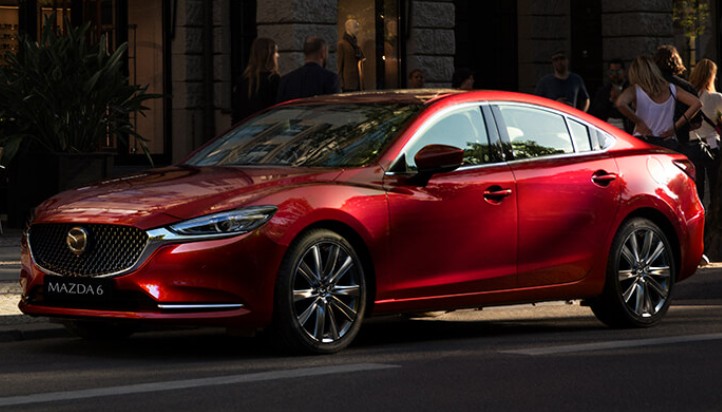
Choosing between the Mazda 6 vs CX-5 is a little like choosing between a tailored suit and a really good pair of hiking boots. Both can look sharp. Both can feel premium. Both carry Mazda’s familiar driver-focused personality. Yet they serve noticeably different kinds of buyers.
The Mazda 6 is the classic midsize sedan: low, sleek, composed, and rewarding on a winding road. The CX-5, meanwhile, gives us the upright driving position, practical cargo area, and crossover versatility that have made compact SUVs so popular.
So, which one makes more sense?
That depends on whether we value handling and sedan refinement more than cargo flexibility and everyday practicality. In this detailed Mazda 6 vs Mazda CX-5 comparison, we’ll look at performance, comfort, interior space, fuel economy, reliability, ownership costs, family usability, and the little details that can make one of these Mazdas feel like the obvious winner.
Content in this publication
- Mazda 6 vs CX-5 at a Glance
- Mazda 6 vs CX-5 Size Comparison
- Mazda 6 vs CX-5 Interior Quality
- Mazda 6 vs CX-5 Passenger Space
- Mazda 6 vs CX-5 Cargo Space
- Mazda 6 vs CX-5 Performance
- Mazda 6 vs CX-5 Engine Options
- Mazda 6 vs CX-5 Fuel Economy
- Mazda 6 vs CX-5 Ride Comfort
- Mazda 6 vs CX-5 Ground Clearance
- Mazda 6 vs CX-5 All-Wheel Drive
- Mazda 6 vs CX-5 Safety
- Mazda 6 vs CX-5 Reliability
- Mazda 6 vs CX-5 Maintenance Costs
- Mazda 6 vs CX-5 for Families
- Mazda 6 vs CX-5 for Commuting
- Mazda 6 vs CX-5 for Road Trips
- Mazda 6 vs CX-5 Driving Experience
- Mazda 6 vs CX-5 Design
- Mazda 6 vs CX-5 Resale Value
- Mazda 6 vs CX-5: Which Is Better for Tall Drivers?
- Mazda 6 vs CX-5: Which Is Better for Older Drivers?
- Mazda 6 vs CX-5: Which Is Better for Enthusiasts?
- Mazda 6 vs CX-5: Which Is Better for Everyday Practicality?
- Pros and Cons of the Mazda 6
- Pros and Cons of the Mazda CX-5
- Mazda 6 vs CX-5: Which One Should We Buy?
- Final Verdict: Mazda 6 or CX-5?
- Frequently Asked Questions
Mazda 6 vs CX-5 at a Glance
Before digging into the details, here is the simplest way to separate them.
The Mazda 6 is generally the better choice for drivers who want a refined midsize sedan with engaging handling, a comfortable highway ride, and a relatively low seating position.
The Mazda CX-5 is generally better for buyers who want easier entry and exit, greater cargo versatility, more ground clearance, and the convenience of a compact SUV.
Neither vehicle feels like the bargain-basement option in its segment. Mazda has traditionally aimed slightly above the mainstream crowd when it comes to cabin design and driving feel. That shared DNA is obvious in both models.
The differences begin when we ask what we actually need the vehicle to do.
Mazda 6 vs CX-5 Size Comparison
The Mazda 6 and CX-5 occupy different shapes, even if they can attract similar buyers.
The Mazda 6 is longer and lower, following the familiar proportions of a midsize sedan. Its body stretches horizontally, giving it an elegant profile and a planted stance.
The CX-5 is shorter overall but noticeably taller. Its upright body allows Mazda to package passengers and cargo vertically rather than relying mainly on length.
That sounds like a small design distinction, but it changes the ownership experience considerably.
The Mazda 6 Feels Longer and Lower
Behind the wheel of a Mazda 6, we sit closer to the pavement. The hood seems to stretch outward, and the seating position feels more connected to the road.
That low center of gravity also helps the car feel stable when changing direction.
Parking may require slightly more awareness of vehicle length, but visibility forward and to the sides is typically straightforward.
The CX-5 Feels Taller and More Manageable
The Mazda CX-5 gives us the familiar crossover sensation of sitting above surrounding traffic.
That higher seating position can make city driving feel easier because we have a better view ahead. The shorter overall footprint can also make the CX-5 surprisingly convenient in tight parking areas.
Which One Is Easier to Get Into?
For many drivers, the CX-5 wins immediately.
Instead of dropping down into the cabin, we slide sideways into the seat. That can be especially useful for older drivers, parents loading young children, or anyone who simply prefers a more upright seating position.
Mazda 6 vs CX-5 Interior Quality
Mazda has built much of its reputation around interiors that feel more expensive than we expect from a mainstream brand.
Both vehicles reflect that philosophy.
Materials, switchgear, dashboard layouts, and seating designs vary by model year and trim, but the general approach remains similar: restrained styling rather than an explosion of buttons and decorative shapes.
Mazda 6 Cabin Feels More Like a Touring Sedan
The Mazda 6 interior complements the car’s low-slung personality.
The dashboard wraps around the driver without becoming claustrophobic, while the seating position encourages us to feel part of the car rather than perched on top of it.
Higher trims can feel impressively upscale, particularly with leather upholstery, contrasting trim, and more sophisticated interior finishes.
There is also something calming about the Mazda 6 cabin. It does not constantly shout for attention. Instead, it gets the basics right.
CX-5 Interior Feels More Spacious Vertically
The CX-5 takes the same general design philosophy and stretches it upward.
There is more perceived openness because occupants sit higher and have additional vertical room around them. Rear passengers can also benefit from the crossover body shape, particularly when entering or leaving the vehicle.
The CX-5's interior tends to feel practical without looking utilitarian, which is an important distinction.
Some SUVs resemble rolling storage sheds. The CX-5 generally manages to avoid that.
Mazda 6 vs CX-5 Passenger Space
Passenger space is more nuanced than simply saying the SUV is bigger.
The Mazda 6 has the advantage of a longer sedan body, which can translate into generous legroom. The CX-5 benefits from a taller roof and more upright seating.
Front Seat Comfort
Both vehicles can be comfortable for long trips.
The Mazda 6 gives us a stretched-out driving posture. Drivers who enjoy sedans may find it natural and relaxing, particularly on long highway journeys.
The CX-5 puts our hips higher and knees in a more upright position. Some people find this more comfortable because it requires less effort when getting in and out.
Neither position is universally better.
It depends on what feels natural to us.
Rear Seat Comfort
The comparison becomes interesting in the rear.
The Mazda 6 can offer good legroom, but taller passengers may notice the sedan's lower roofline.
The CX-5 provides a more upright rear seating position and better headroom perception, although rear legroom may not feel dramatically greater.
For families regularly carrying adults or teenagers, we would test both before deciding.
Mazda 6 vs CX-5 Cargo Space
This is where the CX-5 begins pulling away from the Mazda 6.
A sedan trunk can hold a surprising amount of luggage, but the opening itself restricts what we can carry.
The CX-5's rear hatch turns the cargo compartment into a much more flexible space.
Mazda 6 Trunk Practicality
The Mazda 6 trunk works well for everyday luggage.
Groceries, backpacks, suitcases, and work equipment fit without much drama. Folding rear seats can also provide additional flexibility for longer items.
However, bulky objects can become frustrating.
A large box might technically fit inside the trunk but refuse to pass through the opening. That is the classic sedan problem.
CX-5 Cargo Flexibility
Open the CX-5's hatch and the difference becomes immediately obvious.
We have a taller opening, larger load area, and the ability to fold the rear seats to create considerably more usable space.
That makes the CX-5 better suited to activities such as:
- Carrying bicycles or recreational equipment.
- Transporting large suitcases.
- Moving small pieces of furniture.
- Hauling pet crates.
- Loading strollers and children's gear.
- Handling hardware-store purchases.
- Packing for camping or long road trips.
If cargo flexibility is a major priority, the CX-5 is the clear winner.
Mazda 6 vs CX-5 Performance
Mazda has traditionally treated driving dynamics as more than a marketing slogan.
That matters here because both vehicles can be enjoyable to drive, yet they deliver that enjoyment differently.
Mazda 6 Feels More Athletic
Physics gives the Mazda 6 an advantage.
It is lower and shaped like a sedan, so body movement is easier to control. When we enter a corner, the Mazda 6 tends to feel planted and predictable.
Steering responses feel natural, and the car generally encourages smooth driving.
Instead of wrestling with its weight, we feel as though we are guiding it.
That distinction may not matter during the school run, but it becomes noticeable on a winding road.
CX-5 Is Surprisingly Engaging for an SUV
The CX-5 cannot completely disguise its taller body.
Still, compared with many compact crossovers, it can feel remarkably composed.
Steering is typically more communicative than what we find in purely comfort-oriented SUVs, while suspension tuning aims to balance control and ride quality.
The CX-5 may lean a little more in corners than the Mazda 6, but it rarely feels clumsy.
Think of the Mazda 6 as a running shoe and the CX-5 as a good trail shoe. One is lighter on its feet; the other sacrifices some agility for versatility.
Mazda 6 vs CX-5 Engine Options
Engine availability depends heavily on model year and market, so buyers comparing used examples should always check the exact specification of the vehicles in front of them.
Both nameplates have been offered with Mazda's Skyactiv family of engines, including naturally aspirated and, in certain markets and trims, turbocharged options.
Naturally Aspirated Engines
A naturally aspirated Mazda engine generally prioritizes predictable throttle response and mechanical simplicity.
For everyday commuting, these engines are usually more than adequate.
They may not pin us into the seat, but the combination of responsive transmissions and relatively direct accelerator calibration can make them feel energetic.
Turbocharged Versions
Turbocharged versions provide noticeably stronger acceleration.
This can make highway merging and passing easier, particularly when passengers or cargo are aboard.
You may be interested in reading Mazda 6 Similar Cars: The Best Alternatives for Style, Comfort, and Driving Fun
In the Mazda 6, the extra power can reinforce the sporty character of the sedan.
In the CX-5, turbo power helps compensate for the crossover's additional weight.
Do We Really Need the Turbo?
Probably not for ordinary commuting.
But want and need are very different things.
Drivers who regularly travel on fast highways, climb steep roads, or simply enjoy effortless acceleration may find the turbo worth considering.
Mazda 6 vs CX-5 Fuel Economy
All else being equal, the Mazda 6's lower, more aerodynamic sedan body has an efficiency advantage.
A crossover has to push a taller shape through the air, and that usually costs fuel.
The difference may not be enormous during short urban journeys, but over thousands of highway miles it can become noticeable.
Why the Mazda 6 Can Be More Efficient
The Mazda 6 benefits from:
- Lower aerodynamic drag.
- Lower ride height.
- Generally lower vehicle weight.
- Less frontal area than a crossover.
Drivers covering long distances may therefore find the sedan more economical.
CX-5 Fuel Economy Is the Price of Versatility
The CX-5 does not necessarily consume dramatically more fuel, particularly when comparing similar engines.
Still, those extra centimeters of height and SUV practicality are not free.
If minimizing fuel consumption is one of our highest priorities, the Mazda 6 usually has the stronger argument.
Mazda 6 vs CX-5 Ride Comfort
Here the answer depends on wheel size, trim, road condition, and personal preference.
The Mazda 6 often feels sophisticated at highway speeds. Its long wheelbase and low stance help it settle into a comfortable rhythm.
The CX-5 can also be comfortable, but larger wheels or firmer trims may transmit sharper bumps into the cabin.
Highway Driving
For long highway journeys, we may prefer the Mazda 6.
Its seating position, stability, and aerodynamic profile give it the feeling of a traditional long-distance touring car.
Wind resistance is lower, and the vehicle feels naturally settled at speed.
Rough Roads
On rougher streets, the CX-5 may make more practical sense.
Additional ground clearance removes some of the anxiety associated with potholes, steep driveways, gravel roads, or uneven surfaces.
Even when suspension firmness is similar, knowing that the underbody sits farther from the ground can make driving less stressful.
Mazda 6 vs CX-5 Ground Clearance
Ground clearance is one of the CX-5's most significant practical advantages.
The Mazda 6 works beautifully on paved roads, but its lower body requires greater caution around steep ramps, high curbs, deep potholes, and uneven rural roads.
The CX-5 gives us more breathing room.
That does not turn it into a hardcore off-road vehicle, but it makes ordinary imperfect roads much easier to deal with.
For drivers living somewhere with damaged pavement, heavy snow, unpaved access roads, or unusually steep entrances, this difference may be more important than horsepower.
Mazda 6 vs CX-5 All-Wheel Drive
Depending on market and model year, all-wheel drive availability can be another major advantage for the CX-5.
The Mazda 6 has traditionally been associated primarily with front-wheel drive in many markets.
The CX-5 has commonly been available with AWD, and newer configurations in some regions may make it standard.
Who Benefits From AWD?
All-wheel drive can be valuable for people dealing with:
- Snow-covered roads.
- Frequent rain.
- Gravel or loose surfaces.
- Mountainous terrain.
- Slippery inclines.
AWD does not magically improve braking, and it should never replace good tires, but it can improve traction when accelerating on slippery surfaces.
For buyers who genuinely need AWD, the CX-5 becomes much easier to recommend.
Mazda 6 vs CX-5 Safety
Safety equipment varies significantly by year and trim, particularly when shopping for used vehicles.
Modern examples of both models may include driver-assistance systems such as blind-spot monitoring, automatic emergency braking, adaptive cruise control, lane-related assistance, and rear cross-traffic alerts.
The important word is may.
Never assume that two vehicles wearing the same badge have identical safety technology.
Visibility Favors the CX-5
The CX-5's higher driving position provides a broader view of traffic.
That can make some drivers feel more confident, especially in crowded urban environments.
However, the taller body can also create different blind spots, particularly around the rear corners.
Mazda 6 Feels Easier to Place on the Road
The sedan's lower profile can give us a clearer sense of where each wheel sits.
Drivers who enjoy precise positioning may actually find the Mazda 6 easier to judge on narrow roads.
Again, neither layout automatically wins.
Mazda 6 vs CX-5 Reliability
Both vehicles come from the same manufacturer and share elements of Mazda's engineering philosophy, which means reliability differences often depend more on engine, transmission, model year, previous maintenance, and individual vehicle history than body style alone.
A well-maintained Mazda 6 can easily be a smarter purchase than a neglected CX-5, and vice versa.
What Matters Most When Buying Used
Instead of obsessing over whether a Mazda 6 or CX-5 is theoretically more reliable, we would focus on the condition of the actual vehicle.
Look for:
- Complete maintenance records.
- Correct oil-change history.
- Smooth transmission operation.
- No persistent dashboard warning lights.
- Even tire wear.
- Evidence of accident repairs.
- Suspension noises.
- Cooling-system leaks.
- Proper operation of infotainment and electronics.
A detailed pre-purchase inspection is worth far more than blindly trusting a badge.
Mazda 6 vs CX-5 Maintenance Costs
Routine maintenance is relatively similar when the vehicles use related engines and components.
Oil changes, filters, spark plugs, brake servicing, and fluid replacement follow broadly comparable ownership patterns.
However, the CX-5 can become slightly more expensive in certain areas.
Tires Can Cost More on the CX-5
SUV tires are often larger and potentially more expensive.
If we choose a CX-5 trim with large alloy wheels, replacement tire prices can add up quickly.
The Mazda 6 may also use large wheels on upper trims, so the exact tire size matters more than the model name.
AWD Adds Components
An all-wheel-drive CX-5 contains additional drivetrain hardware compared with a conventional front-wheel-drive sedan.
That does not mean it will automatically be unreliable.
It simply means there are additional fluids, joints, and mechanical components that may eventually require attention.
Mazda 6 vs CX-5 for Families
For most families, the CX-5 has the practical advantage.
Car seats sit higher off the ground, making it easier to buckle children without bending as deeply.
The hatchback cargo area also handles strollers, diaper bags, sports equipment, groceries, and holiday luggage with less Tetris-like planning.
Where the Mazda 6 Still Works
We should not dismiss the Mazda 6 as impractical.
Families with one or two children who do not frequently carry bulky equipment may find the sedan completely adequate.
Rear-seat space can be comfortable, and the trunk offers plenty of room for ordinary family duties.
The difference becomes obvious only when our lifestyle starts filling the cargo compartment with large objects.
Mazda 6 vs CX-5 for Commuting
For a long daily commute, the Mazda 6 deserves serious consideration.
The lower driving position, potentially better fuel efficiency, highway stability, and sedan-like ride can make repetitive mileage surprisingly pleasant.
If our commute includes crowded urban streets, broken pavement, or frequent curbside parking, the CX-5 may be more convenient.
Best for Highway Commuters
We would lean toward the Mazda 6.
It feels natural at speed and rewards smooth driving.
Best for City Commuters
We might lean toward the CX-5, especially if visibility and parking convenience matter more than outright fuel economy.
Mazda 6 vs CX-5 for Road Trips
This is almost a tie.
The Mazda 6 offers excellent long-distance manners, while the CX-5 provides far more packing flexibility.
You may be interested in readingMazda 6 Similar Cars: The Best Alternatives for Style, Comfort, and Driving FunYou may be interested in reading
Mazda 6 vs Skoda Octavia: Which Car Is the Better Choice?If two people are traveling with normal luggage, the Mazda 6 is arguably the more enjoyable road-trip companion.
If four people are bringing suitcases, camping gear, coolers, and equipment, the CX-5 becomes the sensible choice before we even leave the driveway.
Mazda 6 vs CX-5 Driving Experience
This may be the biggest emotional difference between the two vehicles.
The Mazda 6 feels like something we drive.
The CX-5 can feel more like something we use.
That does not mean the CX-5 is boring. Far from it. It is one of the crossovers that generally tries to keep the driver involved.
Yet the Mazda 6 has fewer compromises between us and the road.
Steering and Cornering
The Mazda 6 changes direction with less body movement.
Its lower center of gravity allows the suspension to control weight transfer more naturally.
The CX-5 still handles well for its category, but gravity always collects its tax.
Driving Position
Sedan fans will probably prefer the Mazda 6's cockpit-like seating.
SUV fans will immediately appreciate the CX-5's elevated view.
This one comes down almost entirely to preference.
Mazda 6 vs CX-5 Design
Beauty is subjective, but these two vehicles speak different visual languages.
The Mazda 6 looks elegant and flowing.
Its long hood, sweeping roofline, and low stance create a more traditional premium-car silhouette.
The CX-5 looks muscular and compact.
It carries Mazda's styling cues into an SUV body without becoming excessively bulky.
Which One Looks More Expensive?
For us, the Mazda 6 often has the edge from certain angles.
A clean sedan shape naturally lends itself to elegant proportions.
But crossover buyers may see the CX-5 as more modern because SUVs now dominate so many markets.
Mazda 6 vs CX-5 Resale Value
SUV demand can give the CX-5 an advantage in the used market.
Compact crossovers appeal to a broad range of buyers, from young professionals to families and retirees.
Sedans have a narrower audience than they once did.
That can create an interesting situation for used buyers.
The CX-5 may retain value better, but the Mazda 6 may represent more car for the money because sedan depreciation can work in our favor.
Used Mazda 6 Can Be a Value Sweet Spot
A well-maintained Mazda 6 may deliver impressive comfort, equipment, and driving quality for less money than a similarly aged SUV.
If we do not need crossover capability, that can be a smart way to shop.
Mazda 6 vs CX-5: Which Is Better for Tall Drivers?
Tall drivers should try both.
The CX-5's upright layout appears more spacious on paper, and many taller drivers will appreciate the headroom and easier entry.
However, long-legged drivers may enjoy the Mazda 6 because its seat can provide a more stretched-out posture.
Body proportions matter.
Someone with long legs and a shorter torso may prefer one model, while someone with a longer torso may prefer the other.
No specification sheet can replace ten minutes in the driver's seat.
Mazda 6 vs CX-5: Which Is Better for Older Drivers?
The CX-5 usually has the advantage.
Its seat height means less crouching when getting into the vehicle and less pushing upward when getting out.
The hatch also reduces the need to bend deeply into a trunk.
These sound like small conveniences until we repeat them several times every day.
For buyers prioritizing accessibility, the CX-5 is difficult to beat.
Mazda 6 vs CX-5: Which Is Better for Enthusiasts?
The Mazda 6.
It is simply the more natural choice if driving enjoyment is high on our priority list.
Lower weight, lower seating, better body control, and sedan proportions give it an inherent advantage.
A turbocharged Mazda 6 can be especially appealing because it combines strong acceleration with understated styling.
It is not a hardcore sports sedan, but it can deliver that pleasant sensation of a normal car that genuinely enjoys being driven.
Mazda 6 vs CX-5: Which Is Better for Everyday Practicality?
The CX-5.
There is a reason buyers migrated toward crossovers.
The format works.
We get a hatchback cargo area, upright seating, greater ground clearance, easier access, and often AWD availability without moving into a massive SUV.
For households owning only one vehicle, those advantages can be difficult to ignore.
Pros and Cons of the Mazda 6
The Mazda 6 makes the strongest case when we care about efficiency, styling, highway comfort, and driving engagement.
Its main strengths include a lower center of gravity, elegant design, comfortable road manners, potentially stronger fuel economy, and attractive used-car pricing.
Its weaknesses are largely related to the sedan format.
Cargo flexibility is limited compared with the CX-5, ground clearance is lower, entry and exit require more bending, and AWD availability may be limited depending on the market.
Pros and Cons of the Mazda CX-5
The CX-5's biggest advantage is versatility.
We gain better cargo access, increased ride height, easier passenger entry, stronger family usability, and potentially all-wheel drive.
The trade-offs include slightly more body movement, potentially higher fuel consumption, larger tires, and a driving experience that cannot completely match the lighter, lower Mazda 6.
Mazda 6 vs CX-5: Which One Should We Buy?
The answer becomes simple once we identify our priorities.
Choose the Mazda 6 if we want:
- A lower, more connected driving position.
- Better sedan-style handling.
- Strong highway comfort.
- Potentially better fuel economy.
- Elegant exterior proportions.
- A used car that may offer excellent value.
- A vehicle primarily used on paved roads.
Choose the Mazda CX-5 if we want:
- More cargo versatility.
- Easier entry and exit.
- Additional ground clearance.
- Better suitability for families.
- An upright driving position.
- SUV practicality.
- Potential AWD availability.
- More flexibility from a single household vehicle.
Neither decision is wrong.
The mistake would be buying the CX-5 simply because SUVs are fashionable when we really prefer sedans—or buying the Mazda 6 because it drives beautifully when our weekly routine involves constantly hauling bulky equipment.
Final Verdict: Mazda 6 or CX-5?
The Mazda 6 vs CX-5 comparison ultimately comes down to enjoyment versus versatility, although that oversimplifies two very capable vehicles.
The Mazda 6 is the more rewarding machine from the driver's seat. It sits lower, responds more naturally in corners, glides comfortably on the highway, and often feels like a more expensive sedan than its badge might suggest.
The CX-5 is the more adaptable companion. It handles children, groceries, pets, luggage, poor roads, and awkward cargo with less effort. It may not dance through corners quite like the Mazda 6, but it compensates by making everyday life easier.
If we already know we love sedans, the Mazda 6 is difficult to resist.
If we are choosing one vehicle to handle nearly everything life might throw at us, the CX-5 is probably the safer bet.
In other words, the Mazda 6 appeals to the heart a little more, while the CX-5 makes a remarkably persuasive argument to the head.
Frequently Asked Questions
Is a Mazda 6 better than a CX-5?
The Mazda 6 can be better for drivers prioritizing handling, highway comfort, sedan styling, and potentially better fuel economy. The CX-5 is generally better for cargo flexibility, higher ground clearance, easier entry, and family practicality.
Which is more reliable, Mazda 6 or CX-5?
Both can be dependable when properly maintained. Reliability depends heavily on model year, engine, service history, previous ownership, and vehicle condition. A pre-purchase inspection is especially important when comparing used examples.
Which is bigger, Mazda 6 or CX-5?
The Mazda 6 is typically longer, while the CX-5 is taller and offers a more vertically oriented cabin and cargo compartment. The CX-5 therefore feels more versatile despite not necessarily being longer overall.
Is the Mazda CX-5 more comfortable than the Mazda 6?
It depends on preference. The CX-5 provides a higher and more upright seating position, while the Mazda 6 offers a lower, more relaxed sedan posture. For long highway journeys, many drivers may prefer the Mazda 6; for easier entry and exit, the CX-5 has the advantage.
Should I buy a used Mazda 6 or Mazda CX-5?
Buy the Mazda 6 if you value driving enjoyment and do not need SUV cargo capacity. Choose the CX-5 if you regularly carry large items, want additional ground clearance, or need a more family-friendly layout. For used vehicles, condition and maintenance history should ultimately matter more than the model name.
You may be interested in readingMazda 6 Similar Cars: The Best Alternatives for Style, Comfort, and Driving FunYou may be interested in reading
Mazda 6 vs Skoda Octavia: Which Car Is the Better Choice?You may be interested in reading
Mazda 6 vs BMW 3 Series: Which Sedan Makes More Sense?If you want to know other articles similar to Mazda 6 vs CX-5: Which Mazda Is the Better Choice? you can visit the category Models.
Haval Jolion vs Omoda C5: Which SUV Is Better?
Haval Jolion vs Chery Tiggo 4 Pro: Full Comparison
Haval Jolion vs H6: Which SUV Is Better in 2026?
Haval Jolion vs Toyota Corolla Cross: Which SUV Is Better?
Haval Jolion vs Jaecoo J5: Which SUV Is Better?
Volkswagen T-Cross vs Volkswagen T-Roc: Which Is Better?
Leave a Reply
More content of your interest