

Nissan X-Trail vs Mitsubishi Outlander: Which Family SUV Is Better?

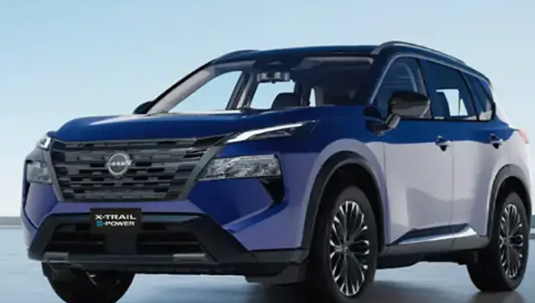
Choosing between the Nissan X-Trail and Mitsubishi Outlander is a little like deciding between two hiking boots designed for the same mountain. Both are spacious family SUVs, both offer electrified powertrains in many markets, both can be equipped for all-wheel-drive adventures, and both promise enough practicality to handle school runs, holidays, shopping trips, and muddy weekends.
Yet once we spend some time with their personalities, the similarities begin to fade.
The Nissan X-Trail tends to feel like the more road-focused, technology-driven family crossover. Its e-POWER system delivers an unusual electric-like driving experience without requiring us to plug the vehicle into a charger. The Mitsubishi Outlander, particularly in PHEV form, attacks electrification from another direction. Charge it regularly and it can complete many everyday journeys using electricity alone before its petrol engine becomes necessary.
So, which SUV deserves our money?
There isn't one universal winner. The better choice depends heavily on where we drive, whether we can charge at home, how often we need seven seats, and whether comfort, efficiency, technology, or all-wheel-drive capability sits highest on our shopping list.
Let's break it down.
Content in this publication
- Nissan X-Trail vs Mitsubishi Outlander at a Glance
- Design: Conservative Nissan or Bold Mitsubishi?
- Interior Quality and Cabin Design
- Passenger Space: Which One Is Better for Families?
- Boot Space and Everyday Practicality
- Nissan X-Trail e-POWER Explained
- Mitsubishi Outlander PHEV Explained
- Performance: Which SUV Feels Faster?
- Ride Comfort and Refinement
- Fuel Economy: X-Trail or Outlander?
- All-Wheel Drive and Bad-Weather Capability
- Towing: Nissan X-Trail vs Mitsubishi Outlander
- Technology and Infotainment
- Safety and Driver Assistance
- Reliability and Warranty Considerations
- Maintenance and Ownership Costs
- Nissan X-Trail Pros and Cons
- Mitsubishi Outlander Pros and Cons
- Which SUV Is Better for City Driving?
- Which Is Better for Long Road Trips?
- Which Is Better for a Family of Seven?
- Nissan X-Trail vs Mitsubishi Outlander: Which Should You Buy?
- Conclusion: Two Different Routes to the Same Destination
- Frequently Asked Questions
- 1. Is the Nissan X-Trail better than the Mitsubishi Outlander?
- 2. Which is more fuel-efficient, Nissan X-Trail or Mitsubishi Outlander?
- 3. Which has more space, Mitsubishi Outlander or Nissan X-Trail?
- 4. Is the Nissan X-Trail better for long-distance driving?
- 5. Is the Mitsubishi Outlander better for off-road driving?
Nissan X-Trail vs Mitsubishi Outlander at a Glance
Here is the simplest way to understand these SUVs before digging deeper.
| Category | Nissan X-Trail | Mitsubishi Outlander |
|---|---|---|
| Overall character | Refined family crossover | Larger, rugged-feeling family SUV |
| Electrification | e-POWER hybrid in many markets | PHEV is a major strength |
| Charging required | No for e-POWER | Yes to maximize PHEV efficiency |
| AWD technology | Available e-4ORCE | Available/standard S-AWC depending on market |
| Seating | Five or seven depending on version | Five or seven depending on market/version |
| Road manners | Smooth and easygoing | Solid, planted and substantial |
| Urban driving | Particularly strong | Strong when regularly charged |
| Long-distance use | Very convenient | Excellent, though PHEV advantage depends on charging |
| Best suited to | Drivers wanting hybrid convenience | Drivers wanting plug-in versatility |
The X-Trail's strongest argument is simplicity. We fill it with petrol and drive it much like an ordinary vehicle, while its e-POWER system uses the petrol engine primarily to generate electricity and its electric motor drives the wheels. The result is smoother and more EV-like than a conventional petrol SUV.
The Outlander's trump card is different. Its latest PHEV combines a 2.4-liter petrol engine with front and rear electric motors, while Mitsubishi's S-AWC system handles traction and stability. Current UK specifications advertise more than 300 bhp and an electric range of up to 53 miles, although figures and configurations vary by country.
Design: Conservative Nissan or Bold Mitsubishi?
Style will always be subjective, but these SUVs communicate surprisingly different messages.
The X-Trail looks sophisticated rather than aggressive. Nissan has given it enough rugged SUV cues to stop it looking like an oversized hatchback, yet its overall appearance remains relatively clean and urban-friendly.
The Outlander has considerably more visual muscle.
Its upright front end, broad body and stronger detailing create the impression that we're looking at something larger and tougher. Whether that appeals to us depends on what we want an SUV to say.
Want something that slips quietly into the office parking lot? The Nissan fits beautifully.
Want something with more road presence? The Mitsubishi has the edge.
The answer changes depending on trim level.
High-spec X-Trails can look genuinely sophisticated, particularly with larger wheels and Nissan's more elaborate lighting treatments. Inside, upper trims can also include premium upholstery and large digital displays.
The latest Outlander has moved considerably further upscale than older generations. The cabin design is broader, more horizontal and more substantial, making it feel closer to a traditional large SUV.
Neither is pretending to be a Range Rover, but the Outlander arguably creates the stronger first impression.
Interior Quality and Cabin Design
Family SUVs aren't purchased to sit outside the house looking handsome. We spend thousands of hours inside them, so cabin quality matters.
The X-Trail's interior takes a modern, technology-heavy approach. Current versions can offer a 12.3-inch digital instrument display, a 12.3-inch infotainment screen and a 10.8-inch head-up display, depending on specification.
That sounds like a wall of screens, but Nissan generally integrates the technology without making the dashboard feel like someone glued a tablet to every available surface.
Physical controls remain available for important functions, which we appreciate. Touchscreens look impressive in brochures; trying to change the temperature while bouncing down a rough road tells another story.
The Outlander takes a slightly different path. Its dashboard feels broad and substantial, and higher trim levels bring materials that make the SUV feel more expensive than older Outlanders ever did.
Nissan X-Trail Interior Strengths
The X-Trail excels at making everyday life easy. Visibility is good, storage solutions are sensible, the driving position feels natural, and the cabin strikes a useful balance between technology and traditional controls.
It's the kind of interior we understand within five minutes.
That matters more than it sounds.
A family vehicle should reduce friction, not create it. We shouldn't need a digital archaeology degree merely to turn on the heated seats.
Mitsubishi Outlander Interior Strengths
The Outlander counters with a more commanding atmosphere.
Its wider-looking dashboard, chunky design and substantial center console create a stronger SUV sensation. There is a sense of solidity here that drivers moving from an older conventional SUV may prefer.
The Mitsubishi also feels more focused on creating an upscale experience than previous generations.
Passenger Space: Which One Is Better for Families?
Both vehicles are genuinely family-oriented, but neither should be mistaken for a full-size seven-seat SUV.
The X-Trail measures about 4.69 meters long in current UK specification, with a 2.705-meter wheelbase. Nissan lists second-row legroom at 935 mm and makes five- and seven-seat configurations available depending on powertrain.
The latest UK Outlander PHEV is slightly larger at 4,720 mm long, 1,862 mm wide and 1,751 mm tall. Five- and seven-seat versions are available there.
That extra exterior size doesn't automatically mean every passenger gets dramatically more space, but the Mitsubishi does have a substantial presence.
Front-Seat Comfort
Both vehicles perform well here.
The X-Trail feels airy, and its seats suit longer trips nicely. Nissan has clearly designed the vehicle around families covering substantial distances rather than merely commuting across town.
The Outlander offers a similarly upright seating position but makes us feel slightly more enclosed by the vehicle. Some drivers will interpret that as secure and premium; others may prefer the Nissan's lighter atmosphere.
Neither gives us much to complain about.
Second-Row Space
This is where family SUV buyers should pay close attention.
Adults can sit comfortably in the second row of either vehicle, and both work well for children in bulky car seats.
The Nissan's rear doors are particularly useful for family access, while flexible seating makes it relatively easy to prioritize either passenger room or cargo space.
The Mitsubishi provides the broad, sturdy cabin we expect from its exterior dimensions. Families routinely carrying teenagers may especially appreciate its sense of width and overall space.
Third-Row Seats
Now we reach the small print behind that attractive phrase: "seven-seat SUV."
Third rows in vehicles of this size are typically occasional seats rather than luxurious accommodations.
They work beautifully when we suddenly need to take two extra children home from football practice. They are less convincing when we're planning a six-hour journey with seven adults.
Current X-Trail versions can provide seven seats, while Mitsubishi's latest UK-market Outlander PHEV also offers a seven-seat Nativa version.
For families needing seven proper seats every day, we'd consider stepping into a larger vehicle class.
For occasional use, either can work.
Boot Space and Everyday Practicality
Here's where the Nissan makes a strong case.
Current UK X-Trail specifications quote up to 575 liters of luggage capacity in five-seat form, with up to around 1,396 liters available with the seats folded depending on configuration. The seven-seat model offers less cargo capacity because of the additional seating hardware.
That makes the X-Trail genuinely useful for luggage, shopping, pushchairs and the mysterious mountain of objects that somehow appears every time we travel with children.
Mitsubishi cargo figures differ considerably by market and powertrain. Australian specifications for recent Outlander variants, for example, illustrate how dramatically capacity changes between five-seat and 5+2-seat configurations.
Which Is Better for Luggage?
For straightforward five-seat family use, the X-Trail is extremely competitive.
The Outlander remains practical, but PHEV hardware and optional third-row seating can complicate direct comparisons.
That's why we'd avoid choosing purely from one published liter figure. Manufacturers measure cargo areas differently across regions and versions.
Take your stroller, suitcase, golf bag or dog crate to the dealership.
It sounds ridiculous until that five-minute experiment prevents five years of frustration.
Nissan X-Trail e-POWER Explained
Nissan's e-POWER system is arguably the most interesting thing about the X-Trail.
Unlike many traditional hybrids, the petrol engine doesn't normally drive the wheels directly in the same conventional manner. Instead, it generates electricity, while the electric motor provides wheel propulsion.
That means acceleration feels immediate and relatively smooth.
The beauty is that we never need to plug it in.
There is no home charger to install, no cable to remember and no nightly charging routine. We simply refuel and keep moving.
For people who want some of the smoothness of an EV without changing their ownership habits, that is enormously appealing.
What Is Nissan e-4ORCE?
Choose an AWD X-Trail e-POWER and Nissan adds its e-4ORCE system.
Rather than thinking of AWD simply as mechanical hardware waiting for the tires to slip, e-4ORCE uses electric-motor control to manage torque quickly between the driven wheels.
The result isn't meant to transform the X-Trail into an extreme off-roader.
Instead, think of it as an invisible assistant continuously trying to keep acceleration, stability and traction tidy when roads become wet, snowy or uneven.
Mitsubishi Outlander PHEV Explained
The Outlander takes the plug-in route.
Its larger traction battery allows genuine electric-only driving for meaningful distances, assuming we charge it regularly.
The latest UK version combines a 2.4-liter petrol engine with electric motors at the front and rear. Mitsubishi quotes an electric range of up to 53 miles in current UK specification.
You may be interested in reading Nissan X-Trail vs Qashqai: Which Nissan SUV Is Better?
That can fundamentally change how we use the car.
Imagine commuting 20 miles each way and charging overnight. Large portions of the working week could potentially happen without the petrol engine doing much work.
Then Saturday arrives, we point the bonnet toward the countryside, and the petrol engine removes the range anxiety associated with a pure electric vehicle.
That's the PHEV argument in one paragraph.
The Catch With Plug-In Hybrids
There is one important condition.
We actually have to plug them in.
Drive a PHEV around for months without charging and we've effectively paid for a battery and electric hardware we're not exploiting properly.
A plug-in hybrid makes most sense when our lifestyle matches its design.
Home charging transforms the Outlander proposition. No reliable charging? The X-Trail's e-POWER system becomes far easier to justify.
Performance: Which SUV Feels Faster?
Neither vehicle exists primarily to embarrass sports cars at traffic lights, but both provide respectable performance.
Current UK X-Trail specifications list e-POWER and e-4ORCE variants with 0-100 km/h acceleration around the seven-to-eight-second region depending on configuration.
The latest UK Outlander PHEV is rated at more than 300 bhp and Mitsubishi quotes 0-62 mph in 7.9 seconds.
Numbers tell only part of the story.
The Nissan's electric-motor-driven character makes it feel responsive immediately after pressing the accelerator. Around town, that instant response matters more than headline horsepower.
The Mitsubishi feels stronger and more substantial. Its additional output is useful for overtaking and carrying a full load, although the Outlander is also a heavier machine.
Which Is More Fun to Drive?
Neither is a hot hatch wearing hiking boots.
Still, the X-Trail has a pleasantly natural character. Steering is light enough for town driving, body control is sensible, and e-POWER gives acceleration an appealing smoothness.
The Outlander feels planted and secure rather than playful.
We'd give the Nissan a slight edge for effortless everyday driving.
For slippery conditions and drivers who value a more robust, grounded sensation, the Mitsubishi fights back strongly.
Ride Comfort and Refinement
If we're buying a family SUV, ride quality should probably matter more than cornering heroics.
The X-Trail understands the assignment.
It generally aims for comfort, low-speed smoothness and quiet cruising. Because the wheels of the e-POWER version are electrically driven, the power delivery has a polished character that works particularly well in urban traffic.
The Outlander feels similarly refined when operating electrically.
Once its petrol engine becomes more involved, the experience naturally changes, although modern sound insulation keeps things civilized.
Which one would we choose for a four-hour motorway journey?
It would be close.
The Nissan feels slightly lighter on its feet.
The Mitsubishi feels more substantial.
Fuel Economy: X-Trail or Outlander?
This category needs context more than any other.
Official plug-in hybrid fuel-consumption figures can look almost magical because the test procedure assumes use of external electricity.
Mitsubishi currently quotes a WLTP weighted combined figure of 313 mpg for the UK Outlander PHEV. That number isn't a promise that every owner will travel hundreds of miles on a gallon of petrol. Real-world fuel use depends enormously on charging frequency, journey length, weather and driving style.
The X-Trail has no such charging variable.
Current UK e-POWER specifications quote roughly 5.7-6.1 L/100 km combined for certain front-wheel-drive versions, with e-4ORCE variants consuming somewhat more.
Which SUV Is Cheaper to Run?
If we charge at home every night and most journeys fall inside the Outlander's practical electric range, the Mitsubishi can be extremely attractive.
If our routine involves long motorway trips, street parking and no convenient charging, the Nissan begins to make considerably more sense.
So the question isn't simply, "Which vehicle has better economy?"
It's:
How do we actually drive?
That answer should determine our winner.
All-Wheel Drive and Bad-Weather Capability
Mitsubishi has decades of four-wheel-drive history, and the Outlander continues to lean into that identity.
Its S-AWC system manages traction and braking forces across the vehicle and provides multiple selectable driving modes. Current UK specifications mention seven modes designed for different surfaces and preferences.
The X-Trail's e-4ORCE system is also sophisticated and works beautifully on slippery roads.
Neither vehicle is intended to crawl over boulders alongside dedicated off-roaders such as a heavily modified Land Cruiser.
But for snow, wet roads, gravel, campsites and muddy access tracks?
Both are more than capable enough for most families.
Which One Would We Choose for Rough Conditions?
The Mitsubishi.
Not because the Nissan lacks traction, but because rugged all-weather capability sits closer to the Outlander's core personality.
For mostly paved driving with occasional poor-weather adventures, however, the X-Trail e-4ORCE is arguably the sweeter compromise.
Towing: Nissan X-Trail vs Mitsubishi Outlander
Towing ratings vary dramatically by engine, drivetrain, seating configuration and country, so always verify the exact vehicle identification and local specification before attaching a trailer.
As one reference, current UK X-Trail specifications list braked towing capacities of up to 1,800 kg for certain five-seat configurations, while seven-seat e-4ORCE versions can be rated lower.
Mitsubishi ratings vary by generation and region as well, with recent Australian Outlander specifications listing braked towing figures around 1,600 kg for relevant variants.
Anyone buying specifically for caravanning should compare the exact trim rather than simply the model names.
Technology and Infotainment
Modern family SUVs increasingly resemble rolling electronics stores.
The X-Trail makes technology one of its strongest selling points. Depending on trim, its combination of digital instrumentation, large central display, head-up display, navigation technology and ProPILOT driver assistance creates a genuinely modern environment.
The Outlander is hardly old-fashioned, though.
Its latest generation brings modern connectivity, digital displays and a stronger emphasis on premium convenience features.
Which Has the Better Infotainment System?
We'd lean toward the X-Trail.
Nissan's interface feels central to the entire vehicle experience rather than something added after the engineering was finished.
But technology preferences are personal.
A ten-minute dealership test can reveal more than ten hours reading specification sheets. Pair your phone, enter a destination, adjust the climate control and find the driver-assistance settings.
If those basic tasks annoy you during a test drive, imagine them after three years.
Safety and Driver Assistance
Both vehicles offer the sort of active safety technology expected in modern family SUVs.
Depending on specification, features may include adaptive cruise control, lane assistance, blind-spot monitoring, parking cameras, automatic emergency braking and traffic-sign recognition.
Nissan's ProPILOT Assist is particularly noteworthy because it combines steering and speed assistance to reduce workload during suitable journeys. Nissan also offers an Around View Monitor that creates a 360-degree parking perspective on equipped versions.
Mitsubishi similarly equips the Outlander with an extensive collection of safety and driver-assistance systems depending on market and trim.
Neither should be chosen solely because one brochure contains two more electronic acronyms.
The important question is how naturally those systems work in everyday traffic.
Reliability and Warranty Considerations
Long-term reliability is difficult to reduce to one universal winner because both model lines span multiple generations, engines and countries.
The Outlander's PHEV system has existed for years, giving Mitsubishi substantial experience with plug-in hybrid technology.
The latest UK Outlander PHEV also arrives with an eight-year or 100,000-mile warranty package, whichever comes first, providing considerable ownership reassurance for buyers in that market.
You may be interested in readingNissan X-Trail vs Qashqai: Which Nissan SUV Is Better?You may be interested in reading
Nissan X-Trail vs Mazda CX-5: Which SUV Is Better?Nissan's e-POWER technology is also increasingly established across the company's range.
When buying either vehicle used, we'd care more about service history, battery condition, accident history and maintenance quality than internet folklore about the badge.
A neglected "reliable" SUV can become expensive remarkably quickly.
Maintenance and Ownership Costs
The X-Trail's biggest ownership advantage is simplicity of use.
No charging infrastructure is required for e-POWER. There is still a petrol engine and hybrid hardware to maintain, but our daily routine doesn't change.
The Outlander PHEV asks slightly more from us.
Ideally, we need somewhere to charge. We may also want a home wallbox, and future battery condition becomes part of the used-car conversation.
Yet that additional complexity can pay us back through reduced petrol consumption when the vehicle is used exactly as intended.
This is why total ownership cost matters more than purchase price alone.
Insurance, servicing, fuel, electricity, tires, depreciation and financing all deserve consideration.
Nissan X-Trail Pros and Cons
The X-Trail's appeal lies in how few compromises it asks us to make.
Its strongest qualities are the smooth e-POWER experience, no requirement for external charging, spacious five-seat accommodation, optional seven-seat practicality, strong technology and easy urban manners.
Its weaknesses?
The third row is best treated as occasional accommodation, AWD versions can become expensive, and drivers who can charge cheaply every night may find a proper PHEV more economical for short-distance use.
Mitsubishi Outlander Pros and Cons
The Outlander feels more adventurous.
Its major strengths include meaningful electric-only capability in PHEV form, strong S-AWC traction, muscular styling, substantial cabin presence and excellent potential efficiency for owners who charge frequently.
The drawbacks come directly from those strengths.
A PHEV is heavier and more complex than a straightforward petrol SUV, and owners without regular charging may fail to extract its biggest advantage.
Which SUV Is Better for City Driving?
For city life, we'd choose the Nissan X-Trail e-POWER if home charging isn't available.
Its electric-motor propulsion feels natural in stop-start traffic, and we never need to think about plugging in.
But give us a driveway and inexpensive overnight charging and suddenly the Outlander becomes incredibly persuasive.
Repeated short journeys are exactly where plug-in hybrids shine.
The Mitsubishi could potentially complete much of a typical working week largely on electricity, depending on commute length and conditions.
Which Is Better for Long Road Trips?
The Nissan wins narrowly for pure convenience.
Fill the tank and go.
No need to plan charging around the PHEV battery, and its roomy cabin, practical boot and smooth power delivery make it an excellent long-distance family machine.
The Outlander is still a very capable road-trip vehicle because once its battery charge falls, the petrol engine keeps the journey moving.
If our adventures also include slippery tracks, ski resorts or poor-weather driving, its S-AWC system adds another layer of confidence.
Which Is Better for a Family of Seven?
Neither would be our first choice if seven adults travel together regularly.
These are 5+2-style family SUVs rather than luxury buses.
For two adults, three children and occasional extra passengers, however, they make considerably more sense.
The X-Trail offers an especially clever balance of exterior size and interior usability.
The Outlander counterattacks with greater overall road presence and, in some markets, a seven-seat PHEV configuration that combines family flexibility with plug-in driving.
Nissan X-Trail vs Mitsubishi Outlander: Which Should You Buy?
Here's our decision.
Choose the Nissan X-Trail if we value convenience, smooth everyday driving, useful interior space and hybrid efficiency without needing a charger.
It is arguably the easier SUV to recommend to the widest range of buyers.
Choose the Mitsubishi Outlander PHEV if we can charge regularly and want to exploit electric driving during the week while retaining petrol-powered flexibility for longer journeys.
It also makes a particularly strong case for drivers who value AWD capability and a more traditional rugged-SUV personality.
Best for Everyday Convenience: Nissan X-Trail
No charging cable. No lifestyle adjustment. No complicated routine.
Just get in and drive.
The X-Trail's e-POWER philosophy is refreshingly simple, and that simplicity may be its greatest luxury.
Best for Electrified Commuting: Mitsubishi Outlander PHEV
If our garage has a charger and our commute fits comfortably within the available electric range, the Outlander turns the tables.
Regular charging allows us to use the vehicle in the way Mitsubishi intended, potentially reducing petrol consumption dramatically on everyday journeys.
Best for Technology: Nissan X-Trail
The combination of large digital displays, available head-up technology, ProPILOT and Nissan's camera systems gives the X-Trail a particularly polished technology package.
Best for Rugged Character: Mitsubishi Outlander
The Outlander's S-AWC system, strong exterior presence and Mitsubishi's four-wheel-drive philosophy create the more adventurous personality.
Our Overall Winner
For most families, we'd give the Nissan X-Trail a narrow overall victory.
Why?
Because it asks less of its owner.
It is spacious, comfortable, technologically strong and electrified without requiring external charging. Its e-POWER system brings some of the smoothness we associate with EVs while preserving the convenience of a petrol vehicle.
But this isn't a knockout.
For someone with home charging, short daily journeys and a desire for genuine electric-only driving, the Mitsubishi Outlander PHEV could easily be the better purchase.
And that is what makes this comparison interesting.
The X-Trail is the easier answer.
The Outlander can be the smarter answer for the right lifestyle.
Conclusion: Two Different Routes to the Same Destination
The Nissan X-Trail vs Mitsubishi Outlander battle isn't simply Japanese SUV versus Japanese SUV.
It is really a comparison between two philosophies.
Nissan says: What if hybrid driving could feel electric without requiring us to plug in?
Mitsubishi says: What if most daily trips could actually be electric, while a petrol engine remained ready for longer adventures?
Both ideas make sense.
The Nissan X-Trail suits buyers who prioritize flexibility, simplicity, passenger comfort and an effortless transition into electrified driving. It behaves like an EV in some important ways without forcing us to plan our life around charging.
The Mitsubishi Outlander PHEV rewards a more engaged owner. Give it regular access to electricity and its combination of electric commuting, petrol-assisted long-distance ability and capable AWD becomes extremely compelling.
So, before signing the finance agreement, forget horsepower for a moment.
Look at your driveway.
Look at your commute.
Look at how many people actually travel with you.
Then choose the SUV that fits your real life rather than the one with the prettier specification sheet.
That's usually how we end up with the better car.
Frequently Asked Questions
1. Is the Nissan X-Trail better than the Mitsubishi Outlander?
For buyers who want a straightforward electrified SUV without plugging in, the Nissan X-Trail e-POWER is arguably the better all-round choice. The Mitsubishi Outlander PHEV can be superior for drivers who have reliable home charging and regularly complete short journeys on electricity. The ideal choice therefore depends more on driving habits than brand reputation.
2. Which is more fuel-efficient, Nissan X-Trail or Mitsubishi Outlander?
The Mitsubishi Outlander PHEV has the greater potential to minimize petrol consumption when it is charged frequently and driven largely within its electric range. The Nissan X-Trail e-POWER is more predictable because it doesn't depend on external charging. For drivers without home charging, the X-Trail may therefore be the more practical efficiency choice.
3. Which has more space, Mitsubishi Outlander or Nissan X-Trail?
Both provide spacious family cabins and can offer up to seven seats depending on market and configuration. The Outlander is physically larger in some current specifications, while the X-Trail provides competitive luggage capacity and particularly efficient packaging. Buyers needing maximum space should compare the exact five- or seven-seat trims available locally because cargo capacity changes significantly.
4. Is the Nissan X-Trail better for long-distance driving?
The X-Trail is particularly convenient for long-distance journeys because its e-POWER system requires no external charging. We simply refuel the vehicle like a conventional petrol SUV. The Outlander PHEV also handles long journeys easily, but its strongest efficiency advantage appears when its battery is regularly recharged.
You may be interested in readingNissan X-Trail vs Qashqai: Which Nissan SUV Is Better?You may be interested in reading
Nissan X-Trail vs Mazda CX-5: Which SUV Is Better?You may be interested in reading
Nissan X-Trail or Similar: Which SUV Should We Choose?5. Is the Mitsubishi Outlander better for off-road driving?
The Mitsubishi Outlander has the stronger rugged-driving identity thanks largely to its S-AWC system and Mitsubishi's long history with all-wheel-drive vehicles. The Nissan X-Trail e-4ORCE remains highly capable on snow, gravel, wet roads and light trails, however. Neither should be viewed as a dedicated extreme off-road vehicle.
If you want to know other articles similar to Nissan X-Trail vs Mitsubishi Outlander: Which Family SUV Is Better? you can visit the category Models.
Honda Passport vs Toyota 4Runner: Which SUV Is Better?
Honda Passport vs Ford Bronco: Which SUV Is Better?
Honda Passport vs Ford Explorer: Which SUV Is Better?
Honda Passport or Pilot: Which SUV Is Better?
Honda Passport vs Jeep Grand Cherokee: Which SUV Is Better?
Honda Passport vs Nissan Pathfinder: Which SUV Is Better?
Leave a Reply
More content of your interest