
Is Mazda CX-9 a Good Car? A Complete Owner-Focused Guide

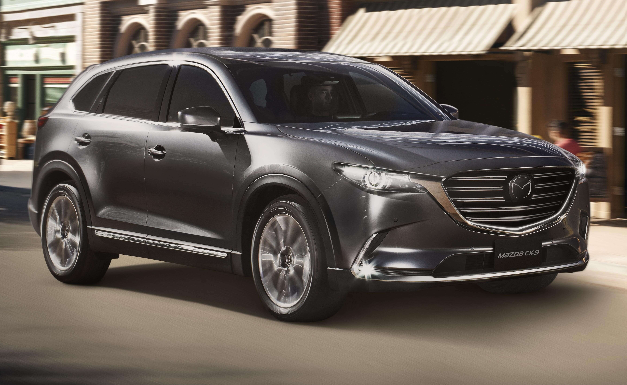
If you are shopping for a used three-row SUV, there is a good chance one question keeps popping up: is Mazda CX-9 a good car? On paper, the CX-9 has plenty going for it. It looks more expensive than many mainstream family SUVs, drives with surprising enthusiasm, offers a comfortable cabin, and manages to feel relatively compact from behind the wheel despite having three rows of seats.
But buying a vehicle is rarely as simple as looking at the glossy side of the brochure. We also need to think about reliability, maintenance costs, fuel economy, passenger space, cargo capacity, safety, resale value, and those annoying little problems that sometimes appear after years of ownership.
The Mazda CX-9 occupies an interesting position. It was designed as a practical family SUV but developed with a stronger emphasis on driving enjoyment than many of its rivals. Think of it as the family member who turns up to a barbecue wearing a tailored jacket: still practical enough for everyday life, but clearly trying a little harder.
So, does that approach actually work?
For many buyers, yes. The CX-9 can be an excellent used SUV, particularly if we value refinement and driving dynamics more than maximum cargo space. However, it is not necessarily the ideal choice for every large family.
Let's examine what makes the Mazda CX-9 worth considering—and where its compromises become noticeable.
Content in this publication
- Is the Mazda CX-9 Actually a Good Car?
- What Makes the Mazda CX-9 Different?
- How Good Is the Mazda CX-9 Engine?
- Is the Mazda CX-9 Reliable?
- Common Mazda CX-9 Problems to Consider
- How Comfortable Is the Mazda CX-9?
- Is the Mazda CX-9 Third Row Good?
- How Much Cargo Space Does the CX-9 Have?
- Is the Mazda CX-9 Fuel Efficient?
- Is the Mazda CX-9 Safe?
- How Does the CX-9 Drive Compared With Rivals?
- Is the Mazda CX-9 Expensive to Maintain?
- Is a Used Mazda CX-9 Worth Buying?
- Which Mazda CX-9 Should We Buy?
- Mazda CX-9 vs Toyota Highlander
- Mazda CX-9 vs Kia Telluride
- Mazda CX-9 vs Hyundai Palisade
- Mazda CX-9 vs Honda Pilot
- Who Should Buy a Mazda CX-9?
- Who Should Avoid the Mazda CX-9?
- Is the Mazda CX-9 Good for Long Road Trips?
- Does the Mazda CX-9 Hold Its Value?
- What Is the Biggest Weakness of the Mazda CX-9?
- What Is the Best Thing About the Mazda CX-9?
- So, Is Mazda CX-9 a Good Car Overall?
- Frequently Asked Questions About the Mazda CX-9
- Final Verdict
Is the Mazda CX-9 Actually a Good Car?
Yes, the Mazda CX-9 is generally a good three-row SUV, particularly for buyers looking for a combination of comfort, attractive styling, enjoyable handling, and an upscale interior.
Mazda took a slightly different approach compared with many manufacturers. Rather than making the CX-9 feel like a giant box on wheels, the company attempted to preserve some of the responsive driving characteristics associated with smaller Mazda vehicles.
That personality is one of the CX-9's strongest advantages.
We get responsive steering, controlled body movement, a comfortable driving position, and strong turbocharged performance in later models. At the same time, the cabin feels surprisingly premium for a vehicle sold by a mainstream manufacturer.
However, there are compromises.
The third row is relatively tight for adults, and cargo space behind that third row is not class-leading. Families prioritizing maximum passenger and luggage room may find competitors more practical.
Mazda CX-9 Pros and Cons at a Glance
Before diving deeper, let's summarize the major strengths and weaknesses.
| Category | Mazda CX-9 Assessment |
|---|---|
| Driving experience | Excellent for a three-row SUV |
| Interior quality | Very good |
| Engine performance | Strong |
| Reliability | Generally good with proper maintenance |
| Fuel economy | Reasonable but not exceptional |
| Third-row room | Limited |
| Cargo capacity | Below some major competitors |
| Safety | Strong |
| Styling | Premium and distinctive |
| Value as a used SUV | Very good |
In simple terms, the CX-9 sacrifices a little practicality in exchange for personality.
What Makes the Mazda CX-9 Different?
Most three-row SUVs concentrate heavily on one goal: carrying people.
The CX-9 tries to do more than that.
Mazda wanted it to remain enjoyable for the person actually sitting behind the steering wheel. That sounds obvious, but anyone who has driven a large family SUV knows how quickly some vehicles start feeling like refrigerators with steering wheels.
The CX-9 avoids much of that sensation.
It Feels Smaller Than It Really Is
One of the most appealing characteristics of the CX-9 is how manageable it feels on the road.
Steering is direct without feeling nervous, and the suspension keeps the body relatively composed through corners. We are not going to mistake it for a Mazda MX-5, obviously, but compared with many three-row SUVs, the CX-9 feels surprisingly eager.
That makes everyday driving less tiring.
Parking lots, city streets, winding roads, and highway ramps all feel manageable rather than intimidating.
Step inside a well-equipped CX-9 and we might wonder whether Mazda accidentally borrowed parts from a luxury SUV.
Materials are generally attractive, the dashboard layout is clean, and higher trims can include features such as leather upholstery, premium audio, heated and ventilated seating, and sophisticated interior finishes.
The overall design tends to age well because Mazda avoided covering the dashboard with unnecessary visual clutter.
Does It Feel Like a Luxury SUV?
Not completely.
Luxury vehicles usually provide more extensive sound insulation, technology, customization, and higher-grade materials in less obvious areas.
Still, the CX-9 often feels closer to premium territory than its badge suggests.
For buyers who want a sophisticated cabin without paying luxury-brand ownership costs, that can be a major attraction.
How Good Is the Mazda CX-9 Engine?
Later CX-9 models became known for Mazda's turbocharged four-cylinder engine.
Some buyers initially find that surprising. A large three-row SUV seems like the sort of vehicle that should have a V6 under the bonnet.
Yet the turbocharged engine works remarkably well in everyday conditions.
Instead of depending entirely on high-rpm horsepower, it produces strong torque relatively low in the rev range. That helps the CX-9 feel responsive when pulling away from traffic lights, merging onto highways, or climbing hills.
Does the CX-9 Feel Fast?
It feels quick enough rather than genuinely fast.
That distinction matters.
Nobody buys a CX-9 expecting sports-car acceleration, but the turbocharged engine generally provides enough muscle to prevent the SUV from feeling lethargic.
The strong low-end torque makes everyday acceleration particularly satisfying.
When we press the accelerator, the vehicle responds without requiring dramatic downshifts or excessive engine noise.
Is the Automatic Transmission Good?
Mazda paired the engine with a conventional automatic transmission rather than chasing extremely high gear counts or continuously variable transmissions.
In everyday driving, this approach generally suits the CX-9 well.
Gear changes tend to feel natural, and the transmission works effectively with the turbocharged engine's torque.
Some newer competitors may have more gears, but more gears do not automatically equal a better driving experience.
Sometimes simplicity works.
Is the Mazda CX-9 Reliable?
Reliability is probably one of the biggest concerns for anyone asking, "Is Mazda CX-9 a good car?"
Overall, the CX-9 can be a dependable vehicle, particularly when it has received consistent maintenance.
But reliability depends heavily on generation, model year, mileage, servicing history, and previous ownership.
A carefully maintained CX-9 with comprehensive service records can be a far safer purchase than a neglected example with lower mileage.
How Long Can a Mazda CX-9 Last?
A well-maintained CX-9 can potentially cover high mileage, but there is no magic number at which every vehicle suddenly becomes unreliable.
Longevity depends on factors including:
- Engine oil changes
- Cooling-system maintenance
- Transmission servicing
- Driving conditions
- Climate
- Previous accident damage
- Quality of repairs
- Owner driving habits
Regular maintenance is the boring answer—but boring answers are often the expensive ones to ignore.
An SUV that has received timely oil changes and proper servicing will usually stand a much better chance of reaching high mileage than one treated as though maintenance were optional.
Older CX-9 vs Newer CX-9 Reliability
It is useful to separate the two main eras of the CX-9.
Earlier first-generation vehicles used very different mechanical components from the later second-generation CX-9.
The second generation introduced Mazda's newer design philosophy, turbocharged powertrain, improved cabin, and more advanced technology.
Because the engineering differs substantially, we should research problems by specific model year, rather than assuming every CX-9 shares identical reliability characteristics.
Common Mazda CX-9 Problems to Consider
No vehicle is problem-free, and the CX-9 is no exception.
Potential issues can vary significantly depending on model year, so a pre-purchase inspection remains essential when buying used.
Cooling-System and Engine Concerns
Certain CX-9 model years have attracted attention from owners regarding cooling-system or engine-related concerns.
This does not mean every CX-9 will experience a major failure. However, it does mean buyers should investigate the service history carefully.
Look underneath the vehicle and around the engine bay for signs of coolant leakage. Check coolant levels when the engine is cold, and investigate unexplained coolant loss.
Never dismiss repeated coolant loss as something that simply happens.
It does not.
Warning Signs Worth Investigating
Potential red flags can include:
- Falling coolant levels
- Sweet-smelling coolant odor
- Visible leaks
- Engine overheating
- Temperature fluctuations
- Warning lights
- White exhaust smoke under abnormal conditions
- Oil or coolant contamination
If any of these symptoms appear, proper diagnosis matters far more than guessing.
Infotainment Issues
Like many modern vehicles, some CX-9 owners may encounter occasional infotainment glitches as the vehicle ages.
These can include slow operation, connectivity problems, software behavior, or display-related issues.
They are usually more annoying than catastrophic, but electronics should still be tested thoroughly before purchasing.
Connect your phone. Test Bluetooth. Try the navigation system if equipped. Check every camera.
A ten-minute technology inspection can reveal problems that a five-minute test drive will not.
How Comfortable Is the Mazda CX-9?
Comfort is another area where the CX-9 performs well.
The suspension manages to combine relatively controlled handling with enough compliance to make long trips comfortable.
You may be interested in reading How Long Does a Mazda CX-9 Last? Mileage, Lifespan, and Reliability Explained
That balance is difficult to achieve.
Make the suspension too soft and the SUV starts floating around corners. Make it too firm and every pothole becomes an unwanted conversation between the road and your spine.
Mazda lands somewhere in the middle.
Front-Seat Comfort
Front seats generally provide a supportive driving position with sensible controls and good visibility.
Drivers who spend long periods behind the wheel are likely to appreciate the seating position and relatively car-like ergonomics.
Higher trims add additional comfort equipment, making the CX-9 especially appealing for highway travel.
Second-Row Comfort
The second row is considerably more accommodating than the third.
Depending on configuration and trim, seating layouts may vary, but adults should generally find the middle row comfortable enough for longer journeys.
Families with two children may barely use the third row at all, which makes the CX-9 much easier to recommend.
Is the Mazda CX-9 Third Row Good?
Here we find one of the CX-9's biggest weaknesses.
Technically, yes, it has three rows.
Practically, the final row works best for children or occasional shorter journeys.
Can Adults Fit in the Third Row?
Adults can fit, but whether they will enjoy being there is another question.
Legroom and overall space are more restrictive than in some larger competitors.
For occasional trips, it is manageable.
For transporting seven adults every weekend?
We would probably look elsewhere.
Vehicles designed with maximum family practicality in mind tend to make better use of their exterior dimensions.
Who Is the CX-9 Best Suited To?
The CX-9 works particularly well for families who primarily need five seats but occasionally want the flexibility of six or seven.
That distinction is important.
If the third row is emergency seating, the CX-9 makes sense.
If the third row will be occupied daily, its limitations become harder to overlook.
How Much Cargo Space Does the CX-9 Have?
Cargo capacity follows a similar story.
With the third row folded, the CX-9 becomes considerably more useful.
With all seats upright, however, luggage room is relatively limited compared with some larger three-row SUVs.
Picture a family airport run.
Seven passengers plus seven large suitcases?
That may require some creative packing.
Is It Practical Enough for a Family?
For many families, absolutely.
We just need realistic expectations.
The CX-9 handles groceries, school bags, sports equipment, strollers, and normal daily cargo reasonably well.
Owners who frequently combine a full passenger load with large amounts of luggage may prefer a more spacious alternative.
Is the Mazda CX-9 Fuel Efficient?
Fuel economy is acceptable for a reasonably powerful three-row petrol SUV, but nobody should buy a CX-9 expecting economy-car fuel bills.
Vehicle weight, turbocharged performance, all-wheel-drive systems, driving style, terrain, and traffic all influence real-world consumption.
Fuel recommendations can vary depending on model year and market, while engine performance may also differ according to fuel octane.
Owners should follow the fuel requirements listed in their vehicle's manual and fuel-filler information.
This is especially important when buying a used CX-9 imported from another region, because specifications are not necessarily identical worldwide.
Is the Mazda CX-9 Safe?
Safety has historically been an important part of the CX-9's appeal.
Later models offer a broad selection of driver-assistance technology, depending on trim and year.
Potential equipment includes systems designed to assist with emergency braking, lane monitoring, blind-spot awareness, rear cross-traffic detection, and adaptive cruising.
Driver Assistance Makes Daily Driving Easier
Safety systems are not substitutes for attentive driving, but good systems can reduce stress.
Blind-spot monitoring is particularly useful in a three-row SUV, while rear cross-traffic alerts can help when reversing out of busy parking spaces.
Adaptive cruise control can also make longer highway journeys noticeably more relaxing.
As always, buyers should verify exactly which features are fitted to the specific CX-9 they are considering.
How Does the CX-9 Drive Compared With Rivals?
This is arguably the CX-9's strongest area.
Many competitors are perfectly competent. They accelerate, stop, turn, and transport families without complaint.
The Mazda simply adds a little more polish.
Steering and Handling
Steering feels relatively precise, and the vehicle responds naturally to driver inputs.
Body roll is reasonably controlled for a vehicle of this size.
We are still driving a three-row crossover, not attacking a race circuit, but there is a noticeable sense of connection that is missing from some rivals.
Ride Quality
Ride quality generally remains comfortable despite the CX-9's handling focus.
Larger wheels can make road imperfections more noticeable, as they do on most vehicles, but the overall suspension tuning provides a convincing balance between comfort and control.
That balance is one reason owners often enjoy the CX-9 even after the novelty of buying a new vehicle disappears.
Is the Mazda CX-9 Expensive to Maintain?
Maintenance costs typically sit within the territory expected from a mainstream midsize or large SUV.
It should generally cost less to own than an equivalent luxury-brand SUV, although turbocharged engines and larger vehicles naturally involve more components, fluids, tires, and potential expenses than small economy cars.
Routine Maintenance Matters
Key maintenance areas include:
- Engine oil and filter changes
- Brake inspections
- Tire rotations and replacement
- Coolant checks
- Battery inspection
- Suspension components
- Transmission maintenance where applicable
- Spark plugs at the recommended interval
- Air and cabin filters
The cheapest maintenance strategy is usually preventative maintenance.
Skipping a service to save a small amount today can turn into an expensive repair tomorrow.
Tires Can Be an Overlooked Expense
Larger SUVs often use sizeable tires, particularly on upper trims.
Quality replacement tires can therefore be expensive.
When buying used, check tread depth and tire age rather than looking only at the purchase price.
Four worn premium-size tires can instantly turn a "great deal" into a less exciting one.
Is a Used Mazda CX-9 Worth Buying?
This may be where the CX-9 becomes most attractive.
Depreciation can make a well-maintained used CX-9 compelling compared with both newer mainstream SUVs and older luxury vehicles.
We get sophisticated styling, strong performance, quality materials, and three-row flexibility without necessarily paying premium-brand money.
What Should We Check Before Buying One?
A proper inspection should include both paperwork and physical condition.
Pay particular attention to:
- Complete maintenance history
- Engine oil-change records
- Cooling-system condition
- Transmission behavior
- Suspension noises
- Tire wear
- Brake condition
- Infotainment operation
- Air-conditioning performance
- Warning lights
- Previous accident repairs
- Outstanding recalls or campaigns applicable to the vehicle
A professional pre-purchase inspection is especially valuable.
Spending a little before buying can potentially save thousands afterward.
Which Mazda CX-9 Should We Buy?
The ideal version depends on our budget and priorities.
Lower trims can provide strong value because the basic CX-9 driving experience remains largely intact.
You may be interested in readingHow Long Does a Mazda CX-9 Last? Mileage, Lifespan, and Reliability ExplainedYou may be interested in reading
 BMW M2 Insurance Cost: What Should You Expect to Pay?
Higher trims make more sense for buyers attracted to the vehicle's near-premium personality.
Is AWD Worth It?
All-wheel drive can be worthwhile in regions with snow, frequent rain, steep roads, gravel surfaces, or other challenging conditions.
For drivers living in mild climates and spending most of their time on paved roads, front-wheel drive—where offered—may provide everything necessary.
AWD improves traction, but it does not turn the CX-9 into a serious off-road vehicle.
That is an important distinction.
Mazda CX-9 vs Toyota Highlander
The Toyota Highlander is one of the most obvious alternatives.
The Highlander's biggest advantages often revolve around practicality, broad market acceptance, and certain efficient powertrain options depending on generation and region.
The CX-9 fights back with more engaging handling and arguably more distinctive styling.
We might summarize the choice this way:
Choose the Highlander when practicality and efficiency dominate the decision. Choose the CX-9 when driving feel and interior character matter more.
Mazda CX-9 vs Kia Telluride
The Kia Telluride puts enormous emphasis on family usability.
Its boxier dimensions help create generous passenger and cargo space.
The CX-9 feels sportier and more intimate by comparison.
Large families frequently using every seat may prefer the Telluride.
Smaller families wanting a more driver-focused SUV may gravitate toward the Mazda.
Mazda CX-9 vs Hyundai Palisade
The Hyundai Palisade shares many of the Telluride's practical strengths.
It offers a spacious cabin and family-friendly design.
Again, the CX-9 sacrifices some interior volume in exchange for a more athletic personality.
Neither philosophy is objectively better.
It depends on what we actually need.
Mazda CX-9 vs Honda Pilot
The Honda Pilot has traditionally been another strong family-focused alternative.
Its priority is practical transportation.
The CX-9 feels more stylish and driver-oriented, while the Pilot can make greater sense when passenger and cargo flexibility rank above handling.
Imagine choosing between a comfortable hiking boot and a stylish walking shoe.
Both can get us where we are going—the priorities are simply different.
Who Should Buy a Mazda CX-9?
The CX-9 makes the most sense for buyers who:
- Need occasional three-row seating
- Enjoy driving
- Appreciate upscale interior design
- Want strong turbocharged performance
- Prefer a mainstream brand over a luxury badge
- Do not need maximum cargo capacity
- Want a stylish used family SUV
It is especially attractive for households with four or five regular occupants who occasionally carry additional passengers.
Who Should Avoid the Mazda CX-9?
We might consider something else if:
- Seven adults regularly travel together
- Maximum cargo volume is essential
- We frequently tow heavy loads
- Fuel economy is our number-one priority
- We want genuine off-road capability
- We need an exceptionally spacious third row
The CX-9 is versatile, but it cannot escape physics.
A sleek exterior and driver-focused proportions inevitably create compromises somewhere, and interior volume is where Mazda pays the bill.
Is the Mazda CX-9 Good for Long Road Trips?
Yes, and this is arguably one of its best uses.
Comfortable front seats, composed highway manners, good engine torque, available driver-assistance features, and a refined cabin make the CX-9 well suited to long journeys.
Fold the third row and luggage space becomes significantly more useful.
For a family of four or five heading away for a weekend, the CX-9 can be an excellent companion.
Highway Driving Is Where It Shines
The turbocharged engine does not need to work excessively hard for ordinary overtaking, while the stable chassis gives the CX-9 a reassuring feeling at highway speeds.
Long-distance driving exposes poor seats, noisy cabins, and nervous steering very quickly.
The CX-9 generally performs well in these areas.
Does the Mazda CX-9 Hold Its Value?
Resale value depends heavily on location, age, mileage, trim, condition, and the broader used-car market.
Mazda has developed a strong reputation among buyers looking for alternatives to some of the most obvious Japanese brands.
However, the CX-9's discontinuation and replacement by newer Mazda SUV models may influence how individual markets value it over time.
For used buyers, depreciation can actually work in our favor.
A CX-9 that has already experienced its steepest depreciation may deliver a great deal of vehicle for the money.
What Is the Biggest Weakness of the Mazda CX-9?
If we had to choose one, it would be interior packaging.
The CX-9 looks elegant because Mazda avoided turning it into a giant square box.
Unfortunately, square boxes happen to be excellent at carrying people and luggage.
That is the trade-off.
Its third row and cargo area are simply not as generous as those in certain competitors.
Whether this matters depends entirely on our lifestyle.
For a family of four, the weakness may barely register.
For a family of seven, it could define the ownership experience.
What Is the Best Thing About the Mazda CX-9?
Its ability to combine family practicality with genuine personality.
Three-row SUVs often feel like appliances.
The CX-9 feels designed.
The steering has character. The cabin looks intentional. The engine delivers useful torque. The exterior remains handsome even as models age.
None of those things will appear in a spreadsheet comparing cargo dimensions, but they matter when we live with a vehicle every day.
So, Is Mazda CX-9 a Good Car Overall?
Yes—the Mazda CX-9 is a good car and, for the right buyer, potentially an excellent one.
It offers one of the more enjoyable driving experiences available in a mainstream three-row SUV while providing a refined interior, strong turbocharged performance, attractive styling, useful safety technology, and enough practicality for many families.
Its biggest limitations are straightforward: the third row is relatively tight, cargo space is not class-leading, and some model years deserve careful investigation for specific mechanical concerns.
That means the CX-9 works best when we view it as a sophisticated five-seat SUV with two occasional extra seats rather than as a full-time seven-person people carrier.
Buy carefully, examine the service history, research the particular year you are considering, and arrange a professional inspection.
Find a well-maintained example and the Mazda CX-9 can deliver something increasingly rare: a sensible family vehicle that does not feel boring.
Frequently Asked Questions About the Mazda CX-9
1. Is the Mazda CX-9 reliable?
The Mazda CX-9 can be reliable when properly maintained, although reliability varies by model year and vehicle history. Before buying a used example, we recommend checking maintenance records, researching year-specific issues, checking for applicable recalls, and arranging a professional inspection.
2. Is a Mazda CX-9 expensive to maintain?
Maintenance expenses are generally comparable with those of other mainstream three-row SUVs. Costs can increase as the vehicle ages because items such as tires, brakes, suspension components, batteries, and turbocharged-engine related components eventually require attention. Consistent preventative maintenance is particularly important.
3. Is the Mazda CX-9 good for a family?
Yes, especially for families with four or five regular occupants. The second row is comfortable and the third row provides useful occasional seating. However, families regularly transporting six or seven people may find larger competitors more practical.
4. How many miles can a Mazda CX-9 last?
There is no guaranteed mileage limit. A properly maintained CX-9 can potentially achieve high mileage, but long-term durability depends on servicing, driving conditions, previous ownership, climate, accident history, and mechanical condition. Service history is usually more useful than mileage alone when evaluating a used vehicle.
5. Is a used Mazda CX-9 worth buying?
Yes, a used CX-9 can offer excellent value. Its combination of premium-feeling interior quality, enjoyable handling, strong performance, three-row flexibility, and attractive styling can make it particularly appealing after depreciation. We would prioritize a well-maintained vehicle with comprehensive records over simply choosing the cheapest example available.
Final Verdict
The answer to "is Mazda CX-9 a good car?" is a convincing yes—with a few qualifications.
The CX-9 is not the biggest three-row SUV, the most economical option, or the ultimate seven-passenger people mover. Instead, it occupies a more interesting middle ground.
It gives us much of the versatility families expect from a large crossover while retaining the responsive, polished character Mazda is known for.
For buyers who regularly carry four or five people, enjoy driving, appreciate an upscale cabin, and only occasionally need the third row, the CX-9 is particularly easy to recommend.
Its personality is ultimately what separates it from the crowd. There are more spacious SUVs. There are more rugged SUVs. There are more efficient SUVs.
You may be interested in readingHow Long Does a Mazda CX-9 Last? Mileage, Lifespan, and Reliability ExplainedYou may be interested in reading
BMW M2 Insurance Cost: What Should You Expect to Pay?You may be interested in reading
BMW M2 Depreciation: How Well Does the M2 Hold Its Value?But relatively few family SUVs manage to make the school run feel even slightly entertaining.
The CX-9 does.
If you want to know other articles similar to Is Mazda CX-9 a Good Car? A Complete Owner-Focused Guide you can visit the category Blog.
How to Charge Leapmotor C10: Complete Charging Guide
Is Leapmotor C10 a Good Car? Full Review and Buyer’s Guide
BMW M2 Depreciation: How Well Does the M2 Hold Its Value?
BMW M2 Insurance Cost: What Should You Expect to Pay?
How Long Does a Mazda CX-9 Last? Mileage, Lifespan, and Reliability Explained
Subaru XV Reliability: How Dependable Is This Compact SUV?
Leave a Reply
More content of your interest