
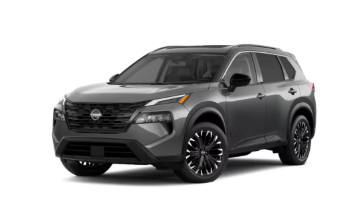
Nissan Rogue Warning Lights: Meanings, Causes, and What to Do

You are driving your Nissan Rogue, everything feels normal, and then—without warning—a mysterious symbol lights up on the dashboard. Maybe it is red. Maybe it is yellow. Maybe it looks like an engine, a tire, a steering wheel, or something that belongs on a spaceship rather than inside a family SUV.
So, what does it mean?
Understanding Nissan Rogue warning lights can save us from unnecessary panic, expensive repairs, and, more importantly, unsafe driving. Some dashboard lights simply remind us that a system is active. Others are essentially the vehicle waving a red flag and telling us, “We need to stop and check this now.”
Modern Nissan Rogue models have numerous sensors and electronic systems constantly monitoring the engine, brakes, tires, safety equipment, emissions system, driver-assistance technology, and more. When something falls outside the expected range, the Rogue often tells us through its dashboard.
In this guide, we will break down the most important Nissan Rogue dashboard warning lights, what their colors mean, what commonly triggers them, and what we should do when one appears.
Content in this publication
- Understanding Nissan Rogue Warning Light Colors
- Nissan Rogue Warning Lights at a Glance
- Check Engine Light on a Nissan Rogue
- Nissan Rogue Oil Pressure Warning Light
- Nissan Rogue Battery Warning Light
- Nissan Rogue Brake Warning Light
- Nissan Rogue ABS Warning Light
- Nissan Rogue Tire Pressure Warning Light
- Nissan Rogue Airbag Warning Light
- Nissan Rogue Power Steering Warning Light
- Nissan Rogue Master Warning Light
- Nissan Rogue Slip Indicator and VDC Warning Light
- Nissan Rogue Forward Collision Warning Lights
- Nissan Rogue Lane Departure Warning
- Nissan Rogue Blind Spot Warning Light
- Nissan Rogue Low Fuel Warning
- Nissan Rogue Seat Belt Warning Light
- Nissan Rogue Door and Liftgate Warnings
- Nissan Rogue Key Warning Light
- Nissan Rogue Automatic Emergency Braking Warning
- Multiple Nissan Rogue Warning Lights at Once
- Can a Weak Battery Cause Nissan Rogue Warning Lights?
- Why Nissan Rogue Warning Lights Appear After Replacing a Battery
- Can We Reset Nissan Rogue Warning Lights Ourselves?
- How to Diagnose Nissan Rogue Warning Lights
- Which Nissan Rogue Warning Lights Mean Stop Driving?
- When Is It Usually Safe to Continue Carefully?
- Nissan Rogue Warning Lights by Model Year
- How to Prevent Warning Lights From Becoming Bigger Problems
- Are Nissan Rogue Warning Lights Expensive to Fix?
- Common Mistakes Rogue Owners Make With Dashboard Lights
- A Simple Nissan Rogue Warning Light Action Plan
- Conclusion: Don't Let Nissan Rogue Warning Lights Intimidate You
- Frequently Asked Questions About Nissan Rogue Warning Lights
- 1. What does the triangle with an exclamation point mean on a Nissan Rogue?
- 2. Can I drive my Nissan Rogue with the check engine light on?
- 3. Why did several warning lights come on in my Nissan Rogue at the same time?
- 4. Why is my Nissan Rogue tire pressure light on when the tires look fine?
- 5. How do I reset Nissan Rogue dashboard warning lights?
Understanding Nissan Rogue Warning Light Colors
Before worrying about individual symbols, we should understand something surprisingly useful: color matters.
Think of the dashboard like a traffic light. Nissan uses colors to help communicate urgency.
Red Nissan Rogue Warning Lights
A red warning light generally deserves immediate attention.
It may indicate a problem involving:
- Engine oil pressure
- Braking system
- Charging system
- Airbags
- Seat belts
- Power steering
- Parking brake
- Another safety-critical system
Not every red symbol means catastrophic mechanical failure. A red seat-belt indicator, for example, can simply mean someone has not buckled up.
But if a red light appears unexpectedly while driving—especially the oil, brake, or battery warning—we should not casually ignore it.
Yellow or Amber Warning Lights
Yellow warning lights usually mean something requires investigation but may not require us to pull over immediately.
Common examples include:
- Check engine light
- ABS warning
- Tire pressure warning
- Vehicle Dynamic Control warning
- Driver-assistance warnings
- Master warning light
Think of yellow as the car saying, “Something isn't quite right. Pay attention.”
Green, Blue, and White Indicator Lights
These colors are usually informational rather than warnings.
They may indicate that systems such as the following are operating:
- Headlights
- High beams
- Turn signals
- Auto Hold
- Cruise control
- Driver-assistance technology
In other words, seeing a dashboard symbol does not automatically mean something has broken.
Nissan Rogue Warning Lights at a Glance
Here is a practical overview of some of the symbols Rogue drivers commonly encounter.
| Warning Light | Typical Meaning | General Urgency |
|---|---|---|
| Check Engine | Engine/emissions fault | Medium to High |
| Oil Pressure | Low engine oil pressure | Very High |
| Battery | Charging system problem | High |
| Brake | Parking brake/braking fault | High |
| ABS | Anti-lock brake system fault | Medium |
| Tire Pressure | Low tire pressure/TPMS issue | Medium |
| Airbag | Supplemental restraint system fault | High |
| Power Steering | Steering assistance fault | High |
| Master Warning | Vehicle has an alert/message | Varies |
| VDC/Slip | Traction/stability system activity or fault | Low to Medium |
| Seat Belt | Occupant not buckled | Immediate safety reminder |
| Forward Collision | Driver-assistance system alert/fault | Varies |
Exact symbols and available systems differ between Rogue generations, trims, markets, and model years. When in doubt, the owner's manual for our exact Rogue should always be the final reference.
Check Engine Light on a Nissan Rogue
Perhaps no dashboard symbol causes more anxiety than the little yellow engine-shaped icon.
The Nissan Rogue check engine light is connected to the vehicle's onboard diagnostic system. It can illuminate when the engine-management or emissions system detects something outside its expected parameters.
What Causes a Nissan Rogue Check Engine Light?
Possible causes range from minor to serious.
They may include:
- Loose or damaged fuel cap on applicable models
- Oxygen sensor problems
- Misfires
- Fuel-system faults
- Air-intake issues
- Emissions-system problems
- Sensor failures
- Turbocharger-related faults on applicable engines
- Electrical problems
- Engine-management issues
That enormous range is why guessing from the dashboard light alone is difficult.
Solid vs Flashing Check Engine Light
This distinction matters.
A solid check engine light usually indicates a fault that should be diagnosed soon.
A flashing check engine light can indicate a more severe condition, commonly associated with an active misfire that could damage emissions components.
If the light flashes and the Rogue is shaking, losing power, smelling unusual, or running badly, continuing to drive is not a clever gamble.
The dashboard is basically shouting rather than whispering.
Nissan Rogue Oil Pressure Warning Light
The red oil-can symbol is one of the lights we should take very seriously.
It normally indicates low engine oil pressure, not simply that an oil change is due.
Those are two very different things.
What Should We Do If the Oil Light Comes On?
If the oil-pressure warning remains illuminated while the engine is running:
- Move somewhere safe.
- Stop the engine.
- Check the engine oil level when it is safe and appropriate.
- Do not assume adding oil will automatically solve the problem.
- Have the cause diagnosed if the warning remains.
Low pressure can result from low oil level, but it may also involve the lubrication system itself.
Continuing to run an engine without adequate oil pressure is like asking someone to sprint without blood circulating properly. Things can deteriorate frighteningly fast.
Oil Pressure Light vs Oil Maintenance Reminder
We should also distinguish the red oil-pressure light from an oil-change or maintenance reminder.
A maintenance reminder means scheduled service is approaching or due.
An oil-pressure warning indicates a potentially immediate lubrication problem.
One can wait for a convenient service appointment. The other may require shutting the engine down.
Nissan Rogue Battery Warning Light
When the battery-shaped icon illuminates while driving, many people assume the battery itself is dead.
Not necessarily.
The Nissan Rogue battery warning light generally indicates that the vehicle's charging system is not operating normally.
Possible causes can include:
- Weak or failing alternator
- Charging-system fault
- Loose electrical connection
- Damaged wiring
- Drive-belt problem where applicable
- Battery-related electrical problems
Can We Keep Driving With the Battery Light On?
The engine may continue running for a while because stored battery power is keeping electrical systems alive.
But that reserve is finite.
Once voltage falls far enough, different electrical systems may begin shutting down and eventually the engine can stop.
If the battery warning appears while driving, unnecessary electrical accessories should be minimized and the charging system should be inspected promptly.
Nissan Rogue Brake Warning Light
A brake warning deserves our attention because stopping safely is slightly more important than reaching Starbucks five minutes earlier.
The red brake indicator can have more than one meaning.
It may relate to:
- Parking brake engagement
- Low brake-fluid level
- A braking-system problem
First Check the Parking Brake
Sometimes the explanation is wonderfully boring: the parking brake has not been fully released.
If the light remains on after the parking brake is released, however, the situation changes.
A persistent brake warning could indicate a condition requiring immediate inspection.
Brake Light and ABS Light Together
If both the brake warning light and ABS warning light illuminate, additional caution is warranted because there may be an issue affecting the braking or anti-lock braking system.
Nissan's Rogue documentation specifically treats this combination as something requiring brake-system inspection.
Nissan Rogue ABS Warning Light
ABS stands for Anti-lock Braking System.
Its job is to help prevent the wheels from locking under heavy braking, helping us retain steering control.
If the ABS warning stays illuminated, the basic braking system may still operate, but the anti-lock function may not work normally.
What Causes the ABS Light?
Possible triggers include:
- Wheel-speed sensor problems
- Wiring faults
- ABS control-system problems
- Sensor contamination or damage
- Electrical issues
- Related brake-system faults
We should avoid treating ABS warnings as purely cosmetic. The vehicle may behave differently during emergency braking or on slippery surfaces.
Nissan Rogue Tire Pressure Warning Light
The yellow horseshoe-shaped symbol containing an exclamation point represents the Tire Pressure Monitoring System, or TPMS.
This is one of the most frequently encountered Nissan Rogue warning lights.
Why Does the Tire Pressure Light Come On?
Usually one or more tires have fallen below the recommended inflation pressure.
Common reasons include:
- Natural air loss
- Temperature changes
- Slow puncture
- Nail or screw in the tire
- Damaged valve stem
- TPMS sensor issue
Cold weather is a particularly common culprit because tire pressure decreases as temperatures fall.
What Should We Do?
Check all tires when they are cold and inflate them according to the pressure specified on the vehicle's tire-information label—not according to the maximum pressure molded into the tire sidewall.
That distinction matters.
What If the TPMS Light Flashes First?
A light that flashes for a period and then stays on can indicate a malfunction within the monitoring system rather than merely low tire pressure.
The tires should still be checked manually because a malfunctioning TPMS cannot reliably protect us from an underinflated tire.
Nissan Rogue Airbag Warning Light
The airbag warning symbol represents the Supplemental Restraint System.
If it stays illuminated or behaves abnormally after startup, there may be a problem involving the airbags, sensors, seat-belt pretensioners, wiring, or related components.
Why Should We Take the Airbag Light Seriously?
Because an airbag system fault could potentially affect deployment during a collision.
The vehicle may drive perfectly normally. The engine may sound fantastic. Fuel economy may remain unchanged.
That does not make the warning irrelevant.
Safety systems are often invisible until the exact moment we desperately need them.
Nissan Rogue Power Steering Warning Light
Modern Rogues use electrically assisted steering systems.
A steering-wheel warning symbol can indicate a fault affecting power steering assistance.
If assistance is reduced or lost, steering may become significantly heavier.
What If Steering Suddenly Feels Heavy?
We should:
- Reduce speed safely
- Avoid abrupt maneuvers
- Move out of traffic if necessary
- Restart the vehicle only if conditions allow
- Seek diagnosis if the warning remains
A steering warning paired with obviously abnormal steering behavior deserves immediate attention.
Nissan Rogue Master Warning Light
The master warning light often appears as a triangle containing an exclamation point.
It is essentially an umbrella warning.
Rather than identifying one specific component, it tells us the Rogue has detected something requiring our attention.
Check the Vehicle Information Display
This is crucial.
When the master warning light appears, look at the dashboard's vehicle information display for the accompanying message.
Depending on the model and situation, the message may concern things such as:
- Door or liftgate status
- Driver-assistance systems
- Key detection
- Fuel level
- Vehicle settings
- System malfunction
- Maintenance notifications
- Other operating conditions
The triangle alone rarely tells the complete story.
Nissan Rogue Slip Indicator and VDC Warning Light
Nissan's Vehicle Dynamic Control system helps manage wheel slip and vehicle stability.
You may see a car-with-skid-marks symbol.
When Flashing Is Normal
If the light flashes briefly while accelerating on snow, rain, gravel, or another slippery surface, the system may simply be working.
It is basically saying, “I noticed that wheel starting to slip, so I stepped in.”
That is normal.
When a Constant Light May Mean Trouble
A light that stays illuminated may indicate:
- The stability system has been turned off
- A system fault exists
- Another related vehicle system is affecting VDC operation
If the symbol remains on unexpectedly, check for other warnings and have the system inspected when necessary.
Nissan Rogue Forward Collision Warning Lights
Newer Rogues can include advanced driver-assistance technology such as Automatic Emergency Braking and Forward Collision Warning.
Warnings associated with these systems may illuminate because:
- A potential collision has been detected
- Sensors are temporarily obstructed
- Cameras cannot see properly
- Radar performance is limited
- Heavy rain, snow, dirt, glare, or fog interferes
- The system has developed a fault
A Warning Does Not Make the Rogue Self-Driving
Driver-assistance technology can be extremely useful, but it does not replace the driver.
We should always maintain control and remain prepared to brake or steer ourselves.
Dirty sensors are also worth remembering. Sometimes technology isn't broken—it simply cannot see through a layer of mud, snow, ice, or road grime.
Nissan Rogue Lane Departure Warning
Depending on trim and model year, the Rogue may include Lane Departure Warning or lane-assistance systems.
Indicators can appear when:
- The vehicle approaches or crosses a detected lane marking
- Lane assistance is unavailable
- Cameras cannot clearly identify lane lines
- A related system has been disabled
- A malfunction occurs
Faded road markings, construction zones, rain, snow, glare, and dirt on the camera area can all interfere with detection.
Nissan Rogue Blind Spot Warning Light
Blind Spot Warning systems monitor areas alongside the vehicle that can be difficult to see through the mirrors.
Indicators near the side mirrors may illuminate when another vehicle is detected.
That is normal operation.
However, a dashboard warning about the blind-spot system itself may mean the technology is unavailable or malfunctioning.
We should never substitute blind-spot monitoring for physically checking mirrors and surroundings.
Technology is a safety net, not an invisibility cloak.
Nissan Rogue Low Fuel Warning
This one needs little detective work.
The low-fuel warning means the fuel level is approaching the reserve area and we should refuel.
Could we squeeze out a few more miles?
Probably.
Should we turn every low-fuel warning into an endurance experiment?
Probably not.
Repeatedly running extremely low on fuel can leave us stranded and places needless stress on our plans, if nothing else.
Nissan Rogue Seat Belt Warning Light
The seat-belt warning light and chime remind occupants to buckle up.
Depending on the Rogue's configuration, sensors may monitor multiple seating positions.
Sometimes luggage or another heavy object placed on a passenger seat can influence occupancy detection. If we notice an unexpected warning, check whether something heavy is resting on the seat.
Obviously, when someone is occupying it, the answer is simpler: buckle up.
Nissan Rogue Door and Liftgate Warnings
A door-ajar symbol or vehicle information message indicates that a door, hood, or liftgate may not be fully closed.
These alerts can seem trivial, yet they are worth checking before driving away.
An incompletely latched liftgate is hardly the surprise we want halfway down the highway.
If the warning remains despite everything being firmly closed, a latch sensor or related switch could require inspection.
Nissan Rogue Key Warning Light
Rogues equipped with Intelligent Key systems can display warnings involving the key fob.
Common situations include:
- Key not detected
- Weak key-fob battery
- Key left inside the vehicle
- Incorrect starting procedure
- Communication interference
- Intelligent Key system fault
Key Not Detected Doesn't Always Mean the Key Is Broken
Radio interference or a weak coin-cell battery can sometimes be enough to trigger problems.
If key-related warnings become frequent, replacing the fob battery is often a sensible first step before assuming an expensive module has failed.
Nissan Rogue Automatic Emergency Braking Warning
An Automatic Emergency Braking warning can appear because the system detects a potential hazard or because the system itself has become unavailable.
Sensor visibility is important.
Things that can interfere include:
- Heavy rain
- Snow
- Ice
- Dense fog
- Road spray
- Dirt
- Obstructed radar areas
- Windshield contamination near cameras
If the warning disappears after conditions improve or sensors are cleaned, temporary obstruction may have been responsible.
If it persists under normal conditions, diagnosis is more appropriate.
Multiple Nissan Rogue Warning Lights at Once
Seeing one light is concerning.
Seeing five appear simultaneously can make the dashboard resemble a Christmas tree.
Interestingly, multiple warnings do not always mean five unrelated components failed at precisely the same moment.
Why Several Lights Can Appear Together
Modern cars depend heavily on shared sensors, computers, communication networks, and electrical voltage.
One underlying issue can therefore affect several systems.
Possible causes include:
- Weak 12-volt battery
- Low system voltage
- Charging-system problems
- Damaged wheel-speed sensor
- Wiring problem
- Communication fault
- Module malfunction
For example, a wheel-speed sensor can supply information used by more than one safety system. If its signal disappears, ABS, traction, stability, and driver-assistance warnings could appear together.
The lesson? Do not automatically assume the worst.
But do not ignore the dashboard either.
Can a Weak Battery Cause Nissan Rogue Warning Lights?
Yes, electrical voltage problems can sometimes produce seemingly unrelated warning messages.
Modern vehicles are rolling computer networks. Electronic control modules need stable voltage to communicate properly.
When voltage falls too low, bizarre symptoms may appear.
We may see:
- Multiple warning lights
- Difficult starting
- Flickering displays
- Driver-assistance faults
- Key detection problems
- Stop/start issues where equipped
- Electronic-system warnings
If several warnings appeared immediately after a weak start or battery problem, checking battery condition and charging voltage can be worthwhile.
That does not mean every warning should automatically be blamed on the battery, though. Proper diagnosis still matters.
Why Nissan Rogue Warning Lights Appear After Replacing a Battery
Battery replacement can occasionally be followed by temporary warning indicators.
Electrical power was interrupted, and some systems may need to relearn parameters, complete self-checks, or receive updated information once the vehicle begins moving.
However, persistent warnings should not simply be dismissed as “normal after a battery change.”
Incorrect installation, low voltage, loose terminals, damaged connections, or unrelated faults can also be involved.
Can We Reset Nissan Rogue Warning Lights Ourselves?
Sometimes a warning disappears after the underlying condition is corrected.
For example:
- Inflating an underinflated tire may eventually clear the TPMS warning.
- Properly closing a door clears a door warning.
- Replacing a weak key battery can resolve key-related alerts.
- Temporary sensor blockage may disappear after cleaning.
But manually erasing a warning without solving the cause is different.
Do Not Confuse Clearing a Code With Fixing a Problem
Suppose we connect an OBD-II scanner and erase a check-engine code.
The dashboard light disappears.
Wonderful.
Except nothing has necessarily been repaired.
If the fault still exists, the warning will probably return.
Clearing trouble codes is like deleting a smoke-alarm notification while leaving the kitchen burning.
Diagnosis should come before celebration.
How to Diagnose Nissan Rogue Warning Lights
When an unfamiliar warning appears, we can follow a logical process instead of immediately imagining a $7,000 repair bill.
Step 1: Notice the Color
Red usually demands more urgency than yellow.
Step 2: Read the Dashboard Message
The vehicle information display may explain exactly what the symbol means.
Step 3: Observe How the Rogue Feels
Ask:
- Is the engine shaking?
- Has power dropped?
- Does steering feel heavy?
- Is braking unusual?
- Are temperatures abnormal?
- Are strange noises present?
- Is there smoke or an unusual smell?
Symptoms provide context the light alone cannot.
Step 4: Check Obvious Causes
Depending on the warning, inspect basic items such as:
- Tire pressure
- Fuel level
- Door closure
- Parking brake
- Engine oil level
- Sensor cleanliness
- Key-fob battery
Step 5: Use an OBD-II Scanner When Appropriate
For engine-related warnings, reading diagnostic trouble codes can dramatically narrow the search.
Codes do not always identify the failed part directly, but they point us toward the system reporting a problem.
Step 6: Consult the Correct Owner's Manual
Warning symbols differ across model years and equipment levels.
A 2016 Rogue is not electronically identical to a 2025 Rogue.
Always verify the symbol against the manual covering our exact vehicle.
Which Nissan Rogue Warning Lights Mean Stop Driving?
There is no single rule covering every possible scenario, but some warnings demand much more caution.
We should strongly consider stopping as soon as it is safe when we encounter situations involving:
- Red oil-pressure warning
- Serious brake warning
- Overheating
- Severe steering malfunction
- Flashing check engine light with rough running
- Charging-system warning accompanied by electrical failures
- Any warning combined with smoke, burning smells, major power loss, or abnormal noises
Safety matters more than squeezing another ten miles out of a sick vehicle.
When Is It Usually Safe to Continue Carefully?
Some warnings commonly allow us to drive cautiously while arranging inspection, depending on the symptoms and circumstances.
Examples might include:
- A solid check engine light with normal vehicle operation
- TPMS warning when the tire is only moderately low and not damaged
- ABS warning while normal braking remains available
- Temporary driver-assistance unavailability
- Maintenance reminders
However, conditions can change.
If a supposedly minor warning is accompanied by unusual handling, noise, overheating, vibration, braking issues, or power loss, its practical urgency rises rapidly.
Nissan Rogue Warning Lights by Model Year
This point deserves emphasis because online articles often make the dashboard sound universal.
It isn't.
Older Nissan Rogue Models
Earlier Rogues tend to have fewer advanced driver-assistance alerts and simpler information displays.
Drivers may primarily encounter traditional warnings involving:
- Engine
- ABS
- Brake system
- Airbags
- Tires
- Charging
- Oil pressure
- Stability control
Newer Nissan Rogue Models
Later Rogues can add warnings associated with more sophisticated technology, including:
- Automatic Emergency Braking
- Forward Collision Warning
- Lane systems
- Blind Spot Warning
- Parking sensors
- Intelligent cruise features
- Electronic parking brake
- Auto Hold
- Advanced vehicle information displays
Trim Level Matters Too
An S, SV, SL, Platinum, or special-edition Rogue may not have identical technology.
So when searching for a symbol online, include the vehicle year whenever possible.
Instead of searching simply for:
“Nissan Rogue warning light”
try:
“2024 Nissan Rogue yellow triangle warning light”
Specific questions produce much better answers.
How to Prevent Warning Lights From Becoming Bigger Problems
We cannot prevent every sensor failure or electrical glitch, but basic maintenance dramatically improves our odds.
Good habits include:
- Check engine oil regularly
- Maintain correct tire pressures
- Replace weak batteries before they fail completely
- Follow scheduled maintenance
- Investigate fluid leaks quickly
- Keep cameras and radar areas clean
- Do not ignore unusual engine behavior
- Inspect tires for damage
- Address warning lights instead of masking them
- Scan recurring engine faults
Cars rarely become healthier because we ignore them.
A warning light is communication.
And when our Rogue takes the trouble to communicate, listening is usually cheaper than pretending we didn't notice.
Are Nissan Rogue Warning Lights Expensive to Fix?
That depends entirely on the cause.
A dashboard warning might result from something inexpensive such as:
- Low tire pressure
- Weak key-fob battery
- Dirty sensor
- Loose electrical connection
Or it could involve a more significant repair such as:
- Alternator replacement
- ABS component repair
- Sensor replacement
- Engine-management repair
- Steering-system diagnosis
- Safety-system repair
The symbol tells us which system wants attention, not necessarily how expensive the solution will be.
That is why diagnosis should come before assumptions.
Common Mistakes Rogue Owners Make With Dashboard Lights
Warning lights become more expensive when we respond to them badly.
A few habits are worth avoiding.
Ignoring a Warning Because the Car Feels Fine
Many faults do not immediately create obvious symptoms.
Replacing Parts Based Only on an OBD Code
A diagnostic code identifies a detected condition, not always the exact defective component.
Resetting the Light and Calling the Problem Fixed
Turning off the messenger does not solve the message.
Assuming Every Red Light Means Engine Failure
Some red warnings are reminders rather than mechanical disasters.
Assuming Every Yellow Light Can Wait Forever
Yellow means investigate, not forget.
A Simple Nissan Rogue Warning Light Action Plan
When a dashboard light appears, we can remember this quick sequence:
- Identify the color.
- Read the vehicle information display.
- Look for unusual driving symptoms.
- Pull over if a critical red warning appears.
- Check obvious basics where safe.
- Consult the correct Rogue owner's manual.
- Scan diagnostic codes when appropriate.
- Repair the underlying cause rather than simply clearing the warning.
That approach turns an intimidating dashboard symbol into a manageable troubleshooting process.
Conclusion: Don't Let Nissan Rogue Warning Lights Intimidate You
The dashboard of a modern Rogue can occasionally look like it is communicating in hieroglyphics. Yet once we understand the basic system, most Nissan Rogue warning lights become much less mysterious.
Red warnings generally require the quickest reaction. Yellow warnings tell us something needs attention. Green, white, and blue indicators usually confirm that a feature is operating.
The most important lights to recognize include the check engine light, oil-pressure warning, battery warning, brake light, ABS indicator, TPMS warning, airbag warning, steering warning, and master warning triangle.
And remember: the symbol is only the beginning of the diagnosis.
We should consider the dashboard message, vehicle behavior, model year, and any other active warnings before jumping to conclusions.
Treat warning lights like messages from the Rogue rather than decorations on the instrument panel. Some say, “Check this when you have time.” Others say, “Stop now.”
Knowing the difference can protect both our wallet and our vehicle.
Frequently Asked Questions About Nissan Rogue Warning Lights
1. What does the triangle with an exclamation point mean on a Nissan Rogue?
The triangle with an exclamation point is commonly the master warning light. It means the vehicle has detected something requiring attention. Check the vehicle information display for a more specific message explaining why the warning appeared.
2. Can I drive my Nissan Rogue with the check engine light on?
If the light is solid and the Rogue is running normally, limited driving may be possible while arranging diagnosis. If the check engine light is flashing or the engine is shaking, losing power, or running poorly, reduce driving and have the vehicle inspected promptly.
3. Why did several warning lights come on in my Nissan Rogue at the same time?
Multiple lights can sometimes share one underlying cause. Low battery voltage, charging problems, electrical faults, communication problems, or a failed sensor used by several vehicle systems can trigger multiple warnings simultaneously.
4. Why is my Nissan Rogue tire pressure light on when the tires look fine?
A tire can be significantly underinflated without visibly appearing flat. Temperature changes can also lower pressure. Check all tires with an accurate gauge when cold. If pressures are correct but the warning flashes or remains illuminated, the TPMS may need inspection.
5. How do I reset Nissan Rogue dashboard warning lights?
The correct method depends on the warning. Many lights reset automatically after the underlying problem is corrected. Others require a drive cycle, system calibration, or diagnostic equipment. We should avoid clearing warning lights until we understand and repair the condition that triggered them.
If you want to know other articles similar to Nissan Rogue Warning Lights: Meanings, Causes, and What to Do you can visit the category Service and Parts.
Nissan Rogue Weight: Curb Weight, GVWR, Trims, and Generations Explained
Nissan Rogue Tire Pressure: The Complete PSI Guide
Nissan Rogue Wiper Blade Size: Complete Year-by-Year Guide
Nissan Rogue Oil Type: Complete Guide by Year, Engine, and Viscosity
Nissan Rogue Cargo Space: Dimensions, Capacity, and Everyday Practicality
Nissan Rogue Towing Capacity: How Much Can It Really Tow?
Leave a Reply
More content of your interest