

Haval Jolion Tyre Pressure: Recommended PSI, kPa and TPMS Guide

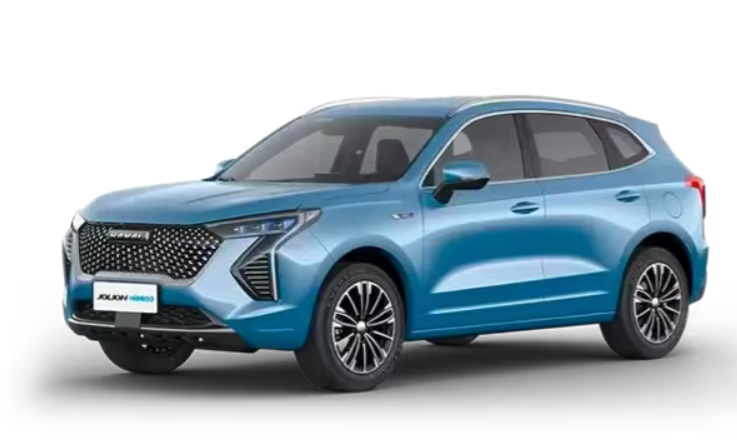
Getting the Haval Jolion tyre pressure right is one of the simplest ways we can improve safety, fuel economy, tyre life, and the way this compact SUV feels on the road.
For many Haval Jolion models, tyre pressures commonly fall somewhere around 32–35 PSI (220–240 kPa) when the tyres are cold. However, there is no single pressure that is guaranteed to be correct for every Jolion. The exact figure can change according to the model year, tyre size, market, trim level, vehicle load, and whether we have a petrol or hybrid version.
That is why the tyre pressure placard fitted to the vehicle should always be our primary reference.
In this guide, we will look at the recommended Haval Jolion tyre pressure, PSI-to-kPa conversions, cold versus hot pressure, TPMS warnings, resetting the tyre pressure monitoring system, and what happens when our tyres are overinflated or underinflated.
Content in this publication
- What Is the Correct Haval Jolion Tyre Pressure?
- Where to Find the Haval Jolion Tyre Pressure Sticker
- Haval Jolion Tyre Pressure in PSI and kPa
- Haval Jolion Tyre Pressure for 17-Inch Wheels
- Haval Jolion Tyre Pressure for 18-Inch Wheels
- Haval Jolion Hybrid Tyre Pressure
- Should We Check Haval Jolion Tyre Pressure Cold or Hot?
- How Often Should We Check Haval Jolion Tyre Pressure?
- How to Check Haval Jolion Tyre Pressure
- Haval Jolion TPMS Explained
- Haval Jolion Tyre Pressure Warning Light
- Why Is My Haval Jolion Tyre Pressure Warning Still On?
- How to Reset Haval Jolion Tyre Pressure
- Why Does Haval Jolion Tyre Pressure Change While Driving?
- What Happens If Haval Jolion Tyre Pressure Is Too Low?
- What Happens If Haval Jolion Tyre Pressure Is Too High?
- Haval Jolion Tyre Pressure With Passengers and Luggage
- Haval Jolion Tyre Pressure in Winter
- Haval Jolion Tyre Pressure in Hot Weather
- Haval Jolion Tyre Pressure After a Puncture
- Does the Haval Jolion TPMS Monitor the Spare Tyre?
- Can We Use 40 PSI in a Haval Jolion?
- Is 30 PSI Too Low for a Haval Jolion?
- Best Tyre Pressure for Haval Jolion Fuel Economy
- Haval Jolion Tyre Pressure Checklist
- Frequently Asked Questions About Haval Jolion Tyre Pressure
- Final Thoughts on Haval Jolion Tyre Pressure
What Is the Correct Haval Jolion Tyre Pressure?
A typical Haval Jolion will usually operate with cold tyre pressures in approximately the following range:
| Pressure | PSI | kPa |
|---|---|---|
| Lower end of common range | 32 PSI | 220 kPa |
| Common pressure | 33 PSI | 230 kPa |
| Common pressure | 35 PSI | 240 kPa |
Some earlier Jolion fitment databases list approximately 35 PSI (2.4 bar) for common 215/60 R17 and 225/55 R18 tyre configurations.
Other Jolion versions may use slightly different front and rear pressures.
Therefore, we should not automatically assume that 35 PSI is correct for every Haval Jolion.
Haval Jolion Tyre Pressure Quick Answer
If we simply need a starting point, 33–35 PSI when cold is a common range for the Haval Jolion.
But before adding or removing air, check the tyre pressure sticker fitted to your particular vehicle.
That sticker takes priority over figures found online.
Where to Find the Haval Jolion Tyre Pressure Sticker
The safest way to determine the correct pressure is to look for the manufacturer's tyre information placard.
Depending on the market, it is normally located around:
- The driver's door frame
- The driver's side B-pillar
- The edge of the driver's door
- Occasionally another door-jamb location
The placard normally tells us:
- Recommended front tyre pressure
- Recommended rear tyre pressure
- Original tyre size
- Load information
- Pressures for different vehicle loads when applicable
The owner's manual also directs owners to inflate the tyre according to the pressure specified on the vehicle's tyre pressure label.
This is particularly important because the Jolion is sold in numerous countries with different specifications.
Haval Jolion Tyre Pressure in PSI and kPa
Depending on where we live, tyre pressure may be displayed as PSI, kPa, or bar.
Fortunately, converting between them is simple.
Common Haval Jolion Pressure Conversions
| PSI | kPa | Bar |
|---|---|---|
| 30 | 207 | 2.07 |
| 31 | 214 | 2.14 |
| 32 | 221 | 2.21 |
| 33 | 228 | 2.28 |
| 34 | 234 | 2.34 |
| 35 | 241 | 2.41 |
| 36 | 248 | 2.48 |
| 37 | 255 | 2.55 |
| 38 | 262 | 2.62 |
So, for example:
35 PSI ≈ 240 kPa ≈ 2.4 bar.
If our Haval Jolion displays pressure in kPa rather than PSI, there is therefore nothing unusual about seeing figures around 220–240 kPa.
Haval Jolion Tyre Pressure for 17-Inch Wheels
Some Haval Jolion models use 215/60 R17 tyres.
For earlier Jolion models equipped with this tyre size, approximately 2.4 bar or 35 PSI is commonly listed in fitment information.
However, we should still check our door placard because specifications vary between markets and years.
Changing from the factory tyre to a different tyre specification can also affect the appropriate pressure.
Haval Jolion Tyre Pressure for 18-Inch Wheels
Another common Haval Jolion tyre size is:
225/55 R18
Fitment data for some 2021–2023 Jolion models also lists approximately 35 PSI or 2.4 bar for this combination.
Again, this is a useful reference rather than a universal specification.
If our tyre placard says 33 PSI, for example, we should use 33 PSI rather than increasing it to 35 PSI simply because another Jolion owner uses that pressure.
Haval Jolion Hybrid Tyre Pressure
Owners of the Haval Jolion Hybrid or Jolion HEV should follow exactly the same rule: check the tyre placard on the vehicle.
Hybrid models can have different equipment, vehicle weights, tyre sizes, and specifications compared with petrol versions.
We therefore should not assume that the petrol Jolion and hybrid Jolion always require identical tyre pressures.
Does a Hybrid Need Higher Tyre Pressure?
Not necessarily.
Hybrid vehicles can be heavier because of the battery and electric drivetrain, but manufacturers compensate for this when specifying:
- Tyre sizes
- Load ratings
- Suspension settings
- Recommended tyre pressures
We should therefore follow Haval's recommended cold tyre pressure instead of manually increasing pressure because the car is a hybrid.
Should We Check Haval Jolion Tyre Pressure Cold or Hot?
Tyre pressure should normally be checked when the tyres are cold.
This is extremely important.
According to Jolion owner-manual information, a more accurate cold reading can be obtained after the vehicle has been parked for more than three hours or has travelled no more than roughly 1.5 km.
Why Does Tyre Pressure Increase After Driving?
Driving generates heat.
As the air inside the tyre gets warmer, it expands, increasing the pressure.
A Jolion manual notes that pressure measured after driving may be approximately 30–40 kPa higher than the cold pressure, and that this increase can be normal.
For example, suppose our recommended cold pressure is:
230 kPa
After driving, we could see:
250–270 kPa
That does not necessarily mean the tyres are overinflated.
Do Not Deflate Hot Tyres
This is a common mistake.
Imagine the tyres should be 33 PSI cold, but after motorway driving they show 37 PSI.
We might be tempted to release air until they return to 33 PSI.
Don't.
Once those tyres cool down, their pressure could then become too low.
Always make adjustments based on cold tyre pressure whenever possible.
How Often Should We Check Haval Jolion Tyre Pressure?
Checking the tyres approximately once a month is a good habit.
The Jolion owner's information notes that tyres can naturally lose approximately 10–20 kPa per month, even when the tyres themselves are in good condition.
We should also check pressure before:
- Long road trips
- Motorway journeys
- Carrying heavy luggage
- Driving with several passengers
- Towing, where permitted
- Major seasonal temperature changes
A visual inspection is not enough.
A tyre can look perfectly normal while still being several PSI below its recommended pressure.
How to Check Haval Jolion Tyre Pressure
Checking the pressure only takes a few minutes.
Step 1: Let the Tyres Cool
For the best reading, leave the vehicle parked for several hours.
Morning is often an excellent time to check.
Step 2: Find the Recommended Pressure
Check the tyre information label on the vehicle.
Write down the recommended:
- Front pressure
- Rear pressure
They may or may not be identical.
Step 3: Remove the Valve Cap
Unscrew the small cap covering the tyre valve.
Keep it somewhere safe so we do not lose it.
Step 4: Attach a Tyre Pressure Gauge
Push the pressure gauge firmly onto the valve.
The gauge should display the tyre's current pressure.
Step 5: Compare With the Manufacturer Specification
If the pressure is too low, add air.
If it is too high while the tyre is genuinely cold, carefully release a small amount.
Step 6: Repeat for All Four Tyres
Check every wheel.
One tyre can lose pressure faster than the others because of:
- A puncture
- Valve leakage
- Wheel damage
- Poor tyre sealing
Step 7: Replace the Valve Caps
Valve caps help keep moisture and dirt away from the valve mechanism.
Haval Jolion TPMS Explained
The Haval Jolion uses a Tyre Pressure Monitoring System (TPMS) on many versions.
The system monitors tyre information and can alert us when something is wrong.
Depending on the version, the instrument display can show individual tyre pressures and temperatures.
However, TPMS should not replace manual tyre inspections.
Haval specifically notes that the tyre pressure monitoring system cannot substitute for regular tyre maintenance.
Haval Jolion Tyre Pressure Warning Light
If the tyre pressure warning light appears, one or more tyres may have dropped below the expected pressure range.
We should:
- Find somewhere safe to stop.
- Inspect all four tyres.
- Look for obvious punctures or damage.
- Check each tyre with a pressure gauge.
- Inflate the tyres according to the vehicle placard.
If one tyre is dramatically lower than the others, it could have a puncture.
Simply reinflating it may only temporarily solve the problem.
Why Is My Haval Jolion Tyre Pressure Warning Still On?
Sometimes we inflate the tyres correctly but the warning remains.
There are several possible reasons.
The Car Has Not Been Driven Far Enough
The system may need driving time to update.
Manual information for some Jolion versions states that after tyre replacement or rotation, driving at more than 30 km/h for approximately nine minutes allows the TPMS to automatically identify tyre pressure, temperature, and tyre location.
One Tyre Is Still Too Low
Check all four tyres individually.
Do not assume that fixing the tyre that looked low solved the problem.
Pressure Changed With Temperature
Cold weather can cause tyre pressure to decrease.
A tyre that was marginally above the warning threshold during warm weather may fall below it after a cold night.
There Is a TPMS Sensor Problem
A tyre pressure sensor can eventually fail or lose communication.
If pressures are correct but the display is missing data or still shows an error, the sensor or TPMS system may need diagnosis.
How to Reset Haval Jolion Tyre Pressure
The Haval Jolion TPMS is generally designed to automatically update after correct pressures are restored.
If tyres have been changed or rotated, some versions can relearn their positions automatically after the vehicle is driven.
A documented procedure for certain Jolion versions is to drive above approximately 30 km/h for around nine minutes after tyre rotation or replacement.
If the pressures remain missing or incorrect after this process, Haval recommends contacting an authorised service centre.
Why Does Haval Jolion Tyre Pressure Change While Driving?
Seeing the TPMS pressure change during a journey is normal.
Three major factors affect pressure:
1. Tyre Temperature
Tyres become warmer as we drive.
Warmer air produces higher pressure.
2. Outside Temperature
Cold weather reduces pressure while warmer weather increases it.
3. Driving Conditions
High-speed driving, motorway journeys, heavy loads, and hot road surfaces can increase tyre temperature.
The Jolion manual notes that pressure fluctuations of around 30 kPa under normal operating conditions can occur.
So we should not expect the dashboard reading to remain perfectly constant throughout a journey.
What Happens If Haval Jolion Tyre Pressure Is Too Low?
Underinflated tyres can create several problems.
Increased Fuel Consumption
A softer tyre produces greater rolling resistance.
The engine needs more energy to move the vehicle.
Faster Tyre Wear
Low pressure can cause excessive wear around the outer shoulders of the tyre.
Poor Handling
The vehicle may feel less precise when steering or cornering.
Increased Heat
An underinflated tyre flexes more as it rotates.
That generates additional heat and may increase the risk of tyre damage.
Longer Braking Distances
Incorrect pressure can reduce the tyre's ability to maintain optimum contact with the road.
For these reasons, a persistent TPMS warning should not simply be ignored.
What Happens If Haval Jolion Tyre Pressure Is Too High?
More pressure is not automatically better.
An overinflated tyre can cause:
- Harsher ride quality
- Reduced comfort
- Increased centre-tread wear
- Less compliance over rough surfaces
- Reduced grip in some conditions
It can also make the Jolion feel noticeably firmer over potholes and road imperfections.
We should therefore avoid deliberately inflating tyres well above the manufacturer's specification in an attempt to improve fuel economy.
Haval Jolion Tyre Pressure With Passengers and Luggage
Vehicle load matters.
A fully loaded SUV puts substantially more weight on its tyres than one carrying only a driver.
Some vehicle manufacturers therefore specify separate pressures for:
- Normal load
- Full passenger load
- Heavy luggage
- Towing
If our Jolion's tyre placard displays two sets of pressures, use the appropriate values for our situation.
Once we return to normal everyday driving, pressures can be adjusted back to the standard cold setting where applicable.
Haval Jolion Tyre Pressure in Winter
Cold weather frequently causes TPMS warnings.
This does not necessarily indicate a puncture.
As ambient temperature falls, the air inside the tyre contracts and pressure decreases.
For example, tyres that were just above the minimum acceptable pressure during warm weather might trigger the warning system after a significant overnight temperature drop.
The solution is not to ignore the warning.
Check all four tyres when cold and restore them to the pressure specified on the placard.
Haval Jolion Tyre Pressure in Hot Weather
Hot weather creates the opposite effect.
Pressure can rise as tyre and ambient temperatures increase.
We should still set pressure according to the manufacturer's cold tyre recommendation.
Do not intentionally reduce cold tyre pressure simply because temperatures will rise later in the day.
The tyre manufacturer and vehicle manufacturer account for normal pressure increases during operation.
Haval Jolion Tyre Pressure After a Puncture
If we experience a puncture, pressure can fall quickly or gradually depending on the damage.
Some Jolion variants use a tyre repair kit rather than relying exclusively on a conventional spare wheel.
The owner's manual describes using the repair inflator to temporarily inflate a damaged tyre and then adjusting it according to the tyre pressure label once the temporary repair has been completed.
A repair kit should be considered an emergency solution rather than a permanent tyre repair.
The damaged tyre should be inspected professionally.
Does the Haval Jolion TPMS Monitor the Spare Tyre?
Generally, no.
Owner-manual information states that the TPMS does not monitor the spare tyre.
If our Jolion has a spare wheel, we therefore need to check its pressure manually.
This is especially important because spare tyres can remain unused for months or even years.
The worst time to discover that a spare tyre is flat is when we actually need it.
Can We Use 40 PSI in a Haval Jolion?
We should not automatically inflate a Jolion to 40 PSI unless the vehicle's placard specifically calls for that pressure under a particular load condition.
For a vehicle that specifies around 33–35 PSI cold, 40 PSI could be unnecessarily high for normal driving.
Remember that tyre pressures naturally increase after driving.
A tyre inflated to 35 PSI cold might already approach a significantly higher figure once hot.
Is 30 PSI Too Low for a Haval Jolion?
Potentially.
If our placard specifies 33 or 35 PSI, running consistently at 30 PSI means the tyre is underinflated.
A difference of only a few PSI might sound insignificant, but it can affect:
- Handling
- Tyre wear
- Fuel economy
- Heat generation
If the tyres repeatedly drop from the recommended pressure to around 30 PSI, check for leaks.
Best Tyre Pressure for Haval Jolion Fuel Economy
The best approach is simple:
Use the manufacturer's recommended pressure.
Increasing pressure above specification may slightly reduce rolling resistance, but the possible trade-offs in comfort, tyre wear, and grip make deliberately overinflating the tyres a poor strategy.
Correct pressure already provides the balance intended by Haval between:
- Efficiency
- Comfort
- Handling
- Braking
- Tyre durability
Haval Jolion Tyre Pressure Checklist
For quick reference, we can follow this routine:
- Check pressure when tyres are cold.
- Look at the driver's door tyre placard.
- Expect many Jolion versions to be somewhere around 32–35 PSI.
- Never assume another Jolion has exactly the same specification.
- Check all four tyres monthly.
- Check before long trips.
- Never deflate hot tyres to the cold specification.
- Investigate a tyre that repeatedly loses pressure.
- Do not rely completely on TPMS.
- Check the spare tyre manually if fitted.
Frequently Asked Questions About Haval Jolion Tyre Pressure
What PSI Should Haval Jolion Tyres Be?
Many Haval Jolion models operate around 32–35 PSI when cold, with approximately 35 PSI appearing for some earlier models and wheel combinations. However, the tyre-pressure label on the driver's door area should always determine the correct pressure for our specific vehicle.
What Is 35 PSI in kPa for a Haval Jolion?
35 PSI is approximately 241 kPa, normally rounded to 240 kPa, or approximately 2.4 bar.
Why Is My Haval Jolion Tyre Pressure Higher After Driving?
Tyres heat up while driving, causing the air inside them to expand. Haval documentation notes that hot tyre readings may be roughly 30–40 kPa higher than cold readings. This can be perfectly normal.
How Do I Reset the Tyre Pressure Light on a Haval Jolion?
First, set all tyres to the pressure stated on the vehicle placard. Some Jolion TPMS systems automatically relearn after driving. Following tyre replacement or rotation, certain manuals recommend driving above 30 km/h for around nine minutes. If the system still displays incorrect information, an authorised service centre may need to reset or inspect it.
How Often Should I Check Haval Jolion Tyre Pressure?
Checking tyre pressure at least once a month and before long journeys is sensible. Tyres naturally lose pressure over time, and the Jolion manual notes that a monthly decrease of around 10–20 kPa can occur even with tyres in good condition.
Final Thoughts on Haval Jolion Tyre Pressure
For most owners searching for the correct Haval Jolion tyre pressure, the key thing to remember is that there is no universal PSI number for every Jolion.
Many models and common tyre configurations fall around 32–35 PSI, or approximately 220–240 kPa, when cold, but the exact recommendation depends on our particular Jolion.
The correct approach is always to check the tyre pressure placard on the vehicle and use that number as the primary specification.
We should also measure pressures when the tyres are cold, check them regularly, avoid deflating warm tyres, and pay attention to TPMS warnings.
Keeping the Jolion's tyres at the correct pressure takes only a few minutes, but it can improve handling, fuel efficiency, ride quality, tyre longevity, and—most importantly—road safety.
If you want to know other articles similar to Haval Jolion Tyre Pressure: Recommended PSI, kPa and TPMS Guide you can visit the category Service and Parts.
Kia Sorento Windscreen Replacement Cost: Complete 2026 Price Guide
Kia Sorento Tyre Pressure Reset: Complete TPMS Guide
Kia Sorento Hybrid Towing Capacity: Complete Guide
Kia Sorento Engine Size: Complete Guide to All Engines
Kia Sorento Service Cost: Complete 2026 Maintenance Guide
Kia Sorento Key Fob Battery Replacement: Complete DIY Guide
Leave a Reply
More content of your interest