

Volvo S90 Common Problems: Reliability & Repair Guide

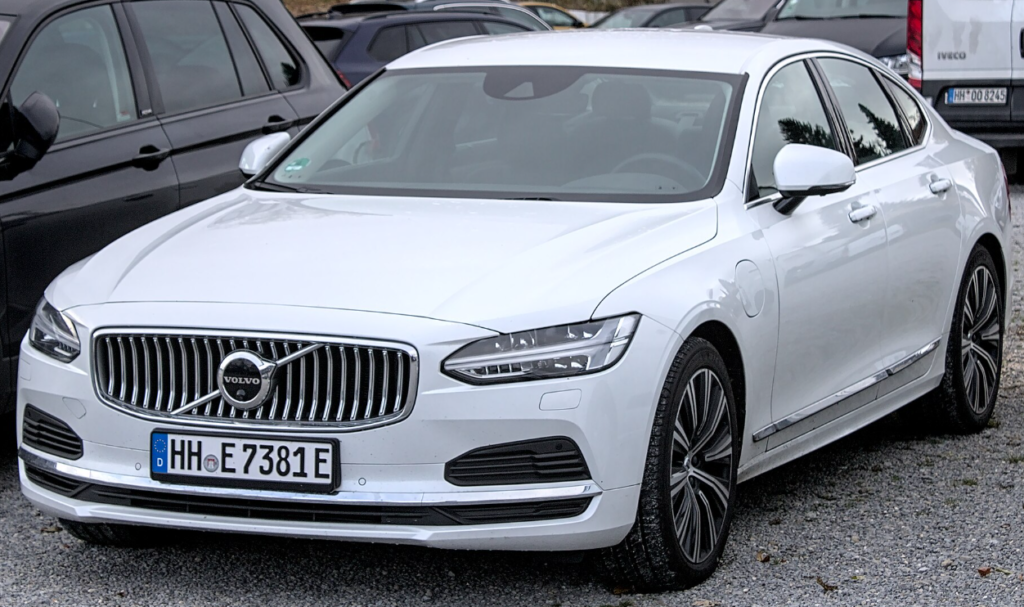
The Volvo S90 is a premium luxury sedan that combines Scandinavian design, advanced safety technology, powerful engines, and exceptional passenger comfort. However, despite its sophisticated engineering and reputation for safety, the Volvo S90 is not completely free from mechanical problems, electrical faults, and expensive repairs.
If we're considering buying a used Volvo S90 or already own one, understanding its most common problems can help us avoid unexpected expenses and identify potential failures before they become serious.
Some owners have reported infotainment glitches, battery warnings, air conditioning faults, transmission hesitation, and suspension problems. Diesel-powered versions can experience issues involving emissions systems, while plug-in hybrid models have additional components that may require expensive repairs.
Fortunately, not every Volvo S90 develops these problems. Many examples provide years of comfortable and dependable service when properly maintained.
In this comprehensive guide, we'll explore the most common Volvo S90 problems, their symptoms, causes, repair costs, reliability by model year, and everything we should inspect before purchasing a used model.
Content in this publication
- What Are the Most Common Volvo S90 Problems?
- 1. Volvo S90 Infotainment System Problems
- 2. Volvo S90 Battery Drain and Starting Problems
- 3. Volvo S90 Diesel Engine Problems
- 4. Volvo S90 Intake Manifold Problems
- 5. Volvo S90 T8 Hybrid Problems
- 6. Volvo S90 Air Conditioning Problems
- 7. Volvo S90 Suspension Problems
- 8. Volvo S90 Brake Problems
- 9. Volvo S90 Transmission Problems
- 10. Volvo S90 Rearview Camera Problems
- 11. Volvo S90 Driver Assistance Problems
- 12. Volvo S90 Interior and Sunroof Problems
- 13. Volvo S90 Repair Costs
- 14. Volvo S90 Reliability by Model Year
- 15. Which Volvo S90 Engine Is Most Reliable?
- 16. How Long Does a Volvo S90 Last?
- 17. How to Prevent Volvo S90 Common Problems
- 18. What to Check Before Buying a Used Volvo S90
- 19. Is the Volvo S90 Reliable Compared to Rivals?
- 20. Is a Used Volvo S90 Worth Buying?
- Frequently Asked Questions About Volvo S90 Problems
- Conclusion: Is the Volvo S90 a Reliable Car?
What Are the Most Common Volvo S90 Problems?
The Volvo S90 has several potential problem areas, although their frequency and severity depend on the production year, engine, mileage, and maintenance history.
Here is an overview of the main issues worth investigating.
| Common problem | Typical symptoms | Affected versions |
|---|---|---|
| Infotainment glitches | Frozen touchscreen, slow response, audio faults | Various model years |
| Battery drain | Starting difficulties, battery warnings | Various model years |
| EGR and DPF problems | Reduced power, engine warnings | Diesel models |
| Intake manifold defects | Performance problems, overheating concerns | Certain earlier diesels |
| Hybrid drivetrain faults | Rear axle noises, hybrid warnings | T8 plug-in hybrids |
| Air conditioning faults | Weak cooling, moisture, unusual smells | Various model years |
| Suspension wear | Knocking noises, vibrations | Higher-mileage models |
| Brake problems | Squealing, vibration, warning lights | Various model years |
| Transmission hesitation | Jerky shifts, delayed engagement | Individual vehicles |
| Rearview camera faults | Missing reversing camera image | Certain 2022–2025 models |
We should remember that these are potential issues, not problems that affect every Volvo S90.
Some involve confirmed manufacturer recalls, while others represent owner-reported complaints or ordinary wear associated with mileage and vehicle age.
1. Volvo S90 Infotainment System Problems
One of the most commonly discussed frustrations involves the Volvo S90's infotainment system.
Earlier vehicles use Volvo's Sensus system, while newer versions in many markets feature Google-based infotainment technology.
Both systems integrate several vehicle functions into the central touchscreen, making their operation particularly important.
Common infotainment symptoms
Owners may experience:
- Touchscreen freezing or becoming unresponsive.
- Slow navigation between menus.
- Bluetooth connection failures.
- Smartphone connectivity problems.
- Audio suddenly disappearing.
- Navigation errors.
- Black or blank display screens.
- Intermittent reversing camera problems.
These symptoms can sometimes occur without an obvious mechanical failure.
What causes Volvo S90 infotainment problems?
Possible causes include outdated software, temporary system errors, electrical supply problems, faulty modules, and communication failures between electronic components.
Because several systems are interconnected, a weak battery can sometimes contribute to unexpected electronic behavior.
How to fix infotainment problems
We should begin by checking whether the vehicle has the latest compatible software installed.
Depending on the model year, possible solutions include restarting the infotainment system according to Volvo's instructions, installing available software updates, reconnecting devices, or performing a diagnostic scan.
Later Volvo S90 models may support over-the-air software updates.
If the screen repeatedly becomes completely unresponsive, a workshop may need to inspect the display assembly and associated electronic control modules.
2. Volvo S90 Battery Drain and Starting Problems
Battery-related problems are another important area to investigate.
The Volvo S90 uses numerous electronic systems, including advanced safety equipment, infotainment features, sensors, and electrically operated accessories.
These components depend on a healthy electrical supply.
Symptoms of a weak battery
Common signs include:
- Slow engine cranking.
- Difficulty starting the vehicle.
- Low-battery warning messages.
- Start-stop functionality becoming unavailable.
- Electrical accessories shutting down.
- Intermittent electronic faults.
- Reduced operation of certain comfort features.
A weak battery does not necessarily indicate a defective alternator or serious electronic failure.
Why does the battery lose charge?
Possible causes include frequent short journeys, long periods of inactivity, an aging battery, charging-system faults, and excessive electrical consumption while the vehicle is parked.
Some S90 versions also use an auxiliary battery associated with start-stop operation.
How to solve Volvo S90 battery problems
We recommend testing the main battery and checking the charging system before replacing components.
If the battery repeatedly becomes discharged, a technician should investigate parasitic electrical drains and verify whether control modules are shutting down correctly.
Any replacement battery should meet the manufacturer's specifications for the particular vehicle.
Maintaining the correct battery type and capacity is especially important in modern vehicles with complex electrical systems.
3. Volvo S90 Diesel Engine Problems
Diesel-powered Volvo S90 models, including the D3, D4, and D5 variants sold in several international markets, are appreciated for their torque and highway fuel economy.
However, diesel engines also contain emissions-control components that can develop problems.
Two areas worth examining are the exhaust gas recirculation system and diesel particulate filter.
Volvo S90 EGR valve problems
The exhaust gas recirculation system, commonly known as EGR, helps control nitrogen oxide emissions.
Over time, carbon deposits can accumulate inside the EGR valve and associated passages.
Possible symptoms include:
- Check engine light.
- Rough engine operation.
- Reduced acceleration.
- Increased fuel consumption.
- Irregular idle.
- Reduced engine power.
The correct repair depends on the actual fault.
Some problems involve carbon accumulation, while others result from faulty sensors, valves, coolers, or related components.
Volvo S90 DPF problems
The diesel particulate filter captures soot particles from exhaust gases.
During normal operation, the vehicle periodically performs a regeneration process to burn accumulated soot.
However, repeated short trips may prevent regeneration from completing properly.
This can eventually contribute to restricted exhaust flow and warning messages.
How to prevent diesel emissions problems
We should follow Volvo's servicing recommendations, use the specified engine oil, and ensure the vehicle regularly experiences suitable driving conditions for DPF regeneration.
For drivers who mainly travel short distances in city traffic, a gasoline S90 may be a more convenient choice.
If a diesel warning light appears, proper diagnosis is preferable to attempting repeated forced regeneration without identifying the underlying cause.
4. Volvo S90 Intake Manifold Problems
Certain earlier Volvo diesel engines were involved in a significant safety recall related to their intake manifold components.
In 2019, Volvo announced a recall affecting selected vehicles equipped with particular 2.0-liter four-cylinder diesel engines.
The Volvo S90 was among the models included in the campaign.
What was the intake manifold problem?
Under certain conditions, the plastic intake manifold could become excessively hot and deform or melt.
In exceptional circumstances, this could create an engine compartment fire risk.
This was a safety-related manufacturing concern rather than ordinary wear.
Possible warning signs
Symptoms may include:
- Engine malfunction warning light.
- Reduced engine power.
- Unusual engine behavior.
- Unexpected performance problems.
- Unusual smells from the engine compartment.
If we suspect an overheating or fire-related problem, the safest approach is to stop driving when safe and arrange professional assistance.
Which Volvo S90 models were affected?
The recall involved selected diesel vehicles, particularly from earlier production years.
However, not every Volvo S90 diesel was affected.
The exact applicability depends on the VIN and market.
Before buying a used diesel S90, we should ask an authorized Volvo dealership to verify whether all relevant recall campaigns have been completed.
5. Volvo S90 T8 Hybrid Problems
The Volvo S90 T8 Twin Engine and Recharge variants combine a gasoline engine with electric propulsion.
These powertrains offer impressive acceleration and the opportunity to reduce gasoline consumption through regular charging.
However, their additional electrical and mechanical components introduce potential repair expenses.
Electric Rear Axle Drive problems
One important component is the Electric Rear Axle Drive, commonly abbreviated as ERAD.
This system provides electric propulsion to the rear wheels.
Certain Volvo plug-in hybrid vehicles have experienced problems involving the ERAD motor, transmission, or related components.
Symptoms of hybrid drivetrain problems
Possible warning signs include:
- Grinding or whining noises from the rear axle.
- Jerking during acceleration.
- Hesitation when changing driving modes.
- Reduced electric propulsion.
- Hybrid system warning messages.
- Unusual drivetrain vibration.
These symptoms require professional diagnosis because similar behavior can arise from different components.
Can the ERAD system be repaired?
In some cases, the affected motor or transmission component can be repaired or replaced separately.
However, the total cost depends on the nature of the failure.
Because hybrid drivetrain repairs can be expensive, we recommend a specialist inspection before buying a used S90 T8.
Volvo S90 hybrid battery problems
The high-voltage battery is another important component to evaluate.
Battery performance can change over time due to age, temperature, charging patterns, and driving conditions.
A reduction in electric range does not automatically mean the battery is defective.
However, persistent charging errors, hybrid warning messages, or substantial unexplained performance losses deserve attention.
Certain 2020–2021 Volvo S90 plug-in hybrids were also included in a high-voltage battery safety recall involving a potential internal short circuit and fire risk.
For affected vehicles, Volvo provided specific safety instructions and a recall remedy. Owners should verify their vehicle's current recall status and follow any outstanding instructions.
6. Volvo S90 Air Conditioning Problems
The Volvo S90 is designed to provide excellent cabin comfort, but air conditioning faults can occur.
Some problems involve weak cooling, while others concern drainage, moisture accumulation, or electronic climate control components.
Why is the Volvo S90 AC not cooling?
Possible causes include:
- Refrigerant leaks.
- Faulty air conditioning compressor.
- Condenser problems.
- Defective temperature sensors.
- Electrical or software faults.
- Climate control module problems.
In some cases, the system initially works but gradually becomes less effective.
Water leaks inside the Volvo S90
Certain early S90 vehicles were also covered by technical service information involving air conditioning drainage hoses.
Improper drainage could allow condensation to enter the passenger compartment.
If moisture remains trapped beneath carpeting, it can produce unpleasant odors and potentially affect nearby electronic components.
How to identify drainage problems
We should inspect the following:
- Damp carpeting.
- Musty interior smells.
- Water accumulating in footwells.
- Unexplained interior condensation.
- Moisture around lower trim panels.
A workshop should locate the source of the leak and correct it rather than simply drying the affected area.
7. Volvo S90 Suspension Problems
The Volvo S90 is particularly appreciated for its comfortable ride and stable highway handling.
However, suspension components naturally deteriorate with age and mileage.
On higher-mileage vehicles, worn bushings, shock absorbers, ball joints, or steering components may affect ride quality.
Common suspension symptoms
Possible signs include:
- Knocking noises over bumps.
- Excessive vibration.
- Uneven tire wear.
- Steering that feels loose.
- Reduced stability at highway speeds.
- The vehicle pulling to one side.
These symptoms do not automatically indicate a serious suspension defect.
Tire condition, wheel alignment, and road damage can produce similar complaints.
How to fix Volvo S90 suspension problems
A mechanic should inspect suspension bushings, ball joints, shock absorbers, steering components, and wheel alignment.
Replacing worn components promptly helps maintain the vehicle's handling characteristics and may prevent premature tire wear.
If the S90 is equipped with optional adaptive suspension, the inspection should also include its electronic components.
8. Volvo S90 Brake Problems
Brake maintenance is another essential aspect of Volvo S90 ownership.
As with other heavy luxury sedans, brake pads and discs experience gradual wear.
Some drivers may notice squealing, vibration, or uneven braking performance.
- Squeaking when braking.
- Grinding noises.
- Brake pedal vibration.
- Reduced braking performance.
- Electronic parking brake warnings.
- Uneven brake pad wear.
We should investigate abnormal braking behavior immediately because it can affect vehicle safety.
Volvo S90 brake software recall
Certain 2025 Volvo S90 plug-in hybrid vehicles were included in a 2025 safety recall involving a software-related braking concern.
Under specific operating conditions involving downhill coasting in B mode, affected vehicles could experience a loss of braking functionality.
The recall remedy involved updated brake-control software.
This issue should not be confused with normal brake wear and should not be assumed to affect every Volvo S90.
Owners of affected vehicles should follow Volvo's recall instructions until the repair has been completed.
9. Volvo S90 Transmission Problems
Many Volvo S90 versions use an eight-speed automatic transmission.
Under normal conditions, the transmission should provide smooth acceleration and comfortable gear changes.
However, some owners report hesitation or jerky shifting.
Common transmission symptoms
Potential warning signs include:
- Delayed engagement when selecting Drive.
- Rough or abrupt gear changes.
- Hesitation during acceleration.
- Jerking while slowing down.
- Unusual drivetrain noises.
The cause may involve software calibration, engine performance, transmission fluid condition, or mechanical wear.
How to fix transmission hesitation
The first step is a diagnostic inspection.
Depending on the findings, a technician may recommend a software update, adaptation procedure, transmission fluid inspection, or mechanical repair.
We should not assume that every rough gear change means the entire transmission requires replacement.
When buying a used Volvo S90, it is advisable to test the transmission while the vehicle is both cold and fully warmed up.
10. Volvo S90 Rearview Camera Problems
Some newer Volvo S90 models have experienced a software issue that can prevent the rearview camera image from appearing.
This is particularly important because reversing cameras help drivers identify obstacles behind the vehicle.
Which Volvo S90 models were affected?
In the United States, certain 2022–2025 S90 vehicles were included in a rearview camera recall.
A subsequent recall campaign introduced an updated remedy because the earlier software solution required further correction.
How to fix the rearview camera problem
Affected vehicles require the appropriate software remedy.
We recommend checking the vehicle's VIN through an authorized Volvo dealership to confirm whether the latest applicable repair has been completed.
A previous software update does not necessarily mean every outstanding recall has been resolved.
Until the issue is corrected, drivers should not depend on the camera and should use additional caution when reversing.
11. Volvo S90 Driver Assistance Problems
The Volvo S90 includes a sophisticated selection of driver assistance technologies.
Depending on the model year, these may include adaptive cruise control, lane keeping assistance, collision avoidance systems, and Pilot Assist.
These features depend on cameras, radar sensors, and electronic control modules.
Common driver assistance warnings
Owners may experience messages indicating that a safety feature is temporarily unavailable.
Possible causes include:
- Dirty sensors.
- Heavy rain or snow.
- Fog or poor visibility.
- Camera calibration problems.
- Low battery voltage.
- Software faults.
- Damaged radar components.
A temporary warning does not necessarily indicate a permanent defect.
For example, snow covering a sensor can prevent certain features from functioning normally.
However, warnings that repeatedly occur under normal driving conditions should be professionally investigated.
12. Volvo S90 Interior and Sunroof Problems
Interior quality is one of the Volvo S90's main advantages.
Its comfortable seats, premium materials, and minimalist design create an upscale driving environment.
However, higher-mileage examples can develop interior-related issues.
Common interior problems
These may include:
- Rattling trim pieces.
- Worn seat adjustment controls.
- Malfunctioning electrical seat functions.
- Interior squeaks.
- Problems with the panoramic sunroof where fitted.
- Water leaks or moisture accumulation.
Volvo S90 sunroof drainage problems
On vehicles equipped with a sunroof, blocked drainage channels or deteriorated seals can allow moisture to enter the cabin.
Potential symptoms include water stains, damp carpeting, and unusual interior odors.
We should regularly inspect the sunroof seals and drainage areas, especially if the vehicle is parked outdoors.
These are general maintenance concerns rather than proof of a widespread defect affecting every S90.
13. Volvo S90 Repair Costs
One of the biggest concerns when buying a used luxury sedan is the cost of maintenance and repairs.
Although a second-hand Volvo S90 can offer attractive value, sophisticated electronic components and premium replacement parts can increase ownership costs.
Here are broad, illustrative repair estimates for independent workshops in the United States.
| Repair | Estimated cost (USD) |
|---|---|
| Diagnostic inspection | $100–$250 |
| 12V battery replacement | $250–$600 |
| Brake pads and discs per axle | $350–$900 |
| Suspension component repair | $250–$1,200 |
| Air conditioning repair | $200–$1,800+ |
| EGR system repair | $300–$1,500+ |
| Infotainment hardware repair | $400–$2,000+ |
| Major hybrid drivetrain repair | $2,500–$8,000+ |
These are general budgeting estimates rather than confirmed quotations for a specific Volvo S90.
Actual costs depend on the vehicle's age, engine, location, labor rates, parts availability, and the extent of the damage.
Major hybrid repairs may exceed the estimates shown.
We should also remember that qualifying manufacturer safety recall repairs are performed free of charge.
14. Volvo S90 Reliability by Model Year
When buying a used Volvo S90, it is important to understand that different production years have different engines, software systems, and equipment.
There is no single model year that is automatically unreliable in every configuration.
2017–2018 Volvo S90 problems
Earlier examples of the modern Volvo S90 generation deserve careful inspection.
Potential areas to examine include electronic functions, battery performance, air conditioning, suspension wear, and outstanding recalls.
Diesel models should also be checked for intake manifold and emissions-system issues.
A well-maintained early S90 can still be a worthwhile purchase, but incomplete maintenance records should raise concerns.
2019–2021 Volvo S90 problems
These vehicles can offer attractive used-car value and desirable luxury equipment.
However, we should continue to inspect infotainment operation, transmission behavior, battery condition, and electronic systems.
Plug-in hybrid buyers should pay particular attention to ERAD operation and applicable high-voltage battery recalls.
Maintenance history remains especially important.
2022–2025 Volvo S90 problems
Later models may feature updated infotainment systems, revised powertrains, and improved technology.
Nevertheless, newer vehicles are not necessarily problem-free.
We should check the rearview camera recall status, relevant software updates, and any applicable hybrid safety campaigns.
Some later versions also use different electrical architectures from earlier models, meaning repair procedures may vary.
15. Which Volvo S90 Engine Is Most Reliable?
Choosing the right engine is important for long-term ownership.
The Volvo S90 has been offered with several gasoline, diesel, mild-hybrid, and plug-in hybrid powertrains, depending on the market and production year.
Volvo S90 gasoline engines
Conventional gasoline versions may appeal to drivers who want to avoid diesel emissions equipment and plug-in hybrid complexity.
However, they still require proper engine oil, scheduled maintenance, cooling-system inspections, and electronic diagnostics when necessary.
A well-maintained gasoline S90 can be a sensible choice for mixed urban and highway driving.
Volvo S90 diesel engines
Diesel variants offer strong torque and impressive fuel economy on long journeys.
However, they require attention to EGR components, DPF regeneration, timing-belt maintenance where applicable, and historical recall campaigns.
We would generally recommend considering diesel versions more strongly for frequent highway use than for predominantly short city journeys.
Volvo S90 plug-in hybrid engines
The T8 plug-in hybrid provides strong acceleration and the potential for reduced gasoline consumption.
However, it also has additional components, including a high-voltage battery, electric motor, and charging system.
For used hybrid purchases, battery condition, drivetrain performance, maintenance records, and warranty coverage are particularly important.
For buyers prioritizing mechanical simplicity, a properly maintained conventional gasoline S90 may be the most straightforward option. However, this does not establish that it is statistically the most reliable engine.
16. How Long Does a Volvo S90 Last?
A properly maintained Volvo S90 can potentially exceed 150,000 miles.
Some examples may reach 200,000 miles or more, although this should be considered a possible outcome rather than a guaranteed lifespan.
Several factors influence longevity.
Factors affecting Volvo S90 lifespan
- Regular engine oil changes.
- Proper transmission maintenance.
- Quality replacement parts.
- Driving habits.
- Road conditions.
- Climate.
- Previous accident damage.
- Timely repairs.
- Complete maintenance history.
We should also distinguish engine durability from the cost of maintaining the entire vehicle.
An S90 may have a healthy engine but still require expensive repairs involving electronic modules, suspension components, climate control, or hybrid equipment.
For this reason, long-term ownership costs matter just as much as mileage.
17. How to Prevent Volvo S90 Common Problems
Although we cannot eliminate every potential mechanical failure, preventive maintenance can reduce the risk of major repairs.
Follow the recommended maintenance schedule
We should follow Volvo's servicing intervals for the exact engine and model year.
Using the specified fluids and replacement parts is particularly important for modern engines and transmissions.
Keep the battery in good condition
A healthy battery helps maintain stable operation of the vehicle's numerous electronic systems.
Cars that spend long periods parked may benefit from appropriate battery maintenance.
Install relevant software updates
Software updates can improve system stability and address known faults.
We should confirm the appropriate updates through Volvo's official service channels.
Address warning lights immediately
Ignoring a warning message can allow a relatively minor issue to become more expensive.
Early diagnosis is often more economical than waiting for a complete component failure.
Inspect suspension and brakes
Regular inspections help identify worn components before they compromise comfort, handling, or safety.
Check the recall history
We should verify all applicable safety recalls using the vehicle's VIN.
Completed recall work is an important part of a used car's history.
18. What to Check Before Buying a Used Volvo S90
A thorough pre-purchase inspection is one of the best ways to avoid buying an S90 with expensive hidden problems.
We recommend choosing an independent mechanic or Volvo specialist familiar with the vehicle's electronic systems and available powertrains.
Used Volvo S90 inspection checklist
| Inspection area | What to check |
|---|---|
| Engine | Leaks, unusual noises, warning lights |
| Transmission | Smooth shifting and engagement |
| Battery | Voltage and charging performance |
| Infotainment | Screen, navigation, Bluetooth, audio |
| Air conditioning | Cooling, heating, drainage |
| Suspension | Bushings, joints, shock absorbers |
| Brakes | Pad wear, disc condition, braking performance |
| Electronics | Cameras, sensors, seats, warnings |
| Hybrid system | Battery health, charging, electric drive |
| Service history | Maintenance records and recalls |
Test drive recommendations
During a test drive, we should pay attention to how the vehicle behaves at different speeds.
The engine should run smoothly, the transmission should shift without excessive hesitation, and the suspension should not produce persistent knocking noises.
We should also test the infotainment system, climate control, reversing camera, electric seats, and driver assistance functions where safely possible.
For plug-in hybrid models, testing electric driving and charging operation is especially valuable.
A diagnostic scan can reveal stored faults that are not immediately visible on the dashboard.
19. Is the Volvo S90 Reliable Compared to Rivals?
The Volvo S90 competes with luxury sedans such as the BMW 5 Series, Mercedes-Benz E-Class, Audi A6, and Lexus ES.
Each model has different strengths and potential weaknesses.
The Volvo S90 emphasizes comfort, understated design, safety technology, and long-distance refinement.
However, its advanced electronics and complex powertrains can make repairs expensive.
Volvo S90 vs BMW 5 Series
The BMW 5 Series generally places greater emphasis on sporty handling and driving dynamics.
The Volvo S90 offers a more restrained design and a comfort-focused character.
Reliability depends heavily on the exact engines, model years, and maintenance histories being compared.
Volvo S90 vs Mercedes-Benz E-Class
The Mercedes-Benz E-Class offers a wide variety of engines and luxury technologies.
Both vehicles can become expensive to maintain as they age.
The better used purchase will often be the example with stronger servicing records and fewer unresolved faults.
Volvo S90 vs Audi A6
The Audi A6 provides a refined interior and a range of sophisticated powertrains.
Both vehicles feature complex electronic systems, making diagnostic capability and repair costs important ownership considerations.
Volvo S90 vs Lexus ES
The Lexus ES is worth considering for buyers who prioritize conventional ownership characteristics and long-term dependability.
However, engine choices, driving dynamics, and available equipment differ considerably between markets.
When comparing these vehicles, we should examine specific versions rather than assuming every model has the same reliability record.
20. Is a Used Volvo S90 Worth Buying?
Despite its potential problems, the Volvo S90 remains an attractive luxury sedan.
It offers a comfortable interior, elegant exterior styling, advanced safety features, and excellent highway refinement.
Used examples can also provide appealing value compared with some similarly equipped luxury competitors.
Reasons to buy a Volvo S90
- Comfortable and supportive seats.
- High-quality interior materials.
- Attractive Scandinavian styling.
- Strong safety equipment.
- Refined highway driving experience.
- Spacious passenger cabin.
- Available efficient and electrified powertrains.
Reasons to reconsider
- Potentially expensive electronic repairs.
- Complex hybrid drivetrain components.
- Diesel emissions-system maintenance.
- Premium replacement-part costs.
- Some model-year-specific safety recalls.
- The importance of specialist diagnostic equipment.
We would prioritize a used Volvo S90 with complete maintenance records, no outstanding recalls, a healthy battery, smooth drivetrain operation, and no unexplained warning messages.
A cheaper vehicle with uncertain repair history may become more expensive over time.
Frequently Asked Questions About Volvo S90 Problems
1. What is the most common problem with the Volvo S90?
There is no single verified problem that affects every Volvo S90 generation or engine. Frequently discussed concerns include infotainment glitches, battery warnings, air conditioning faults, and electrical issues. Diesel versions can also experience emissions-system problems, while plug-in hybrids have additional drivetrain components that require attention.
2. What Volvo S90 years should we avoid?
No model year should automatically be avoided without examining maintenance history and recall status. Earlier 2017–2018 examples deserve attention to age-related problems and historical recalls, while certain newer vehicles have been included in software and hybrid safety campaigns. Individual vehicle condition is more important than model year alone.
3. Is the Volvo S90 expensive to maintain?
The Volvo S90 can be more expensive to maintain than a typical family sedan because of its premium components, advanced electronics, and sophisticated powertrains. Routine servicing may be manageable, but major repairs involving air conditioning, electronic modules, transmissions, or hybrid components can become costly.
4. Are Volvo S90 engines reliable?
Many Volvo S90 engines can provide dependable service when maintained correctly. Gasoline versions avoid some diesel emissions and plug-in hybrid components, while diesel engines require attention to EGR and DPF systems. Hybrid buyers should inspect both the gasoline engine and the electric drivetrain.
5. Can a Volvo S90 reach 200,000 miles?
Yes, reaching 200,000 miles is possible with proper care, but it is not guaranteed. Regular maintenance, suitable driving habits, prompt repairs, and replacement of worn components can improve longevity. We should also budget for age-related repairs to suspension, electronics, and other vehicle systems.
Conclusion: Is the Volvo S90 a Reliable Car?
The Volvo S90 offers an appealing combination of luxury, safety, comfort, and sophisticated Scandinavian styling. However, like other premium executive sedans, it has several potential reliability concerns that buyers should understand.
The most important Volvo S90 common problems include infotainment glitches, battery-related electrical faults, diesel emissions-system issues, air conditioning failures, suspension wear, and hybrid drivetrain problems.
Certain model years have also been involved in important safety recalls, making it essential to verify each vehicle's recall status before purchase.
Nevertheless, these issues do not mean every Volvo S90 is unreliable. Many vehicles can provide years of dependable service when properly maintained.
If we're considering a used Volvo S90, we should prioritize complete maintenance records, a thorough mechanical inspection, healthy electronic systems, and a realistic repair budget.
Ultimately, a well-maintained Volvo S90 can still be an excellent luxury sedan for drivers who value comfort, safety, refinement, and understated design.
If you want to know other articles similar to Volvo S90 Common Problems: Reliability & Repair Guide you can visit the category Common Problems.
Volvo S90 No Sound: Causes, Fixes and Solutions

Nissan Rogue Smells Like Gas: Causes and Fixes
Vauxhall Agila Problems: Common Faults & Fixes
Kia Sorento Jerking When Accelerating: Causes & Fixes

Jaguar F-Pace Low Battery: Causes, Warning Signs, and How to Fix It
Haval Jolion Problems: Common Issues, Reliability and What Owners Should Know
Leave a Reply
More content of your interest