
Toyota RAV4 Issues: Common Problems, Worst Years, and What Owners Should Know

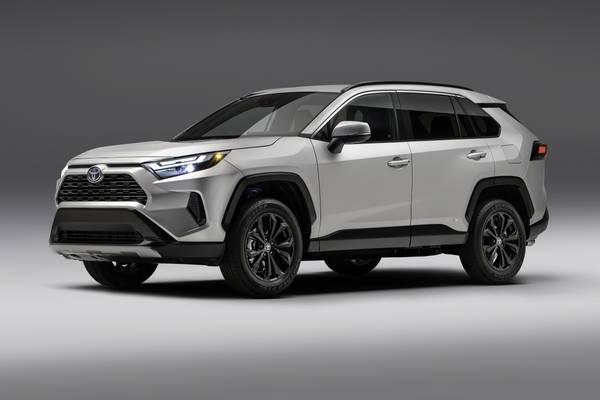
The Toyota RAV4 has built an impressive reputation as one of the most dependable compact SUVs on the market. With its practical interior, efficient engines, available all-wheel drive, and strong resale value, it's easy to understand why millions of drivers choose it.
But does that mean the RAV4 is completely trouble-free? Not quite.
Like any vehicle, the Toyota RAV4 has experienced mechanical problems, electrical faults, manufacturing defects, and occasional reliability concerns. Some issues affect particular generations, while others are associated with specific engines, transmissions, or hybrid systems.
The good news is that many Toyota RAV4 issues are well documented, meaning owners and used-car buyers can identify potential problems before they turn into expensive repairs.
In this guide, we'll explore the most common Toyota RAV4 problems, their symptoms, affected model years, potential repair costs, and practical ways to avoid unexpected breakdowns.
Content in this publication
- What Are the Most Common Toyota RAV4 Issues?
- 1. Toyota RAV4 Transmission Problems
- 2. Torque Converter Shudder on Older RAV4 Models
- 3. Toyota RAV4 Hybrid Cable Corrosion
- 4. Water Leaks Around the Roof Rails
- 5. Toyota RAV4 Hybrid Fuel Tank Problems
- 6. Engine Coolant Bypass Valve Problems
- 7. Excessive Engine Oil Consumption
- 8. Toyota RAV4 Battery and Electrical Issues
- 9. Cooling System and Water Pump Issues
- 10. Toyota RAV4 Suspension Problems
- 11. Brake Noise and Premature Wear
- 12. Infotainment and Technology Problems
- Toyota RAV4 Issues by Generation
- Toyota RAV4 Hybrid Issues vs Gasoline RAV4 Issues
- Toyota RAV4 Years to Avoid or Inspect Carefully
- How Much Do Toyota RAV4 Repairs Cost?
- How to Prevent Common Toyota RAV4 Problems
- What to Check Before Buying a Used Toyota RAV4
- Is the Toyota RAV4 Reliable Despite These Issues?
- Frequently Asked Questions About Toyota RAV4 Issues
- Final Verdict: Should You Worry About Toyota RAV4 Issues?
What Are the Most Common Toyota RAV4 Issues?
Although the RAV4 generally performs well in long-term reliability, certain problems appear more frequently in owner reports and technical service information.
Here is a quick overview.
| Common issue | Model years particularly worth checking | Potential severity |
|---|---|---|
| Transmission hesitation | 2019 | Moderate |
| Torque converter shudder | 2013–2015 | High |
| Hybrid high-voltage cable corrosion | 2019–2024 Hybrid AWD | High |
| Roof rail water leaks | 2019–2021 | Moderate to high |
| Fuel tank filling problems | 2019–2021 Hybrid | Low to moderate |
| Coolant bypass valve malfunction | 2019–2021 | Moderate |
| Excessive engine oil consumption | 2006–2008 2.4L | High |
| 12V battery and electrical problems | Various years | Low to moderate |
| Suspension noises and wear | Various years | Low to moderate |
| Infotainment malfunctions | Various years | Low |
These issues do not affect every vehicle within the listed years. Actual risk depends on production date, engine, driving conditions, maintenance history, and whether previous repairs have been completed.
Let's examine the most important problems in greater detail.
1. Toyota RAV4 Transmission Problems
Transmission-related complaints are among the most discussed Toyota RAV4 issues, particularly for certain older models and early examples of the fifth generation.
Hesitation When Accelerating
Some 2019 Toyota RAV4 gasoline models equipped with the eight-speed automatic transmission developed noticeable hesitation when accelerating from a rolling stop.
Drivers may experience:
- A short delay after pressing the accelerator.
- Hesitation when accelerating through intersections.
- Unexpectedly abrupt gear changes.
- Jerky movements at low speeds.
- Inconsistent throttle response.
The problem can become particularly noticeable in stop-and-go traffic.
In certain 2019 vehicles, Toyota identified an engine control software calibration issue that could contribute to hesitation following a low-speed downshift.
An updated calibration was developed to improve acceleration response.
How to Fix RAV4 Transmission Hesitation
A technician should first check whether the vehicle has received the appropriate software updates.
Possible solutions include:
- Updating the engine control module software.
- Checking for transmission-related diagnostic trouble codes.
- Inspecting transmission fluid condition where appropriate.
- Performing the specified post-update driving procedure.
- Investigating mechanical problems if symptoms continue.
Not every hesitation complaint is caused by faulty software. Engine performance problems, worn components, or other transmission faults can produce similar symptoms.
If you're buying a used 2019 RAV4, test its acceleration from both complete stops and slow rolling speeds.
2. Torque Converter Shudder on Older RAV4 Models
Another important transmission concern affects certain 2013–2015 Toyota RAV4 vehicles.
Some owners have reported a brief shudder or vibration when driving at moderate speeds under light acceleration.
Symptoms of Torque Converter Problems
Typical warning signs include:
- Vibration between approximately 25 and 50 mph.
- A sensation similar to driving over rumble strips.
- Shuddering during gentle acceleration.
- Intermittent transmission vibration.
- Reduced driving smoothness.
The problem is associated with the torque converter's lock-up operation.
Toyota previously introduced modified components and updated control software to address this condition in affected vehicles.
Is a Torque Converter Repair Expensive?
It can be.
Replacing a torque converter usually requires substantial labor because the transmission must be accessed or removed.
Depending on the vehicle and repair facility, an out-of-warranty repair may cost approximately $1,200–$3,000 or more in the United States.
Before purchasing a 2013–2015 RAV4, we recommend checking whether the torque converter has already been repaired and whether the transmission behaves smoothly during a test drive.
3. Toyota RAV4 Hybrid Cable Corrosion
One of the more significant Toyota RAV4 Hybrid issues involves corrosion affecting the high-voltage electrical connection to the rear electric motor.
This concern is particularly relevant to certain 2019–2024 RAV4 Hybrid AWD models and 2021–2024 RAV4 Prime vehicles.
Unlike conventional AWD systems, these models use an electric motor to drive the rear wheels.
An electrical cable connects the rear motor to the vehicle's high-voltage system.
Why Does the Cable Corrode?
The connector is exposed to environmental conditions beneath the vehicle.
Over time, moisture, mud, road salt, and other contaminants can contribute to corrosion.
Vehicles frequently driven on salted winter roads may experience particularly challenging conditions.
Symptoms of Hybrid Cable Corrosion
Possible symptoms include:
- Unusual static on the AM radio.
- Hybrid system warning messages.
- Electrical system faults.
- Problems starting the vehicle.
- Corrosion visible around the rear motor electrical connection.
Severe deterioration can require replacement of affected electrical components.
Toyota has established customer support and service programs addressing this issue in eligible vehicles, including a limited-service campaign introduced in 2025.
How to Prevent Expensive Hybrid Cable Problems
If you own a RAV4 Hybrid AWD, consider the following precautions:
- Have the rear motor cable connection inspected when appropriate.
- Check whether your VIN qualifies for a Toyota service campaign.
- Avoid ignoring hybrid system warnings.
- Wash road salt from the underbody when conditions permit.
- Ensure any applicable protective modifications have been completed.
Important: High-voltage hybrid cables should never be disconnected or repaired by an untrained owner. These components require specialized safety procedures.
4. Water Leaks Around the Roof Rails
Water intrusion is another recognized Toyota RAV4 problem, particularly in certain 2019–2021 RAV4 and RAV4 Hybrid vehicles and some 2021 RAV4 Prime models.
The issue is associated with seals around the roof rail mounting clips.
When these seals deteriorate, rainwater can enter the cabin.
Signs of a Toyota RAV4 Roof Leak
Common symptoms include:
- Water stains on the headliner.
- Damp interior roof lining.
- Moisture around the A-pillars.
- Musty smells inside the cabin.
- Water appearing after heavy rain.
- Potential damage to interior electrical components.
A leak might initially appear minor, but persistent moisture can cause substantial damage over time.
Water entering interior trim can promote mold, damage wiring, and create corrosion.
How Are RAV4 Roof Leaks Repaired?
The usual repair involves removing relevant trim and roof rail components, replacing affected clips or seals, and checking for water damage.
Toyota introduced a customer support program for eligible vehicles experiencing this specific condition.
If you're inspecting a used RAV4 from the affected years, look carefully at the headliner near the roof rails and windshield pillars.
Even small water stains deserve attention.
5. Toyota RAV4 Hybrid Fuel Tank Problems
Some early fifth-generation RAV4 Hybrid models developed unusual refueling behavior.
The issue was especially associated with certain 2019 and 2020 vehicles, although some 2021 vehicles may also be relevant depending on production details.
Owners reported that the fuel pump nozzle stopped dispensing gasoline before the tank appeared completely full.
Common Fuel Tank Symptoms
Drivers may notice:
- The fuel gauge failing to reach full.
- Less fuel entering the tank than expected.
- A lower-than-expected driving range.
- Inconsistent distance-to-empty estimates.
- Unusual fuel gauge readings.
This problem was linked to variations in fuel tank shape and fuel sender gauge behavior.
Toyota developed updated parts for affected vehicles.
Does the Fuel Tank Problem Affect Reliability?
Usually, this issue is more inconvenient than mechanically dangerous.
However, inaccurate fuel level information can make estimating driving range difficult.
Owners should not repeatedly top off the fuel tank after the nozzle automatically shuts off, as doing so can damage fuel vapor management components.
A dealership can determine whether an affected vehicle requires an updated fuel tank, fuel sender gauge, or both.
6. Engine Coolant Bypass Valve Problems
Another issue affecting some fifth-generation Toyota RAV4 models involves the engine coolant bypass valve.
Certain 2019–2021 gasoline and hybrid models have experienced problems with this component.
The valve helps regulate coolant flow under specific operating conditions.
When it malfunctions, the vehicle may display an unusual warning message.
Symptoms of a Faulty Coolant Bypass Valve
Possible warning signs include:
- An Engine Maintenance Required message.
- Diagnostic trouble codes related to the coolant bypass valve.
- Abnormal temperature regulation.
- Reduced cabin heating performance in some cases.
- Cooling system concerns.
This warning should not automatically be confused with the normal maintenance reminder for scheduled servicing.
In affected vehicles, diagnostic codes such as P268111 or P268115 can indicate an electrical fault involving the bypass valve circuit.
Can You Drive With a Faulty Coolant Bypass Valve?
A vehicle may remain drivable in some situations, but the problem should be diagnosed promptly.
If the engine temperature rises abnormally or an overheating warning appears, stop driving safely and investigate the cause.
Replacing the affected valve or hose assembly generally resolves a confirmed component failure.
7. Excessive Engine Oil Consumption
Excessive oil consumption is one of the more serious historical Toyota RAV4 engine problems.
It primarily concerns certain 2006–2008 vehicles equipped with the 2.4-liter 2AZ-FE gasoline engine.
You may be interested in reading Toyota Corolla AE86 Engine Swap – The Ultimate Guide
Some engines developed excessive oil consumption due to issues involving piston and piston ring design.
How to Recognize Excessive Oil Consumption
Symptoms may include:
- Frequently needing to add engine oil.
- Falling oil levels between services.
- Increased oil consumption without visible leaks.
- Blue exhaust smoke in some cases.
- Engine noise when oil levels become dangerously low.
Excessive oil consumption can damage an engine if the owner fails to maintain sufficient lubrication.
How Much Oil Consumption Is Normal?
Some oil consumption can occur in any combustion engine, particularly as mileage increases.
However, having to add substantial quantities of oil repeatedly between normal service intervals deserves investigation.
A mechanic can perform an oil consumption test to determine whether the engine is using oil excessively.
How to Fix the Problem
Depending on the cause and severity, repairs may involve:
- Replacing worn piston rings.
- Repairing or replacing piston assemblies.
- Addressing crankcase ventilation problems.
- Fixing external oil leaks.
- Rebuilding or replacing the engine in severe cases.
Major internal engine repairs can cost several thousand dollars.
For used RAV4 buyers, documented oil consumption history is particularly important when considering a 2006–2008 2.4-liter model.
8. Toyota RAV4 Battery and Electrical Issues
Electrical problems are another area worth investigating, although they vary considerably between generations.
Some owners report weak batteries, unexpected discharge, intermittent warning lights, and malfunctioning electrical accessories.
Common Electrical Symptoms
Potential symptoms include:
- The engine failing to start.
- Repeatedly discharged 12V batteries.
- Dashboard warning lights.
- Infotainment systems rebooting.
- Power windows operating inconsistently.
- Keyless entry problems.
These symptoms do not necessarily indicate an expensive electrical system failure.
A weak battery, loose connection, damaged ground wire, or software-related problem may be responsible.
A significant safety recall concerns certain 2013–2018 Toyota RAV4 vehicles.
The issue involves the possibility that some replacement 12V batteries may not be adequately secured by the original battery holding components.
Under certain conditions, battery movement could allow an electrical short circuit, increasing fire risk.
Affected vehicles require updated battery securing components.
Owners should verify recall completion using the vehicle identification number.
How to Reduce Electrical Problems
We recommend testing the 12V battery periodically, inspecting terminals for corrosion, and investigating unexpected battery discharge.
On hybrid vehicles, remember that the conventional 12V battery and the high-voltage traction battery perform different functions.
A weak 12V battery can prevent a hybrid from starting even when its traction battery is healthy.
9. Cooling System and Water Pump Issues
Cooling system problems can develop as Toyota RAV4 vehicles age.
Although not every model year has a widespread water pump defect, coolant leaks and worn cooling components are important maintenance concerns on higher-mileage vehicles.
Common Cooling System Warning Signs
Watch for:
- Coolant collecting beneath the vehicle.
- A falling coolant reservoir level.
- Sweet-smelling coolant.
- Engine overheating.
- Unusual noises from a mechanically driven water pump.
- Visible deposits around cooling system components.
A damaged water pump, deteriorated hose, leaking radiator, or thermostat-related problem may be responsible.
Why Cooling System Problems Matter
The cooling system prevents excessive engine temperatures.
Allowing an engine to overheat repeatedly can damage cylinder head gaskets and other expensive components.
Routine coolant inspections and timely repairs are considerably cheaper than major engine damage.
10. Toyota RAV4 Suspension Problems
Suspension wear is another issue that can appear as RAV4 vehicles accumulate mileage.
Components such as shock absorbers, suspension bushings, ball joints, and stabilizer links gradually deteriorate with use.
Road conditions and driving habits strongly influence how quickly this happens.
Symptoms of Suspension Wear
Potential signs include:
- Clunking noises over bumps.
- Excessive bouncing.
- Uneven tire wear.
- Reduced steering precision.
- Vibrations on rough roads.
- Poor ride comfort.
Not all suspension noises indicate a serious problem.
A worn stabilizer link may be relatively inexpensive to replace, while major suspension damage can cost substantially more.
How to Avoid Premature Suspension Damage
Regularly inspect tires, maintain correct tire pressures, and avoid driving aggressively over potholes.
If the vehicle begins pulling to one side or wearing tires unevenly, have its wheel alignment and suspension components inspected.
11. Brake Noise and Premature Wear
Some Toyota RAV4 owners have reported brake squealing, grinding, vibration, or uneven brake wear.
These complaints can arise from several causes rather than one model-wide defect.
Possible explanations include:
- Worn brake pads.
- Corroded brake rotors.
- Debris between braking components.
- Sticking brake calipers.
- Uneven rotor surfaces.
- Infrequent use of friction brakes on hybrid models.
Are RAV4 Hybrid Brakes Different?
Yes.
The Toyota RAV4 Hybrid uses regenerative braking to recover energy during deceleration.
This reduces reliance on conventional friction brakes in many driving situations.
As a result, brake pads can last longer under favorable conditions.
However, friction brake components may still develop corrosion, especially when vehicles are operated in wet or salty environments.
Routine brake inspections remain essential.
12. Infotainment and Technology Problems
Modern Toyota RAV4 models include more electronic features than earlier generations.
Depending on the model year and trim level, these can include touchscreen systems, smartphone connectivity, parking sensors, and advanced driver assistance technologies.
Occasional technology complaints include:
- Slow touchscreen responses.
- Bluetooth connection failures.
- Smartphone pairing problems.
- Frozen infotainment displays.
- Unexpected system restarts.
- Intermittent camera display problems.
These issues are often frustrating rather than mechanically serious.
How to Fix Infotainment Problems
Start by checking whether updated software is available for the particular multimedia system.
Other troubleshooting steps may include restarting the system, removing and reconnecting paired phones, testing a different USB cable, and resetting settings when appropriate.
Persistent faults may require inspection of the multimedia hardware.
Toyota RAV4 Issues by Generation
Understanding the differences between generations helps buyers identify which problems deserve the most attention.
Third Generation Toyota RAV4 (2006–2012)
<text weight="medium">Main concerns:</text> Excessive oil consumption on certain early 2.4-liter engines, age-related cooling system faults, and general mechanical wear.
Many third-generation RAV4 models are still capable vehicles, but age and maintenance history now play a significant role in reliability.
The 2006–2008 2.4-liter gasoline engine deserves particular scrutiny for oil consumption.
Higher-mileage vehicles should also be inspected for fluid leaks, suspension wear, and transmission condition.
Fourth Generation Toyota RAV4 (2013–2018)
<text weight="medium">Main concerns:</text> Torque converter shudder on certain 2013–2015 vehicles, age-related electrical and suspension issues, and applicable battery securing recalls.
The fourth generation generally offers a good balance of simplicity, practicality, and reliability.
Later examples can be appealing used purchases, provided maintenance and recall records are complete.
Fifth Generation Toyota RAV4 (2019–2025)
<text weight="medium">Main concerns:</text> Early transmission hesitation, roof rail leaks, coolant bypass valve problems, hybrid cable corrosion, and fuel tank filling complaints.
The fifth generation introduced major improvements in efficiency, technology, and overall refinement.
However, some early-production vehicles experienced issues that led to revised parts, software updates, or customer support programs.
The 2022–2025 models benefit from additional production experience, although some specific concerns, particularly hybrid cable corrosion, still apply to eligible later vehicles.
Sixth Generation Toyota RAV4 (2026 Onward)
The redesigned 2026 Toyota RAV4 introduces a new generation with hybrid and plug-in hybrid powertrains in the United States.
It also brings updated technology, driver assistance features, and styling.
Because this generation is relatively new, there is not yet enough long-term ownership history to establish a comprehensive pattern of common mechanical failures.
Buyers should monitor early software updates, recalls, and owner feedback rather than assuming problems from the previous generation automatically carry over.
Toyota RAV4 Hybrid Issues vs Gasoline RAV4 Issues
One common question is whether the gasoline or hybrid version is more reliable.
Both can be excellent choices, but they have different mechanical characteristics.
| Category | Gasoline RAV4 | RAV4 Hybrid |
|---|---|---|
| Transmission | Conventional automatic on many generations | Electronically controlled hybrid transaxle on modern models |
| Fuel economy | Generally lower | Generally higher |
| Hybrid battery | Not applicable | Additional component to monitor |
| Rear electric motor cable | Not applicable | Relevant on certain AWD versions |
| Braking system | Conventional friction braking | Regenerative and friction braking |
| Engine operation | Primarily engine-powered | Engine supported by electric motors |
| Maintenance requirements | Conventional servicing | Conventional engine servicing plus hybrid-specific checks |
Are RAV4 Hybrid Batteries Reliable?
Toyota's hybrid battery systems have a strong record of durability, and many operate for high mileages without replacement.
You may be interested in readingToyota Corolla AE86 Engine Swap – The Ultimate GuideYou may be interested in reading
 Does the Toyota Camry Have CVT Transmission?
However, traction batteries can deteriorate over time.
Signs of potential battery problems include unusual changes in state-of-charge behavior, reduced hybrid performance, diagnostic warning messages, and decreased fuel efficiency.
These symptoms require professional diagnosis because they can also arise from unrelated hybrid components.
For qualifying U.S. Toyota hybrid vehicles beginning with the 2020 model year, the original hybrid traction battery warranty is generally 10 years or 150,000 miles, whichever comes first, subject to applicable terms.
Is the RAV4 Prime More Complicated?
The RAV4 Prime, also known as the RAV4 Plug-in Hybrid in some markets, contains additional charging and electrical components.
This creates more system complexity than a conventional gasoline vehicle.
However, additional complexity does not automatically mean poor reliability.
Proper charging practices, regular servicing, and attention to warning messages can help support long-term ownership.
Toyota RAV4 Years to Avoid or Inspect Carefully
Not every model year has the same reported concerns.
If you're shopping for a used RAV4, these are some of the years that deserve particularly careful inspection.
2006–2008 Toyota RAV4
Certain models with the 2.4-liter engine experienced excessive oil consumption.
Verify the engine's oil consumption history and look for evidence of previous internal engine repairs.
2013–2015 Toyota RAV4
The torque converter shudder concern makes these years worth examining carefully.
Perform a thorough test drive at moderate speeds and ask about previous transmission repairs.
2019 Toyota RAV4
As the first year of the fifth generation, the 2019 RAV4 experienced several documented issues.
Depending on powertrain and equipment, these include hesitation during acceleration, roof rail water intrusion, and early hybrid-specific concerns.
A properly repaired 2019 RAV4 can still be a dependable purchase.
2020 Toyota RAV4 Hybrid
Some 2020 Hybrid vehicles experienced fuel tank filling problems, and eligible AWD models may also be affected by rear motor cable corrosion.
Verify that relevant technical updates and repairs have been completed.
Which RAV4 Years Are Better Choices?
Well-maintained 2016–2018 and 2022–2025 vehicles can be attractive candidates, depending on their specific engines, equipment, and maintenance histories.
However, no model year is automatically problem-free.
A carefully maintained older vehicle can be a better purchase than a newer example with accident damage, neglected servicing, or unresolved mechanical problems.
How Much Do Toyota RAV4 Repairs Cost?
Repair expenses vary according to model year, location, labor rates, and whether genuine or aftermarket parts are used.
The following figures are broad illustrative estimates for out-of-warranty repairs in the United States, not guaranteed quotes.
| Repair | Approximate cost (USD) |
|---|---|
| Replace 12V battery | $150–$350 |
| Repair coolant bypass valve issue | $300–$850 |
| Engine control software update | $100–$350 |
| Replace water pump | $350–$900 |
| Replace suspension components | $200–$900 |
| Brake pads and rotors, per axle | $250–$700 |
| Replace fuel sender or related fuel tank components | $400–$1,500+ |
| Replace torque converter | $1,200–$3,000+ |
| Repair excessive oil consumption internally | $1,500–$5,000+ |
| Repair corroded hybrid high-voltage cable | $1,500–$5,000+ |
Complex repairs can exceed these ranges.
Some eligible defects may be repaired without charge under an applicable recall, warranty, or Toyota customer support program.
Before authorizing expensive work, it's worth checking coverage eligibility using the vehicle's VIN.
How to Prevent Common Toyota RAV4 Problems
Preventative maintenance is one of the most effective ways to reduce long-term repair expenses.
Even a highly reliable vehicle can develop expensive problems when routine servicing is neglected.
Follow the Recommended Maintenance Schedule
Always use the maintenance schedule specified for your vehicle's model year, engine, and driving conditions.
This may include:
- Regular engine oil and filter changes.
- Tire rotation and pressure checks.
- Brake system inspections.
- Coolant inspections and replacement when due.
- Transmission and driveline inspections.
- Air filter replacement.
- Hybrid cooling system maintenance.
Severe driving conditions may require additional servicing.
Never Ignore Warning Lights
The RAV4 uses dashboard messages and warning lights to alert drivers to potential faults.
A simple maintenance reminder is different from a warning about engine oil pressure, overheating, or a hybrid system malfunction.
If you see a critical warning, consult the owner's manual and avoid continuing to drive when doing so could cause damage or create a safety risk.
Keep the Undercarriage Clean
For vehicles operated in snowy regions, removing accumulated road salt can help protect exposed metal components.
This is particularly relevant to vehicles with underbody electrical connections.
Address Small Leaks Immediately
An inexpensive coolant or water leak can become a much larger problem if ignored.
Inspect the engine bay and parking area periodically for signs of leaking fluids.
Maintain Complete Service Records
Keeping invoices and maintenance records can help identify recurring problems, support warranty claims, and improve resale confidence.
Documentation is especially valuable when buying or selling a used RAV4.
What to Check Before Buying a Used Toyota RAV4
A used Toyota RAV4 can provide excellent value, but a detailed inspection is essential.
We recommend following this checklist before purchasing.
- Check the vehicle history. Look for reported accidents, ownership changes, and major repairs.
- Verify the VIN. Confirm that applicable safety recalls and service campaigns have been completed.
- Inspect the engine. Check oil levels, coolant condition, fluid leaks, and unusual noises.
- Test the transmission. Pay attention to hesitation, harsh shifts, or vibration during acceleration.
- Check for water intrusion. Examine roof lining, interior trim, and carpeting for moisture or stains.
- Inspect the suspension. Listen for knocking and investigate uneven tire wear.
- Test all electronic features. Confirm that cameras, infotainment, lights, and climate controls function correctly.
- Inspect hybrid-specific components. On applicable AWD models, ask about rear motor cable inspections or repairs.
- Review maintenance documentation. A documented service history is a major advantage.
- Arrange an independent inspection. A qualified mechanic can identify problems that are not obvious during a short test drive.
For hybrid models, choose a workshop with appropriate high-voltage system experience.
Is the Toyota RAV4 Reliable Despite These Issues?
Yes. Overall, the Toyota RAV4 remains a strong choice for drivers who prioritize long-term durability and predictable maintenance.
Its reputation is supported by a history of dependable powertrains, practical engineering, and strong demand in the used-car market.
However, reliability should never be interpreted as a guarantee that every vehicle will remain trouble-free.
Several factors influence long-term ownership costs.
Maintenance History
A vehicle receiving consistent maintenance is generally better positioned for long-term service than one with neglected oil changes and unresolved warning messages.
Engine and Powertrain
Some engines and drivetrains have specific known concerns.
Understanding the exact configuration matters more than relying only on the model name.
Driving Environment
Road salt, extreme temperatures, poor road surfaces, and frequent short journeys can accelerate component wear.
Previous Repairs
A vehicle with properly completed repairs may be a better purchase than one that still has an unresolved known defect.
Vehicle Age
Older vehicles naturally face increased risks of rubber seal deterioration, corrosion, suspension wear, and electrical failures.
Overall, the RAV4 offers a favorable balance of reliability, efficiency, and usability, but a careful inspection remains essential.
Frequently Asked Questions About Toyota RAV4 Issues
1. What Is the Most Common Problem With the Toyota RAV4?
There is no single problem that is most common across every generation. Important documented concerns include transmission hesitation on certain 2019 models, torque converter shudder on some 2013–2015 vehicles, roof rail leaks, and hybrid rear motor cable corrosion.
The most relevant issue depends on the vehicle's model year and powertrain.
2. Which Toyota RAV4 Years Have the Most Problems?
Some 2006–2008 models with the 2.4-liter engine, certain 2013–2015 vehicles, and early fifth-generation models from 2019–2020 deserve additional attention.
However, these years should not automatically be avoided. Many vehicles remain dependable when properly maintained and repaired.
3. Are Toyota RAV4 Transmission Problems Expensive to Fix?
Repair costs depend on the cause. A software-related hesitation problem may be relatively inexpensive to resolve, while replacing a damaged torque converter or transmission can cost thousands of dollars.
Accurate diagnosis is essential before approving a major repair.
4. Does the Toyota RAV4 Hybrid Have More Problems Than the Gasoline Version?
Not necessarily. The hybrid introduces additional electrical components but also uses an efficient powertrain design that can deliver excellent durability.
Some hybrid-specific issues, such as rear motor cable corrosion in certain AWD models, require attention. The gasoline and hybrid versions have different potential repair risks rather than one being universally less reliable.
5. Can a Toyota RAV4 Last 200,000 Miles?
Yes, a properly maintained Toyota RAV4 can reach or exceed 200,000 miles.
However, reaching that mileage depends on maintenance history, operating conditions, manufacturing variation, and timely repairs.
Owners should expect normal wear-related replacements over such a long period, even when the engine and transmission remain healthy.
Final Verdict: Should You Worry About Toyota RAV4 Issues?
The Toyota RAV4 is not completely free from mechanical or electrical problems, but that doesn't mean it's an unreliable SUV.
Many of the most significant Toyota RAV4 issues are associated with specific production years, engines, or drivetrain configurations rather than the entire model lineup.
Older models may experience excessive oil consumption or torque converter problems, while some fifth-generation vehicles require attention to roof rail seals, engine coolant bypass valves, or hybrid cable connections.
Fortunately, many of these concerns have established diagnostic procedures, updated components, or applicable Toyota support programs.
If you're considering a used RAV4, our advice is simple: focus on its maintenance history, inspect the specific components associated with its model year, and confirm that outstanding recalls have been addressed.
A well-maintained Toyota RAV4 can still deliver the long service life, comfort, efficiency, and everyday practicality that have made it one of the most popular compact SUVs in the world.
You may be interested in readingToyota Corolla AE86 Engine Swap – The Ultimate GuideYou may be interested in reading
Does the Toyota Camry Have CVT Transmission?You may be interested in reading
 Toyota Camry Trim Levels 2014: A Detailed Guide to Choosing the Best
If you want to know other articles similar to Toyota RAV4 Issues: Common Problems, Worst Years, and What Owners Should Know you can visit the category Common Problems.
The Most Common Kia Ceed Problems: Reliability, Known Faults, Repair Costs and What to Watch For

Common Kia Sportage Problems: What Owners Should Know
Toyota Yaris Cross Common Problems: Reliability, Known Issues, and What Owners Should Know

Toyota Corolla Cross Issues: Common Problems and Fixes

MG HS Problems: Common Faults, Reliability and Years to Avoid (2019–2026)
Toyota Yaris Cross Battery Problems: Causes & Fixes
Leave a Reply
More content of your interest