
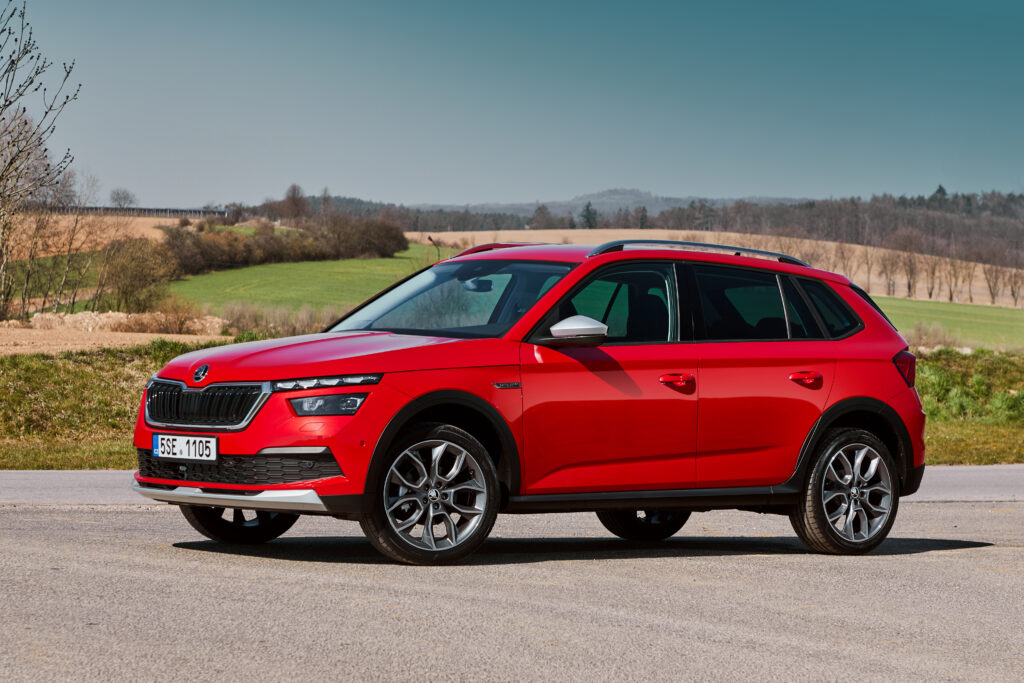
Tyre Pressure for Skoda Kamiq: The Complete, No-Nonsense Guide You’ll Actually Use

Content in this publication
- Understanding Why Tyre Pressure Matters More Than You Think
- Skoda Kamiq Tyre Pressure Overview
- Skoda Kamiq Tyre Pressure Chart (PSI & Bar)
- Where to Find Official Tyre Pressure Values in the Skoda Kamiq
- What Happens If Tyre Pressure Is Too Low?
- What Happens If Tyre Pressure Is Too High?
- Seasonal Considerations: Tyre Pressure in Cold vs Hot Weather
- Recommended Tyre Pressure for Motorway Driving
- Skoda Kamiq TPMS: How the System Works
- How to Reset TPMS on the Skoda Kamiq
- How Often Should You Check Tyre Pressure?
- Tyre Pressure When Carrying Kids, Pets or Cargo
- Fuel Efficiency: How Tyre Pressure Impacts MPG
- Handling and Ride Comfort
- The Best Tools for Checking Tyre Pressure
- Switching Between Winter & Summer Tyres
- Signs Your Tyre Pressure Needs Immediate Attention
- What About the Spare Tyre?
- Closing Thoughts: Tyre Pressure Is Simpler Than It Seems
- FAQs
Understanding Why Tyre Pressure Matters More Than You Think
We’ve all been there—jumping into the Skoda Kamiq on a busy morning, noticing the tyres look fine, and assuming everything’s good to go. But tyre pressure plays a far bigger role than we often give it credit for. It influences fuel consumption, ride comfort, handling, braking stability, and most importantly, your safety.
When the pressure is right, the Kamiq feels light on its feet. When it’s wrong, the car feels sluggish, almost like it’s trying to run a marathon in flip-flops. Nobody wants that.
Skoda Kamiq Tyre Pressure Overview
Skoda typically recommends pressure ranges based on:
- Wheel size
- Load (normal vs fully loaded)
- Driving style
- Speed (regular vs motorway)
For most Skoda Kamiq models—spanning 16", 17", 18", or 19" wheels—tyre pressure generally sits between 32–36 PSI (2.2–2.5 bar) under normal driving conditions.
But let’s break it down properly, because we like things organised, clear, and helpful.
Skoda Kamiq Tyre Pressure Chart (PSI & Bar)
Standard Driver + Light Load
| Wheel Size | Front (PSI / Bar) | Rear (PSI / Bar) |
|---|---|---|
| 16-inch | 32 PSI / 2.2 bar | 32 PSI / 2.2 bar |
| 17-inch | 33 PSI / 2.3 bar | 33 PSI / 2.3 bar |
| 18-inch | 35 PSI / 2.4 bar | 35 PSI / 2.4 bar |
| 19-inch | 36 PSI / 2.5 bar | 36 PSI / 2.5 bar |
Full Load (Passengers + Luggage)
| Wheel Size | Front (PSI / Bar) | Rear (PSI / Bar) |
|---|---|---|
| 16-inch | 35 PSI / 2.4 bar | 38 PSI / 2.6 bar |
| 17-inch | 36 PSI / 2.5 bar | 39 PSI / 2.7 bar |
| 18-inch | 38 PSI / 2.6 bar | 41 PSI / 2.8 bar |
| 19-inch | 39 PSI / 2.7 bar | 42 PSI / 2.9 bar |
These values are representative for the Kamiq range and align with Skoda’s typical recommendations for the chassis.
Where to Find Official Tyre Pressure Values in the Skoda Kamiq
Skoda is kind—they give you pressure values in three easy-to-find places:
- Inside the driver’s door frame (tyre sticker) — the quickest reference.
- The vehicle manual — great for cross-checking.
- The infotainment system — in the “Vehicle Status” section.
When in doubt, the door frame sticker is king.
What Happens If Tyre Pressure Is Too Low?
Driving with underinflated tyres is like cycling with flat bike tyres—you’ll still move, but everything feels heavier.
Consequences of low pressure
- Sluggish steering
- Increased fuel use
- Excess tyre wear on the sides
- Overheating tyre structure (risk of blowout)
- Decreased braking performance
If the car feels oddly soft in corners or drinks more fuel than usual, low tyre pressure may be the culprit.
What Happens If Tyre Pressure Is Too High?
Overinflation is the opposite extreme—and yes, it’s just as bad.
Consequences of high pressure
- Harsh, bouncy ride
- Poor road grip
- Longer braking distances
- Excess wear in the tyre’s centre
- Increased risk on wet or uneven roads
Think of overinflated tyres like balloons—too stiff to flex properly and more likely to burst under stress.
Seasonal Considerations: Tyre Pressure in Cold vs Hot Weather
Cold weather effect
Air contracts in low temperatures, dropping tyre pressure. The Kamiq’s TPMS (Tyre Pressure Monitoring System) will occasionally flash warnings on cold mornings—this is normal.
Hot weather effect
In summer, air expands, increasing pressure. If you last inflated your tyres in winter, you may find them too high when the heat arrives.
General rule of thumb
- Every 5°C temperature change = ~1 PSI pressure change
- Always check pressure first thing in the morning, not after a long drive.
Recommended Tyre Pressure for Motorway Driving
Long, high-speed driving builds tyre heat quickly. Skoda recommends increasing tyre pressure slightly for sustained motorway journeys:
- Add +2 PSI (0.1–0.2 bar) to all tyres
- Don’t exceed the full-load maximum
This helps stabilise the tyres at high speeds.
You may be interested in reading Skoda Kamiq Warning Lights: The Complete Driver’s Guide to Every Dashboard Symbol
Skoda Kamiq TPMS: How the System Works
Your Skoda Kamiq uses an indirect TPMS, meaning it doesn’t measure air pressure itself. Instead, it monitors wheel rotation to detect changes caused by underinflation.
Indirect TPMS can:
- Warn you of a pressure drop in one or more tyres
- Detect one tyre being drastically different from others
Indirect TPMS cannot:
- Tell you the exact PSI
- Detect slow leaks quickly
- Measure pressure while the car is off
That’s why it’s still essential to check with a manual gauge.
How to Reset TPMS on the Skoda Kamiq
After adjusting tyre pressure, resetting the system helps it recalibrate.
Step-by-step TPMS reset
- Turn on ignition (don’t start engine).
- Open the infotainment system.
- Go to Car → Settings → Tyres.
- Select “Set Tyre Pressure” or “Store Tyre Pressure”.
- Confirm the selection.
That’s it. The Kamiq now learns your new baseline.
How Often Should You Check Tyre Pressure?
Our rule: more often than you think.
But here’s the proper recommendation:
Check every:
- 2 weeks (ideal)
- At least monthly
- Before long trips
- Before carrying heavy loads
- Whenever temperatures shift dramatically
It takes 30 seconds at a petrol station… and may save you hundreds of pounds in tyre wear.
Tyre Pressure When Carrying Kids, Pets or Cargo
You’d be surprised how often tyre pressure becomes an afterthought when we load up the Kamiq with:
- Children
- Strollers
- Groceries
- Holiday luggage
- Dogs (and dogs always bring extra stuff)
Whenever you add meaningful weight:
- Increase rear tyre pressure
- Use the “full load” chart above
- Reset TPMS after adjustments
Balanced tyres = safe family.
Fuel Efficiency: How Tyre Pressure Impacts MPG
The Kamiq is known for excellent fuel economy, especially the 1.0 TSI engines. But low tyre pressure can quietly destroy MPG.
Underinflated tyres can reduce fuel economy by:
- 3–6% on average
- Up to 10% in extreme cases
So if your Kamiq normally does 50 MPG, you could drop to as low as 45 MPG—just from tyre pressure.
Handling and Ride Comfort
Consistent tyre pressure keeps the Kamiq riding like the chilled, balanced crossover it was designed to be.
Correct pressure delivers:
- Better corner stability
- More responsive steering
- Smoother bumps
- More confidence at motorway speeds
- Less cabin vibration
Good tyres = calmer journeys.
You may be interested in readingSkoda Kamiq Warning Lights: The Complete Driver’s Guide to Every Dashboard SymbolYou may be interested in reading
 Skoda Kamiq EPC Light: Complete Expert Guide to Fix, Diagnose, and Prevent EPC Problems
The Best Tools for Checking Tyre Pressure
A cheap pressure gauge is good, but a good one is better.
Recommended tools
- Digital tyre gauge (accurate + portable)
- 12V tyre inflator (keeps you prepared)
- TPMS-friendly air compressors (sold at most UK petrol stations)
If you’re a DIY person, this small toolkit is gold.
Switching Between Winter & Summer Tyres
If your region experiences cold winters, you may run winter tyres. These tyres have:
- Softer compounds
- Deeper tread
- Different heat characteristics
Pressure recommendation
Use the same PSI as summer tyres unless specified otherwise on the tyre sidewall or Skoda documentation.
Signs Your Tyre Pressure Needs Immediate Attention
If your Kamiq shows any of these symptoms, check pressure ASAP:
- Steering pulls left or right
- Car feels floaty or bouncy
- Poor MPG
- Audible tyre noise
- TPMS warning
- Vibrations at motorway speeds
- Tyre edges look worn
Better safe than sorry.
What About the Spare Tyre?
The Kamiq’s spare wheel (if equipped) often requires higher pressure, typically:
- ~60 PSI (4.1 bar)
Check your spare every 2–3 months. A flat spare defeats the entire purpose of having one.
Closing Thoughts: Tyre Pressure Is Simpler Than It Seems
If there’s one thing we want you to take away, it’s this: maintaining the right tyre pressure is the easiest way to keep your Skoda Kamiq running safer, smoother, and cheaper. We often overlook it, but tyres are the only thing connecting your Kamiq to the road.
Treat them well, and the Kamiq rewards you with reliability, comfort, and confidence for years to come.
FAQs
1. What is the ideal tyre pressure for a Skoda Kamiq?
Between 32–36 PSI (2.2–2.5 bar) depending on wheel size and load.
2. Does tyre pressure change with weather?
Yes. Cold weather decreases pressure; warm weather increases it.
3. How do I reset the TPMS in the Kamiq?
Through the infotainment system under Car → Settings → Tyres → Store Pressure.
4. Should tyre pressure be higher for motorway trips?
Yes—add about +2 PSI.
5. Will incorrect tyre pressure affect fuel economy?
Absolutely. Low pressure can drop MPG by up to 10%.
You may be interested in readingSkoda Kamiq Warning Lights: The Complete Driver’s Guide to Every Dashboard SymbolYou may be interested in reading
Skoda Kamiq EPC Light: Complete Expert Guide to Fix, Diagnose, and Prevent EPC ProblemsYou may be interested in reading
 Hyundai Kona Tire Pressure: Complete Guide to Recommended PSI, Yearly Charts, Reset Steps & Seasonal Tips
If you want to know other articles similar to Tyre Pressure for Skoda Kamiq: The Complete, No-Nonsense Guide You’ll Actually Use you can visit the category Service and Parts.
Vauxhall Meriva Engine Management Light: Causes, Checks, and Fixes
Vauxhall Meriva Key Fob Replacement: Complete Guide
Vauxhall Meriva Tyre Size: Complete Fitment Guide
Vauxhall Meriva Engine Light: Causes, Diagnosis, and Fixes
Vauxhall Meriva Engine Oil: Complete Selection and Maintenance Guide
Vauxhall Meriva Code 82 Reset: Meaning, Steps, and Fixes
Leave a Reply
More content of your interest