

Ford Kuga Tyre Size: The Complete Guide to Choosing the Right Fit

Content in this publication
- Understanding Why Tyre Size Matters for the Ford Kuga
- Decoding Ford Kuga Tyre Numbers in Plain English
- Ford Kuga Tyre Sizes by Model Year
- Tyre Size Chart by Trim Level
- How Tyre Size Affects Real-World Driving
- Choosing the Ideal Tyre Size for Your Driving Style
- Best Tyre Brands for the Ford Kuga (Our Picks)
- Seasonal Tyre Options for the Ford Kuga
- Can You Change Ford Kuga Tyre Size Safely?
- Tyre Pressure and Its Connection to Tyre Size
- How Tyre Size Influences Tyre Wear
- Tyre Size and Ford Kuga Hybrid Models
- Common Ford Kuga Tyre Size Mistakes to Avoid
- How to Read Tyre Labels When Shopping
- When to Replace Ford Kuga Tyres
- Best Practices for Storing Spare Tyres
- Conclusion: Choosing the Perfect Ford Kuga Tyre Size
- FAQs
Understanding Why Tyre Size Matters for the Ford Kuga
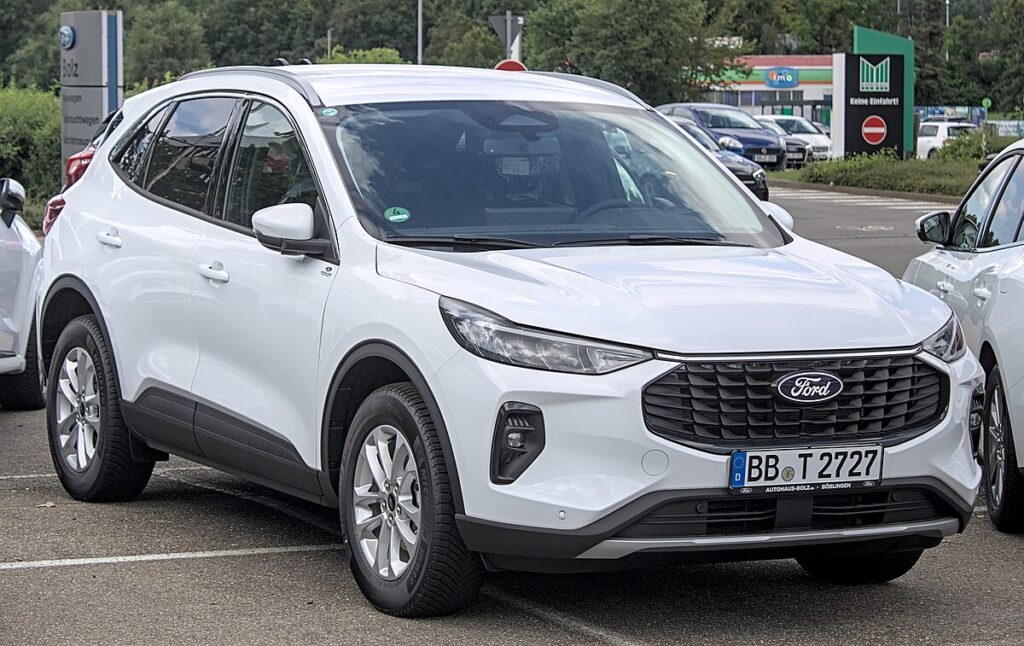
When we talk about tyre size, we’re talking about the foundation of how the Ford Kuga behaves on real roads. The correct size influences grip, comfort, braking, efficiency, and even fuel consumption. Think of tyres as shoes: the wrong pair makes everything feel off. The right pair makes the entire driving experience smoother and safer.
Decoding Ford Kuga Tyre Numbers in Plain English
You’ve seen those numbers on the sidewall—235/55 R17, 215/65 R16, etc. They look cryptic, but once we break them down, everything clicks.
What Each Number Means
- Width (mm) – The first number, like 235, is the width.
- Aspect ratio (%) – The second number shows sidewall height relative to width.
- Construction type – The letter R means radial construction.
- Rim diameter (inches) – The number after R, such as 17, tells you wheel size.
- Load index – The maximum load the tyre can support.
- Speed rating – The maximum safe operating speed.
Ford Kuga Tyre Sizes by Model Year
Different generations have different requirements. We break them down fully so you know exactly what fits your Kuga.
First Generation (2008–2012)
The original Kuga offered a practical selection of tyre setups.
Common Sizes
- 215/65 R16
- 235/55 R17
- 235/45 R19 (sport trims)
Second Generation (2013–2019)
This generation expanded options and introduced more powerful engines, influencing tyre choices.
Common Sizes
- 215/60 R17
- 235/50 R18
- 235/45 R19
Third Generation (2020–Present)
The latest Ford Kuga, with hybrid and plug-in hybrid options, uses more modern wheel setups.
Common Sizes
- 215/65 R17
- 225/60 R18
- 225/55 R19
- 245/45 R20 (Vignale / sporty variants)
Tyre Size Chart by Trim Level
To simplify things, here’s a structured list of typical Ford Kuga tyre sizes by popular trims.
Trend / Zetec
- 215/65 R16
- 215/60 R17
Titanium / Titanium X
- 235/50 R18
- 235/55 R17
ST-Line / ST-Line X
- 235/45 R19
- 225/55 R19
Vignale
- 235/45 R19
- 245/45 R20

How Tyre Size Affects Real-World Driving
Tyre size isn’t only about compatibility—it determines how your Kuga feels in your hands.
Ride Comfort
Smaller wheels with taller sidewalls deliver:
- Softer ride
- Better cushion over potholes
- Less cabin vibration
Handling and Steering Feel
Larger wheels with low-profile tyres offer:
- Sharper response
- Stronger cornering grip
- More road feedback
Fuel Efficiency
Wider tyres = more grip, but also more drag.
Narrower tyres = improved MPG in many cases.
Choosing the Ideal Tyre Size for Your Driving Style
Your choice should match how and where you drive.
For City Driving
- Prefer: 215/65 R16 or 215/60 R17
- Reason: comfortable, economical, quieter
For Motorway Cruising
- Prefer: 235/50 R18
- Reason: stable, smooth, balanced for long trips
For Sporty Drivers
- Prefer: 235/45 R19 or 245/45 R20
- Reason: maximum grip + sharp steering
Best Tyre Brands for the Ford Kuga (Our Picks)
We’ve tested and researched the market, and a few options rise above the rest.
- Michelin Primacy 4+
- Continental EcoContact 6
- Goodyear EfficientGrip Performance
Mid-Range Category
- Falken Ziex ZE310
- Nexen N’Fera SU2
- Kumho Ecsta HS52
Budget Options
- Avon ZV7
- Firestone Roadhawk
- Goodride SA57
Seasonal Tyre Options for the Ford Kuga
Depending on your climate, you might benefit from season-specific tyres.
Summer Tyres
Designed for warm weather and dry/wet performance.
Winter Tyres
Offer improved grip below 7°C thanks to softer rubber compounds.
All-Season Tyres
The ideal “one-set” solution for mixed UK & EU climates.
Can You Change Ford Kuga Tyre Size Safely?
Yes—within limits. Here’s what we consider before changing sizes.
Safe Range Rules
- Keep total diameter within ±3%.
- Maintain proper load index.
- Maintain equal front/rear sizes unless professionally modified.
Examples of Safe Upsizing
- From 17" → 18": 215/65 R17 → 235/50 R18
- From 18" → 19": 235/50 R18 → 235/45 R19
Tyre Pressure and Its Connection to Tyre Size
Correct tyre size only works if pressure is properly maintained.
Typical Ford Kuga Tyre Pressure Ranges
- 2.2–2.5 bar / 32–36 psi (normal load)
- Up to 2.8 bar / 41 psi (full load)
Why Pressure Matters
- Extends tyre life
- Improves braking performance
- Enhances fuel efficiency
- Avoids uneven wear
How Tyre Size Influences Tyre Wear
Larger, wider tyres tend to wear more quickly—especially if alignment is off.
Smaller tyres last longer but may offer less grip under spirited driving.
Tips to Maximise Tyre Life
- Rotate every 6,000–7,000 miles
- Align annually
- Avoid aggressive acceleration
- Check pressure monthly
Tyre Size and Ford Kuga Hybrid Models
Hybrid and plug-in hybrid versions often use slightly different wheel specifications.
Why Hybrids Need Specific Tyres
- They are typically heavier due to battery packs
- Require low-rolling-resistance tyres for efficiency
- Demand quiet tread patterns for cabin refinement
Common Ford Kuga Tyre Size Mistakes to Avoid
We’ve seen these mistakes time and again when owners rush tyre choices.
Avoid These Issues
- Mixing brands inconsistently
- Choosing tyres with low load ratings
- Upsizing without checking diameter impact
- Buying cheap tyres with poor wet braking ratings
How to Read Tyre Labels When Shopping
New EU tyre labels help you compare safety and efficiency at a glance.
What to Look For
- Fuel rating (A–E)
- Wet braking rating (A–E)
- Noise level (in decibels)
- Snow/Ice symbols (3PMSF symbol for winter tyres)
When to Replace Ford Kuga Tyres
A worn tyre can compromise everything—braking distance, grip, fuel economy.
Key Signs It’s Time
- Tread depth below 3 mm
- Cracks or bulges
- Vibrations at high speeds
- Uneven wear patterns
Best Practices for Storing Spare Tyres
If you keep seasonal or spare tyres, storage matters.
Storage Tips
- Keep them out of direct sunlight
- Avoid humidity
- Store horizontally if unmounted
- Store vertically if mounted
Conclusion: Choosing the Perfect Ford Kuga Tyre Size
Finding the perfect tyre size for your Ford Kuga is about balance—balancing comfort, grip, efficiency, and style. When we understand tyre numbers, compare generation-specific sizes, and match our driving habits to the correct specifications, choosing becomes simple and empowering. With the right tyres, your Kuga drives smoother, responds quicker, brakes shorter, and feels more confident on every journey ahead.
FAQs
1. What is the most common Ford Kuga tyre size?
The most widely used sizes include 215/65 R17, 235/55 R17, and 235/50 R18, depending on model year and trim.
2. Can I fit 19-inch tyres on my Ford Kuga?
Yes, if your model supports them. Many trims can use 235/45 R19, especially ST-Line and Vignale.
3. Do hybrid versions need special tyres?
Many hybrids benefit from low-rolling-resistance tyres designed for efficiency and weight handling.
4. What tyre size is best for fuel economy?
Sizes like 215/60 R17 often deliver the best MPG due to reduced rolling resistance.
5. Can changing tyre size affect the speedometer?
Yes, large deviations in diameter can alter speedometer readings, so always stay within a 3% variation.
If you want to know other articles similar to Ford Kuga Tyre Size: The Complete Guide to Choosing the Right Fit you can visit the category Service and Parts.
Land Rover Defender 90 Tyre Pressure: Complete Guide
Land Rover Defender 90 Weight: Kerb Weight, GVW and Payload Explained
Land Rover Defender 90 Towing Capacity: Complete Guide
Land Rover Defender 90 Boot Space: Size, Dimensions and Practicality
Toyota Hilux Key Battery Replacement: Complete DIY Guide
Toyota Hilux Windscreen Replacement Cost: Prices, Factors, and Money-Saving Tips
Leave a Reply
More content of your interest