
Nissan Leaf Charger Type: The Complete Guide to Plugs, Charging Speeds & Real-World Compatibility

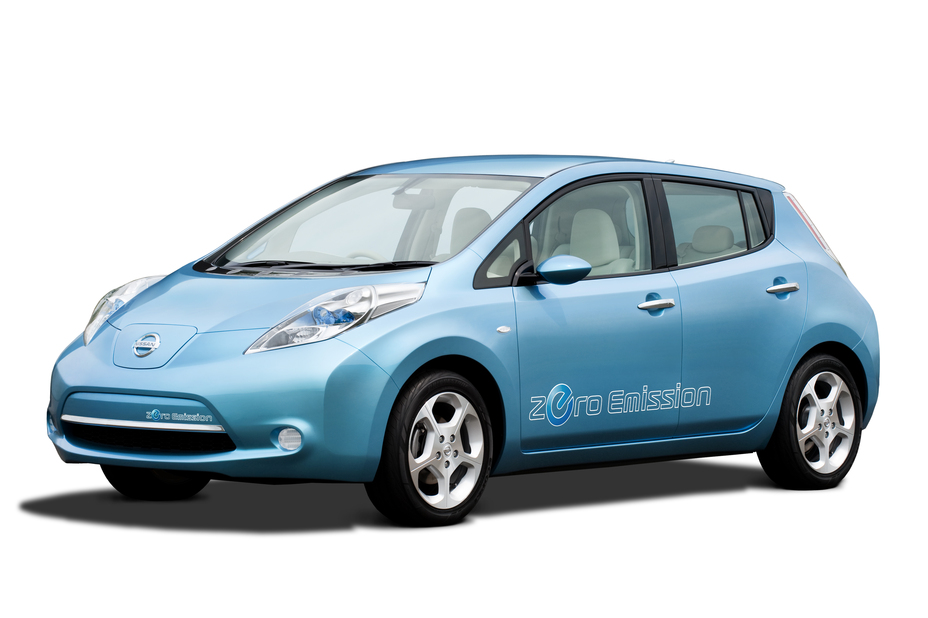
When we talk about owning a Nissan Leaf, one of the first things we think about—apart from range, battery health, and how quiet it feels—is the charger type. Because in the EV world, understanding charging plugs isn’t optional; it’s essential. Whether we’re planning road trips, installing a home charger, or hunting for the fastest public DC station, knowing the Leaf’s charger type shapes our entire charging experience.
In this comprehensive guide, we explore every charging plug the Nissan Leaf uses, how they evolved over each generation, how fast each can charge, which adapters work, and what real-world owners should expect. Our goal here is simple: provide the most complete, human-written guide online—clear, friendly, and utterly practical.
Let’s plug in. (Pun 100% intended.)
Content in this publication
- Understanding the Nissan Leaf Charger Setup
- Why Charger Type Matters for Nissan Leaf Owners
- Nissan Leaf Charger Types by Generation
- AC Charging Explained: Nissan Leaf’s Everyday Plug
- DC Fast Charging: CHAdeMO and the Leaf
- Charging Modes Available on the Nissan Leaf
- Nissan Leaf Charging Speeds: Complete Breakdown
- Adapter Compatibility – What Works and What Doesn’t
- Home Charging Setup for Nissan Leaf Owners
- CHAdeMO vs CCS: The Charging Standard Debate
- Finding Compatible Chargers When Travelling
- Battery Health & Charger Type
- Recommended Charging Routine for Nissan Leaf Owners
- Future of Charging Standards & the Nissan Leaf
- Conclusion: Nissan Leaf Charger Type—Simple, Reliable, and Still Relevant
- FAQs
Understanding the Nissan Leaf Charger Setup
The Nissan Leaf has been on the market since 2010, and across its generations, it has used two primary charging interfaces:
- Type 1 (J1772) → AC charging (all model years)
- CHAdeMO → DC fast charging (most trims, depending on year)
And globally:
- Europe eventually transitioned from Type 1 → Type 2, aligned with EU regulations.
- CHAdeMO remained standard across most trims until 2024.
To keep it simple:
The Leaf uses Type 1/Type 2 for AC and CHAdeMO for DC.
But there’s far more nuance behind each plug.
Why Charger Type Matters for Nissan Leaf Owners
We often think charging speed depends only on charger power, but the plug type also limits:
- Maximum current
- Supported charging modes
- Adapter compatibility
- Charging infrastructure availability
- Home installation costs
- Long-distance trip planning
Understanding the Leaf’s charging architecture means avoiding surprises—like pulling up to a CCS-only charger with no CHAdeMO port, or discovering a hotel’s wall socket only gives you 3–4 miles per hour of charge.
Nissan Leaf Charger Types by Generation
Let’s break down charger types by model years for absolute clarity.
First Generation (2011–2017) – Gen 1
- AC Plug: Type 1 (J1772)
- DC Plug: CHAdeMO
- Max AC Power: 3.3 kW (standard), 6.6 kW (optional after 2013)
- Max DC Power: Up to 50 kW CHAdeMO
This generation relies heavily on Type 1, commonly found in North America and Japan.
Second Generation (2018–2024) – Gen 2
Same structure but with improvements:
- AC Plug: Type 1 (North America), Type 2 (Europe)
- DC Plug: CHAdeMO
- Max AC Power: 6.6 kW
- Max DC Power: Up to 50–100 kW depending on battery and charger
The Leaf e+ (62 kWh) can hit higher DC peaks but still uses CHAdeMO.
Third Generation (2024+) – Transition Era
Nissan began transitioning away from CHAdeMO in some markets, though many Leafs still rely on it:
- AC Plug: Type 1 or Type 2
- DC Plug: CHAdeMO (phasing out in some regions)
As CCS Combo 1/2 becomes dominant, CHAdeMO availability decreases in Europe and North America. This makes knowing your plug type even more critical for long-term Leaf ownership.
AC Charging Explained: Nissan Leaf’s Everyday Plug
AC (Alternating Current) charging covers:
- Home chargers
- Workplace chargers
- Public Level 2 chargers
- Many hotel chargers
- Some mall or parking-garage chargers
Type 1 (J1772) – North American Leaf Models
Found in most Leafs sold in the US/Canada.
Characteristics:
- Single-phase charging
- Maximum 7.2 kW
- Most Leafs charge at 3.3–6.6 kW
- Mechanically secure, simple latch design
Type 1 may be fading globally, but in North America, it's still everywhere.
You may be interested in reading Nissan Leaf Tire Pressure: The Complete, Human-Crafted Guide to Perfect EV Tyre Inflation
Type 2 – European Leaf Models
European Leafs use Type 2 Mennekes, which offers:
- Up to 7.4 kW single-phase
- Up to 22 kW three-phase (though the Leaf’s onboard charger limits it)
Remember:
The Leaf cannot charge faster than its onboard AC rating, even on a high-power station.
DC Fast Charging: CHAdeMO and the Leaf
If AC charging is your day-to-day routine, CHAdeMO is your highway lifeline.
Why the Leaf Uses CHAdeMO
CHAdeMO was an early global standard and allowed fast charging long before CCS existed. It features:
- A large connector with locking teeth
- Communication outside the AC pins (older but stable protocol)
- Up to 50–100 kW charging on compatible Leafs
- Bidirectional capability (vehicle-to-grid & vehicle-to-home)
Real-world DC charging speeds
Actual speeds depend on:
- Battery temperature
- State of charge
- Charger cooling architecture
- Battery degradation
- Outside temperature
Typical expectations:
40 kWh Leaf:
- Peak ~45–50 kW
- Drops after ~50–60% SOC
62 kWh Leaf e+:
- Peak ~70–100 kW (rare but possible)
- Holds higher speed longer due to better thermal profile
CHAdeMO may be aging, but its reliability remains excellent.
Charging Modes Available on the Nissan Leaf
Mode 1 – Slow Charging (Not Recommended)
Using a household cable with no safety box.
The Leaf generally avoids this due to safety standards.
Mode 2 – Portable “Granny” Charger
Included with many Leafs:
- Plug into normal wall socket
- 1.4–2.3 kW
- Slow, but useful in emergencies
Mode 3 – AC Charging Stations
Typical Level 2 public chargers.
- Requires Type 1/Type 2
- 3.3 to 6.6 kW depending on Leaf model
Mode 4 – DC Fast Charging (CHAdeMO)
The Leaf’s fastest method.
- Direct DC into the battery
- Great for long trips
Nissan Leaf Charging Speeds: Complete Breakdown
Let’s compare charging speeds clearly.
AC Charging Times
| Battery | 3.3 kW | 6.6 kW | 7.2 kW |
|---|---|---|---|
| 24 kWh | 8–10 h | 4–5 h | 4–5 h |
| 30 kWh | 10–12 h | 5–6 h | 5–6 h |
| 40 kWh | 12–14 h | 7–8 h | 6–7 h |
| 62 kWh | 18–20 h | 10–11 h | 9–10 h |
DC Fast Charging Times
| Battery | 20% → 80% | Peak Power |
|---|---|---|
| 24/30 kWh | 20–30 min | ~45–50 kW |
| 40 kWh | 40–60 min | ~45–50 kW |
| 62 kWh | 45–90 min | ~70–100 kW |
Adapter Compatibility – What Works and What Doesn’t
You Can Use:
- Type 1 → Type 2 adapter (AC only)
- Type 2 → Type 1 adapter (AC only)
- Portable EVSE with Type 1 plug
- Level 1/2 charging extensions
These allow more AC flexibility but do not increase charging speed.
You Cannot Use:
- CHAdeMO → CCS adapter (not available)
- CCS → CHAdeMO adapter (commercially nonviable)
- Tesla North America → CHAdeMO without a third-party solution
CHAdeMO’s nature makes adaption incredibly complex, which is why no robust commercial adapter exists.
Home Charging Setup for Nissan Leaf Owners
Home charging is where the Leaf truly shines.
Standard Home Setup
- 7.2 kW wallbox
- Dedicated breaker
- Hardwired or socketed
- Wi-Fi or RFID optional
Why Home Charging Works Well
- Slow charging is healthy for the battery
- Lowest cost per kWh
- Convenient overnight replenishment
- Controlled temperatures improve longevity
Smart Charger Benefits
- Scheduled charging
- Solar integration
- Load balancing
- Energy-tariff optimisation
A Leaf paired with a smart wallbox = effortless daily ownership.
You may be interested in readingNissan Leaf Tire Pressure: The Complete, Human-Crafted Guide to Perfect EV Tyre InflationYou may be interested in reading
 Nissan Leaf Boot Space: Complete Practical Guide to Cargo Capacity & Everyday Usability
CHAdeMO vs CCS: The Charging Standard Debate
As we move towards 2025 and beyond, the EV world is standardising around CCS Combo 1/2.
Advantages of CHAdeMO (Leaf Owners Benefit)
- Very reliable handshake
- V2G support (a huge advantage)
- Mature ecosystem
- Plenty of infrastructure in Japan and older networks
Drawbacks of CHAdeMO
- Fewer stations being built each year
- CCS now dominates in North America and Europe
- High-power CHAdeMO (>100 kW) rare outside Japan
The Leaf’s reliance on CHAdeMO isn’t a problem today, but long-term fast-charging availability will shrink.
Finding Compatible Chargers When Travelling
Long-distance Leaf travel takes planning, but it’s completely doable.
Best Apps for Leaf Owners
- PlugShare
- ChargePoint
- EVgo
- Electrify America (fewer CHAdeMO each year)
- ChargeMap
- A Better Routeplanner
Strategy for Road Trips
- Identify CHAdeMO locations ahead of time
- Avoid charging past 80%
- Monitor battery temperature
- Use slower AC at hotels to offset daytime DC sessions
With a bit of planning, the Leaf works wonderfully as a travel companion.
Battery Health & Charger Type
We all know Leaf battery longevity is crucial—especially with earlier models lacking active cooling.
How Charger Type Affects Battery Health
Frequent DC fast charging:
- Raises temperatures
- Accelerates degradation
- Reduces long-term capacity
AC charging:
- Gentle on cells
- Ideal for everyday use
- Slower = cooler = healthier
Owner Rule of Thumb
Use AC for daily charging; reserve CHAdeMO for trips.
Recommended Charging Routine for Nissan Leaf Owners
Here’s the optimal charging strategy:
Daily Use
- Charge between 20%–80%
- Use AC charging (home or workplace)
- Avoid leaving battery full overnight
Road Trips
- Use CHAdeMO
- Stop charging at 80%
- Allow battery to cool naturally
Future of Charging Standards & the Nissan Leaf
As newer EVs embrace CCS and NACS (Tesla standard), the Leaf sits at a crossroads. Nissan has already moved to CCS for new models, but existing Leaf owners remain part of the CHAdeMO era.
What This Means for Owners
- CHAdeMO will remain supported for years
- Infrastructure won’t disappear suddenly
- Long-term, CCS/NACS adapters may emerge
- Vehicle-to-grid capability gives CHAdeMO ongoing value
The Leaf still holds a special role in the EV ecosystem.
Conclusion: Nissan Leaf Charger Type—Simple, Reliable, and Still Relevant
Understanding the Nissan Leaf’s charger type empowers us to charge confidently, travel farther, and preserve battery health. Whether we’re plugging into Type 1/Type 2 at home or tapping into CHAdeMO on the highway, the Leaf’s charging system offers reliability and predictability.
Even in a world shifting toward CCS and NACS, the Leaf remains a capable, practical EV—with a charging ecosystem that still works remarkably well.
FAQs
1. What charger type does the Nissan Leaf use?
Type 1/Type 2 for AC and CHAdeMO for DC fast charging.
2. Can I use CCS fast chargers with a Nissan Leaf?
No—CCS adapters do not exist for the Leaf.
3. How fast can the Nissan Leaf charge on CHAdeMO?
Between 45–100 kW depending on model and battery temperature.
4. Is Type 1 or Type 2 better?
Type 2 is more flexible globally, but Leaf AC charging speed depends on its onboard charger, not the plug.
5. Is it safe to fast charge the Leaf frequently?
Yes, but frequent CHAdeMO use increases battery temperatures, so moderation helps long-term battery health.
You may be interested in readingNissan Leaf Tire Pressure: The Complete, Human-Crafted Guide to Perfect EV Tyre InflationYou may be interested in reading
Nissan Leaf Boot Space: Complete Practical Guide to Cargo Capacity & Everyday UsabilityYou may be interested in reading
 Nissan Leaf Battery Size: Complete Guide to Capacities, Range, and Real-World Performance
If you want to know other articles similar to Nissan Leaf Charger Type: The Complete Guide to Plugs, Charging Speeds & Real-World Compatibility you can visit the category Service and Parts.
Vauxhall Meriva Engine Management Light: Causes, Checks, and Fixes
Vauxhall Meriva Key Fob Replacement: Complete Guide
Vauxhall Meriva Tyre Size: Complete Fitment Guide
Vauxhall Meriva Engine Light: Causes, Diagnosis, and Fixes
Vauxhall Meriva Engine Oil: Complete Selection and Maintenance Guide
Vauxhall Meriva Code 82 Reset: Meaning, Steps, and Fixes
Leave a Reply
More content of your interest