
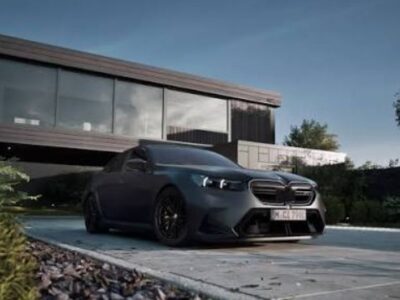
Cupra Born Charger Type Explained: What You Really Plug Into


We’ve all been there. You’re eyeing the Cupra Born, loving its sharp lines and electric attitude, and then the practical question hits: what charger type does the Cupra Born actually use? This is where curiosity meets real-world ownership. Charging isn’t just a spec-sheet detail—it’s the heartbeat of everyday EV life.
In this guide, we’ll unpack the Cupra Born charger type from every angle. No fluff, no copy-paste clichés. Just a clear, human breakdown of how you charge it at home, on the street, and on those long motorway runs when the battery bar starts blinking like a warning light in a sci-fi movie.
Let’s plug in ⚡
Content in this publication
- Why Charger Type Matters More Than You Think
- The Cupra Born at a Glance (Charging Context)
- What Charger Type Does the Cupra Born Use?
- AC Charging: Type 2 Explained
- AC Charging Power: How Fast Is Type 2 on the Born?
- Home Charging with the Cupra Born
- DC Fast Charging: CCS Connector Explained
- DC Charging Speed: How Fast Can the Born Go?
- Why the Charger Type Is a Big Advantage
- Public Charging: What You’ll Encounter
- Charging Cables: What Comes with the Cupra Born?
- Charging Etiquette: Small Things That Matter
- Cupra Born Charging vs Rivals
- Cold Weather & Charging Performance
- Future Charging Compatibility
- Common Myths About Cupra Born Charging
- Is the Cupra Born Charger Type Good for Long Trips?
- Everyday Charging Strategy We Recommend
- Ownership Perspective: Living with the Charger Type
- Closing Thoughts: Plug, Play, Enjoy
- Frequently Asked Questions
Why Charger Type Matters More Than You Think
Charger type is to an EV what fuel type is to a combustion car—but with more layers.
It affects:
- Where you can charge
- How fast you can charge
- How much you’ll pay
- How stress-free your ownership feels
Get this right, and the Cupra Born becomes effortless. Get it wrong, and charging becomes a daily puzzle.
The Cupra Born at a Glance (Charging Context)
Before diving into sockets and cables, let’s ground ourselves in what the Cupra Born is.
- Fully electric hatchback
- Built on the VW Group MEB platform
- Shared DNA with the VW ID.3—but with Cupra attitude
- Available with multiple battery sizes depending on version
Why does this matter? Because the MEB platform defines the charging hardware—and that’s a good thing.
What Charger Type Does the Cupra Born Use?
The Short Answer
The Cupra Born uses a Type 2 charger for AC charging and CCS (Combined Charging System) for DC fast charging.
That’s the European EV gold standard.
AC Charging: Type 2 Explained
What Is a Type 2 Charger?
Type 2 (also called Mennekes) is the most common AC charging connector in Europe.
It’s:
- Universal across modern European EVs
- Compatible with home chargers and public AC points
- Reliable, safe, and widely supported
Cupra Born + Type 2 = Perfect Match
Every Cupra Born comes with a Type 2 AC charging port as standard.
This means you can:
- Charge at home using a wallbox
- Plug into public AC chargers across Europe
- Use untethered charging posts with your own cable
AC Charging Power: How Fast Is Type 2 on the Born?
Standard AC Charging Speed
The Cupra Born supports:
- Up to 11 kW AC charging
This is three-phase charging, which is ideal for European homes and public chargers.
What That Means in Real Life
At 11 kW:
- Overnight charging is effortless
- A full charge typically takes 6–7 hours, depending on battery size
- Perfect for home or workplace charging
Think of AC charging as your daily routine—slow, steady, and predictable.
Home Charging with the Cupra Born
Wallbox vs Socket: What We Recommend
Yes, you can charge via a standard household socket—but we wouldn’t rely on it.
You may be interested in reading Cupra Born Towing Capacity: What This Electric Hatchback Can (and Can’t) Pull
Best Option: Dedicated Wallbox
- 7.4 kW (single-phase) or 11 kW (three-phase)
- Faster, safer, more efficient
- Future-proof for other EVs
Emergency Option: 3-Pin Plug
- Very slow (2–2.3 kW)
- Best kept for occasional top-ups
If EV ownership is a marathon, the wallbox is your running shoe. The socket is flip-flops.
DC Fast Charging: CCS Connector Explained
What Is CCS?
CCS (Combined Charging System) combines:
- Type 2 pins (top)
- Two additional DC pins (bottom)
This allows rapid DC charging at motorway and high-power stations.
Cupra Born Uses CCS as Standard
No upgrades required. Every Cupra Born includes:
- CCS charging port
- Compatibility with rapid and ultra-rapid chargers
DC Charging Speed: How Fast Can the Born Go?
Charging speed depends on battery version, but here’s the real-world picture.
Typical DC Charging Capability
- Up to 120 kW – 170 kW, depending on version
- 10% to 80% in around 30 minutes
That’s coffee-break charging. Blink and you’re back on the road.
Why the Charger Type Is a Big Advantage
The Cupra Born’s charging setup is future-proof.
Key Benefits
- Compatible with nearly all European chargers
- No proprietary cables
- Easy access to public infrastructure
- No “wrong plug” anxiety
It’s like owning a phone that uses USB-C instead of a weird brand-only cable.
Public Charging: What You’ll Encounter
AC Public Chargers
- Type 2 socket
- You bring your cable
- Ideal for shopping centres, car parks, workplaces
DC Rapid Chargers
- Fixed CCS cable
- Plug and charge
- Found on motorways and main routes
The Born speaks both languages fluently.
Charging Cables: What Comes with the Cupra Born?
Standard Equipment
Usually included:
- Type 2 to Type 2 AC cable
What’s Often Optional
- 3-pin domestic charging cable (market-dependent)
Always check your local dealer—but the essentials are there.
Charging Etiquette: Small Things That Matter
Owning an EV isn’t just about plugs—it’s about manners.
We recommend:
- Don’t hog DC chargers once you hit 80%
- Use AC chargers when you have time
- Coil your cable neatly
- Unplug when finished
EV life works best when everyone plays fair.
Cupra Born Charging vs Rivals
Compared to VW ID.3
- Same charger types
- Similar speeds
- Born has sportier tuning
Compared to Tesla
- Tesla uses CCS in Europe (now compatible)
- Born doesn’t rely on proprietary systems
- More universal public access
The Born plays nicely with everyone.
Cold Weather & Charging Performance
Charger type stays the same—but speed can change.
In winter:
- DC charging may slow initially
- Battery preconditioning helps (if equipped)
- AC charging remains stable
Think of it like warming up before a sprint.
Future Charging Compatibility
With Type 2 + CCS, the Cupra Born is well set for:
You may be interested in readingCupra Born Towing Capacity: What This Electric Hatchback Can (and Can’t) PullYou may be interested in reading
 Cupra Born Charging Time: How Long It Really Takes to Power Up
- Upcoming ultra-rapid chargers
- Grid upgrades
- Smart home energy systems
This isn’t tech that’ll feel outdated in two years.
Common Myths About Cupra Born Charging
“You need special chargers”
Nope. Standard European connectors.
“Home charging is complicated”
It’s actually simpler than petrol station routines.
“Fast charging damages the battery”
Occasional DC charging is perfectly fine when managed properly.
Is the Cupra Born Charger Type Good for Long Trips?
Absolutely.
With CCS fast charging:
- Motorway travel is practical
- Charging stops are short and predictable
- Route planning apps make life easy
Road trips feel less like planning a mission to Mars—and more like, well, driving.
Everyday Charging Strategy We Recommend
Here’s a simple rhythm that works:
- Home AC charging for daily use
- Public AC when parked for hours
- DC fast charging only when travelling
Balance is the secret sauce.
Ownership Perspective: Living with the Charger Type
After the novelty wears off, what remains is convenience.
The Cupra Born’s charger type:
- Blends seamlessly into daily life
- Requires minimal thought
- Just works
And honestly? That’s the highest compliment.
Closing Thoughts: Plug, Play, Enjoy
The Cupra Born charger type isn’t exotic or complicated—and that’s exactly the point. With Type 2 for everyday charging and CCS for rapid top-ups, it fits perfectly into Europe’s charging ecosystem.
No adapters. No guesswork. No drama.
Just plug in, step away, and let the electrons do their thing.
Frequently Asked Questions
1. What charger type does the Cupra Born use at home?
The Cupra Born uses a Type 2 connector for AC home charging, supporting up to 11 kW.
2. Can the Cupra Born use rapid chargers?
Yes. It uses CCS for DC fast charging at motorway and high-power stations.
3. Is a charging cable included with the Cupra Born?
Typically, a Type 2 to Type 2 cable is included. Domestic cables may be optional.
4. Can I charge the Cupra Born from a normal plug?
Yes, but it’s slow. A wallbox is strongly recommended.
You may be interested in readingCupra Born Towing Capacity: What This Electric Hatchback Can (and Can’t) PullYou may be interested in reading
Cupra Born Charging Time: How Long It Really Takes to Power UpYou may be interested in reading
 Cupra Born Key Battery Replacement: A Simple Fix That Saves Your Day
5. Is the Cupra Born compatible with all public chargers?
In Europe, yes—thanks to Type 2 and CCS compatibility.
If you want to know other articles similar to Cupra Born Charger Type Explained: What You Really Plug Into you can visit the category Service and Parts.
BMW M5 Weight: How Heavy Is the M5 by Generation?
BMW M5 Oil Change Cost: What You Should Expect to Pay
BMW M5 Engine Specs: Complete Guide to Every Generation

Ford Edge Oil Type: Complete Guide by Engine and Model Year
Ford Edge Wiper Blade Size: Complete Year-by-Year Guide
Ford Edge Water Pump Replacement Cost: What Owners Should Expect
Leave a Reply
More content of your interest