

Honda CR-V Gas Type: What Fuel Your CR-V Really Needs

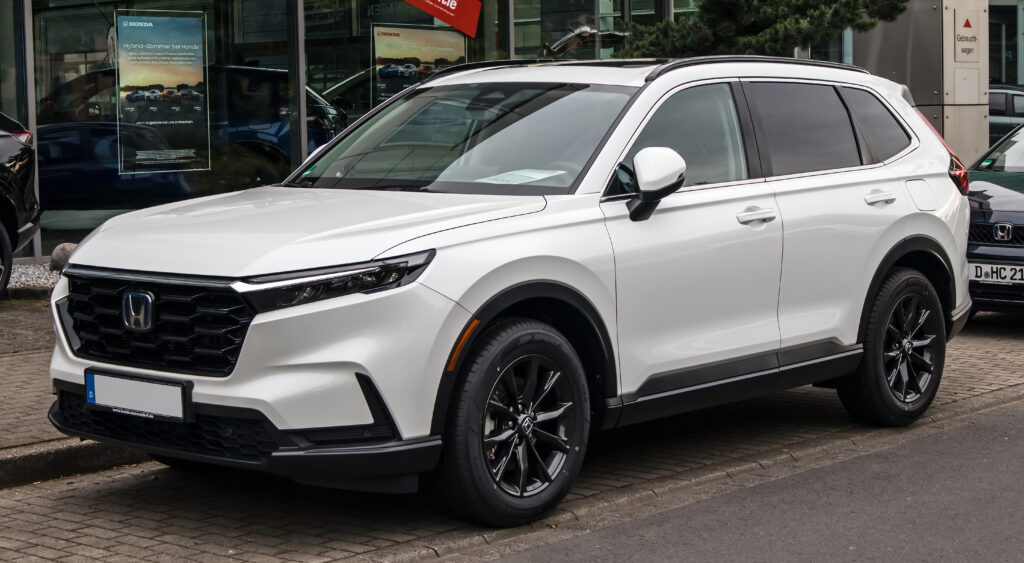
Choosing the right fuel for your Honda CR-V isn’t rocket science—but it’s also not something we should guess at. Fuel choice affects performance, efficiency, longevity, and even how much joy we squeeze out of every drive. In this guide, we’ll walk together through everything you need to know about Honda CR-V gas type, from regular unleaded basics to myths about premium fuel, ethanol blends, hybrids, and real-world driving habits.
Think of this as a friendly garage conversation—no stiff manuals, no confusing jargon, just clear answers you can actually use.
Content in this publication
- Why Fuel Type Matters More Than We Think
- What Gas Type Does the Honda CR-V Use? (Short Answer)
- Understanding Octane Ratings (Without the Headache)
- Honda CR-V Gas Type by Generation
- Turbocharged CR-V: Does It Need Premium Gas?
- Honda CR-V Hybrid: Is Gas Type Different?
- Can You Use Ethanol Gas in a Honda CR-V?
- Does Premium Gas Improve MPG in a CR-V?
- Fuel Economy Expectations by Gas Type
- What Happens If You Use the Wrong Gas?
- Seasonal Fuel Considerations
- Driving Habits That Affect Fuel Needs
- Fuel Additives: Helpful or Hype?
- How to Confirm Your CR-V’s Fuel Type
- Cost Comparison: Regular vs Premium Over a Year
- Environmental Impact of Using Correct Fuel
- Common Myths About Honda CR-V Gas Type
- When Might Premium Fuel Make Sense? (Rare Cases)
- Closing Thoughts: Fuel Smart, Drive Happy
- FAQs About Honda CR-V Gas Type
Why Fuel Type Matters More Than We Think
Fuel is like blood in the veins of your CR-V. Feed it right, and it runs smoothly for years. Feed it wrong—or unnecessarily expensive fuel—and you’re either hurting performance or wasting money.
Using the correct gas type helps us:
- Maximize fuel economy
- Protect the engine from knocking
- Maintain manufacturer reliability
- Avoid long-term repair costs
And let’s be honest—fuel prices aren’t exactly forgiving these days.
What Gas Type Does the Honda CR-V Use? (Short Answer)
Regular Unleaded Is the Standard
Most Honda CR-V models are designed to run on:
- Regular unleaded gasoline
- 87 octane (AKI) in the United States
That’s it. No premium required. No fancy blends needed.
Honda engineers tuned the CR-V engine to deliver optimal performance, efficiency, and durability using regular fuel. Using higher octane won’t magically unlock extra horsepower.
Understanding Octane Ratings (Without the Headache)
Octane measures how resistant fuel is to engine knock. Higher octane doesn’t mean “better”—it means more knock-resistant.
Octane Levels Explained
- 87 octane – Regular (recommended)
- 89 octane – Mid-grade (optional, unnecessary)
- 91–93 octane – Premium (not required)
The CR-V doesn’t have a high-compression engine that needs premium fuel. Giving it premium is like buying running shoes for a casual stroll—nice, but pointless.
Honda CR-V Gas Type by Generation
First & Second Generation (1997–2006)
These early CR-Vs were simple, reliable, and fuel-friendly.
- Recommended fuel: 87 octane
- Engines: Naturally aspirated 4-cylinders
- Ethanol: Limited compatibility with E10
Third Generation (2007–2011)
Honda refined efficiency without complicating fuel needs.
- Gas type: Regular unleaded
- Octane: 87
- Improved fuel injection systems
Fourth Generation (2012–2016)
More tech, same fuel simplicity.
- Fuel: 87 octane
- No benefit from premium
- Optimized for daily commuting
Fifth Generation (2017–2022)
This is where turbocharging entered the chat.
- 1.5L turbo engine
- Fuel required: 87 octane
- Premium optional—but unnecessary
Even with a turbo, Honda calibrated the engine for regular gas.
Sixth Generation (2023–Present)
Modern, refined, and still budget-friendly.
- Gas type: Regular unleaded
- Octane: 87
- Hybrid models included (more on that soon)
Short answer: No.
Long answer: Honda designed the turbocharged CR-V engine with:
You may be interested in reading Honda CR-V Windshield Wiper Size: The Complete Owner’s Guide We Actually Use
- Conservative boost levels
- Knock sensors
- ECU tuning optimized for 87 octane
Premium fuel won’t hurt—but it won’t help either. No added power. No better MPG. Just higher fuel bills.
Honda CR-V Hybrid: Is Gas Type Different?
Same Gas Rules Apply
Honda CR-V Hybrid models still use:
- Regular unleaded gasoline
- 87 octane
The electric motor assists the engine, but the gasoline side follows the same fuel rules as non-hybrid models.
Can You Use Ethanol Gas in a Honda CR-V?
E10 Is Safe
Most Honda CR-Vs are fully compatible with:
- E10 fuel (up to 10% ethanol)
This is the standard fuel blend at most gas stations.
What About E15 or E85?
🚫 Not recommended
- E15: May cause long-term issues
- E85: Only for Flex-Fuel vehicles (CR-V is not one)
Using higher ethanol blends can:
- Damage fuel system components
- Reduce fuel economy
- Void warranties
This myth refuses to die—but here’s the truth.
Real-World Results
- MPG stays the same
- Power stays the same
- Engine behavior stays the same
The ECU doesn’t “unlock” extra efficiency with premium fuel because it wasn’t designed to.
Fuel Economy Expectations by Gas Type
Using the correct fuel ensures Honda’s advertised MPG numbers stay realistic.
Typical MPG range:
- City: 27–30 MPG
- Highway: 32–34 MPG
- Hybrid: Up to 40 MPG combined
Using premium won’t push those numbers higher.
What Happens If You Use the Wrong Gas?
Higher Octane Than Required
- No damage
- No benefits
- Just wasted money
Lower Octane Than Recommended
- Engine knocking
- Reduced efficiency
- Potential long-term wear
Stick with what Honda recommends—it’s the sweet spot.
Seasonal Fuel Considerations
Winter vs Summer Gas
Fuel blends change with the seasons:
- Winter fuel evaporates more easily
- Summer fuel improves efficiency
Your CR-V adapts automatically—no action needed from us.
Driving Habits That Affect Fuel Needs
Fuel choice matters—but driving style matters more.
Habits That Improve Efficiency
- Smooth acceleration
- Steady cruising
- Proper tire pressure
- Regular maintenance
Aggressive driving burns fuel faster than any octane choice ever will.
Fuel Additives: Helpful or Hype?
Honda doesn’t require fuel additives.
You may be interested in readingHonda CR-V Windshield Wiper Size: The Complete Owner’s Guide We Actually UseYou may be interested in reading
 Jeep Wrangler Tire Size: The Ultimate Guide to Getting It Right
When They Might Help
- Cleaning injectors occasionally
- High-mileage engines
When to Skip Them
- Regular driving
- Modern engines
- Quality fuel stations
Top-tier gasoline already includes detergents.
How to Confirm Your CR-V’s Fuel Type
Still unsure? Double-check:
- Owner’s manual
- Fuel door label
- Honda official documentation
They all say the same thing: Regular unleaded, 87 octane.
Let’s do the math.
If premium costs $0.60 more per gallon:
- 500 gallons/year = $300 extra
- Zero performance gains
That’s a nice weekend getaway—or several oil changes.
Environmental Impact of Using Correct Fuel
Using the recommended fuel:
- Reduces unnecessary emissions
- Keeps combustion clean
- Maintains catalytic converter health
Over-octane fuel doesn’t make your CR-V greener.
Common Myths About Honda CR-V Gas Type
False—modern regular gas already contains detergents.
Not when designed otherwise.
Myth 3: Higher octane = better engine health
Only if required.
In extreme scenarios:
- Heavy towing in high heat
- High altitude driving
- Severe knocking detected
Even then, Honda doesn’t mandate it—just optional peace of mind.
Closing Thoughts: Fuel Smart, Drive Happy
At the end of the day, the Honda CR-V is refreshingly honest. It doesn’t demand premium fuel or complicated blends. It asks for regular unleaded gasoline, treats it well, and rewards us with reliability, efficiency, and comfort.
Stick to 87 octane, avoid ethanol extremes, and focus more on how you drive than what fancy pump you choose. That’s the real secret to getting the most out of your CR-V.
FAQs About Honda CR-V Gas Type
Yes, but it offers no performance or efficiency benefits.
2. What octane does the Honda CR-V require?
87 octane regular unleaded gasoline.
3. Is ethanol gas safe for the Honda CR-V?
E10 is safe. Higher ethanol blends are not recommended.
You may be interested in readingHonda CR-V Windshield Wiper Size: The Complete Owner’s Guide We Actually UseYou may be interested in reading
Jeep Wrangler Tire Size: The Ultimate Guide to Getting It RightYou may be interested in reading
 Jeep Wrangler Oil Type: The Complete Guide to Keeping Your Icon Alive
No, MPG remains the same.
Nothing harmful—it just costs more.
If you want to know other articles similar to Honda CR-V Gas Type: What Fuel Your CR-V Really Needs you can visit the category Service and Parts.
Vauxhall Meriva Engine Management Light: Causes, Checks, and Fixes
Vauxhall Meriva Key Fob Replacement: Complete Guide
Vauxhall Meriva Tyre Size: Complete Fitment Guide
Vauxhall Meriva Engine Light: Causes, Diagnosis, and Fixes
Vauxhall Meriva Engine Oil: Complete Selection and Maintenance Guide
Vauxhall Meriva Code 82 Reset: Meaning, Steps, and Fixes
Leave a Reply
More content of your interest