
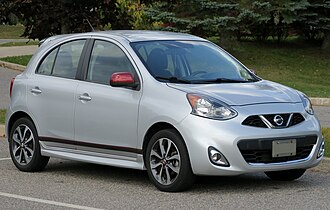
How Much Does a Nissan Micra Weight

Content in this publication
- Why We Care About the Weight of a Nissan Micra
- The Short Answer Before the Deep Dive
- What Exactly Do We Mean by “Weight”?
- Nissan Micra Weight by Generation
- How Engine Choice Changes the Scale
- Manual vs Automatic – The Hidden Difference
- Trim Levels and Their Diet
- How Micra Weight Compares With Rivals
- Weight and Fuel Consumption
- Handling and Driving Feel
- Safety vs Weight – The Balancing Act
- Real-World Examples
- How to Find the Exact Weight of Your Micra
- Does Weight Affect Insurance?
- Towing and Payload
- Modifications and Weight
- Environmental Impact
- Tips to Keep Your Micra Light
- Closing Thoughts
- FAQs
Why We Care About the Weight of a Nissan Micra
When we talk about cars, we often chat about horsepower, color, or how comfy the seats feel, but weight is like the quiet character in the room that secretly controls the story. With the Nissan Micra, knowing its weight helps us understand how it drives, how much fuel it sips, and even how safe it feels on a rainy road. We’re going to wander through this topic together, like lifting the hood on a friendly little hatchback and peeking at its personality.
The Micra has been around for decades, changing outfits through different generations. Each version carries a different number on the scale, and that number shapes everything—from acceleration to insurance costs. Let’s dig in.
The Short Answer Before the Deep Dive
If you’re in a hurry and just want the headline:
Most Nissan Micra models weigh between 900 kg and 1,100 kg.
But that range is like saying, “coffee can be light or strong.” True, yet not very helpful without context. So we’ll break it down by generations, engines, and trims.
What Exactly Do We Mean by “Weight”?
Kerb Weight vs Gross Weight
- Kerb weight: the car with fluids and a full tank, but no passengers.
- Gross vehicle weight: kerb weight plus people, luggage, and that bag of groceries sliding in the boot.
Most published figures refer to kerb weight, the everyday reality.
Why Weight Matters More Than We Think
- Heavier cars need more fuel
- Lighter cars feel more playful
- Braking distances change
- Tire wear behaves differently
Weight is like the shoes a runner wears—it affects every step.
Nissan Micra Weight by Generation
First Generation (K10: 1982–1992)
These early Micras were featherweights.
- Typical weight: around 700–760 kg
- Simple interiors, small engines
- Built like bicycles with roofs
Driving one today feels like tossing a paper plane compared with modern cars.
Second Generation (K11: 1992–2002)
The Micra grew up a little.
- Average weight: 820–900 kg
- More safety equipment
- Better sound insulation
We started getting airbags and stronger doors, which added a few kilos like winter clothes on a child.
Third Generation (K12: 2002–2010)
This bubbly-shaped Micra brought style and more tech.
- Weight range: 940–1,020 kg
- Bigger engines available
- Automatic gearboxes more common
Here the Micra began to feel less like a toy and more like a proper small car.
You may be interested in reading Ford Ecosport Tire Pressure – The Complete Everyday Guide
Fourth Generation (K13: 2010–2016)
Global design, practical soul.
- Weight: 980–1,050 kg
- Improved safety structure
- CVT transmissions added
Fifth Generation (K14: 2017–Present)
The modern Micra wears sharper clothes.
- Weight: 1,030–1,110 kg
- Advanced safety tech
- Turbo engines and stronger chassis
More muscles mean more mass, but also more stability.
How Engine Choice Changes the Scale
Petrol Engines
- 1.0L naturally aspirated: lightest
- 1.2L: middle ground
- 0.9 Turbo: slightly heavier due to turbo hardware
Diesel Versions
Diesels usually add 40–60 kg because:
- Heavier engine blocks
- Stronger gearboxes
- Extra cooling components
- Manual gearbox: lighter
- CVT or automatic: +15 to +25 kg
- Extra cooling and electronics add ounces like coins in a pocket
Trim Levels and Their Diet
A base Micra is like a minimalist apartment. Add features and the weight climbs:
- Alloy wheels
- Panoramic roof
- Bigger infotainment
- Extra speakers
- Safety packs
Each option is a small stone in a backpack.
How Micra Weight Compares With Rivals
- Lighter than many Ford Fiestas
- Similar to Toyota Yaris
- Heavier than early Suzuki Swift
The Micra sits in the middle of the playground—not the skinniest kid, not the bulky one.
Weight and Fuel Consumption
We’ve noticed a simple truth:
- Every extra 100 kg can increase fuel use by 3–5%
- Lighter Micras often beat 60 mpg
- Heavier turbo versions hover lower
Weight is the appetite of a car.
Handling and Driving Feel
A light Micra:
- Changes direction like a happy puppy
- Feels nimble in cities
- Easier on brakes
A heavier Micra:
- More planted on highways
- Better in crosswinds
- Quieter ride
Neither is better—just different flavors.
You may be interested in readingFord Ecosport Tire Pressure – The Complete Everyday GuideYou may be interested in reading
 Ford EcoSport Length – Understanding Size, Space, and Real-World Fit
Safety vs Weight – The Balancing Act
Modern Micras are heavier mainly because:
- Stronger crash structures
- Side-impact beams
- Multiple airbags
- Electronic systems
Those kilos are like invisible bodyguards.
Real-World Examples
Typical Figures We See
- 2015 1.2 petrol manual: around 980 kg
- 2019 0.9 Turbo: about 1,080 kg
- Diesel K13: roughly 1,050 kg
How to Find the Exact Weight of Your Micra
- Check the door sticker
- Look in the V5 logbook
- Owner’s manual
- Weighbridge for curiosity
It’s easier than finding a lost sock.
Does Weight Affect Insurance?
Yes, indirectly.
- Heavier cars often cost more to repair
- Performance versions weigh more
- Insurance groups reflect this
Towing and Payload
The Micra isn’t a truck, but:
- Payload: usually 400–450 kg
- Towing: limited, often not recommended on smaller engines
Modifications and Weight
Adding accessories changes things:
- Roof racks: +5 kg
- Big wheels: +8–12 kg
- Sound system: +10 kg
- Spare wheel vs repair kit
The car can slowly gain weight like we do after holidays.
Environmental Impact
More weight = more emissions.
Lighter Micras leave a softer footprint, like walking on sand with bare feet instead of boots.
Tips to Keep Your Micra Light
- Don’t carry unnecessary items
- Choose lighter wheels
- Remove roof boxes when not needed
- Keep fuel level sensible
Closing Thoughts
The weight of a Nissan Micra tells the story of how cars have grown from simple metal shells into smart, safe companions. From the 700-kg pioneers to the 1,100-kg modern versions, each kilogram has a reason—comfort, safety, or technology. Understanding that number helps us choose the right Micra for our life, like picking the right backpack for a journey.
FAQs
1. What is the lightest Nissan Micra ever made?
The early K10 models from the 1980s, around 700 kg, are the lightest of the family.
2. Does a heavier Micra feel slower?
Generally yes, but turbo engines can hide the extra weight with more torque.
3. Where can I see my exact car weight?
On the driver door plate or vehicle registration document.
Ford Ecosport Tire Pressure – The Complete Everyday GuideYou may be interested in reading
Ford EcoSport Length – Understanding Size, Space, and Real-World FitYou may be interested in reading
 Ford EcoSport Boot Space: Real-World Practicality Explained
4. Do bigger wheels increase weight?
Yes, alloys and larger tires can add 8–12 kg easily.
5. Is a lighter Micra safer?
Not necessarily—modern heavier ones are usually safer due to stronger structures.
If you want to know other articles similar to How Much Does a Nissan Micra Weight you can visit the category Service and Parts.
Vauxhall Meriva Engine Management Light: Causes, Checks, and Fixes
Vauxhall Meriva Key Fob Replacement: Complete Guide
Vauxhall Meriva Tyre Size: Complete Fitment Guide
Vauxhall Meriva Engine Light: Causes, Diagnosis, and Fixes
Vauxhall Meriva Engine Oil: Complete Selection and Maintenance Guide
Vauxhall Meriva Code 82 Reset: Meaning, Steps, and Fixes
Leave a Reply
More content of your interest