

Dacia Duster Engines: Complete Guide to Every Powertrain

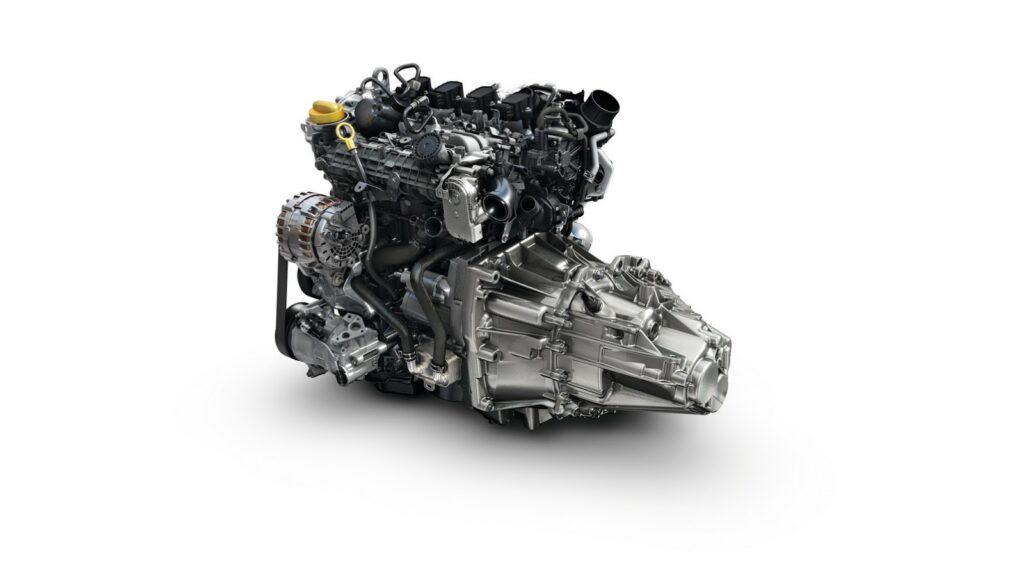
When we talk about Dacia Duster engines, we’re really talking about the heart of one of Europe’s most sensible SUVs. The Duster isn’t about flashy badges or headline-grabbing horsepower. It’s about real-world performance, solid reliability, and engines that make sense for everyday drivers.
So, which Duster engine is best? Petrol or diesel? Turbo or hybrid? Manual or automatic? Let’s break it all down, generation by generation, engine by engine—so we can choose wisely, not blindly.
Content in this publication
- The Evolution of Dacia Duster Engines
- First Generation (2010–2017) Engine Options
- Second Generation (2018–2023) Engine Improvements
- The Bi-Fuel Option: Petrol + LPG
- Third Generation (2024–Present) Hybrid Era
- Petrol vs Diesel: Which Duster Engine Is Best?
- Dacia Duster Engine Reliability Overview
- Common Dacia Duster Engine Problems
- Performance Comparison Chart
- Engine Maintenance Costs
- Fuel Economy Insights
- 4x4 Compatibility and Engine Choice
- Towing Capacity by Engine
- Is the Hybrid the Future of Duster Engines?
- Which Dacia Duster Engine Should We Choose?
- Final Thoughts on Dacia Duster Engines
- Frequently Asked Questions
The Evolution of Dacia Duster Engines
The Dacia Duster first launched in 2010 under the Dacia brand (part of the Renault Group). From day one, its engines were built around simplicity and affordability.
Over time, though, things evolved:
- Early naturally aspirated petrol engines
- Turbocharged TCe petrol units
- Blue dCi diesel engines
- Bi-fuel LPG options
- The latest Hybrid 140 powertrain
Each step added efficiency and refinement without losing the Duster’s practical DNA.
First Generation (2010–2017) Engine Options
The early Duster engines were simple, durable, and relatively low-tech.
1.6 16V Petrol (Naturally Aspirated)
- Engine code: K4M
- Power: 105 hp
- Transmission: 5-speed manual
- 0–60 mph: ~11.8 seconds
This engine felt honest. Not fast, not dramatic—just dependable. It suited city driving but felt stretched on motorways.
Pros:
- Simple mechanical design
- Proven Renault reliability
- Affordable maintenance
Cons:
- Modest fuel economy
- No turbo punch
1.5 dCi Diesel (Early Versions)
- Power: 90 hp / 110 hp
- Strong torque delivery
- Excellent fuel economy
This diesel became the backbone of the Duster lineup. If you wanted torque and range, this was your engine.
Why it worked:
- Strong low-end torque
- Impressive mpg figures
- Suitable for towing and rural driving
Second Generation (2018–2023) Engine Improvements
The 2018 redesign brought sharper looks—and smarter engines.
1.0 TCe 90 Petrol
- 3-cylinder turbo
- 90 hp
- 6-speed manual
Small but efficient. Ideal for urban use and budget-conscious buyers.
Real-world feel: Light on fuel, but you’ll need to work the gearbox when loaded.
1.3 TCe 130 & 150
Jointly developed with Mercedes-Benz and Renault.
- 130 hp or 150 hp
- Turbocharged 4-cylinder
- Available with EDC automatic
This is where the Duster gained genuine pace.
Why we love it:
- Smooth power delivery
- Strong motorway performance
- Better refinement
It transforms the Duster from “budget SUV” to “confident daily driver.”
1.5 Blue dCi 115
Updated diesel with cleaner emissions.
- 115 hp
- 260 Nm torque
- 4x4 option available
Perfect if you:
- Tow regularly
- Drive long distances
- Prefer torque over revs
The Bi-Fuel Option: Petrol + LPG
One of the most underrated Dacia Duster engines is the Eco-G 100.
- Runs on petrol and LPG
- Lower fuel costs
- Reduced CO₂ emissions
In countries where LPG is affordable, this is a game-changer.
Who should consider it?
- High-mileage drivers
- Cost-conscious buyers
- Urban commuters
Third Generation (2024–Present) Hybrid Era
The latest Duster introduces electrification.
Hybrid 140 Engine
- 1.6-litre petrol
- Two electric motors
- Multi-mode automatic transmission
- Combined 140 hp
This system, derived from Renault hybrid technology, delivers:
- Smooth acceleration
- Quiet low-speed driving
- Improved fuel economy
It’s the most advanced engine the Duster has ever had.
Petrol vs Diesel: Which Duster Engine Is Best?
Let’s simplify this decision.
Choose Petrol If:
- You drive under 12,000 miles per year
- Most trips are short
- You prefer quieter operation
Choose Diesel If:
- You tow regularly
- You cover long motorway journeys
- You want maximum fuel range
Choose Hybrid If:
- You want efficiency without plugging in
- You drive urban routes
- You prefer automatic gearboxes
Dacia Duster Engine Reliability Overview
Overall, Duster engines are considered dependable—especially diesel variants.
Most Reliable Choices
- 1.5 dCi (later Blue dCi versions)
- 1.6 naturally aspirated petrol
- 1.3 TCe (post-2019 updates)
Routine servicing is key:
- Oil changes every 10–12k miles
- Timing belt intervals respected
- Quality fuel and oil used
Neglect maintenance, and even the strongest engine struggles.
Common Dacia Duster Engine Problems
No engine is perfect. Here’s what to watch:
1.5 dCi Issues
- EGR valve clogging
- DPF blockage (short trips)
- Injector wear (high mileage)
1.3 TCe Concerns
- Early oil consumption reports (resolved in later models)
1.0 TCe
- Slight vibration typical of 3-cylinder engines
Most problems stem from driving style and maintenance—not design flaws.
Performance Comparison Chart
| Engine | Power | 0–60 mph | Best For |
|---|---|---|---|
| 1.0 TCe 90 | 90 hp | ~13 sec | City |
| 1.3 TCe 130 | 130 hp | ~10.6 sec | Balanced use |
| 1.3 TCe 150 | 150 hp | ~9.7 sec | Motorway |
| 1.5 Blue dCi 115 | 115 hp | ~10.5 sec | Long trips |
| Hybrid 140 | 140 hp | ~10 sec | Urban efficiency |
Engine Maintenance Costs
Duster engines are relatively affordable to maintain.
Typical annual servicing:
- Petrol: Moderate
- Diesel: Slightly higher (DPF considerations)
- Hybrid: Lower wear, but more complex
Parts availability remains strong thanks to Renault component sharing.
Fuel Economy Insights
Approximate combined mpg:
- 1.0 TCe: ~47 mpg
- 1.3 TCe: ~45 mpg
- Blue dCi: ~55–60 mpg
- Hybrid 140: ~55 mpg (urban advantage)
Real-world figures depend heavily on driving style.
4x4 Compatibility and Engine Choice
If you need four-wheel drive, engine choice narrows.
Typically available with:
- 1.3 TCe
- 1.5 Blue dCi
The diesel version excels off-road due to torque delivery.
Towing Capacity by Engine
Maximum braked towing (approx.):
- 1.0 TCe: 1,200 kg
- 1.3 TCe: 1,500 kg
- 1.5 Blue dCi: 1,500 kg
- Hybrid: Lower towing capability
If towing matters, diesel or 1.3 TCe is safer.
Is the Hybrid the Future of Duster Engines?
Electrification is clearly the direction forward. The Hybrid 140 offers:
- Lower emissions
- Improved efficiency
- Smoother city driving
But diesel still wins for heavy-duty users.
The future may bring plug-in or mild-hybrid systems—but simplicity remains part of Duster’s identity.
Which Dacia Duster Engine Should We Choose?
Let’s cut through the noise.
- Budget buyer? → 1.0 TCe
- All-rounder? → 1.3 TCe 130
- Long-distance driver? → Blue dCi 115
- City commuter? → Hybrid 140
- LPG savings? → Eco-G 100
There’s no “perfect” engine—only the one that fits our lifestyle.
Final Thoughts on Dacia Duster Engines
The beauty of Dacia Duster engines lies in their honesty. They don’t promise supercar thrills or luxury-brand polish. Instead, they deliver what most of us actually need:
- Efficiency
- Durability
- Affordable ownership
- Straightforward mechanics
And that’s powerful in its own way.
We don’t need fireworks. We need engines that start every morning, pull confidently when loaded, and sip fuel instead of guzzling it.
The Duster does exactly that.
Frequently Asked Questions
1. Which Dacia Duster engine is the most reliable?
The 1.5 Blue dCi diesel and 1.6 naturally aspirated petrol are widely regarded as the most durable.
2. Is the 1.0 TCe engine powerful enough?
For city use and light driving, yes. For heavy motorway use, the 1.3 TCe is better.
3. Does the Duster Hybrid require charging?
No. It’s a self-charging hybrid.
4. Which engine is best for towing?
The 1.5 Blue dCi and 1.3 TCe 150 are strongest for towing.
5. Are Dacia Duster engines expensive to maintain?
Generally no. Shared Renault components keep parts affordable.
If you want to know other articles similar to Dacia Duster Engines: Complete Guide to Every Powertrain you can visit the category Service and Parts.
Kia Sorento Service Reset: How to Reset the Service Light
Kia Sorento Fuel Tank Capacity: Gallons, Litres and Model Differences
Kia Sorento Tyre Pressure: Recommended PSI, Bar and Complete Guide
Kia Sorento Boot Space: How Much Luggage Space Does It Really Have?
Kia Sorento Towing Capacity: How Much Can a Sorento Tow?

Honda Passport Payload Capacity: How Much Weight Can It Carry?
Leave a Reply
More content of your interest