

Skoda Superb Tyre Pressure: The Complete Real-World Guide

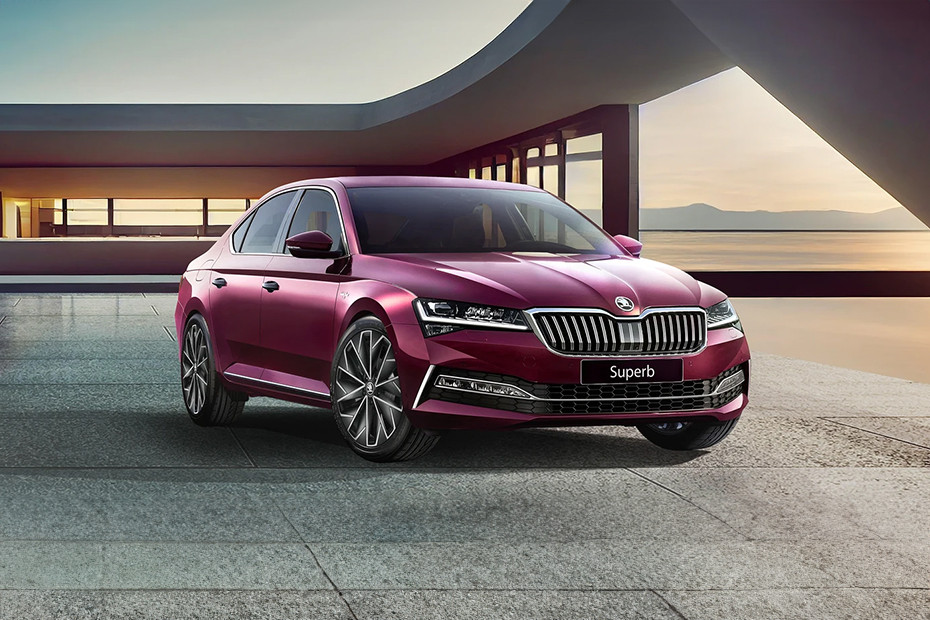
There’s a funny truth about cars: we obsess over horsepower, trims, and infotainment screens… yet ignore the one thing literally touching the road — the tyres.
Tyre pressure on a Skoda Superb isn’t just a maintenance checkbox. It shapes comfort, fuel economy, braking distance, steering feel, and even how luxurious the car feels. Inflate them wrong and your premium executive sedan suddenly drives like a supermarket trolley.
So let’s slow down, grab a coffee, and walk through this properly — not like a manual written by robots, but like owners who actually live with the car every day.
Content in this publication
- Why Tyre Pressure Matters More Than You Think
- Recommended Skoda Superb Tyre Pressure (Quick Reference Table)
- Understanding Load vs Comfort Pressures
- Generation Differences (Important!)
- How Wheel Size Changes Everything
- Cold vs Hot Tyre Pressure (Most People Get This Wrong)
- Where to Find Official Pressure Values
- Skoda Superb TPMS Warning Light Explained
- How to Reset the Tyre Pressure System
- What Happens If Pressure Is Too Low
- What Happens If Pressure Is Too High
- Seasonal Pressure Adjustments
- Motorway Driving Pressure
- Fuel Economy and Tyre Pressure
- Comfort vs Efficiency: Choosing Your Preference
- Tyre Wear Patterns and Pressure Diagnosis
- Best Practice Weekly Check Routine
- Long-Term Ownership Tip
- How Much Pressure Changes Driving Feel
- Common Mistakes Owners Make
- Real-World Perfect Setup (Balanced Comfort + Economy)
- Closing Thoughts
- FAQs
Why Tyre Pressure Matters More Than You Think
Think of tyres as your car’s shoes. Too tight? Painful. Too loose? You stumble.
Your Skoda Superb weighs between 1,450 kg and 1,750 kg depending on engine and generation — that’s a lot of mass balanced on four rubber cushions smaller than a dinner plate.
Wrong pressure affects:
- Fuel economy
- Suspension comfort
- Tyre lifespan
- Steering precision
- Emergency braking
- Road noise
- Aquaplaning resistance
And yes — even safety systems like ABS and ESC rely on proper tyre pressure to behave correctly.
Recommended Skoda Superb Tyre Pressure (Quick Reference Table)
Below is a practical baseline covering most models. Always confirm with your door-jamb sticker, but this works as a realistic everyday reference.
| Load Condition | Front PSI | Rear PSI |
|---|---|---|
| Normal driving (1–2 passengers) | 34 PSI | 32 PSI |
| Fully loaded / luggage | 38 PSI | 41 PSI |
| High-speed motorway | 36 PSI | 36 PSI |
| Winter tyres | +2 PSI | +2 PSI |
Now let’s unpack why these numbers change.
Understanding Load vs Comfort Pressures
Everyday Comfort Pressure
When commuting alone, the Superb’s rear axle carries less weight. Softer rear tyres absorb bumps better — that’s why rear PSI is lower.
Result:
- smoother ride
- quieter cabin
- more grip over rough roads
Fully Loaded Pressure
Add passengers + luggage and weight distribution flips. Rear tyres deform more — overheating risk increases.
Higher PSI:
- prevents sidewall flex
- reduces tyre wear
- stabilizes high-speed driving
Generation Differences (Important!)
Mk2 Superb (2008-2015)
- Softer suspension
- Smaller wheels (16–17” common)
- Lower pressure needed
Typical: 32–34 PSI
Mk3 Superb (2015-2023)
- MQB platform
- Heavier engines
- Larger wheels (18–19”)
Typical: 34–38 PSI
Newest Superb (2024+)
- More aerodynamic body
- Efficiency tuned tyres
- Higher recommended pressures
Typical: 36–40 PSI
Bigger wheels = less tyre sidewall = more pressure required.
How Wheel Size Changes Everything
A 16-inch tyre behaves like a pillow.
A 19-inch tyre behaves like a drum.
| Wheel Size | Pressure Character |
|---|---|
| 16” | Comfort priority |
| 17” | Balanced |
| 18” | Handling focused |
| 19” | Efficiency + stability |
Large wheels need higher PSI to prevent rim damage.
Cold vs Hot Tyre Pressure (Most People Get This Wrong)
Always measure tyres cold.
Cold = car parked 3+ hours OR driven under 2 km.
Why?
Driving heats air → expands → increases PSI by 3–6 PSI.
If you set pressure hot:
You’ll unknowingly underinflate them once they cool.
Where to Find Official Pressure Values
Open the driver door. Look here:
- B-pillar sticker
- Fuel flap (some models)
- Owner manual
The sticker is law — Google is just guidance.
Skoda Superb TPMS Warning Light Explained
Your car uses indirect TPMS — it reads wheel rotation speed.
It doesn’t measure pressure directly.
It detects diameter changes.
So the light means:
A tyre became smaller → probably underinflated
How to Reset the Tyre Pressure System
After inflating tyres:
- Turn ignition ON
- Go to infotainment
- Vehicle settings
- Tyres
- Store tyre pressures
Drive for 10 minutes → system recalibrates.
What Happens If Pressure Is Too Low
Let’s visualize:
Your tyre collapses slightly → sidewalls flex → heat builds → rubber weakens.
Consequences:
- 10% higher fuel consumption
- 25% faster wear
- Steering feels vague
- Risk of blowout at motorway speeds
It’s like running in flip-flops — doable but dangerous.
What Happens If Pressure Is Too High
Overinflated tyres = basketball effect.
Symptoms:
- Harsh ride
- Center tread wear
- Reduced wet grip
- Longer braking distance
Your luxury car suddenly feels like a sports kart.
Seasonal Pressure Adjustments
Air shrinks in cold weather.
Rule of thumb:
Every 10°C drop = −1 PSI
So winter requires topping up.
Winter Recommendation
Add +2 PSI above summer baseline.
This keeps handling consistent.
Motorway Driving Pressure
High speed generates heat → pressure rises.
Manufacturers compensate by recommending slightly higher starting PSI.
For long trips:
- Front: +2 PSI
- Rear: +4 PSI when loaded
This reduces tyre deformation and improves stability.
Fuel Economy and Tyre Pressure
The Superb is built for long distances. Tyres influence economy massively.
| Pressure State | MPG Impact |
|---|---|
| Correct | Optimal |
| −5 PSI | −6% MPG |
| −10 PSI | −12% MPG |
Low pressure = engine works harder = fuel disappears faster.
Comfort vs Efficiency: Choosing Your Preference
You can tune the car’s personality:
For Comfort
Lower within safe range
- smoother bumps
- quieter ride
For Efficiency
Higher within safe range
- sharper steering
- lower fuel use
Same car, different character.
Tyre Wear Patterns and Pressure Diagnosis
You can literally read your tyres.
| Wear Pattern | Cause |
|---|---|
| Edges worn | Underinflated |
| Center worn | Overinflated |
| One side worn | Alignment issue |
| Cupping | Suspension problem |
Tyres talk — most drivers just don’t listen.
Best Practice Weekly Check Routine
We keep it simple:
- Sunday morning
- Cold tyres
- Portable gauge
- Adjust to door sticker
- Reset TPMS
Five minutes saves hundreds of dollars.
Long-Term Ownership Tip
If the TPMS triggers repeatedly but tyres look fine:
You likely have a slow valve leak.
Replace valve cores — cheap fix most owners miss.
How Much Pressure Changes Driving Feel
Try this experiment:
- Drive at 30 PSI
- Drive at 36 PSI
Same road, same car — completely different behavior.
It’s the cheapest “modification” you can make.
Common Mistakes Owners Make
- Inflating when tyres are hot
- Using petrol station broken gauges
- Ignoring rear tyre differences
- Forgetting seasonal changes
- Not resetting TPMS
The car warns you… but politely.
Real-World Perfect Setup (Balanced Comfort + Economy)
For most Superb drivers:
Front: 35 PSI
Rear: 34 PSI
Loaded trips:
Front: 38 PSI
Rear: 41 PSI
This matches how the chassis was tuned.
Closing Thoughts
The Skoda Superb is engineered for effortless distance cruising — almost like a quiet train on asphalt rails. But trains rely on rails, and your car relies on tyre pressure.
Ignore it and the magic fades:
steering dulls, fuel disappears, comfort evaporates.
Treat it right and the Superb becomes what it was designed to be:
a calm, stable, efficient long-distance companion.
Tyre pressure isn’t maintenance.
It’s personality tuning.
FAQs
1. What is the ideal tyre pressure for Skoda Superb daily driving?
Typically 34–35 PSI front and 32–34 PSI rear depending on wheels.
2. Why does my tyre pressure light come on in winter?
Cold air contracts, lowering pressure about 1 PSI per 10°C drop.
3. Can I inflate all tyres to the same pressure?
Not recommended — the rear carries different weight.
4. Does tyre pressure affect fuel economy?
Yes — low pressure can reduce MPG by up to 12%.
5. Should I increase pressure for motorway trips?
Yes, slightly higher PSI improves stability and tyre longevity.
If you want to know other articles similar to Skoda Superb Tyre Pressure: The Complete Real-World Guide you can visit the category Service and Parts.
Nissan Rogue Oil Change Cost: Prices, Service Options, and What to Expect
Nissan Rogue Key Battery Replacement: Easy Step-by-Step Guide
Nissan Rogue Oil Change Interval: Complete Guide by Model Year
Nissan Rogue Brake Pads and Rotors Cost: Complete 2026 Guide

Kia Sorento Service Reset: How to Reset the Service Light
Kia Sorento Fuel Tank Capacity: Gallons, Litres and Model Differences
Leave a Reply
More content of your interest