

Suzuki Vitara Tire Pressure: The Complete Owner’s Guide to Perfect PSI

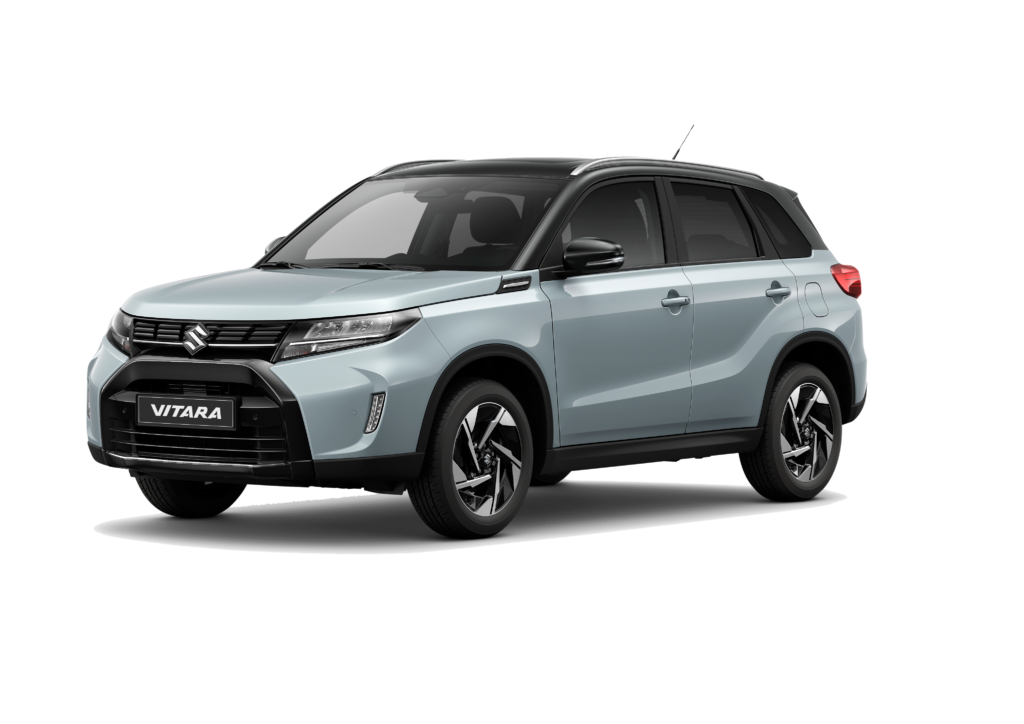
When it comes to keeping our Suzuki Vitara running smoothly, we often obsess over oil changes, service intervals, and fuel economy. But here’s the truth: tire pressure is the quiet hero of safe, efficient driving. Ignore it, and everything else starts to wobble—literally.
In this guide, we’re diving deep into Suzuki Vitara tire pressure—not just the numbers, but the why, the when, and the what-if. Because correct PSI isn’t just about air; it’s about control, comfort, safety, and saving money.
Content in this publication
- Why Suzuki Vitara Tire Pressure Matters More Than You Think
- What Is the Recommended Suzuki Vitara Tire Pressure?
- Suzuki Vitara Tire Pressure Chart by Wheel Size
- How to Check Suzuki Vitara Tire Pressure Correctly
- Suzuki Vitara Tire Pressure Monitoring System (TPMS)
- How to Reset Suzuki Vitara Tire Pressure Light
- What Happens If Tire Pressure Is Too Low?
- What Happens If Tire Pressure Is Too High?
- Suzuki Vitara Tire Pressure for Heavy Loads
- Winter vs Summer Tire Pressure for Suzuki Vitara
- How Temperature Affects Suzuki Vitara Tire Pressure
- Suzuki Vitara Hybrid Tire Pressure Differences
- Tire Pressure and Fuel Economy: The Hidden Savings
- Suzuki Vitara Tire Pressure for Off-Road Driving
- How Often Should We Check Suzuki Vitara Tire Pressure?
- Common Suzuki Vitara Tire Pressure Mistakes
- Where to Find Official Tire Pressure Information
- Signs Your Suzuki Vitara Tires Need Attention
- The Relationship Between Tire Size and Pressure
- Professional vs DIY Tire Pressure Checks
- How Tire Pressure Impacts Braking Distance
- Closing Thoughts: Small Numbers, Big Impact
- FAQs About Suzuki Vitara Tire Pressure
Why Suzuki Vitara Tire Pressure Matters More Than You Think
Think of your tires as the Vitara’s handshake with the road. Too firm, and it feels tense and jumpy. Too soft, and it’s sluggish and inefficient. Proper tire pressure ensures:
- ✔ Even tire wear
- ✔ Better fuel economy
- ✔ Stronger braking performance
- ✔ Stable cornering
- ✔ Reduced risk of blowouts
Small adjustments in PSI can transform how your Vitara feels behind the wheel.
What Is the Recommended Suzuki Vitara Tire Pressure?
For most modern Suzuki Vitara models (2015–present), the recommended tire pressure typically falls within:
- Front: 33–36 PSI (2.3–2.5 bar)
- Rear: 30–36 PSI (2.1–2.5 bar)
However, the exact pressure depends on:
- Wheel size (16", 17", 18")
- Engine variant (1.0 Boosterjet, 1.4 Boosterjet, Hybrid)
- Load (passengers + luggage)
- Market (UK, EU, Australia, etc.)
👉 Always check:
- The sticker inside the driver’s door frame
- The owner’s manual
- The fuel filler cap (on some models)
Suzuki Vitara Tire Pressure Chart by Wheel Size
16-Inch Wheels
Typically found on SZ4 or entry trims:
- Normal load: 33 PSI front / 33 PSI rear
- Full load: 36 PSI front / 36 PSI rear
17-Inch Wheels
Common on SZ-T and SZ5 trims:
- Normal load: 33 PSI front / 30–33 PSI rear
- Full load: 36 PSI front / 36 PSI rear
18-Inch Wheels (Sport Models)
Often on sportier variants:
- Normal load: 34–36 PSI front / 32–34 PSI rear
- Full load: 36–38 PSI all around
Wheel size changes the contact patch, so pressure adjustments matter.
How to Check Suzuki Vitara Tire Pressure Correctly
Checking PSI isn’t complicated—but doing it right makes all the difference.
Step-by-Step Guide
- Check when tires are cold (before driving or after 3+ hours parked).
- Remove valve cap.
- Use a digital tire gauge for accuracy.
- Compare reading to recommended PSI.
- Inflate or deflate as needed.
- Replace valve cap securely.
We recommend checking once a month—and before long trips.
Suzuki Vitara Tire Pressure Monitoring System (TPMS)
Modern Vitaras come equipped with TPMS.
How It Works
The system monitors wheel rotation speed or uses pressure sensors to detect underinflation.
If pressure drops significantly, you’ll see a warning light like this:
It looks like a horseshoe-shaped symbol with an exclamation mark.
How to Reset Suzuki Vitara Tire Pressure Light
After adjusting pressure, the light may stay on. Here’s what we do:
- Inflate all tires to correct PSI.
- Start the engine.
- Press and hold the TPMS reset button (if equipped).
- Drive for 10–15 minutes above 20 mph.
On some models, the system resets automatically after driving.
What Happens If Tire Pressure Is Too Low?
Low pressure feels subtle at first—but damage builds quietly.
Risks of Underinflation
- Uneven shoulder wear
- Increased fuel consumption
- Slower steering response
- Overheating tires
- Blowout risk
Driving on underinflated tires is like jogging in soft sand—harder, inefficient, exhausting.
What Happens If Tire Pressure Is Too High?
Overinflation isn’t harmless either.
Risks of Overinflation
- Reduced traction
- Harsh ride
- Center tread wear
- Longer braking distances
It’s like overinflating a balloon—eventually, something gives.
Suzuki Vitara Tire Pressure for Heavy Loads
Planning a family road trip? Towing? Boot full of luggage?
Increase PSI slightly to match manufacturer recommendations for full load:
- Usually +3 PSI to +4 PSI
- Inflate before loading the vehicle
This prevents rear sagging and uneven wear.
Winter vs Summer Tire Pressure for Suzuki Vitara
Temperature affects PSI dramatically.
For every 10°C drop, tire pressure can decrease by 1–2 PSI.
Winter Tips
- Check pressure weekly during cold spells
- Inflate slightly above minimum recommendation
- Never exceed maximum PSI printed on tire sidewall
Cold weather can trick us into thinking something is wrong when it’s just physics.
How Temperature Affects Suzuki Vitara Tire Pressure
Hot air expands. Cold air contracts.
That means:
- Summer afternoon → PSI increases
- Cold morning → PSI drops
We measure pressure when tires are cold for consistency.
Suzuki Vitara Hybrid Tire Pressure Differences
Mild Hybrid versions of the Suzuki Vitara may carry slightly different recommendations due to battery weight.
Typically:
- Front tires may require 1–2 PSI higher than petrol-only models.
Always verify with the door sticker specific to your trim.
Here’s where it gets interesting.
Correct tire pressure can improve fuel efficiency by 3–5%.
That may not sound dramatic—but over a year, that’s real money.
Underinflated tires increase rolling resistance, forcing your Vitara to work harder. It’s like cycling uphill constantly.
Suzuki Vitara Tire Pressure for Off-Road Driving
One of the Vitara’s strengths is light off-road ability.
For sand or mud:
- Reduce pressure slightly (e.g., down to 26–28 PSI)
- Increase tire footprint
- Improve traction
⚠ Important:
Reinflate immediately after returning to pavement.
Driving long distances on reduced PSI can damage tires.
How Often Should We Check Suzuki Vitara Tire Pressure?
We recommend:
- ✔ Once per month
- ✔ Before long journeys
- ✔ After temperature swings
- ✔ When TPMS light appears
Consistency prevents costly surprises.
Common Suzuki Vitara Tire Pressure Mistakes
Let’s be honest—we’ve all done at least one of these.
- Checking tires when hot
- Ignoring slow leaks
- Trusting visual inspection
- Inflating to maximum sidewall PSI
- Forgetting spare tire pressure
The spare matters too—especially on older Vitara models.
Where to Find Official Tire Pressure Information
Check:
- Driver’s side door jamb sticker
- Owner’s manual
- Suzuki dealership service department
Never rely solely on online forums.
Signs Your Suzuki Vitara Tires Need Attention
Beyond PSI readings, watch for:
- Uneven tread wear
- Vibrations at highway speed
- Pulling to one side
- Increased road noise
- TPMS light staying on
Small signs often signal larger issues.
The Relationship Between Tire Size and Pressure
Different tire sizes require different PSI due to:
- Load rating
- Sidewall stiffness
- Contact patch design
Switching to aftermarket wheels? Always recalibrate recommended pressure.
Professional vs DIY Tire Pressure Checks
Fuel station air pumps are convenient—but not always accurate.
We prefer:
- A reliable digital gauge
- Portable inflator
- Regular manual verification
Think of it as a five-minute insurance policy.
How Tire Pressure Impacts Braking Distance
Correct PSI ensures optimal contact patch.
Underinflated tires increase stopping distance.
Overinflated tires reduce grip.
In emergency braking scenarios, those few meters matter.
Closing Thoughts: Small Numbers, Big Impact
Tire pressure might seem minor—just numbers on a gauge. But for our Suzuki Vitara, it’s the difference between efficiency and waste, control and unpredictability, safety and risk.
Maintaining proper PSI is one of the simplest, most cost-effective habits we can adopt. It takes minutes. It saves money. It protects lives.
And once we make it routine? It becomes second nature.
FAQs About Suzuki Vitara Tire Pressure
1. What is the ideal tire pressure for Suzuki Vitara?
Typically 33–36 PSI, but always confirm on your vehicle’s door sticker.
2. Why does my Vitara tire pressure light turn on in winter?
Cold air reduces PSI naturally. Inflate to recommended levels.
3. Can I drive with the TPMS light on?
Short distances cautiously—but check pressure immediately to avoid damage.
4. Does tire pressure affect fuel economy?
Yes. Underinflation increases fuel consumption by up to 5%.
5. Should front and rear tires have the same pressure?
Not always. Many models specify slightly different front and rear PSI.
If you want to know other articles similar to Suzuki Vitara Tire Pressure: The Complete Owner’s Guide to Perfect PSI you can visit the category Service and Parts.
Kia Sorento Service Reset: How to Reset the Service Light
Kia Sorento Fuel Tank Capacity: Gallons, Litres and Model Differences
Kia Sorento Tyre Pressure: Recommended PSI, Bar and Complete Guide
Kia Sorento Boot Space: How Much Luggage Space Does It Really Have?
Kia Sorento Towing Capacity: How Much Can a Sorento Tow?

Honda Passport Payload Capacity: How Much Weight Can It Carry?
Leave a Reply
More content of your interest