

Toyota Aygo “Not Ready to Drive” Warning: Causes, Fixes, and What It Really Means

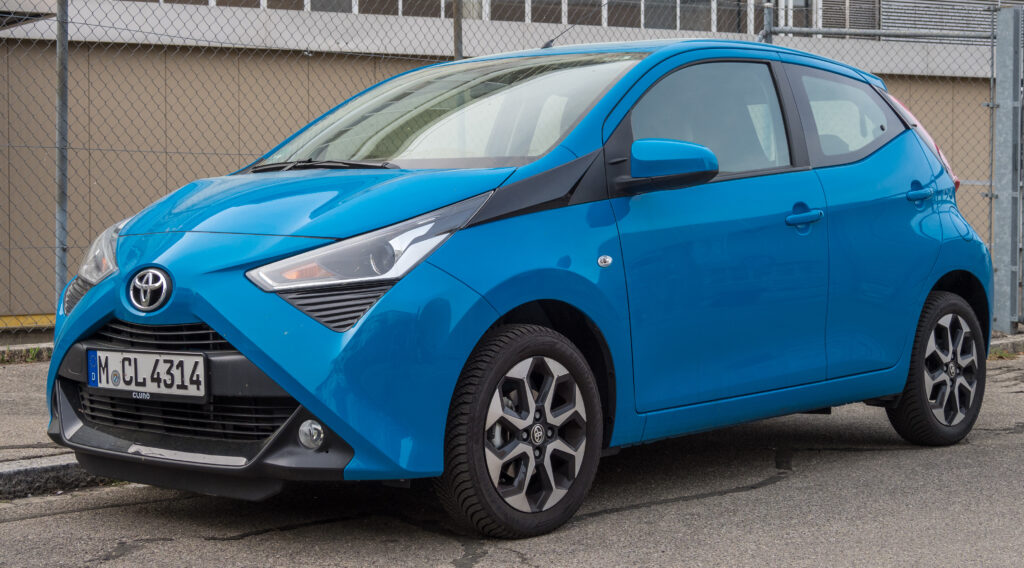
Few dashboard messages make drivers pause faster than a warning that says “Not Ready to Drive.” It sounds serious, almost dramatic—like the car itself is refusing to cooperate. If you own a Toyota Aygo, especially the automatic or x-shift variants, seeing the “Not Ready to Drive” warning can feel confusing and slightly alarming.
But here’s the good news: in most cases, it’s not a catastrophic problem. Often, it’s simply the car telling us something small isn’t quite aligned yet.
In this guide, we’ll walk through what the Toyota Aygo “Not Ready to Drive” warning means, why it appears, the most common causes, and the practical steps we can take to fix it. Think of this as a friendly diagnostic journey—like lifting the bonnet and figuring things out together.
Content in this publication
- Understanding the Toyota Aygo “Not Ready to Drive” Message
- Which Toyota Aygo Models Show This Warning?
- How the Toyota Aygo Start System Works
- Most Common Causes of the “Not Ready to Drive” Warning
- Clutch Actuator Issues
- Battery Voltage Problems
- Door or Seatbelt Safety Sensors
- Faulty Brake Switch
- Software or ECU Glitches
- Gear Position Sensor Malfunction
- Cold Weather Effects
- Step-by-Step Troubleshooting Guide
- When the Warning Is Harmless
- When the Warning Indicates a Real Problem
- How Mechanics Diagnose the Problem
- Estimated Repair Costs
- Preventing the Warning in the Future
- Toyota Aygo Transmission Care Tips
- Is It Safe to Drive with This Warning?
- Final Thoughts: Understanding What Your Toyota Is Saying
- FAQs
Understanding the Toyota Aygo “Not Ready to Drive” Message
Modern cars communicate with us through digital messages rather than simple warning lights. The Toyota Aygo is no exception.
When the display shows “Not Ready to Drive”, it usually means:
- The car’s start-up sequence is incomplete
- The transmission system is not engaged
- A safety requirement hasn't been met
In simple terms, the car is saying:
“I’m not ready to move yet.”
It’s similar to a plane waiting for clearance before takeoff. Everything might be fine—but one small step still needs confirmation.
Which Toyota Aygo Models Show This Warning?
This message typically appears on:
- Toyota Aygo X-Shift (semi-automatic transmission)
- Automatic variants with electronic start systems
- Newer digital dashboard models
Manual transmission Aygos rarely show this message because the driver directly controls clutch engagement.
Generations Most Affected
- 2014–2021 Toyota Aygo (AB40 generation)
- Aygo X automatic versions
These models rely heavily on electronic communication between sensors, which is where this message originates.
How the Toyota Aygo Start System Works
To understand the warning, we need to look at the start logic system.
Before the car allows movement, several conditions must be satisfied.
Typical Start Sequence
- Driver presses the brake pedal
- Ignition or start button is activated
- Transmission confirms neutral or park
- ECU checks sensor inputs
- Vehicle allows drive engagement
If one of these steps fails, the system stops the process and shows “Not Ready to Drive.”
Think of it like a checklist.
Miss one box—and the car refuses to proceed.
Most Common Causes of the “Not Ready to Drive” Warning
Several small issues can trigger this message. Let’s explore the most common ones.
1. Brake Pedal Not Pressed Fully
This is the number one cause.
Many Toyota vehicles require firm brake pressure before enabling drive mode.
If the brake sensor doesn’t detect sufficient pressure, the system blocks engagement.
What we can do
- Press the brake pedal firmly
- Hold it for 2–3 seconds
- Restart the vehicle
Sometimes the fix is that simple.
2. Transmission Not in Neutral or Park
The Aygo’s automated manual transmission must confirm the correct gear position.
If the gearbox is confused or mid-shift, the system will pause.
Signs include:
- Gear indicator flashing
- Delayed gear engagement
- Warning message appearing intermittently
Possible fix
- Move the selector to Neutral
- Turn the ignition off
- Restart the car
This often resets the system logic.
Clutch Actuator Issues
Automatic Aygos use a clutch actuator instead of a physical clutch pedal.
This component controls clutch engagement electronically.
You may be interested in reading Kia Picanto Won’t Start: Complete Troubleshooting Guide
If the actuator struggles, the ECU may prevent the car from driving.
Symptoms
- Jerky take-offs
- Gear change hesitation
- “Not Ready to Drive” warning
Possible causes
- Actuator wear
- Low actuator calibration
- Software misalignment
Sometimes the system simply needs recalibration using diagnostic tools.
Battery Voltage Problems
Low battery voltage can confuse the car’s electronics.
Modern vehicles rely heavily on stable voltage signals.
If voltage drops too low during startup:
- Sensors misread data
- Modules fail to initialize
- Warning messages appear
Signs of low battery
- Slow engine crank
- Flickering dashboard
- Multiple warning lights
Solution
- Check battery health
- Recharge or replace if needed
A healthy battery keeps the vehicle’s electronic brain functioning properly.
Door or Seatbelt Safety Sensors
The Toyota Aygo includes safety logic designed to prevent unintended movement.
If the system thinks:
- A door is open
- Seatbelt status is unclear
- The driver isn’t seated properly
It may trigger the warning.
Quick checks
- Close all doors firmly
- Fasten the seatbelt
- Restart the vehicle
Sometimes these sensors just need confirmation.
Faulty Brake Switch
The brake pedal switch tells the car when the driver presses the brake.
If the switch fails, the system believes the brake is not pressed, even if it is.
Symptoms
- Brake lights not activating
- Vehicle refusing to shift into drive
- “Not Ready to Drive” message
Typical repair
Replacing the brake switch is usually cheap and quick.
Software or ECU Glitches
Like any computer system, car software can occasionally freeze or misinterpret signals.
Temporary glitches can trigger the warning even when nothing is wrong.
Try this simple reset
- Turn ignition off
- Wait 30 seconds
- Restart the vehicle
This allows all electronic modules to reboot.
Think of it as the automotive version of turning your laptop off and on again.
Gear Position Sensor Malfunction
The gear position sensor tells the ECU whether the car is in:
- Neutral
- Drive
- Reverse
If the signal becomes inconsistent, the car refuses to move.
Symptoms
- Gear indicator blinking
- Car stuck in neutral
- Warning message repeatedly appearing
A diagnostic scan usually reveals this issue quickly.
Cold Weather Effects
Interestingly, some drivers notice this warning during cold mornings.
Low temperatures can affect:
- Battery performance
- Sensor readings
- Actuator response
Cold oil also increases transmission resistance.
Helpful tip
Allow the car to idle for 30–60 seconds before selecting drive.
Sometimes patience solves the problem.
Step-by-Step Troubleshooting Guide
When the warning appears, we can follow a simple process.
Quick Diagnostic Checklist
- Press brake pedal firmly
- Ensure gear selector is in Neutral
- Restart the vehicle
- Check all doors are closed
- Fasten seatbelt
- Wait 30 seconds and restart again
These steps solve a surprising number of cases.
When the Warning Is Harmless
Sometimes the message appears briefly and disappears.
This can happen when:
You may be interested in readingKia Picanto Won’t Start: Complete Troubleshooting GuideYou may be interested in reading
 BMW X1 SOS Call System Failure: Causes, Fixes, Costs, and What It Really Means
- Starting too quickly
- Shifting gears immediately after ignition
- Sensors needing a second to synchronize
If it disappears after restarting, it’s usually nothing serious.
When the Warning Indicates a Real Problem
However, repeated warnings may signal a deeper issue.
Watch for:
- Frequent appearance
- Gear engagement failure
- Jerky transmission behavior
- Check engine light
These signs suggest a mechanical or electronic fault.
How Mechanics Diagnose the Problem
When a mechanic investigates the issue, they typically:
- Connect an OBD diagnostic scanner
- Check transmission error codes
- Test brake switch function
- Inspect clutch actuator
- Verify battery voltage
The process usually identifies the fault quickly.
Estimated Repair Costs
Costs vary depending on the cause.
Typical price ranges
- Brake switch replacement: $40–$120
- Battery replacement: $100–$200
- Clutch actuator recalibration: $80–$150
- Clutch actuator replacement: $400–$900
Fortunately, many cases require only a small adjustment.
Preventing the Warning in the Future
While we can’t eliminate every glitch, a few habits help.
Best practices
- Maintain a healthy battery
- Avoid rapid start-drive actions
- Service the transmission regularly
- Update vehicle software if available
Think of it like maintaining a healthy routine for your car.
Consistency keeps everything smooth.
Toyota Aygo Transmission Care Tips
Because the Aygo uses an automated manual gearbox, proper driving habits matter.
Helpful driving techniques
- Pause briefly before selecting drive
- Avoid aggressive throttle during shifts
- Keep the clutch system calibrated
Treat the transmission gently, and it tends to behave.
Is It Safe to Drive with This Warning?
If the car eventually engages drive normally, it’s usually safe.
However, if:
- The car refuses to move
- The message persists
- Other warnings appear
Then it’s best to seek professional inspection.
Driving with an unstable transmission system can worsen the issue.
Final Thoughts: Understanding What Your Toyota Is Saying
The Toyota Aygo “Not Ready to Drive” warning might sound dramatic, but most of the time it’s simply the car performing its built-in safety checks.
Modern vehicles are incredibly smart. They constantly evaluate sensors, signals, and conditions before allowing us to drive.
So when the message appears, it’s less like a breakdown and more like the car politely saying:
“Hold on a moment. Let me get everything ready.”
By understanding the common causes—from brake switches to battery voltage—we can often solve the issue quickly and confidently.
And when in doubt, a quick diagnostic scan will reveal the truth behind the message.
After all, cars may be machines—but sometimes they just need a moment to think.
FAQs
1. What does “Not Ready to Drive” mean on a Toyota Aygo?
It usually means the vehicle’s start-up safety checks aren’t complete. The car may be waiting for brake input, gear confirmation, or sensor data.
2. Can a weak battery cause the warning?
Yes. Low voltage can disrupt communication between electronic modules, triggering startup warnings.
3. Does the warning indicate transmission failure?
Not necessarily. Most cases involve simple issues like brake sensors or temporary software glitches.
4. Can I reset the warning myself?
Often yes. Turning the car off, waiting 30 seconds, and restarting usually clears temporary glitches.
5. Should I drive if the message appears?
If the car shifts into drive normally afterward, it’s usually safe. However, repeated warnings should be inspected by a mechanic.
You may be interested in readingKia Picanto Won’t Start: Complete Troubleshooting GuideYou may be interested in reading
BMW X1 SOS Call System Failure: Causes, Fixes, Costs, and What It Really MeansYou may be interested in reading
 BMW X1 Drivetrain Warning: Causes, Fixes, and What Drivers Should Know
If you want to know other articles similar to Toyota Aygo “Not Ready to Drive” Warning: Causes, Fixes, and What It Really Means you can visit the category Common Problems.
Subaru Impreza AC Not Working: Causes, Diagnosis, and Fixes
Subaru Impreza Not Starting: Causes, Diagnosis, and Fixes

Ford Edge USB Port Not Working: Causes, Diagnosis, and Easy Fixes
Ford Edge AC Not Working: Causes, Diagnosis, and Fixes
Ford Edge Key Fob Not Working: Causes, Fixes, and Troubleshooting Guide

Audi A4 Key Not Working: Causes, Fixes, and Troubleshooting Guide
Leave a Reply
More content of your interest