

Mitsubishi ASX 1.6 Petrol Problems: The Real Story Owners Don’t Always Tell

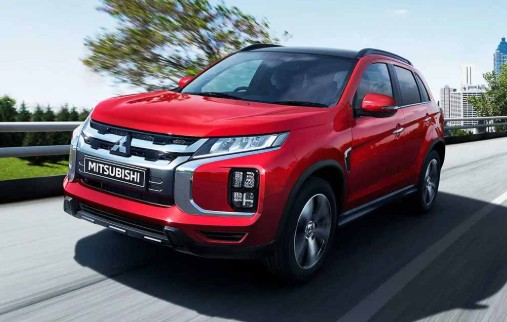
When we talk about compact SUVs that quietly blend practicality with affordability, the Mitsubishi ASX often sneaks into the conversation. Built by Mitsubishi Motors, it has earned a reputation for reliability—but let’s not pretend it’s flawless.
Today, we’re peeling back the curtain on the Mitsubishi ASX 1.6 petrol problems—the kind you only hear about after living with the car.
Content in this publication
- Why Focus on the 1.6 Petrol Engine?
- Overview of the 1.6 Petrol Engine
- Common Mitsubishi ASX 1.6 Petrol Problems
- 1. Lack of Power (The “Why Is It So Slow?” Problem)
- 2. High Fuel Consumption for Its Size
- 3. Noisy Engine at High RPM
- 4. Weak Acceleration
- 5. Gearbox Complaints (Manual Transmission)
- 6. Engine Feels Underpowered When Fully Loaded
- 7. Idle Vibrations
- 8. Basic Engine Technology (A Double-Edged Sword)
- Less Common but Notable Problems
- 9. Throttle Response Delay
- 10. Carbon Build-Up Over Time
- 11. Clutch Wear Issues
- Are These Problems Serious?
- Reliability vs Performance: The Trade-Off
- Maintenance Tips to Avoid Problems
- Who Should Buy the 1.6 Petrol ASX?
- Better Alternatives Within the ASX Range
- Owner Perspective: What People Really Say
- Should You Avoid the Mitsubishi ASX 1.6 Petrol?
- Final Thoughts: A Car That Plays It Safe
- Conclusion
- FAQs
Why Focus on the 1.6 Petrol Engine?
The 1.6 petrol variant is one of the most common entry-level options. It’s simple, naturally aspirated, and… well, a bit old-school.
What Makes It Popular?
- Lower purchase price
- Simple mechanics (fewer turbo-related issues)
- Decent reliability reputation
But simplicity doesn’t mean perfection. In fact, it sometimes means compromises.
Overview of the 1.6 Petrol Engine
Basic Specs at a Glance
- Engine: 1.6L naturally aspirated petrol
- Power: ~115 hp
- Transmission: Mostly manual
- Drivetrain: Front-wheel drive
What This Means in Real Life
We’re dealing with a no-frills engine. Think of it like a reliable bicycle—solid, but don’t expect it to win races.
Common Mitsubishi ASX 1.6 Petrol Problems
Let’s get into the meat of it—the issues owners frequently report.
1. Lack of Power (The “Why Is It So Slow?” Problem)
What Happens?
You press the accelerator… and the car responds like it’s still thinking about it.
Why It Happens
- Low horsepower for SUV weight
- No turbocharger
- Conservative tuning
Real-World Impact
- Sluggish overtaking
- Struggles on hills
- Requires frequent gear changes
Our Take
If you’re expecting punch, you’ll be disappointed. This engine prioritizes reliability over excitement.
2. High Fuel Consumption for Its Size
The Irony
You’d expect a small engine to be fuel-efficient, right? Not always.
Common Complaints
- Real-world MPG worse than expected
- Poor city fuel economy
- Needs high revs to perform
Why It Happens
- Engine works harder due to low power
- Heavier body than hatchbacks
Quick Tip
Driving gently helps—but only to a point.
3. Noisy Engine at High RPM
What Owners Notice
Push the engine, and it starts sounding like it’s protesting.
Symptoms
- Loud engine noise above 3,500 RPM
- Vibration through cabin
- Less refined driving feel
Why It Matters
Long drives can become tiring. It’s not just noise—it’s fatigue.
4. Weak Acceleration
The 0–60 Reality
Let’s be honest—it’s not fast.
Common Issues
- Slow take-off from standstill
- Delayed throttle response
- Difficulty merging onto highways
Who Will Notice Most?
- Drivers coming from turbo cars
- Anyone used to modern small SUVs
5. Gearbox Complaints (Manual Transmission)
What Goes Wrong?
- Notchy gear changes
- Clutch wear over time
- Occasional difficulty engaging gears
Possible Causes
- Basic gearbox design
- Wear and tear
- Driving style
How to Reduce Issues
- Smooth shifting
- Avoid aggressive driving
6. Engine Feels Underpowered When Fully Loaded
Scenario
Add passengers, luggage, maybe a hill—and suddenly the car feels overwhelmed.
Why It Happens
- Limited torque output
- Engine strain under load
What You’ll Experience
- Slower acceleration
- More gear shifting
- Higher fuel consumption
7. Idle Vibrations
Symptoms
- Slight shaking at idle
- Steering wheel vibrations
- Cabin tremors
Possible Causes
- Engine mounts
- Natural vibration from small engines
- Wear over time
Is It Serious?
Usually not—but it can be annoying.
8. Basic Engine Technology (A Double-Edged Sword)
The Upside
- Fewer complex components
- Lower maintenance risk
The Downside
- Outdated performance
- Less efficiency compared to modern engines
Our Honest View
It’s reliable—but it feels like yesterday’s tech.
Less Common but Notable Problems
9. Throttle Response Delay
What Drivers Report
A slight lag between pressing the pedal and actual acceleration.
Why It Happens
- Electronic throttle tuning
- Engine optimization for economy
10. Carbon Build-Up Over Time
Symptoms
- Reduced performance
- Rough running
- Increased fuel consumption
Solution
- Regular servicing
- Occasional high-rev driving (Italian tune-up)
11. Clutch Wear Issues
Who’s Affected?
Mostly city drivers.
Why It Happens
- Frequent stop-start driving
- Engine needing higher revs
Are These Problems Serious?
Let’s put things into perspective.
Most Issues Are:
- Performance-related
- Comfort-related
- Not catastrophic
What You Won’t Typically See
- Major engine failures
- Expensive breakdowns
- Complex electronic faults
Reliability vs Performance: The Trade-Off
Here’s the truth most reviews won’t spell out:
The Mitsubishi ASX 1.6 petrol isn’t problematic—it’s just underwhelming.
Think of It Like This
- Reliable like a hammer
- Exciting like… well, a hammer
Maintenance Tips to Avoid Problems
Keep It Running Smoothly
- Regular oil changes
- Use quality fuel
- Check engine mounts
- Maintain clutch properly
Driving Style Matters
- Avoid constant high revs
- Shift gears smoothly
- Don’t overload unnecessarily
Who Should Buy the 1.6 Petrol ASX?
Ideal For
- Calm drivers
- City commuters
- Budget-conscious buyers
Not Ideal For
- Performance lovers
- Frequent highway drivers
- Heavy load users
Better Alternatives Within the ASX Range
If the 1.6 feels lacking, consider:
- 2.0 petrol
- Diesel variants
They offer more torque and better drivability.
Owner Perspective: What People Really Say
Common Positive Feedback
- Reliable
- Cheap to maintain
- Simple mechanics
Common Complaints
- Slow
- Noisy
- Not fuel-efficient as expected
Should You Avoid the Mitsubishi ASX 1.6 Petrol?
Not necessarily.
Avoid It If:
- You want power
- You drive long distances often
Consider It If:
- You prioritize reliability
- You drive mainly in the city
Final Thoughts: A Car That Plays It Safe
The Mitsubishi ASX 1.6 petrol is like that quiet friend who never causes trouble—but also never surprises you.
It’s dependable, predictable, and a bit… dull.
And honestly? That’s not always a bad thing.
Conclusion
So, what’s the verdict on Mitsubishi ASX 1.6 petrol problems?
We’re not looking at a car plagued by failures. Instead, we’re dealing with a vehicle that sacrifices performance for simplicity.
If you can live with:
- Modest power
- Average fuel economy
- A slightly dated feel
…then you’ll likely find it a trustworthy companion.
But if you crave excitement? You might want to look elsewhere.
FAQs
1. Is the Mitsubishi ASX 1.6 petrol engine reliable?
Yes, it’s generally very reliable due to its simple, naturally aspirated design.
2. Why is the ASX 1.6 petrol so slow?
Because it has low horsepower and no turbocharger, making it underpowered for its size.
3. Does the ASX 1.6 consume a lot of fuel?
It can be less efficient than expected, especially in city driving.
4. Are repairs expensive?
No, maintenance and repairs are usually affordable compared to more complex engines.
5. Should I buy the 1.6 petrol or a different engine?
If you want better performance, consider the 2.0 petrol or diesel variants.
If you want to know other articles similar to Mitsubishi ASX 1.6 Petrol Problems: The Real Story Owners Don’t Always Tell you can visit the category Common Problems.
Nissan Rogue AC Not Working? Causes, Diagnosis, and Fixes

Kia Sorento Issues: Common Problems, Reliability and What to Watch For

Honda Passport Not Starting: Causes, Symptoms, and How to Fix It
Honda Passport Keyless Remote Battery Low: What It Means and How to Fix It
Nissan Rogue Apple CarPlay Not Working: Causes and Fixes
Nissan Rogue No Key Detected: Causes, Fixes, and What to Do
Leave a Reply
More content of your interest