

BMW X3 Reliability: Is It Built to Last or Just Looks the Part?

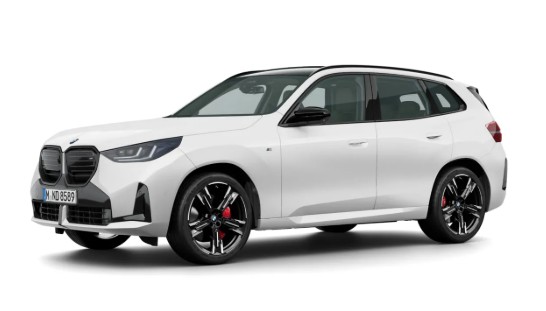
When we talk about premium SUVs, the BMW X3 always sneaks into the conversation like that confident guest at a party—well-dressed, composed, and undeniably appealing. But here’s the real question we all secretly ask: Is it actually reliable, or just a pretty face?
Let’s unpack everything—from engines to ownership costs—so we can decide whether the BMW X3 is a trustworthy companion or a high-maintenance diva.
Content in this publication
- Understanding BMW X3 Reliability at a Glance
- BMW X3 Generations and Their Reliability Differences
- Engine Reliability: The Heart of the X3
- Transmission and Drivetrain Reliability
- Common BMW X3 Problems You Should Know
- How Reliable Is the BMW X3 Compared to Rivals?
- Ownership Costs: The Hidden Side of Reliability
- Real-World Reliability: What Owners Say
- Mileage and Longevity: How Long Does It Last?
- Maintenance Tips to Improve BMW X3 Reliability
- Best BMW X3 Models for Reliability
- Is the BMW X3 Reliable for Daily Use?
- Driving Experience vs Reliability Trade-Off
- Pros and Cons of BMW X3 Reliability
- Should You Buy a BMW X3 for Reliability?
- Final Verdict: Is the BMW X3 Reliable?
- FAQs About BMW X3 Reliability
- Conclusion: Reliability Meets Real-World Driving Pleasure
Understanding BMW X3 Reliability at a Glance
Reliability isn’t just about whether a car starts in the morning. It’s about consistency, durability, and how well it handles the chaos of real-world driving.
The BMW X3 sits somewhere in the middle of the reliability spectrum:
- Better than older BMW stereotypes
- Slightly behind Japanese rivals
- Competitive within the luxury SUV segment
Think of it like a well-trained athlete—strong, capable, but needs proper care to stay in peak form.
BMW X3 Generations and Their Reliability Differences
First Generation (E83: 2003–2010)
The early X3 models were… let’s say, “learning experiences.”
Common Traits:
- Solid engines
- Weak interior quality
- Electrical gremlins
Reliability Verdict:
Not terrible, but not exactly confidence-inspiring either.
Second Generation (F25: 2010–2017)
This is where things started to improve significantly.
Improvements:
- Better build quality
- More refined engines
- Improved electronics
Known Issues:
- Timing chain problems (especially diesel models)
- Suspension wear
Reliability Verdict:
A solid step forward—this generation is often considered a “safe used buy.”
Third Generation (G01: 2017–Present)
Now we’re talking modern BMW.
Key Strengths:
- Advanced technology
- Strong engine lineup
- Better reliability scores
Common Concerns:
- Software glitches
- Expensive repairs
Reliability Verdict:
One of the most reliable BMW SUVs to date—but still not maintenance-free.
Engine Reliability: The Heart of the X3
Petrol Engines
BMW petrol engines in the X3 are generally reliable if maintained properly.
Highlights:
- Smooth performance
- Lower risk of timing chain issues (compared to older diesels)
Watch Out For:
- Oil leaks
- Turbo wear over time
Diesel Engines
Diesels are popular in Europe—and for good reason.
Strengths:
- Excellent fuel economy
- Long-distance durability
Common Issues:
- Timing chain failures (older models)
- EGR valve problems
- DPF clogging
Plug-in Hybrid (xDrive30e)
A newer addition with a mix of petrol and electric.
Pros:
- Efficient
- Lower emissions
Cons:
- More complexity = more potential failure points
Transmission and Drivetrain Reliability
The X3 uses automatic gearboxes almost exclusively—and they’re generally excellent.
You may be interested in reading BMW X3 Insurance Group: The Ultimate UK Cost & Risk Guide
What We Like:
- Smooth shifting
- Long lifespan with proper servicing
Potential Issues:
- Delayed shifts (rare)
- Expensive repairs if neglected
The xDrive AWD system is reliable but:
- Requires regular maintenance
- Can be costly to fix if ignored
Common BMW X3 Problems You Should Know
Let’s be real—no car is perfect. Here are the most reported issues:
1. Timing Chain Failures
- Mostly on older diesel engines
- Expensive to fix
2. Electrical Issues
- Infotainment glitches
- Sensor failures
3. Suspension Wear
- Bushings and control arms wear out
- Especially on higher mileage vehicles
4. Cooling System Problems
- Radiators and water pumps can fail over time
5. Oil Leaks
- Valve cover gasket issues are common
How Reliable Is the BMW X3 Compared to Rivals?
Let’s put it side by side with competitors.
BMW X3 vs Audi Q5
- Similar reliability
- Audi slightly more tech-heavy (and glitch-prone)
BMW X3 vs Mercedes GLC
- Mercedes feels more luxurious
- BMW often edges ahead in reliability
BMW X3 vs Toyota RAV4
- Toyota wins easily on reliability
- BMW wins on performance and driving experience
BMW X3 vs Mazda CX-5
- Mazda is more dependable
- BMW offers more power and prestige
Reliability isn’t just about breakdowns—it’s about how much it costs to keep the car running.
Typical Costs Include:
- Premium servicing
- Expensive parts
- Higher insurance
Annual Maintenance Estimate:
- £500–£1,200 (depending on age and usage)
It’s like owning a luxury watch—it works beautifully, but you pay for the privilege.
Real-World Reliability: What Owners Say
Owners generally describe the X3 as:
- Comfortable
- Fun to drive
- Reliable when maintained
But they also mention:
- Costly repairs
- Occasional electronic quirks
The consensus?
👉 “It’s reliable… if you treat it right.”
Mileage and Longevity: How Long Does It Last?
With proper care, a BMW X3 can easily reach:
- 150,000–200,000 miles
Key factors that affect longevity:
- Regular servicing
- Driving style
- Quality of parts used
Neglect it, and problems will show up faster than you expect.
Maintenance Tips to Improve BMW X3 Reliability
If we want our X3 to last, here’s what we should do:
Stick to Regular Servicing
- Oil changes every 8,000–10,000 miles
- Don’t rely solely on BMW’s extended intervals
Use Quality Parts
- Cheap parts = expensive problems later
Watch for Warning Signs
- Strange noises
- Dashboard warnings
- Performance drops
Maintain the Cooling System
- Prevent overheating issues
Best BMW X3 Models for Reliability
If we’re shopping smart, these are our best bets:
Most Reliable Choices:
- 2015–2017 (late F25)
- 2018–2022 (early G01)
Models to Be Careful With:
- Early diesel models (timing chain issues)
- High-mileage examples with poor service history
Is the BMW X3 Reliable for Daily Use?
Absolutely—if maintained.
Perfect For:
- Commuting
- Family trips
- Long-distance driving
Not Ideal For:
- Low-budget ownership
- Drivers who skip maintenance
Driving Experience vs Reliability Trade-Off
Here’s the truth:
You may be interested in readingBMW X3 Insurance Group: The Ultimate UK Cost & Risk GuideYou may be interested in reading
BMW X3 Warning Lights: The Complete Driver’s Guide to Every SymbolYou don’t buy a BMW X3 purely for reliability.
You buy it because:
- It drives beautifully
- It feels premium
- It makes every journey enjoyable
Reliability is decent—but the driving experience is what truly shines.
Pros and Cons of BMW X3 Reliability
Pros
- Strong engines
- Good build quality (modern models)
- Reliable when maintained
Cons
- Expensive repairs
- Some known issues (timing chain, electronics)
- Not as reliable as Japanese rivals
Should You Buy a BMW X3 for Reliability?
Let’s be honest.
If your priority is:
- Bulletproof reliability → Look elsewhere (Toyota, Lexus)
- Balanced performance + reliability → BMW X3 is a great choice
It’s not perfect—but it’s far from unreliable.
Final Verdict: Is the BMW X3 Reliable?
The BMW X3 is like a well-tailored suit—it fits perfectly, looks amazing, and feels fantastic… but it needs care.
Our Verdict:
- ✔ Reliable with proper maintenance
- ✔ Strong modern models (G01 especially)
- ✖ Not the cheapest to own
- ✖ Some known issues to watch
In short, if we respect the car, it will return the favor.
FAQs About BMW X3 Reliability
1. Is the BMW X3 expensive to maintain?
Yes, maintenance costs are higher than average due to premium parts and servicing.
2. Which BMW X3 engine is most reliable?
Petrol engines are generally more reliable than older diesel units.
3. How many miles can a BMW X3 last?
With proper care, 150,000–200,000 miles is achievable.
4. Are newer BMW X3 models more reliable?
Yes, especially the G01 generation (2017 onwards).
5. Is the BMW X3 a good used SUV?
Yes—if it has a full service history and has been well maintained.
Conclusion: Reliability Meets Real-World Driving Pleasure
At the end of the day, the BMW X3 strikes a balance. It’s not the most reliable SUV on the road—but it doesn’t need to be.
Because every time we press the accelerator and feel that smooth surge forward, we remember why we chose it in the first place.
You may be interested in readingBMW X3 Insurance Group: The Ultimate UK Cost & Risk GuideYou may be interested in reading
BMW X3 Warning Lights: The Complete Driver’s Guide to Every SymbolYou may be interested in reading
BMW X3 Wading Depth: How Deep Can It Really Go?And honestly? That feeling is hard to beat.
If you want to know other articles similar to BMW X3 Reliability: Is It Built to Last or Just Looks the Part? you can visit the category Blog.
Vauxhall Meriva Insurance Group UK: Costs, Ratings and Savings

Is Hyundai i40 a Good Car? An Honest Used-Car Review
Hyundai i40 Years to Avoid: The Complete Used-Car Guide
Hyundai i40 Reliability: Common Problems, Lifespan, and Buying Advice

Which Kia Rio Engine Is Best? A Smart Buyer’s Guide
Kia Rio Reliability: A Real-World Guide for Smart Buyers
Leave a Reply
More content of your interest