
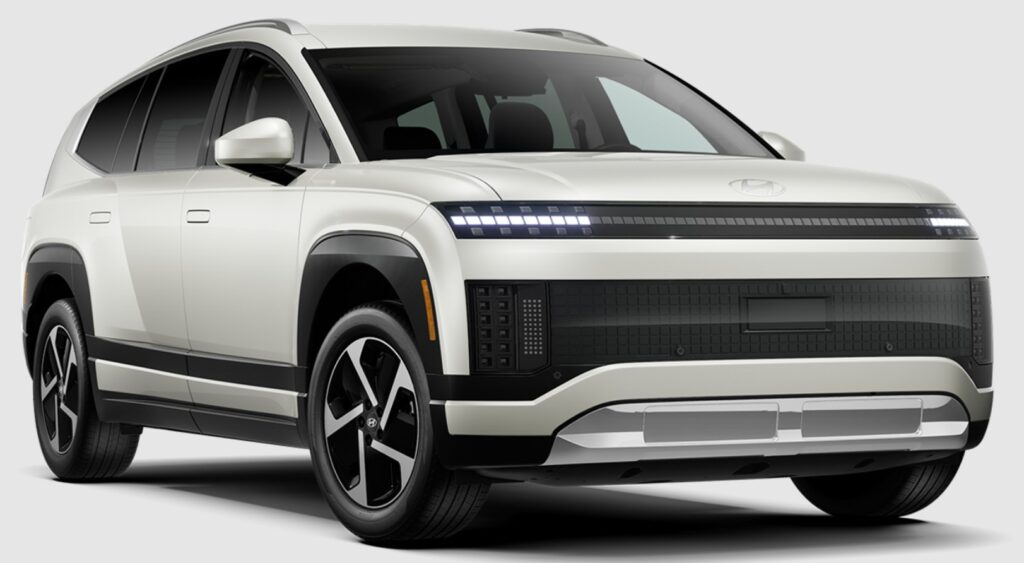
Hyundai Ioniq 9 Reliability

Content in this publication
- Why the Hyundai Ioniq 9 Reliability Question Matters
- How Hyundai Built Its Modern Reliability Reputation
- The E-GMP Platform Could Be Hyundai’s Secret Weapon
- Battery Reliability Looks Promising
- Will the Hyundai Ioniq 9 Be More Reliable Than Gas SUVs?
- The Biggest Reliability Concerns Buyers Should Watch
- Charging Reliability Could Shape Ownership Experience
- How Hyundai Warranty Coverage Improves Reliability Confidence
- Interior Reliability Matters More Than People Think
- Real-World Hyundai EV Reliability Trends
- The Importance of the ICCU System
- How Cold Weather Affects Reliability
- Maintenance Costs Should Be Lower Than Traditional SUVs
- Can the Hyundai Ioniq 9 Handle High Mileage?
- How Reliability Compares to Competitors
- Early Production Models Usually Carry More Risk
- The Dealer Experience Matters Too
- What Owners Can Do to Improve Reliability
- The Reliability Outlook Looks Encouraging
- Should You Trust the Hyundai Ioniq 9?
- FAQs About Hyundai Ioniq 9 Reliability
Why the Hyundai Ioniq 9 Reliability Question Matters
The arrival of the Hyundai Ioniq 9 feels like watching the electric SUV world stretch into a new dimension. Bigger batteries, futuristic interiors, advanced software, and family-focused practicality all sound fantastic on paper. But once the excitement settles, one question quietly takes center stage:
Can we actually trust it long term?
Reliability is the backbone of every family SUV purchase. We can forgive slightly average styling. We can tolerate a confusing infotainment menu. But if an SUV strands us on the side of the road or spends weeks at the dealership, the honeymoon phase disappears quickly.
That is exactly why Hyundai Ioniq 9 reliability has become such a hot topic. Buyers want to know whether Hyundai’s flagship electric SUV is genuinely dependable or simply another flashy EV packed with experimental tech.
The good news? Hyundai enters this segment with more experience than many people realize.
How Hyundai Built Its Modern Reliability Reputation
A decade ago, Hyundai reliability discussions looked very different. The brand was often viewed as affordable first and dependable second. Today, the conversation has changed dramatically.
Models like the Hyundai Ioniq 5 and Hyundai Ioniq 6 helped reshape public perception. Hyundai proved it could build electric vehicles that felt polished, technologically advanced, and surprisingly durable.
Several factors contributed to this transformation:
- Better manufacturing quality
- Improved battery engineering
- Longer warranty coverage
- More sophisticated software systems
- Stronger EV platform development
- Enhanced quality control procedures
The Hyundai Ioniq 9 benefits from all those lessons.
Instead of being a first-generation experimental product, it arrives as part of Hyundai’s growing EV ecosystem.
That matters enormously for reliability.
The E-GMP Platform Could Be Hyundai’s Secret Weapon
The Hyundai Ioniq 9 uses Hyundai’s E-GMP platform, the same modular EV architecture underpinning multiple successful electric models across Hyundai and Kia.
Think of this platform like a well-tested skeleton beneath the SUV. The more vehicles use it, the more manufacturers learn about weaknesses, software bugs, charging quirks, and component durability.
This reduces the chance of catastrophic surprises.
Key benefits of the E-GMP platform include:
- Proven 800V charging architecture
- Simplified drivetrain design
- Lower mechanical complexity than gas vehicles
- Strong thermal battery management
- Extensive real-world testing data
Because the platform already exists in other vehicles, Hyundai isn’t starting from scratch.
That alone boosts confidence.
Battery Reliability Looks Promising
Modern EV Batteries Are More Durable Than Many Expect
One of the biggest fears surrounding any electric SUV is battery degradation. People imagine a nightmare scenario where range collapses after a few years like a smartphone battery aging badly.
Reality is far less dramatic.
Modern EV battery systems are engineered with sophisticated cooling and management systems that dramatically slow degradation. Hyundai has already demonstrated respectable long-term battery stability in earlier EV models.
The Hyundai Ioniq 9 appears positioned to continue that trend.
What Helps Protect the Battery?
Battery longevity depends on multiple engineering decisions:
Advanced Thermal Management
Heat is the enemy of battery health. Hyundai’s cooling systems help maintain stable battery temperatures during:
- Fast charging
- Highway driving
- Hot weather operation
- Long-distance trips
Battery Buffering
Manufacturers rarely allow full battery capacity access. Hidden reserves reduce stress and improve lifespan.
Smart Charging Software
Charging algorithms now protect batteries more intelligently than older EVs.
This combination suggests the Ioniq 9 battery should age gracefully if maintained properly.
Will the Hyundai Ioniq 9 Be More Reliable Than Gas SUVs?
Interestingly, electric vehicles often eliminate many traditional reliability headaches.
Gas-powered SUVs contain hundreds of moving parts that wear over time:
- Oil systems
- Timing chains
- Fuel injectors
- Transmissions
- Exhaust systems
- Turbochargers
- Spark plugs
Electric SUVs simplify much of that.
The Hyundai Ioniq 9 avoids many classic mechanical failures because EV drivetrains are inherently less complex.
That simplicity can translate into fewer repair visits.
However, EVs introduce different risks.
The Biggest Reliability Concerns Buyers Should Watch
Software Glitches May Be the Largest Risk
Modern EVs are essentially computers on wheels. The Hyundai Ioniq 9 will likely feature:
- Over-the-air updates
- Advanced driver assistance
- AI-enhanced interfaces
- Connected services
- Digital cockpit systems
While these features feel futuristic, they can also become reliability weak points.
Common EV software issues include:
- Frozen infotainment screens
- Charging communication errors
- App synchronization problems
- Driver-assistance calibration glitches
- Sensor malfunctions
The good news is that software problems are often fixable through updates rather than expensive hardware repairs.
Still, early adopters may experience occasional hiccups.
Charging Reliability Could Shape Ownership Experience
Fast Charging Is Amazing — Until It Isn’t
The Hyundai Ioniq 9 will likely support ultra-fast charging speeds thanks to Hyundai’s 800V architecture.
When everything works properly, charging can feel almost magical.
You may be interested in reading Jeep Grand Cherokee Reliability
But charging reliability depends on more than the vehicle itself.
Factors include:
- Public charger condition
- Network software stability
- Weather conditions
- Connector compatibility
- Charging station maintenance
Sometimes the vehicle gets blamed for problems caused by chargers.
That distinction matters.
How Hyundai Warranty Coverage Improves Reliability Confidence
One of the Best EV Warranties Available
Hyundai’s warranty strategy acts like a giant safety net beneath the ownership experience.
Typical Hyundai EV coverage includes:
- 10-year/100,000-mile powertrain warranty
- Long battery warranty coverage
- Limited vehicle warranty
- Corrosion protection
This reduces financial anxiety significantly.
A strong warranty doesn’t guarantee perfection, but it signals manufacturer confidence.
Automakers rarely offer aggressive warranties if they expect catastrophic failure rates.
Interior Reliability Matters More Than People Think
Luxury Features Can Become Weak Points
The Hyundai Ioniq 9 aims for premium territory. That means buyers can expect:
- Large digital displays
- Ambient lighting
- Power-adjustable seating
- Advanced climate controls
- Premium audio systems
- Sophisticated driver-assistance technology
These features elevate comfort, but every additional electronic component introduces potential failure points.
Historically, luxury-oriented vehicles often experience more electronic problems than simpler models.
The challenge for Hyundai is balancing innovation with durability.
Real-World Hyundai EV Reliability Trends
What Existing Hyundai EV Owners Reveal
Current Hyundai EV owners generally report:
- Strong drivetrain durability
- Smooth long-term operation
- Low maintenance costs
- Impressive charging performance
However, some recurring complaints have appeared in various Hyundai EV discussions:
Common Reported Issues
- ICCU-related charging concerns
- 12V battery drain problems
- Infotainment software bugs
- Charging interruptions
- Sensor recalibration issues
It is important to remember that early production models often face more scrutiny online because people report problems louder than successes.
Thousands of quiet, trouble-free ownership experiences rarely generate headlines.
The Importance of the ICCU System
A Key Area to Monitor
One topic frequently discussed among Hyundai EV enthusiasts involves the Integrated Charging Control Unit (ICCU).
This component helps manage charging and electrical distribution.
Some earlier Hyundai EVs experienced ICCU-related issues that triggered warning lights or charging problems.
Will the Hyundai Ioniq 9 suffer similar concerns?
Possibly — but Hyundai has likely learned from earlier cases.
Manufacturers continuously revise hardware and software throughout production cycles.
That iterative improvement process often boosts long-term reliability.
How Cold Weather Affects Reliability
Winter Conditions Test Every EV
Cold weather exposes weaknesses in electric vehicles faster than mild climates.
Potential winter-related concerns include:
- Reduced driving range
- Slower charging speeds
- Increased battery strain
- Cabin heating efficiency
- Frozen charging connectors
The Hyundai Ioniq 9’s thermal management system will play a major role here.
If Hyundai optimized cold-weather performance effectively, the SUV could outperform many rivals in harsh climates.
Maintenance Costs Should Be Lower Than Traditional SUVs
Fewer Moving Parts Mean Fewer Service Visits
One underrated aspect of Hyundai Ioniq 9 reliability is maintenance simplicity.
Unlike traditional three-row SUVs, EVs require less routine servicing.
Typical maintenance may include:
- Tire rotations
- Brake fluid checks
- Cabin air filters
- Software updates
- Coolant inspections
That’s refreshingly simple compared to gasoline SUVs.
No oil changes.
No transmission servicing.
No exhaust repairs.
It feels almost like replacing a complicated orchestra with a minimalist jazz trio.
Can the Hyundai Ioniq 9 Handle High Mileage?
Long-Term Durability Remains the Big Unknown
Because the Hyundai Ioniq 9 is new, we do not yet have massive high-mileage ownership data.
Still, several indicators look encouraging:
- Hyundai’s improving EV engineering
- Durable electric motors
- Proven E-GMP architecture
- Strong battery management systems
Many EVs now exceed 100,000 miles with relatively limited degradation.
The Ioniq 9 could follow the same path if Hyundai maintains build quality consistency.
How Reliability Compares to Competitors
Hyundai Ioniq 9 vs Kia EV9 Reliability
The Kia EV9 shares engineering DNA with the Hyundai Ioniq 9.
You may be interested in readingJeep Grand Cherokee ReliabilityYou may be interested in reading
Jeep Grand Cherokee 3.0 CRD ReliabilityThat means both vehicles may display similar reliability characteristics.
Potential shared strengths:
- Strong charging performance
- Efficient powertrains
- Modern battery architecture
Potential shared weaknesses:
- Software complexity
- Electronic system bugs
- Early production quirks
Hyundai Ioniq 9 vs Tesla Reliability
The Tesla Model X offers cutting-edge technology but has historically faced quality-control criticism.
Hyundai may deliver:
- Better assembly consistency
- Fewer panel-gap issues
- More traditional ergonomics
- Stronger dealership service networks
Tesla may still lead in software integration and charging ecosystem maturity.
Early Production Models Usually Carry More Risk
Should Buyers Wait?
This is one of the smartest questions potential buyers can ask.
First-year vehicles sometimes experience:
- Manufacturing inconsistencies
- Supplier quality adjustments
- Software refinements
- Recall campaigns
- Unexpected component failures
Waiting 12 to 18 months often allows manufacturers to refine production.
If maximum reliability matters more than being first, patience can pay off.
The Dealer Experience Matters Too
Reliability Is More Than Mechanical Durability
A vehicle can technically be reliable yet still create frustrating ownership experiences if service support is weak.
Fortunately, Hyundai’s dealership network is extensive.
That improves access to:
- Warranty repairs
- Software updates
- Certified technicians
- Replacement parts
Still, EV technician expertise varies between dealerships.
Some service centers remain far more experienced with electric vehicles than others.
What Owners Can Do to Improve Reliability
Smart Habits Make a Difference
Even the best EV benefits from thoughtful ownership.
Here are some practical ways to maximize Hyundai Ioniq 9 reliability:
Avoid Constant 100% Charging
Keeping daily charging between 20% and 80% can reduce battery stress.
Install a Reliable Home Charger
Stable home charging minimizes public charging frustrations.
Keep Software Updated
Many EV issues disappear through firmware updates.
Rotate Tires Regularly
Electric SUVs are heavy and produce instant torque, which accelerates tire wear.
Pay Attention to Warning Messages
Ignoring small alerts can lead to bigger issues later.
The Reliability Outlook Looks Encouraging
Why the Future Appears Bright
The Hyundai Ioniq 9 enters the market at a fascinating moment.
Early EVs often felt experimental.
Modern EVs feel mature.
That distinction matters enormously.
Hyundai no longer behaves like a newcomer testing unproven concepts. The company now operates with years of EV experience, billions invested in electrification, and valuable real-world data from earlier models.
While no vehicle is perfect, the Hyundai Ioniq 9 appears positioned to become one of the more dependable large electric SUVs available.
Its biggest risks likely involve software complexity and early production adjustments rather than catastrophic mechanical failures.
That is a reassuring shift.
Should You Trust the Hyundai Ioniq 9?
Final Verdict on Hyundai Ioniq 9 Reliability
If we step back and look at the entire picture, the Hyundai Ioniq 9 reliability outlook feels genuinely promising.
Here is why:
- Hyundai’s EV engineering has matured rapidly
- The E-GMP platform already has real-world validation
- Electric drivetrains reduce mechanical failure points
- Battery technology continues improving
- Warranty protection is excellent
- Maintenance requirements remain low
Of course, caution is still wise with any brand-new vehicle.
Some software quirks and early production issues are almost inevitable in modern EVs packed with advanced technology. But compared to many competitors, Hyundai appears better prepared than most.
The Hyundai Ioniq 9 may ultimately become the kind of family EV that quietly earns trust year after year — not through flashy headlines, but through calm, dependable ownership experiences.
And honestly, that is the kind of reliability most drivers truly want.
FAQs About Hyundai Ioniq 9 Reliability
Is the Hyundai Ioniq 9 expected to be reliable?
Yes, the Hyundai Ioniq 9 is expected to deliver strong reliability thanks to Hyundai’s proven EV platform, advanced battery management, and growing electric vehicle experience.
What are the most common concerns about Hyundai EV reliability?
The most discussed concerns include software glitches, charging system issues, ICCU-related problems, and occasional 12V battery drain reports.
Will the Hyundai Ioniq 9 battery last long term?
Modern EV batteries are designed for longevity. With proper charging habits and thermal management, the Ioniq 9 battery should remain durable for many years.
Is the Hyundai Ioniq 9 cheaper to maintain than a gas SUV?
Yes. Electric vehicles generally require less maintenance because they eliminate many traditional engine and transmission components.
You may be interested in readingJeep Grand Cherokee ReliabilityYou may be interested in reading
Jeep Grand Cherokee 3.0 CRD ReliabilityYou may be interested in reading
Jeep Grand Cherokee Years to AvoidShould buyers wait before purchasing the Hyundai Ioniq 9?
Buyers prioritizing maximum reliability may benefit from waiting until later production cycles, allowing Hyundai time to address any early production issues.
If you want to know other articles similar to Hyundai Ioniq 9 Reliability you can visit the category Blog.
Volvo S90 Reliability: Problems, Costs & Best Years
Is Haval Jolion a Good Car? Honest Review, Reliability, Pros and Cons
How to Start Haval Jolion With Spare Key: Complete Guide
How to Calculate Per Diem on an Auto Loan

How to Calculate the Residual Value of a Car

Is the Honda Passport Selling Well? Sales Numbers Tell the Story
Leave a Reply
More content of your interest