
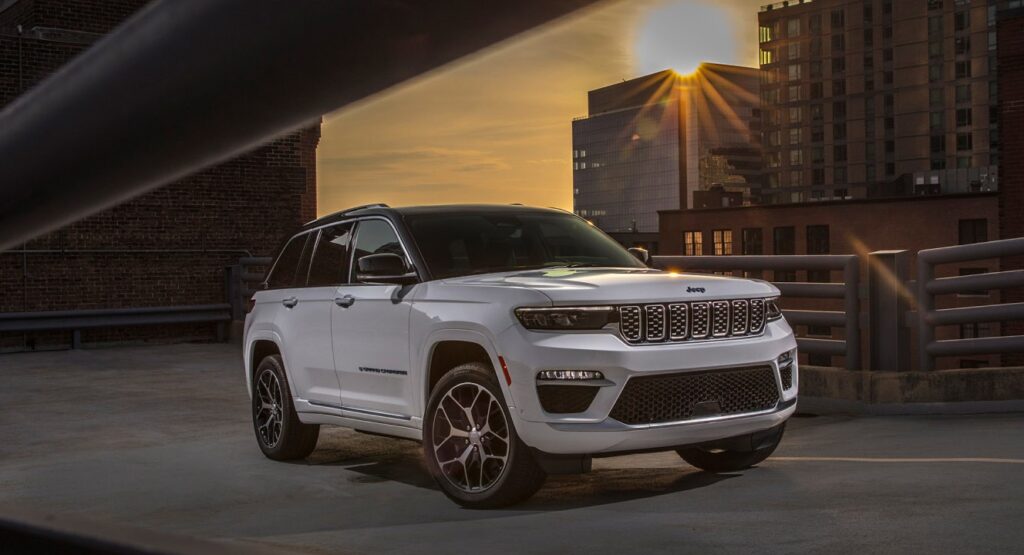
Jeep Grand Cherokee Reliability

Content in this publication
- Why the Jeep Grand Cherokee Still Captures Attention
- How Reliable Is the Jeep Grand Cherokee Overall?
- Why Reliability Changes So Much Between Model Years
- Best Jeep Grand Cherokee Years for Reliability
- Worst Jeep Grand Cherokee Years to Avoid
- Most Common Jeep Grand Cherokee Problems
- Which Jeep Grand Cherokee Engine Is Most Reliable?
- How Long Can a Jeep Grand Cherokee Last?
- How to Make a Jeep Grand Cherokee Last Longer
- Jeep Grand Cherokee Maintenance Costs
- Most Expensive Jeep Grand Cherokee Repairs
- Is the Jeep Grand Cherokee Reliable for Off-Road Driving?
- Does Off-Roading Reduce Reliability?
- Jeep Grand Cherokee vs Competitors for Reliability
- Should We Buy a Used Jeep Grand Cherokee?
- Mileage Is Less Important Than Maintenance
- Are New Jeep Grand Cherokees More Reliable?
- Signs of a Healthy Jeep Grand Cherokee
- Warning Signs to Avoid
- Is the Jeep Grand Cherokee Worth Buying?
- Final Thoughts on Jeep Grand Cherokee Reliability
- FAQs
Why the Jeep Grand Cherokee Still Captures Attention
The Jeep Grand Cherokee has built a reputation as one of the most recognizable SUVs on the road. It blends rugged off-road DNA with premium comfort in a way few competitors truly manage. One day it feels like an explorer climbing rocky trails, and the next it behaves like a luxury cruiser gliding silently through city streets.
Still, one major question follows this SUV everywhere:
Is the Jeep Grand Cherokee reliable?
The answer depends on several factors, including the model year, engine choice, maintenance history, and driving habits. Some versions are impressively dependable and capable of lasting well beyond 200,000 miles. Others developed reputations for electrical problems, transmission issues, and expensive repairs.
That contrast is what makes Grand Cherokee reliability such an important topic. Choosing the right year can lead to years of comfortable driving. Choosing the wrong one can feel like adopting a storm cloud that occasionally empties your wallet.
In this complete guide, we will explore:
- The most reliable Jeep Grand Cherokee years
- The worst years to avoid
- Common mechanical problems
- Engine durability
- Maintenance costs
- Longevity expectations
- Whether buying one used is a smart decision
By the end, we will understand whether the Grand Cherokee deserves a spot in our driveway or if another SUV might make more sense.
How Reliable Is the Jeep Grand Cherokee Overall?
The Jeep Grand Cherokee sits in the middle of the SUV reliability spectrum. It is not consistently flawless like some Japanese SUVs, but it is also far from the unreliable stereotype some critics claim.
Its biggest strengths include:
- Strong towing capability
- Excellent off-road systems
- Comfortable interior quality
- Premium features
- Powerful engine options
However, reliability ratings vary dramatically between generations.
One owner may enjoy a decade of trouble-free driving, while another battles recurring electrical problems before reaching 100,000 miles. That inconsistency defines the Grand Cherokee ownership experience more than almost anything else.
Why Reliability Changes So Much Between Model Years
Each Generation Introduced Major Changes
A 2005 Grand Cherokee feels entirely different from a 2021 model.
Over the years, Jeep introduced:
- New transmissions
- Updated engine families
- More electronic systems
- Advanced infotainment technology
- Sophisticated suspension setups
Every redesign brought improvements, but also new opportunities for problems to appear.
This explains why some years are highly respected while others are heavily criticized.
Maintenance Makes a Huge Difference
The Grand Cherokee rewards owners who stay disciplined with maintenance.
Routine servicing matters tremendously, including:
- Oil changes
- Transmission servicing
- Cooling system inspections
- Differential fluid replacement
- Brake maintenance
Ignoring maintenance on a Grand Cherokee is like skipping workouts while expecting to run a marathon. Eventually, something gives up.
Owners who follow service schedules carefully often report much better long-term reliability.
Best Jeep Grand Cherokee Years for Reliability
2017 Jeep Grand Cherokee
The 2017 model is widely viewed as one of the safest choices.
By this point, Jeep had refined the platform and solved many earlier software and transmission complaints.
Key advantages include:
- Reliable Pentastar V6 engine
- Better transmission calibration
- Improved electronics stability
- Comfortable ride quality
For many buyers, the 2017 model strikes the perfect balance between modern features and dependable engineering.
2018 Jeep Grand Cherokee
The 2018 version continued the improvements.
Owners frequently praise:
- Smooth highway driving
- Durable drivetrain performance
- Refined interior quality
- Fewer severe mechanical complaints
This year especially appeals to families wanting a comfortable SUV with occasional off-road capability.
2020 Jeep Grand Cherokee
The 2020 model benefits from years of refinement.
Jeep had already addressed many early-generation problems, resulting in:
- Better reliability scores
- Improved software integration
- More polished driving dynamics
- Reduced transmission complaints
Late-generation models often become the most dependable because manufacturers finally eliminate many early weaknesses.
2021 Jeep Grand Cherokee
The 2021 model is considered one of the strongest modern Grand Cherokees.
Strengths include:
- Mature platform engineering
- Better electronics reliability
- Strong safety features
- Excellent ride comfort
Many enthusiasts consider late WK2 Grand Cherokees among the best Jeep has ever produced.
Worst Jeep Grand Cherokee Years to Avoid
2011 Jeep Grand Cherokee
The 2011 redesign introduced many improvements, but also numerous reliability concerns.
Common complaints included:
- Electrical failures
- TIPM problems
- Fuel pump relay recalls
- Transmission hesitation
First-year redesigns often struggle with reliability, and the 2011 model demonstrates why cautious buyers usually avoid them.
2014 Jeep Grand Cherokee
The 2014 model introduced the 8-speed transmission, and early versions created frustration for many owners.
Problems included:
- Rough shifting
- Delayed acceleration
- Jerking between gears
- Software calibration issues
Although software updates improved some problems, many drivers still report inconsistent transmission behavior.
2015 Jeep Grand Cherokee
The 2015 model improved slightly over 2014, but reliability concerns remained.
Reported issues included:
- Electrical glitches
- Suspension problems
- Uconnect infotainment failures
- Occasional transmission complaints
This does not automatically make it a bad SUV, but buyers should inspect maintenance history very carefully.
Most Common Jeep Grand Cherokee Problems
Transmission Issues
Transmission complaints dominate many reliability discussions.
Symptoms may include:
- Hard shifting
- Gear hesitation
- Jerking acceleration
- Sudden downshifts
Early versions of the 8-speed automatic transmission generated the majority of complaints.
Regular servicing and software updates can reduce problems significantly.
Electrical Problems
Modern Grand Cherokees contain a huge amount of technology.
You may be interested in reading Jeep Grand Cherokee 3.0 CRD Reliability
When everything works properly, the SUV feels refined and luxurious. When electronics fail, ownership becomes frustrating quickly.
Common electrical concerns include:
- Infotainment freezing
- Sensor malfunctions
- Dashboard warning lights
- Battery drain
- Power accessory failures
Later models generally improved in this area.
Air Suspension Failures
Higher trims equipped with Quadra-Lift air suspension provide excellent ride comfort and adjustable height.
However, repairs can become expensive.
Potential issues include:
- Suspension sagging
- Air compressor failure
- Uneven ride height
- Air leaks
Buyers considering used models with air suspension should prepare for higher maintenance costs.
Cooling System Issues
Older Grand Cherokees sometimes develop cooling system problems such as:
- Water pump failures
- Radiator leaks
- Engine overheating
Ignoring these issues can lead to severe engine damage.
Routine inspections are extremely important here.
Which Jeep Grand Cherokee Engine Is Most Reliable?
3.6L Pentastar V6
The Pentastar V6 is generally viewed as the most dependable engine choice.
Benefits include:
- Strong durability
- Lower maintenance costs
- Good fuel economy
- Wide parts availability
Many owners surpass 200,000 miles with proper care.
Potential issues may include:
- Oil cooler leaks
- Minor sensor failures
- Valve train ticking
Even so, it remains Jeep’s safest reliability option.
5.7L HEMI V8
The HEMI V8 delivers impressive towing capability and strong acceleration.
Strengths include:
- Excellent power
- Smooth highway performance
- Durable construction when maintained
However, ownership costs increase noticeably.
Common concerns include:
- Exhaust manifold bolt issues
- Lifters and camshaft wear
- Higher fuel consumption
For drivers who tow frequently, the HEMI remains an attractive choice.
6.4L SRT V8
The SRT version transforms the Grand Cherokee into a high-performance SUV.
It delivers thrilling speed and handling, but maintenance expenses rise significantly.
Owners should expect:
- Faster tire wear
- Higher brake costs
- Increased fuel consumption
- More expensive repairs
Performance always comes with trade-offs.
How Long Can a Jeep Grand Cherokee Last?
A properly maintained Grand Cherokee can last:
- 200,000 miles or more
- 15 years or longer
Longevity depends heavily on maintenance consistency.
Some owners report reaching 250,000 miles with original engines and transmissions still functioning properly.
Others experience major failures far earlier because maintenance was neglected.
How to Make a Jeep Grand Cherokee Last Longer
Follow Maintenance Schedules Strictly
Routine servicing is critical.
This includes:
- Engine oil changes
- Transmission fluid service
- Brake inspections
- Cooling system maintenance
- Tire rotations
Clean fluids and preventative maintenance dramatically improve long-term durability.
Avoid Aggressive Driving
Constant hard acceleration and excessive towing place extra stress on:
- The transmission
- Suspension components
- Differential systems
- Brakes
The Grand Cherokee is capable, but capability should not be mistaken for invulnerability.
Fix Small Issues Early
Minor warning signs can become major repair bills quickly.
For example:
- A small coolant leak can become engine overheating
- Transmission hesitation can evolve into major transmission failure
- Suspension noises may indicate expensive future repairs
Early intervention saves money.
Jeep Grand Cherokee Maintenance Costs
Maintenance costs are slightly above average compared to mainstream SUVs.
Luxury trims especially increase ownership expenses.
Typical yearly maintenance may include:
- Oil changes
- Brake replacement
- Tire replacement
- Suspension servicing
- Electronic diagnostics
Vehicles equipped with advanced suspension systems and premium electronics generally cost more to maintain.
Most Expensive Jeep Grand Cherokee Repairs
Potentially expensive repairs include:
| Repair Type | Cost Level |
|---|---|
| Transmission replacement | High |
| Air suspension repair | High |
| Engine rebuild | Very high |
| Electronic module replacement | Moderate to high |
Repair prices vary depending on location and model year.
Is the Jeep Grand Cherokee Reliable for Off-Road Driving?
This is where the Grand Cherokee truly separates itself from many crossover SUVs.
Unlike soft-road competitors pretending to be adventurous, the Grand Cherokee possesses genuine off-road capability.
Available features may include:
- Quadra-Trac systems
- Adjustable ride height
- Selec-Terrain drive modes
- Hill descent control
- Locking differentials
It combines luxury comfort with legitimate trail ability.
You may be interested in readingJeep Grand Cherokee 3.0 CRD ReliabilityYou may be interested in reading
Jeep Grand Cherokee Years to AvoidDoes Off-Roading Reduce Reliability?
It can if abused.
Off-road driving increases wear on:
- Suspension components
- Tires
- Drivetrain systems
- Undercarriage protection
Responsible off-roading combined with regular maintenance usually prevents severe long-term problems.
Jeep Grand Cherokee vs Competitors for Reliability
Grand Cherokee vs Toyota 4Runner
Toyota 4Runner generally wins in pure long-term reliability.
However, the Grand Cherokee offers:
- Better interior comfort
- More refined highway driving
- Superior luxury features
- Better ride quality
The 4Runner feels like a durable tool. The Grand Cherokee feels like an adventure-focused luxury SUV.
Grand Cherokee vs Ford Explorer
Ford Explorer and the Grand Cherokee both have mixed reliability histories.
The Jeep typically delivers:
- Better off-road capability
- Stronger towing personality
- More rugged styling
The Explorer often provides more interior room.
Grand Cherokee vs Honda Passport
Honda Passport usually scores higher for reliability.
Still, the Grand Cherokee counters with:
- Better off-road systems
- Stronger engine choices
- A more premium cabin atmosphere
Choosing between them depends on what matters most to us.
Should We Buy a Used Jeep Grand Cherokee?
Yes, but only if we buy carefully.
A used Grand Cherokee can provide excellent value if we choose the right model year and verify maintenance history thoroughly.
Before buying, inspect:
- Service records
- Transmission behavior
- Suspension condition
- Electrical systems
- Signs of off-road abuse
- Recall history
A professional pre-purchase inspection is strongly recommended.
Mileage Is Less Important Than Maintenance
A properly maintained 120,000-mile Grand Cherokee can be far more dependable than a neglected 60,000-mile example.
Service history reveals the true story.
That is why documented maintenance matters so much with this SUV.
Are New Jeep Grand Cherokees More Reliable?
Recent models improved significantly in:
- Cabin quality
- Infotainment responsiveness
- Safety technology
- Ride refinement
- Software integration
However, modern SUVs also contain more complexity.
More technology means:
- More sensors
- More software
- More electronic modules
- More potential failure points
Reliability today depends heavily on both mechanical durability and software stability.
Signs of a Healthy Jeep Grand Cherokee
Positive indicators include:
- Smooth transmission shifts
- No warning lights
- Quiet suspension
- Consistent maintenance records
- Stable electronics
- No coolant leaks
A healthy Grand Cherokee should feel solid, composed, and confident.
Warning Signs to Avoid
Buyers should walk away if they notice:
- Hard shifting
- Suspension sagging
- Dashboard electrical glitches
- Burning smells
- Coolant leaks
- Excessive rust
- Missing maintenance documentation
Sometimes the cheapest SUV becomes the most expensive ownership experience.
Is the Jeep Grand Cherokee Worth Buying?
The Grand Cherokee occupies a unique position in the SUV market.
It combines:
- Luxury comfort
- Off-road capability
- Strong towing power
- Premium styling
- Versatile performance
Few SUVs manage to balance all those qualities successfully.
Still, reliability depends heavily on smart ownership.
Owners who stay proactive with maintenance often enjoy years of dependable driving. Those who ignore warning signs frequently encounter expensive repairs.
In many ways, the Grand Cherokee behaves like a powerful working dog. Treat it properly, and it rewards us with loyalty, strength, and versatility.
Final Thoughts on Jeep Grand Cherokee Reliability
The Jeep Grand Cherokee is not the most reliable SUV ever built, but it is far from the unreliable stereotype some people imagine.
The best years — especially 2017 through 2021 — demonstrate that the Grand Cherokee can become a durable and dependable SUV when properly maintained.
Strong engine options like the Pentastar V6 further improve ownership confidence, while modern safety and luxury features keep the SUV competitive.
However, buyers should remain cautious with problematic years that suffered from transmission and electrical issues.
If we prioritize:
- Reliable model years
- Thorough maintenance history
- Preventative servicing
- Careful inspections
…the Grand Cherokee can deliver years of comfort, adventure, and satisfaction.
And perhaps that is why so many drivers continue returning to it. Few SUVs feel equally comfortable parked outside a luxury hotel or climbing a muddy mountain trail.
That dual personality remains its greatest strength.
FAQs
Is the Jeep Grand Cherokee expensive to maintain?
Maintenance costs are slightly above average compared to mainstream SUVs, especially on luxury trims with advanced suspension systems.
What is the most reliable Jeep Grand Cherokee engine?
The 3.6L Pentastar V6 is generally considered the most reliable and cost-effective engine option.
Which Jeep Grand Cherokee years should we avoid?
Many buyers avoid the 2011, 2014, and some 2015 models because of transmission and electrical complaints.
Can a Jeep Grand Cherokee last 200,000 miles?
Yes. With proper maintenance, many Grand Cherokees exceed 200,000 miles successfully.
Is the Jeep Grand Cherokee good for families?
Absolutely. It offers comfortable seating, strong safety technology, good cargo space, and excellent versatility for daily family use.
You may be interested in readingJeep Grand Cherokee 3.0 CRD ReliabilityYou may be interested in reading
Jeep Grand Cherokee Years to AvoidYou may be interested in reading
Jeep Grand Cherokee Models by Year: The Complete Evolution GuideIf you want to know other articles similar to Jeep Grand Cherokee Reliability you can visit the category Blog.
Volvo S90 Reliability: Problems, Costs & Best Years
Is Haval Jolion a Good Car? Honest Review, Reliability, Pros and Cons
How to Start Haval Jolion With Spare Key: Complete Guide
How to Calculate Per Diem on an Auto Loan

How to Calculate the Residual Value of a Car

Is the Honda Passport Selling Well? Sales Numbers Tell the Story
Leave a Reply
More content of your interest