

Hyundai Ioniq 9 Miles Per kWh: Real Efficiency, Range, and What Drivers Should Expect

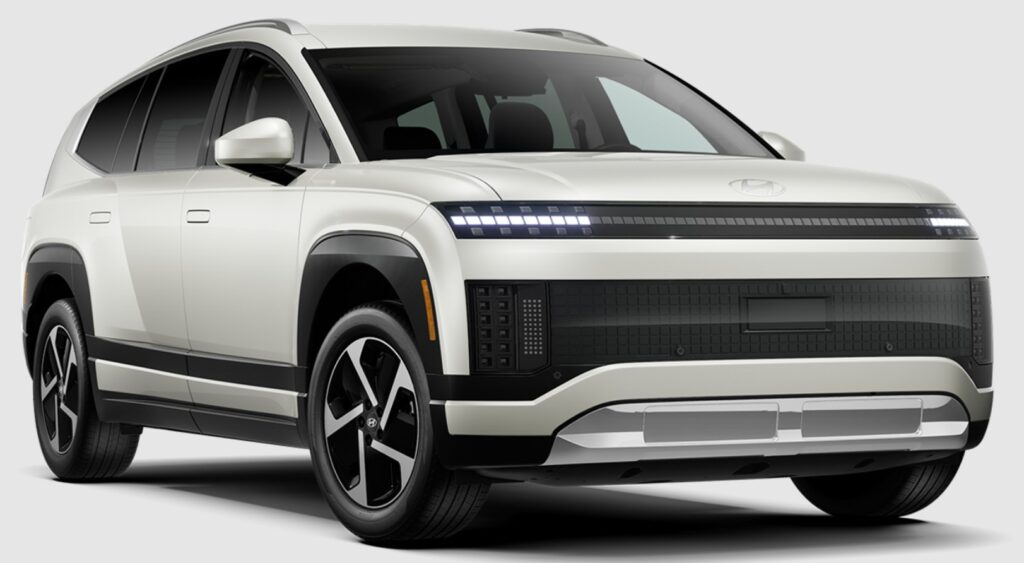
The electric SUV world is evolving faster than a thunderstorm rolling over the desert, and the upcoming Hyundai Ioniq 9 is already stirring serious excitement. Bigger than the Hyundai Ioniq 5, more family-focused than the Hyundai Ioniq 6, and designed to compete with heavyweights like the Kia EV9, the Ioniq 9 promises a blend of luxury, practicality, and efficiency that could reshape expectations for large electric SUVs.
But one question keeps floating around forums, YouTube comments, and EV communities like a paper airplane caught in the wind:
What kind of miles per kWh will the Hyundai Ioniq 9 achieve?
That number matters more than many people realize. It tells us how efficiently the vehicle uses electricity, how expensive it will be to run, and whether long road trips will feel smooth or stressful.
In this guide, we’ll break down the expected Hyundai Ioniq 9 miles per kWh figures, compare them to rivals, explain what affects efficiency, and uncover what real-world drivers can realistically expect.
Content in this publication
- Understanding Miles Per kWh in Simple Terms
- Why Hyundai Ioniq 9 Efficiency Matters So Much
- Expected Hyundai Ioniq 9 Miles Per kWh
- How the Ioniq 9 Could Achieve Strong Efficiency
- Comparing Hyundai Ioniq 9 Miles Per kWh to Rivals
- Real-World Driving vs EPA Estimates
- Highway Driving and Efficiency Loss
- City Driving Could Be Surprisingly Efficient
- How Battery Size Affects Miles Per kWh
- Expected Hyundai Ioniq 9 Range Based on Efficiency
- Winter Weather and Miles Per kWh
- Can Drivers Improve Hyundai Ioniq 9 Efficiency?
- Wheel Size Could Dramatically Affect Efficiency
- Charging Costs Based on Miles Per kWh
- Road Trips in the Hyundai Ioniq 9
- How Hyundai Has Improved EV Efficiency Over Time
- Will the Ioniq 9 Be More Efficient Than the Kia EV9?
- The Importance of Aerodynamics in Large EV SUVs
- What Owners Will Probably Love Most
- Should You Care About Miles Per kWh?
- Is the Hyundai Ioniq 9 Likely to Be Efficient?
- Final Thoughts
- FAQs
Understanding Miles Per kWh in Simple Terms
Before diving into the Ioniq 9 specifically, we should clear up what “miles per kWh” actually means.
Think of it as the EV equivalent of miles per gallon in gasoline cars.
- Higher miles per kWh = better efficiency
- Lower miles per kWh = more electricity consumed
If an EV gets:
- 4 miles per kWh, it travels 4 miles using 1 kWh of electricity
- 3 miles per kWh, it needs more energy to cover the same distance
For a large three-row SUV, efficiency becomes especially important because bigger vehicles naturally consume more energy.
Why Hyundai Ioniq 9 Efficiency Matters So Much
The Ioniq 9 is expected to be a large, premium electric SUV with:
- Three rows of seating
- Substantial battery capacity
- AWD options
- Advanced technology
- Family-focused practicality
That combination can either become:
- A range monster
- Or an electricity-hungry heavyweight
Efficiency will determine which direction the vehicle leans toward.
For many buyers, miles per kWh affects:
- Charging costs
- Road trip convenience
- Daily usability
- Winter performance
- Long-term ownership expenses
In other words, efficiency quietly shapes the entire ownership experience.
Expected Hyundai Ioniq 9 Miles Per kWh
While official EPA efficiency figures may vary depending on trim levels and wheel sizes, industry expectations currently place the Hyundai Ioniq 9 somewhere between:
3.0 to 3.5 miles/kWh
That range would position it competitively among large electric SUVs.
Estimated Efficiency by Configuration
| Configuration | Estimated Miles per kWh |
|---|---|
| RWD Standard Wheels | 3.5 mi/kWh |
| AWD Long Range | 3.2 mi/kWh |
| Performance AWD | 3.0 mi/kWh |
| Large Wheels + Highway Driving | 2.7–2.9 mi/kWh |
Those numbers may not sound groundbreaking beside smaller EVs, but for a full-size SUV, they’re impressive.
How the Ioniq 9 Could Achieve Strong Efficiency
Large SUVs usually battle physics like a boxer fighting uphill. Weight, size, and aerodynamics all work against efficiency.
Yet Hyundai has several tricks up its sleeve.
Advanced E-GMP Platform
The Ioniq 9 will likely use Hyundai’s E-GMP architecture, shared with:
- Ioniq 5
- Ioniq 6
- Kia EV9
This platform already has a reputation for strong efficiency and rapid charging.
800-Volt Charging System
Hyundai’s 800V system doesn’t directly improve miles per kWh dramatically, but it:
- Reduces charging losses
- Improves thermal management
- Optimizes energy flow
That means better real-world energy usage over time.
Aerodynamic Design
Even though the Ioniq 9 is large, Hyundai appears focused on slippery aerodynamics.
Expect:
- Flush door handles
- Airflow optimization
- Smoothed body panels
- Active grille shutters
Aerodynamics matter enormously in EVs. Once speeds climb above 60 mph, wind resistance becomes the primary energy enemy.
Comparing Hyundai Ioniq 9 Miles Per kWh to Rivals
The EV SUV segment is becoming crowded like a concert entrance five minutes before showtime.
So how might the Ioniq 9 compare?
Kia EV9
Kia EV9 typically delivers:
- Around 2.7–3.1 mi/kWh
The Ioniq 9 could slightly outperform it thanks to improved aerodynamics.
Tesla Model X
Tesla Model X generally achieves:
- Roughly 3.0–3.4 mi/kWh
Tesla still dominates efficiency, but Hyundai is narrowing the gap quickly.
Rivian R1S
Rivian R1S averages:
- Around 2.2–2.5 mi/kWh
The Rivian prioritizes ruggedness over efficiency.
Mercedes EQS SUV
Mercedes-Benz EQS SUV achieves:
- Approximately 3.0–3.4 mi/kWh
This is likely the closest premium benchmark for the Ioniq 9.
Real-World Driving vs EPA Estimates
Here’s the truth many dealerships avoid mentioning:
Real-world efficiency rarely matches laboratory testing perfectly.
Your actual Hyundai Ioniq 9 miles per kWh may fluctuate based on:
- Speed
- Weather
- Elevation
- Cargo weight
- Tire choice
- Driving habits
The difference can feel surprisingly dramatic.
Highway Driving and Efficiency Loss
Highway driving is where large EVs consume energy like thirsty marathon runners.
At 75 mph:
- Wind resistance rises exponentially
- Heavy SUVs require more energy
- Efficiency drops noticeably
An Ioniq 9 rated at 3.4 mi/kWh in mixed driving may deliver:
- 2.7–2.9 mi/kWh on fast highways
That’s completely normal.
City Driving Could Be Surprisingly Efficient
Ironically, big EVs often shine in urban conditions.
Why?
Because regenerative braking recaptures energy every time you slow down.
In city traffic, the Ioniq 9 could potentially exceed:
- 3.5 mi/kWh
- Or even approach 4.0 mi/kWh in ideal conditions
That’s impressive for such a large SUV.
How Battery Size Affects Miles Per kWh
Many people confuse:
- Battery size
with - Efficiency
They are not the same thing.
A larger battery increases total range but doesn’t automatically improve efficiency.
For example:
Range=Battery Capacity×Miles per kWh
A 100 kWh battery with 3.2 mi/kWh delivers:
- Roughly 320 miles of range
Efficiency still matters enormously.
Expected Hyundai Ioniq 9 Range Based on Efficiency
Assuming the Ioniq 9 uses a battery around 100–110 kWh usable capacity:
| Efficiency | Estimated Range |
|---|---|
| 3.5 mi/kWh | 350–385 miles |
| 3.2 mi/kWh | 320–350 miles |
| 3.0 mi/kWh | 300–330 miles |
| 2.7 mi/kWh | 270–300 miles |
That puts the Ioniq 9 firmly in long-distance territory.
Winter Weather and Miles Per kWh
Cold weather hits EV efficiency like an invisible hammer.
In freezing temperatures:
- Batteries become less efficient
- Cabin heating uses extra power
- Tire resistance increases
The result?
A possible 15–30% efficiency reduction.
Winter Example
An Ioniq 9 averaging:
- 3.3 mi/kWh in summer
Could drop to:
- 2.4–2.8 mi/kWh during winter
That’s normal for nearly every EV.
Can Drivers Improve Hyundai Ioniq 9 Efficiency?
Absolutely.
Small habits can make a surprisingly large difference.
Best Practices for Better Miles per kWh
Drive Smoothly
Rapid acceleration drains energy quickly.
Reduce Highway Speeds
Driving 70 mph instead of 80 mph can dramatically improve efficiency.
Use Eco Mode
Eco settings soften throttle response and optimize power delivery.
Precondition the Cabin While Plugged In
This saves battery energy during winter.
Maintain Tire Pressure
Low tire pressure quietly destroys efficiency.
Wheel Size Could Dramatically Affect Efficiency
This is one of the most overlooked EV topics.
Large wheels look fantastic, but they often reduce efficiency.
Why Smaller Wheels Help
- Less rotational mass
- Better aerodynamics
- Lower rolling resistance
The difference between 20-inch and 22-inch wheels may reduce efficiency by:
- 5–10%
That’s substantial over thousands of miles.
Charging Costs Based on Miles Per kWh
Efficiency directly impacts operating costs.
Example Electricity Cost Calculation
If electricity costs:
- $0.15 per kWh
And the Ioniq 9 achieves:
- 3.2 mi/kWh
Then:
3.20.15=0.046875
That equals roughly:
- 4.7 cents per mile
Compared to gasoline SUVs, that’s remarkably inexpensive.
Road Trips in the Hyundai Ioniq 9
Road trips are where efficiency and charging speed become dance partners.
The Ioniq 9’s expected strengths include:
- Fast DC charging
- Long range
- Strong highway comfort
- Spacious cabin
Even if efficiency drops slightly at highway speeds, Hyundai’s charging system may compensate beautifully.
How Hyundai Has Improved EV Efficiency Over Time
Hyundai’s EV journey has evolved rapidly.
The company learned valuable lessons from:
- Hyundai Kona Electric
- Ioniq Electric
- Ioniq 5
- Ioniq 6
Especially the Ioniq 6.
The Hyundai Ioniq 6 became one of the most efficient EVs available, proving Hyundai understands aerodynamic optimization exceptionally well.
That knowledge should flow directly into the Ioniq 9.
Will the Ioniq 9 Be More Efficient Than the Kia EV9?
Possibly.
The two vehicles will likely share:
- Platform
- Battery technology
- Charging architecture
But Hyundai may tune the Ioniq 9 differently for:
- Aerodynamics
- Comfort
- Efficiency priorities
Even a small improvement matters in the EV world.
An extra:
- 0.2 mi/kWh
Can translate into:
- Meaningful range gains
The Importance of Aerodynamics in Large EV SUVs
Aerodynamics can feel invisible, yet they shape EV performance constantly.
Picture trying to run while holding a giant sheet of plywood against the wind. That’s essentially what poor aerodynamics do to electric SUVs.
Hyundai appears determined to avoid that trap.
Likely Aerodynamic Features
- Tapered rear design
- Streamlined roofline
- Optimized underbody airflow
- Active shutters
- Wheel airflow management
These details quietly improve miles per kWh every second the vehicle moves.
What Owners Will Probably Love Most
Beyond raw numbers, efficiency creates emotional comfort.
When an EV is efficient:
- Drivers stress less
- Charging feels easier
- Range anxiety fades
- Road trips become more enjoyable
The Ioniq 9 may not become the most efficient EV ever built, but it could strike one of the best balances between:
- Size
- Luxury
- Space
- Efficiency
- Long-distance usability
That balance matters enormously for families.
Should You Care About Miles Per kWh?
Absolutely.
Many buyers obsess over:
- Horsepower
- Screens
- Acceleration
But efficiency often matters more in daily life.
A highly efficient EV:
- Costs less to run
- Charges less often
- Performs better in winter
- Handles road trips more gracefully
Miles per kWh quietly shapes ownership satisfaction like a soundtrack shapes a movie scene.
You may not always notice it directly, but it influences the entire experience.
Is the Hyundai Ioniq 9 Likely to Be Efficient?
All signs suggest yes.
Based on Hyundai’s recent EV success, the Ioniq 9 could become one of the most efficient three-row electric SUVs available.
Expected real-world efficiency:
- Around 3.0–3.5 mi/kWh
That would place it among the leaders in its class.
For a vehicle this large, those numbers are impressive enough to turn skeptics into believers.
Final Thoughts
The upcoming Hyundai Ioniq 9 appears ready to blend family practicality, modern luxury, and respectable efficiency into one compelling package.
Its expected miles per kWh figures may not shatter records, but context matters. Achieving over 3 mi/kWh in a large three-row SUV is like teaching an elephant to dance gracefully—it’s genuinely impressive.
As EV technology matures, buyers are beginning to understand something important:
Efficiency is freedom.
It means fewer charging stops, lower energy bills, and greater confidence behind the wheel. If Hyundai delivers on expectations, the Ioniq 9 could become one of the smartest electric SUV choices for families who want space without sacrificing efficiency.
And honestly, that combination feels increasingly rare in today’s oversized automotive world.
FAQs
What is the expected Hyundai Ioniq 9 miles per kWh?
The Hyundai Ioniq 9 is expected to achieve roughly 3.0–3.5 miles per kWh depending on trim level, wheel size, and driving conditions.
Is the Hyundai Ioniq 9 more efficient than the Kia EV9?
It may be slightly more efficient due to improved aerodynamics and Hyundai’s tuning approach, although both vehicles share similar EV architecture.
How does weather affect Hyundai Ioniq 9 efficiency?
Cold temperatures can reduce efficiency by 15–30% because batteries and cabin heating require additional energy.
What affects miles per kWh the most?
Key factors include:
- Highway speed
- Wheel size
- Weather
- Driving style
- Cargo weight
- Tire pressure
Is 3 miles per kWh good for a large electric SUV?
Yes. For a large three-row electric SUV, 3 mi/kWh is considered strong efficiency and competitive within the segment.
If you want to know other articles similar to Hyundai Ioniq 9 Miles Per kWh: Real Efficiency, Range, and What Drivers Should Expect you can visit the category Driving.
Kia Sorento Fuel Economy: MPG, Hybrid, and Plug-In Hybrid Explained

BYD Shark 6 Fuel Consumption: Real-World Economy, Range and What to Expect
Vauxhall Agila MPG: Real-World Fuel Economy and Engine Guide

Honda Passport MPG: Real-World Fuel Economy, Ratings, and What to Expect
Nissan Rogue Fuel Economy: MPG, Range, Costs, and Real-World Efficiency
BYD Shark 6 Long Range Fuel Tank: Is the 120L Upgrade Worth It?
Leave a Reply
More content of your interest