
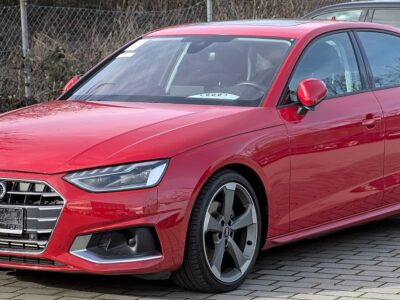
Hyundai Ioniq 9 Range Miles: Everything We Need to Know About Real-World EV Distance

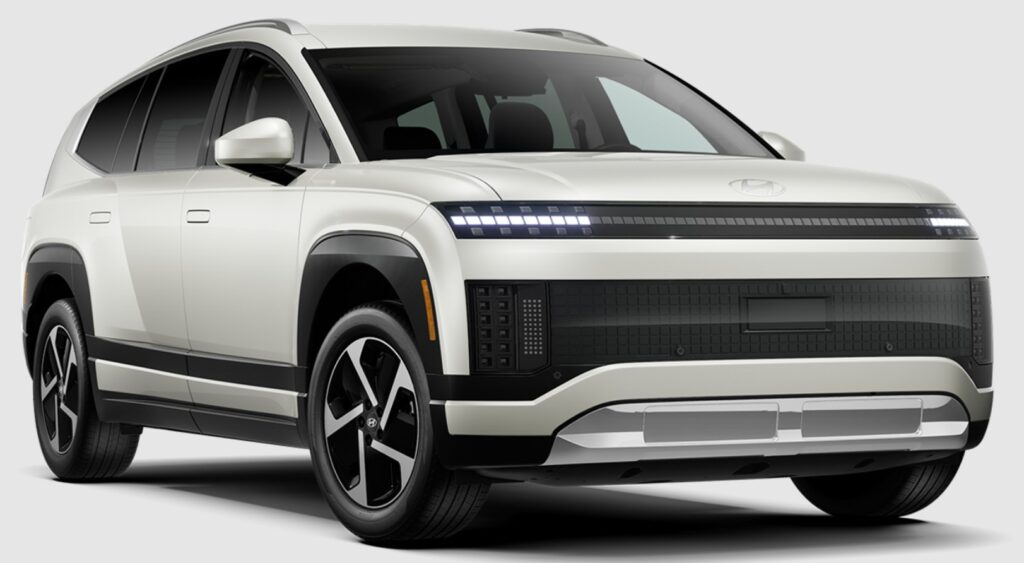
The electric SUV world is evolving faster than a thunderstorm rolling across an open desert, and the upcoming Hyundai Ioniq 9 is already creating serious buzz. One question sits at the center of nearly every conversation: how many miles of range will the Hyundai Ioniq 9 actually deliver?
That question matters more than ever. Range anxiety still lingers in the minds of many drivers like a shadow at dusk. We want confidence. We want practicality. We want an electric SUV capable of handling school runs, road trips, commutes, and spontaneous weekend escapes without forcing us to constantly search for a charger.
The Hyundai Ioniq 9 appears ready to answer that call.
With its large three-row SUV design, advanced EV platform, aerodynamic engineering, and next-generation battery technology, this vehicle is expected to become one of the most competitive long-range electric SUVs in its segment.
But numbers alone never tell the whole story.
A claimed range figure on paper can feel very different once we hit highways, climb hills, load luggage, or drive through winter storms. That is why we need to explore not only estimated range miles, but also the real-world factors shaping daily EV performance.
Let’s dive deep into the Hyundai Ioniq 9 range miles story and uncover what drivers can realistically expect.
Content in this publication
- What Is the Hyundai Ioniq 9?
- Expected Hyundai Ioniq 9 Range Miles
- Battery Size and Its Impact on Range
- Aerodynamics: The Secret Ingredient Behind EV Efficiency
- Real-World Hyundai Ioniq 9 Range Miles
- How Highway Speeds Affect Range
- Cold Weather and EV Range Loss
- Charging Speed Matters Almost as Much as Range
- How the Hyundai Ioniq 9 Compares to Competitors
- Rear-Wheel Drive vs All-Wheel Drive Range
- Can the Hyundai Ioniq 9 Handle Long Road Trips?
- Towing and Its Effect on Range
- Regenerative Braking and Efficiency Gains
- Will the Hyundai Ioniq 9 Be Efficient for a Large SUV?
- Family Practicality and Range Confidence
- Charging at Home vs Public Charging
- Could the Hyundai Ioniq 9 Reach 400 Miles?
- The Psychology Behind EV Range
- Software Optimization and Smart Energy Management
- Why the Hyundai Ioniq 9 Could Become a Major EV Success
- Should We Trust Official Range Estimates?
- The Future of Long-Range Electric SUVs
- Closing Thoughts on Hyundai Ioniq 9 Range Miles
- FAQs
What Is the Hyundai Ioniq 9?
The Hyundai Ioniq 9 is expected to become Hyundai’s flagship electric SUV. Think of it as the bigger sibling to the Hyundai Ioniq 5 and the more family-focused companion to the Hyundai Ioniq 6.
Built on Hyundai’s E-GMP electric platform, the Ioniq 9 will likely feature:
- Three rows of seating
- Large battery capacity
- Ultra-fast charging
- Long-distance driving capability
- Premium interior technology
- Advanced driver assistance systems
In many ways, Hyundai is aiming directly at competitors like the Kia EV9, Tesla Model X, and Volvo EX90.
And range will be one of the biggest battlegrounds.
Expected Hyundai Ioniq 9 Range Miles
While official EPA figures may still vary depending on trim and battery configuration, industry expectations suggest the Hyundai Ioniq 9 could offer between:
- 300 to 350 miles of range
- Potentially more in certain rear-wheel-drive trims
- Slightly less in performance-oriented AWD models
That places the Ioniq 9 among the strongest long-range family EVs in the market.
Why 300+ Miles Matters
Crossing the 300-mile threshold changes the EV ownership experience dramatically.
Instead of constantly planning around charging stops, we begin to drive naturally again. Long-range EVs create freedom. They reduce mental friction. They make electric ownership feel normal rather than experimental.
For families especially, this matters enormously.
A large SUV with only 220 miles of range can feel limiting once passengers, luggage, air conditioning, and highway speeds enter the equation. But a vehicle starting around 330 miles offers a comfortable buffer.
That extra margin feels like carrying an extra water bottle during a marathon. You may not always need it, but knowing it is there changes your confidence.
Battery Size and Its Impact on Range
Range starts with battery capacity.
The Hyundai Ioniq 9 is expected to use a large battery pack likely exceeding 100 kWh, similar to or larger than the battery found in the Kia EV9.
Why Bigger Batteries Help
A larger battery stores more energy, which translates into:
- Longer driving distance
- Better road-trip capability
- Less frequent charging
- Improved towing flexibility
However, battery size alone does not guarantee excellent range.
Efficiency matters just as much.
Aerodynamics: The Secret Ingredient Behind EV Efficiency
Large SUVs usually struggle with efficiency because they push massive amounts of air.
Hyundai appears determined to change that.
The Ioniq 9 is expected to feature:
- Smooth body lines
- Flush door handles
- Optimized airflow channels
- Low drag wheel designs
- Streamlined roof shaping
These details may sound small, but aerodynamics can dramatically affect EV range.
At highway speeds, air resistance becomes the invisible enemy. It is like trying to run through waist-deep water. The harder the vehicle pushes against air, the more battery energy disappears.
That is why sleek design matters so much.
Real-World Hyundai Ioniq 9 Range Miles
Official estimates are useful, but real-world range is where the truth lives.
Most EV owners quickly discover that actual mileage changes depending on conditions.
Typical Real-World Expectations
If the Ioniq 9 receives an EPA estimate around 330 miles, realistic daily driving may look like this:
| Driving Scenario | Estimated Real-World Range |
|---|---|
| City driving | 320–350 miles |
| Mixed driving | 290–330 miles |
| Highway driving | 260–310 miles |
| Cold weather | 220–280 miles |
| Heavy cargo/towing | 200–260 miles |
This variability is completely normal for electric vehicles.
How Highway Speeds Affect Range
Highway driving drains EV batteries faster than many people expect.
Why?
Because aerodynamic drag increases exponentially with speed.
Driving at 80 mph instead of 65 mph can noticeably reduce range. It is similar to sprinting versus jogging. The energy demand skyrockets.
Best Highway Efficiency Practices
To maximize Hyundai Ioniq 9 range miles:
- Use adaptive cruise control
- Avoid aggressive acceleration
- Maintain moderate speeds
- Keep tires properly inflated
- Use regenerative braking effectively
Small habits create meaningful gains over long journeys.
Cold Weather and EV Range Loss
Winter remains one of the biggest challenges for EV range.
Cold temperatures affect:
- Battery chemistry
- Cabin heating demands
- Tire resistance
- Charging efficiency
How Much Range Could We Lose?
In freezing conditions, EV range can drop between 10% and 30%.
That means a 330-mile estimate could realistically fall closer to 240–280 miles during harsh winter driving.
You may be interested in reading Hyundai Ioniq 9 Miles Per kWh: Real Efficiency, Range, and What Drivers Should Expect
Still, Hyundai has made significant improvements in thermal battery management, which should help reduce cold-weather losses.
Charging Speed Matters Almost as Much as Range
Range is only half the equation.
Charging speed changes how usable an EV feels during long trips.
The Hyundai Ioniq 9 is expected to use Hyundai’s advanced 800-volt architecture, similar to the Hyundai Ioniq 5.
What That Means in Practice
Potential charging performance may include:
- 10% to 80% charging in under 30 minutes
- High-speed DC fast charging capability
- Improved battery cooling
- Better charging consistency
Fast charging transforms road trips from stressful interruptions into manageable coffee breaks.
How the Hyundai Ioniq 9 Compares to Competitors
The electric SUV battlefield is becoming crowded.
Let’s see how the Hyundai Ioniq 9 range miles could compare.
| Vehicle | Estimated Range |
|---|---|
| Hyundai Ioniq 9 | 300–350 miles |
| Kia EV9 | 270–304 miles |
| Tesla Model X | Up to 348 miles |
| Volvo EX90 | Around 300 miles |
| Rivian R1S | 270–400 miles |
Hyundai appears positioned very competitively.
Rear-Wheel Drive vs All-Wheel Drive Range
Not every trim will offer identical mileage.
Rear-Wheel Drive Models
RWD variants usually provide:
- Better efficiency
- Longer range
- Lower weight
- Simpler drivetrain
All-Wheel Drive Models
AWD trims typically deliver:
- Better traction
- Faster acceleration
- Improved bad-weather confidence
- Slightly lower range
This trade-off is common across the EV industry.
Can the Hyundai Ioniq 9 Handle Long Road Trips?
Absolutely—assuming the charging network supports the route.
A 300+ mile electric SUV dramatically changes long-distance practicality.
Road Trip Advantages
The Ioniq 9 may excel because of:
- Spacious seating
- Long driving range
- Fast charging
- Quiet cabin comfort
- Advanced navigation systems
Driving an EV on a road trip feels surprisingly relaxing. The cabin remains whisper-quiet, acceleration feels effortless, and charging breaks naturally encourage rest stops.
It transforms travel pacing in subtle but meaningful ways.
Towing and Its Effect on Range
Towing remains one of the toughest tests for any EV.
If the Hyundai Ioniq 9 offers strong towing capability—as expected—range will decrease significantly while hauling.
Possible Towing Range Reality
Depending on trailer weight, range could drop by:
- 30%
- 40%
- Sometimes even 50%
That sounds dramatic, but it is common among electric trucks and SUVs.
Pulling a trailer through the air is like dragging a parachute behind the vehicle.
Regenerative Braking and Efficiency Gains
One of the smartest EV technologies is regenerative braking.
Instead of wasting energy during deceleration, the vehicle recovers some of it and feeds it back into the battery.
Benefits of Regenerative Braking
- Improves city efficiency
- Reduces brake wear
- Extends usable range
- Enhances one-pedal driving
Urban drivers may actually exceed EPA range estimates thanks to regeneration.
That is one reason EVs often perform better in city traffic than on highways.
Will the Hyundai Ioniq 9 Be Efficient for a Large SUV?
That is perhaps the most interesting question.
Large SUVs are naturally heavier and less aerodynamic than smaller EVs.
Yet Hyundai has shown impressive efficiency engineering in recent years.
The Hyundai Ioniq 6 became one of the most efficient EVs on the market, proving Hyundai understands how to squeeze impressive mileage from battery power.
The Ioniq 9 likely will not match the efficiency of a smaller sedan, but it could become one of the most efficient three-row electric SUVs available.
Family Practicality and Range Confidence
For many buyers, the Ioniq 9 will not simply be a vehicle.
It will become:
- A family shuttle
- A vacation machine
- A grocery hauler
- A commuting companion
- A weekend adventure SUV
Range confidence matters enormously in those roles.
Nobody wants to calculate battery percentages while driving children to soccer practice or planning a holiday trip.
A high-range SUV removes stress and restores spontaneity.
Charging at Home vs Public Charging
Most EV owners eventually discover that home charging changes everything.
Home Charging Benefits
- Start each day with a full battery
- Lower charging costs
- Greater convenience
- Reduced public charging dependence
For daily commuting, many drivers may only charge the Hyundai Ioniq 9 once or twice weekly.
That convenience feels surprisingly luxurious.
Could the Hyundai Ioniq 9 Reach 400 Miles?
Some enthusiasts hope Hyundai may introduce a future ultra-long-range version.
Could it happen?
Possibly.
You may be interested in readingHyundai Ioniq 9 Miles Per kWh: Real Efficiency, Range, and What Drivers Should ExpectYou may be interested in reading
 Jeep Grand Cherokee Fuel Consumption
Battery technology continues evolving rapidly.
Future improvements may include:
- Higher energy density
- Lighter battery packs
- Better software optimization
- More efficient motors
But for now, a realistic expectation remains around the low-to-mid 300-mile range zone.
And honestly, that may already be enough for most families.
The Psychology Behind EV Range
Range discussions are not only about numbers.
They are emotional.
Gasoline vehicles trained us to think differently because fuel stations exist everywhere. EV charging still requires more planning in certain regions.
That is why people obsess over range figures.
Ironically, most daily driving habits rarely exceed 40–50 miles per day.
Yet knowing the Ioniq 9 can potentially travel over 300 miles creates peace of mind.
That psychological comfort matters just as much as engineering.
Software Optimization and Smart Energy Management
Modern EVs are computers on wheels.
Software can significantly affect efficiency.
The Hyundai Ioniq 9 is expected to include intelligent systems that optimize:
- Battery temperature
- Route planning
- Charging schedules
- Regenerative braking
- Power distribution
These hidden digital systems quietly shape real-world mileage every day.
It is like having an invisible co-pilot constantly maximizing efficiency behind the scenes.
Why the Hyundai Ioniq 9 Could Become a Major EV Success
The formula looks strong.
Hyundai appears ready to combine:
- Long range
- Spacious design
- Fast charging
- Premium technology
- Competitive pricing
- Family practicality
That combination is powerful.
The EV market no longer revolves solely around futuristic novelty. Buyers now want complete vehicles capable of replacing traditional SUVs without compromise.
The Ioniq 9 seems designed precisely for that mission.
Should We Trust Official Range Estimates?
EPA numbers provide useful benchmarks, but we should always treat them as guidelines rather than guarantees.
Real-world mileage depends on:
- Speed
- Weather
- Elevation
- Tire pressure
- Passenger load
- Driving habits
- Climate control usage
The best approach is realistic flexibility.
If the Hyundai Ioniq 9 achieves over 300 miles under ideal conditions, most owners will likely experience somewhere between 260 and 320 miles in typical use.
And that is still highly competitive.
The Future of Long-Range Electric SUVs
The Hyundai Ioniq 9 represents something bigger than a single vehicle launch.
It symbolizes the next phase of EV evolution.
Electric vehicles are no longer niche experiments. They are becoming mainstream family transportation.
Range improvements continue accelerating year after year.
Soon, conversations may shift away from “Can this EV go far enough?” toward entirely different priorities like charging convenience, software quality, and ownership experience.
The Ioniq 9 could become part of that transition.
Closing Thoughts on Hyundai Ioniq 9 Range Miles
The Hyundai Ioniq 9 is shaping up to be one of the most exciting electric SUVs entering the market. With expected range estimates hovering around 300 to 350 miles, Hyundai appears ready to deliver a compelling mix of practicality, efficiency, and long-distance capability.
What makes the Ioniq 9 especially intriguing is not just the mileage figure itself, but how Hyundai seems to be balancing multiple priorities at once. Spacious family design, aerodynamic engineering, ultra-fast charging, intelligent software systems, and modern EV architecture all work together like instruments in an orchestra.
The result could be an electric SUV that feels genuinely usable in everyday life.
Of course, real-world range will always vary. Weather, speed, cargo, terrain, and driving style influence every EV. Yet even accounting for those variables, the Hyundai Ioniq 9 could easily become one of the strongest long-range family EV options available.
For drivers ready to embrace electric mobility without sacrificing comfort or practicality, this SUV may hit the sweet spot.
And perhaps that is the most important takeaway of all.
The future of family transportation no longer feels distant.
It is arriving quietly, efficiently, and with hundreds of miles of battery-powered confidence.
FAQs
What is the expected Hyundai Ioniq 9 range in miles?
The Hyundai Ioniq 9 is expected to offer approximately 300 to 350 miles of range depending on the trim level and drivetrain configuration.
Will the Hyundai Ioniq 9 have fast charging capability?
Yes, the Ioniq 9 is expected to support ultra-fast charging through Hyundai’s advanced 800-volt EV platform.
Does cold weather reduce Hyundai Ioniq 9 range?
Yes, cold temperatures can reduce EV range by roughly 10% to 30% depending on conditions and heating usage.
You may be interested in readingHyundai Ioniq 9 Miles Per kWh: Real Efficiency, Range, and What Drivers Should ExpectYou may be interested in reading
Jeep Grand Cherokee Fuel ConsumptionYou may be interested in reading
 Toyota 4Runner Hybrid MPG: What Fuel Economy Can We Really Expect?
Which Hyundai Ioniq 9 version may offer the best range?
Rear-wheel-drive versions typically provide the highest efficiency and longest driving range compared to all-wheel-drive trims.
Can the Hyundai Ioniq 9 be good for road trips?
Absolutely. With expected 300+ mile range, spacious seating, and fast charging support, the Ioniq 9 should perform very well as a long-distance family SUV.
If you want to know other articles similar to Hyundai Ioniq 9 Range Miles: Everything We Need to Know About Real-World EV Distance you can visit the category Driving.
Audi A4 MPG: Fuel Economy, Real-World Mileage, and Efficiency Guide
Hyundai Palisade Fuel Consumption: MPG, Real-World Economy, Hybrid Figures, and Running Costs

BMW M5 Gas Mileage: MPG, Fuel Economy, and Real-World Costs

Volkswagen Amarok MPG: Fuel Economy, Real-World Figures and What to Expect
Ram 1500 Fuel Economy: MPG, Engines, Real-World Efficiency, and Tips
Mazda 6 Fuel Consumption: Real-World MPG, Efficiency, and Running Costs
Leave a Reply
More content of your interest