

Hyundai Ioniq 9 Issues: Common Problems, Reliability Concerns, and Owner Complaints

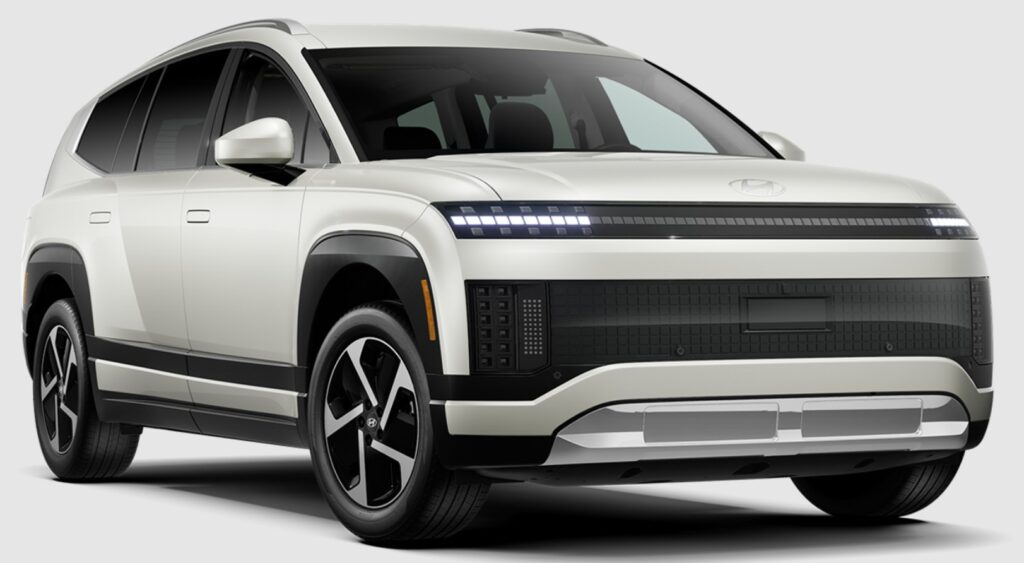
The arrival of the Hyundai Ioniq 9 signals Hyundai’s bold move into the premium three-row electric SUV segment. It promises futuristic technology, impressive range, family practicality, and ultra-fast charging capabilities. On paper, it sounds like the perfect electric family SUV.
But every new EV arrives with questions.
Potential buyers are already asking about Hyundai Ioniq 9 issues, possible reliability concerns, charging problems, software glitches, battery worries, and long-term ownership costs. That curiosity is completely understandable. Modern electric SUVs are packed with technology, and sometimes technology behaves like a genius that forgot where it left its keys.
The truth is simple: no vehicle is flawless, especially during the early production years. Some issues are minor annoyances. Others can significantly affect ownership satisfaction. In this article, we will explore the most likely Hyundai Ioniq 9 problems, what owners should realistically expect, and whether these concerns should stop buyers from considering this highly anticipated electric SUV.
Content in this publication
- Why Hyundai Ioniq 9 Issues Matter So Much
- Potential Charging Problems in the Hyundai Ioniq 9
- 12V Battery Problems Could Become a Major Headache
- Software Glitches Could Affect Daily Ownership
- Cold Weather Range Loss Could Surprise New Owners
- Battery Degradation Concerns
- Heavy Weight Could Create Tire and Suspension Issues
- Brake System Complaints Could Appear
- Advanced Driver Assistance System Problems
- Potential Build Quality Issues
- Repair Costs Could Be Higher Than Expected
- Public Charging Infrastructure Remains a Frustration
- How Reliable Will the Hyundai Ioniq 9 Actually Be?
- Should Buyers Wait Before Purchasing the Hyundai Ioniq 9?
- How Owners Can Reduce Hyundai Ioniq 9 Problems
- Is the Hyundai Ioniq 9 Worth Buying Despite Potential Issues?
- Final Thoughts on Hyundai Ioniq 9 Issues
- FAQs About Hyundai Ioniq 9 Issues
Why Hyundai Ioniq 9 Issues Matter So Much
Large electric SUVs now represent the future of family transportation. Buyers expect:
- Long driving range
- Fast charging
- Advanced safety systems
- Spacious interiors
- Smooth software integration
- Strong reliability
The problem is that achieving all those goals simultaneously is incredibly difficult.
The Hyundai Ioniq 9 combines massive battery technology, complex software systems, advanced sensors, and luxury-focused electronics. Every additional feature introduces another opportunity for glitches or failures.
That does not mean the vehicle will be unreliable. It simply means modern EV ownership can sometimes feel like carrying a smartphone, laptop, gaming console, and power station inside one machine.
Potential Charging Problems in the Hyundai Ioniq 9
Charging concerns remain one of the most common EV complaints worldwide.
Even excellent electric vehicles occasionally struggle with charging compatibility, charging speed consistency, or software communication errors.
Fast Charging Interruptions
One possible Hyundai Ioniq 9 issue could involve DC fast charging instability.
Drivers may experience:
- Charging sessions stopping unexpectedly
- Slow charging speeds
- Charger handshake failures
- Overheating protection limits
- Public charger incompatibility
The Ioniq 9 is expected to use Hyundai’s advanced 800V architecture, which should allow extremely fast charging under ideal conditions. However, public charging infrastructure remains inconsistent in many regions.
Sometimes the problem is not the SUV itself. Sometimes the charger behaves like a stubborn vending machine refusing to accept a perfectly good dollar bill.
Home Charging Frustrations
Home charging is usually easier, but issues can still appear.
Possible complaints include:
- Charging schedule failures
- Wi-Fi charger connection problems
- Breaker trips
- Charging port communication errors
- Incomplete overnight charging
Imagine planning a long road trip only to discover your SUV stopped charging at 42% overnight. That single moment can create serious frustration.
12V Battery Problems Could Become a Major Headache
Ironically, many EV failures have nothing to do with the massive high-voltage battery pack.
Instead, the small 12V battery causes the problem.
Why the 12V Battery Is Important
The 12V battery powers:
- Vehicle startup systems
- Door locks
- Screens
- Lighting
- Safety modules
- Electronic controls
If the 12V battery dies, the entire vehicle may appear completely dead.
Common Symptoms of 12V Battery Failure
- Blank infotainment screen
- Vehicle not starting
- Random warning messages
- Charging failures
- Key recognition issues
- Electronic malfunctions
This issue has affected numerous EVs across the industry, including some Hyundai and Kia electric vehicles.
Modern EVs depend heavily on electronics, and that tiny battery quietly supports the entire ecosystem like the drummer keeping rhythm in a rock band.
Software Glitches Could Affect Daily Ownership
Modern electric vehicles are essentially rolling computers.
The Hyundai Ioniq 9 will likely receive over-the-air updates, advanced infotainment systems, digital driver displays, and sophisticated driving assistance features.
That convenience also creates risk.
Infotainment System Issues
Potential Hyundai Ioniq 9 software complaints may include:
- Frozen touchscreens
- Slow system response
- Bluetooth connection failures
- Apple CarPlay disconnects
- Android Auto glitches
- Navigation lag
- Voice command errors
These problems are not catastrophic, but repetitive software bugs can slowly wear down owner satisfaction.
Nothing feels futuristic about rebooting your SUV like an old office computer.
OTA Update Problems
Over-the-air updates help manufacturers fix bugs quickly, but they can also create temporary issues.
Possible OTA update concerns include:
- Failed software installations
- Temporary feature loss
- Battery drain during updates
- Sensor recalibration problems
- Connectivity interruptions
The automotive industry still treats software updates like a balancing act on a tightrope. One small mistake can create unexpected chaos.
Cold Weather Range Loss Could Surprise New Owners
Every electric vehicle experiences reduced efficiency in cold weather.
The Hyundai Ioniq 9 will likely face similar challenges.
Why EV Range Drops in Winter
Cold temperatures affect:
- Battery chemistry
- Charging efficiency
- Cabin heating energy use
- Regenerative braking performance
Common Winter EV Complaints
- Lower driving range
- Slower charging speeds
- Frozen charging ports
- Reduced regenerative braking
- Increased battery consumption
An EV advertised with 330 miles of range may deliver significantly less during freezing highway driving conditions.
For first-time EV owners, that reality can feel shocking.
Battery Degradation Concerns
Battery longevity remains one of the biggest psychological concerns for EV buyers.
Will the Hyundai Ioniq 9 Battery Degrade Quickly?
Probably not dramatically.
Modern Hyundai EV battery systems are generally well-engineered, and most degradation occurs gradually over many years.
Still, several habits can accelerate battery wear:
- Frequent DC fast charging
- Constant 100% charging
- Extreme heat exposure
- Long-term storage at full charge
- Aggressive driving
Most owners will never experience catastrophic battery failure, but even minor range loss can trigger anxiety.
People monitor EV battery percentages the same way athletes obsess over heart rate monitors.
Heavy Weight Could Create Tire and Suspension Issues
Large electric SUVs are extremely heavy because battery packs add substantial mass.
The Hyundai Ioniq 9 will likely weigh considerably more than traditional gasoline SUVs.
That extra weight affects multiple components.
Potential Tire Problems
Heavy EV torque can cause:
- Faster tire wear
- Uneven tread patterns
- Expensive replacement cycles
- Reduced tire lifespan
Some EV owners are shocked by how quickly tires disappear under instant electric torque.
Suspension Wear Concerns
Possible long-term issues include:
- Shock absorber wear
- Suspension bushing fatigue
- Increased alignment sensitivity
- Additional stress on suspension components
Electric SUVs deliver smooth acceleration, but physics still collects its payment eventually.
Brake System Complaints Could Appear
EVs rely heavily on regenerative braking systems.
That changes traditional braking behavior.
Possible Hyundai Ioniq 9 Brake Issues
Drivers may notice:
- Unusual brake pedal feel
- Brake rust from infrequent use
- Regenerative braking inconsistency
- Sudden transition between regen and friction brakes
For some drivers, regenerative braking feels intuitive immediately. Others need time to adapt.
Learning EV braking can feel like switching from regular shoes to roller skates.
Advanced Driver Assistance System Problems
The Hyundai Ioniq 9 is expected to include advanced safety and driver assistance technologies.
Those systems improve safety, but they can occasionally behave unpredictably.
Potential Driver Assistance Complaints
- False collision warnings
- Lane-keeping overcorrection
- Parking sensor glitches
- Radar obstruction messages
- Adaptive cruise inconsistencies
Rain, snow, dirt, or harsh sunlight can interfere with cameras and radar systems.
Sometimes your SUV becomes overly cautious, like a nervous driving instructor gripping an invisible brake pedal.
Potential Build Quality Issues
Hyundai quality has improved enormously over the past decade, but new vehicle launches can still experience minor production inconsistencies.
Possible Early Build Quality Complaints
Owners may report:
- Interior rattles
- Misaligned trim pieces
- Panel gap inconsistencies
- Cabin vibration noises
- Loose interior components
Most of these issues are cosmetic rather than mechanical, but they still affect premium ownership expectations.
Repair Costs Could Be Higher Than Expected
Many buyers underestimate EV repair complexity.
Why Electric SUVs Cost More to Repair
Repairs may become expensive due to:
- Specialized technician requirements
- Battery safety procedures
- Sensor recalibration costs
- Limited replacement part availability
- Advanced electronics
Even small collisions can become expensive if cameras, radar sensors, or battery-related systems are damaged.
Modern EVs sometimes hide luxury-car repair bills beneath mainstream badges.
Public Charging Infrastructure Remains a Frustration
Not every Hyundai Ioniq 9 issue will originate from the vehicle itself.
Sometimes public charging networks create the biggest headaches.
Common Public Charging Problems
Drivers frequently complain about:
- Broken chargers
- Long charging station lines
- Slow charging speeds
- App failures
- Payment processing errors
The vehicle can perform perfectly while the charging infrastructure feels completely disorganized.
How Reliable Will the Hyundai Ioniq 9 Actually Be?
Despite these concerns, Hyundai has gained significant EV experience.
The company already developed successful electric vehicles like:
- Hyundai Ioniq 5
- Hyundai Ioniq 6
- Kia EV9 through Hyundai Motor Group engineering
That experience matters.
Areas Where Hyundai EVs Usually Perform Well
Hyundai often receives praise for:
- Efficient battery management
- Strong charging technology
- Competitive warranties
- Comfortable ride quality
- Excellent value for money
The Hyundai Ioniq 9 may ultimately prove more refined than many people expect.
Should Buyers Wait Before Purchasing the Hyundai Ioniq 9?
This depends on your tolerance for early-adopter risks.
Reasons to Buy Early
- Latest technology
- Premium design
- Advanced charging speeds
- Spacious family practicality
- Strong feature list
Reasons to Wait
- Possible first-year software bugs
- Unknown long-term reliability
- Potential recalls
- Limited real-world ownership data
Buying a first-generation EV can feel exciting, but it also requires patience.
How Owners Can Reduce Hyundai Ioniq 9 Problems
Smart ownership habits can minimize many EV frustrations.
Best Practices for Hyundai Ioniq 9 Owners
- Use Level 2 charging regularly
- Avoid constant fast charging
- Keep software updated
- Monitor tire wear frequently
- Avoid frequent 100% charging
- Precondition the battery before fast charging
Small habits often create major long-term benefits.
Is the Hyundai Ioniq 9 Worth Buying Despite Potential Issues?
For many buyers, absolutely.
The Hyundai Ioniq 9 could become one of the most compelling family electric SUVs available thanks to its combination of:
- Advanced technology
- Spacious interior
- Fast charging capability
- Modern styling
- Competitive pricing
- Strong efficiency expectations
No vehicle is perfect.
Not gasoline SUVs.
Not hybrids.
Not electric vehicles.
The key is understanding the trade-offs before purchasing.
Final Thoughts on Hyundai Ioniq 9 Issues
The Hyundai Ioniq 9 represents Hyundai’s ambitious vision for the future of electric family transportation. It promises innovation, comfort, efficiency, and modern technology wrapped inside a bold SUV design.
Still, buyers should approach any new EV with realistic expectations.
Potential Hyundai Ioniq 9 issues may include charging inconsistencies, software bugs, battery concerns, tire wear, electronic glitches, and occasional driver assistance frustrations. Those challenges are increasingly common across the entire EV industry.
Fortunately, Hyundai’s recent electric vehicles have shown significant improvements in engineering quality, battery efficiency, and charging performance.
The Hyundai Ioniq 9 may not be flawless, but it could become one of the strongest electric SUV options for families seeking modern technology without entering ultra-luxury price territory.
Like every new chapter in automotive history, there will be lessons, updates, improvements, and growing pains along the way.
FAQs About Hyundai Ioniq 9 Issues
Does the Hyundai Ioniq 9 have charging problems?
Some charging inconsistencies may occur, especially with public fast chargers, but Hyundai’s 800V architecture should support excellent charging performance overall.
Will cold weather reduce Hyundai Ioniq 9 range?
Yes. Like all EVs, cold temperatures can reduce battery efficiency and driving range.
Are Hyundai electric vehicles reliable?
Recent Hyundai EVs have generally demonstrated strong reliability improvements compared to earlier electric vehicle generations.
Could the Hyundai Ioniq 9 have software glitches?
Yes. Modern EVs rely heavily on software systems, so occasional infotainment or update-related bugs are possible.
Is the Hyundai Ioniq 9 worth buying?
For buyers seeking a spacious, high-tech electric SUV with strong charging capabilities and modern design, the Ioniq 9 could be an excellent option despite potential early ownership concerns.
If you want to know other articles similar to Hyundai Ioniq 9 Issues: Common Problems, Reliability Concerns, and Owner Complaints you can visit the category Common Problems.
Nissan Rogue AC Not Working? Causes, Diagnosis, and Fixes

Kia Sorento Issues: Common Problems, Reliability and What to Watch For

Honda Passport Not Starting: Causes, Symptoms, and How to Fix It
Honda Passport Keyless Remote Battery Low: What It Means and How to Fix It
Nissan Rogue Apple CarPlay Not Working: Causes and Fixes
Nissan Rogue No Key Detected: Causes, Fixes, and What to Do
Leave a Reply
More content of your interest