
Hyundai Ioniq Charge Time: Everything We Need to Know About Fast and Efficient EV Charging

Electric vehicles have changed the rhythm of driving. Instead of quick fuel stops smelling faintly of gasoline and coffee, we now think in percentages, kilowatts, charging curves, and battery preconditioning. Yet one question still hovers above every EV conversation like a storm cloud waiting to break:
“How long does it take to charge?”
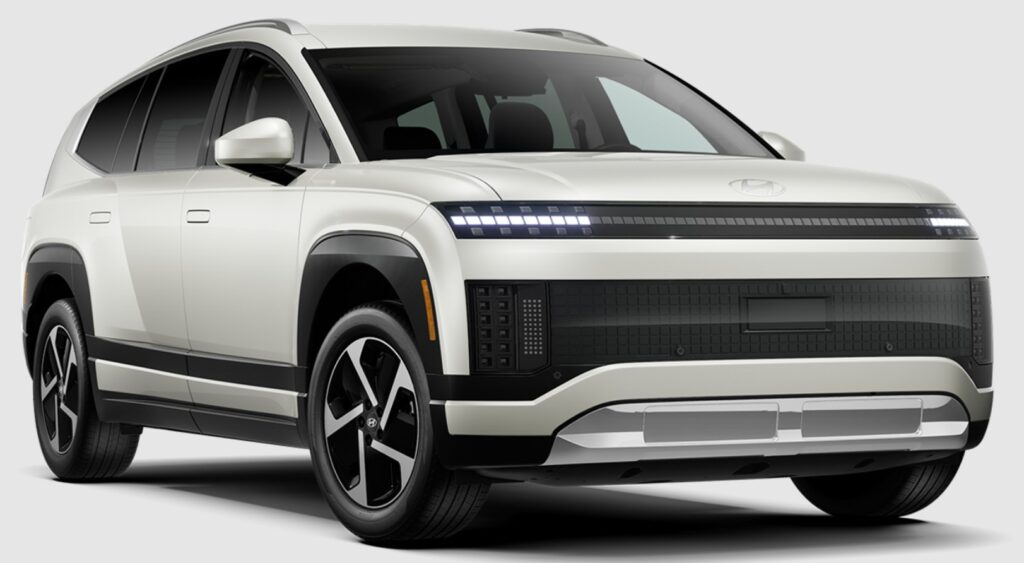
When it comes to the Hyundai Ioniq lineup, the answer is surprisingly impressive. Whether we are talking about the Hyundai Ioniq 5, Hyundai Ioniq 6, or the larger Hyundai Ioniq 9, Hyundai has built some of the fastest-charging EVs on the road today.
And honestly? That changes everything.
A long charging session can make an EV feel like a chore. A fast one makes it feel futuristic. The Hyundai Ioniq range leans heavily into that futuristic experience, delivering charging speeds that rival some luxury EV brands costing far more.
In this guide, we will explore Hyundai Ioniq charge time in depth, including:
- Home charging times
- Fast charging performance
- Charging costs
- Charging levels explained
- Real-world charging conditions
- Battery size impacts
- Winter charging behavior
- Charging infrastructure compatibility
- Tips to reduce charging time
Let’s plug in and unpack the details.
Content in this publication
- Why Hyundai Ioniq Charge Time Matters So Much
- Understanding Hyundai Ioniq Charging Levels
- Hyundai Ioniq 5 Charge Time Explained
- Hyundai Ioniq 6 Charge Time Performance
- Hyundai Ioniq 9 Charge Time Expectations
- What Makes Hyundai Ioniq Charging So Fast?
- Real-World Hyundai Ioniq Charge Time
- Why Charging From 10% to 80% Is Faster
- Best Home Chargers for Hyundai Ioniq Models
- How Long Does Hyundai Ioniq Charging Cost?
- Winter Weather and Hyundai Ioniq Charge Time
- Hyundai Ioniq Charging Network Compatibility
- How Battery Size Affects Hyundai Ioniq Charge Time
- Can We Charge a Hyundai Ioniq Every Day?
- How to Reduce Hyundai Ioniq Charge Time
- Hyundai Ioniq Charging vs Competitors
- Road Trips and Hyundai Ioniq Charge Time
- Common Hyundai Ioniq Charging Problems
- Future Hyundai Charging Technology
- Is Hyundai Ioniq Charge Time Good Enough for Daily Life?
- The Verdict on Hyundai Ioniq Charge Time
- FAQs
Why Hyundai Ioniq Charge Time Matters So Much
Range gets the headlines, but charging speed quietly shapes the ownership experience more than almost anything else.
Think about it this way:
A vehicle with 400 miles of range but painfully slow charging can feel less practical than one with 300 miles and lightning-fast top-ups.
The Hyundai Ioniq family understands this balance beautifully.
Hyundai designed these EVs around an advanced 800-volt electrical architecture, which allows dramatically faster charging than many traditional 400-volt EV systems. It is like comparing a garden hose to a fire hydrant.
That means less waiting.
Less planning.
Less staring at a charging app while wondering whether you have enough time to grab lunch.
Understanding Hyundai Ioniq Charging Levels
Before diving into exact Hyundai Ioniq charge times, we need to understand the three major charging categories.
Level 1 Charging
Level 1 uses a standard household outlet.
This is the slowest charging method and typically adds only:
- 3 to 5 miles of range per hour
For most people, this feels like filling a swimming pool with a teaspoon.
Still, it works well for:
- Emergency charging
- Overnight top-ups
- Very low daily mileage drivers
Level 2 Charging
Level 2 charging uses a 240V charger.
This is the sweet spot for home EV ownership.
Most Hyundai Ioniq models gain:
- 20 to 35 miles of range per hour
This means overnight charging becomes practical and convenient.
Level 3 DC Fast Charging
DC fast charging is where the Ioniq lineup truly shines.
These high-powered chargers can recharge the battery from 10% to 80% in around 18 to 25 minutes depending on the model and conditions.
That is coffee-break fast.
Hyundai Ioniq 5 Charge Time Explained
The Hyundai Ioniq 5 is one of the quickest-charging EVs in its class.
Level 1 Charge Time
Using a standard 120V outlet:
- Full charge may take 50+ hours
Yes, that is extremely slow.
Most owners avoid relying on Level 1 charging daily.
Level 2 Charge Time
Using a 240V home charger:
- Approximately 6 to 8 hours
Perfect for overnight charging.
We plug in after dinner and wake up with a full battery. Simple.
DC Fast Charging Time
At a 350 kW charger:
- 10% to 80% in about 18 minutes
That is astonishingly fast for an SUV.
At a 150 kW charger:
- Roughly 25 to 30 minutes
Still excellent.
Hyundai Ioniq 6 Charge Time Performance
The Hyundai Ioniq 6 pushes efficiency even further.
Because it is more aerodynamic than the Ioniq 5, charging efficiency often feels even better during road trips.
Typical Charging Times
Level 1
- Around 55 hours
Level 2
- About 6 to 7 hours
DC Fast Charging
- 10% to 80% in approximately 18 minutes
That consistency across the lineup makes Hyundai’s EV ecosystem easy to understand.
Hyundai Ioniq 9 Charge Time Expectations
The Hyundai Ioniq 9 is larger and heavier, so charging times naturally shift slightly.
Larger batteries are like bigger water tanks. Even with a powerful pump, they take longer to fill.
Estimated Charging Times
Level 1
- More than 60 hours
Level 2
- Around 8 to 10 hours
DC Fast Charging
- Roughly 20 to 25 minutes for 10% to 80%
Even with its size, the Ioniq 9 remains highly competitive.
What Makes Hyundai Ioniq Charging So Fast?
The magic ingredient is the 800V platform.
Most EVs use a 400V architecture. Hyundai doubled that.
Benefits of 800V Charging
Lower Heat Generation
Heat is the enemy of fast charging.
The 800V system reduces excess heat during charging sessions.
Higher Charging Speeds
More voltage means faster energy transfer.
Better Efficiency
Energy delivery becomes smoother and more effective.
This technology puts Hyundai in elite company alongside premium EV manufacturers.
Real-World Hyundai Ioniq Charge Time
Lab conditions rarely match reality.
In the real world, several factors influence charging speed.
Battery Temperature
Cold batteries charge slowly.
Very slowly.
This is why battery preconditioning matters so much.
Charger Output
A 350 kW charger sounds amazing, but not every station delivers maximum output consistently.
Shared chargers can reduce speeds dramatically.
State of Charge
Charging slows after 80%.
Think of pouring water into a nearly full glass. You naturally slow down to avoid overflow.
EVs behave similarly.
Why Charging From 10% to 80% Is Faster
Many people ask why manufacturers quote 10% to 80% times instead of 0% to 100%.
The answer lies in charging curves.
The Charging Curve Effect
Fast charging happens mostly between:
- 10%
- 20%
- 30%
- 40%
- 50%
After 80%, charging speed tapers significantly.
That means:
- 10% to 80% may take 18 minutes
- 80% to 100% may take another 20 minutes
For road trips, stopping at 80% often saves time overall.
Best Home Chargers for Hyundai Ioniq Models
Home charging changes EV ownership completely.
It feels less like fueling and more like charging a phone overnight.
Recommended Charger Features
40A or Higher Output
Faster overnight charging.
Smart App Integration
Useful for:
- Scheduling
- Electricity tracking
- Off-peak charging
Weather Resistance
Especially important for outdoor installations.
Popular Home Charger Brands
- ChargePoint
- Wallbox
- Emporia
- Grizzl-E
- JuiceBox
Many Hyundai owners prefer Level 2 chargers rated between 40A and 48A.
How Long Does Hyundai Ioniq Charging Cost?
Charge time and charging cost often go hand in hand.
Home Charging Costs
Charging at home is usually cheapest.
Average full charge cost:
- Around $8 to $20 depending on electricity rates
DC Fast Charging Costs
Public fast charging costs more.
Typical rates:
- $0.30 to $0.60 per kWh
That means a fast charging session could cost:
- $15 to $35
Still cheaper than many gasoline fill-ups.
Winter Weather and Hyundai Ioniq Charge Time
Cold weather affects all EVs.
The Hyundai Ioniq lineup is no exception.
Why Cold Weather Slows Charging
Lithium-ion batteries become sluggish in low temperatures.
Imagine trying to pour honey from the fridge. That thick resistance mirrors how cold batteries behave.
Battery Preconditioning Helps
Modern Ioniq models include battery preconditioning systems.
This warms the battery before reaching a fast charger.
Benefits include:
- Faster charging
- Better efficiency
- Reduced waiting time
Without preconditioning, winter charging can feel painfully slow.
Hyundai Ioniq Charging Network Compatibility
Charging availability matters almost as much as charging speed.
Fortunately, Hyundai supports broad charging compatibility.
CCS Charging Support
Most Ioniq models use CCS fast charging connectors.
This grants access to major networks including:
- Electrify America
- EVgo
- ChargePoint
- Ionity
Tesla Supercharger Compatibility
Compatibility is improving rapidly.
Some regions now allow Hyundai EV access to select Tesla Superchargers using adapters or updated charging agreements.
This significantly expands charging availability.
How Battery Size Affects Hyundai Ioniq Charge Time
Battery size directly impacts charging duration.
Smaller Battery Packs
Advantages:
- Faster full charges
- Lower charging costs
- Lighter vehicle weight
Larger Battery Packs
Advantages:
- Longer range
- Better road trip capability
Trade-off:
- Longer overall charging time
The Ioniq lineup balances this surprisingly well thanks to rapid charging technology.
Can We Charge a Hyundai Ioniq Every Day?
Absolutely.
Modern EV batteries are designed for regular charging.
However, best practices matter.
Recommended Daily Charging Habits
Keep Battery Between 20% and 80%
This reduces long-term battery stress.
Avoid Frequent 100% Charging
Reserve full charging for long trips.
Use Scheduled Charging
Charging overnight during cheaper electricity hours saves money.
How to Reduce Hyundai Ioniq Charge Time
Nobody enjoys waiting longer than necessary.
Thankfully, several strategies help reduce charging time.
Use Battery Preconditioning
Warm batteries charge faster.
Arrive With Lower Battery Percentage
Fast charging peaks at lower state-of-charge levels.
Choose 350 kW Chargers
The Ioniq lineup can actually utilize ultra-fast charging effectively.
Avoid Extreme Temperatures
Both heat and cold can reduce charging performance.
Update Vehicle Software
Manufacturers frequently improve charging optimization through updates.
Hyundai Ioniq Charging vs Competitors
The Ioniq lineup competes exceptionally well.
Compared to Tesla
Tesla still dominates charging infrastructure.
However, Hyundai often matches or exceeds Tesla charging speeds.
Compared to Ford Mustang Mach-E
The Ioniq charges faster.
Compared to Volkswagen ID.4
Hyundai’s 800V system offers a major advantage.
Compared to Kia EV6
Charging performance is extremely similar because both share the E-GMP platform.
Road Trips and Hyundai Ioniq Charge Time
Fast charging transforms road trips from stressful to enjoyable.
Instead of hour-long charging stops, we often spend:
- 15 minutes stretching
- 10 minutes grabbing coffee
- 5 minutes checking navigation
And suddenly the vehicle is ready again.
That rhythm feels natural.
The Ioniq lineup excels here because charging sessions fit human breaks instead of interrupting them.
Common Hyundai Ioniq Charging Problems
Even advanced EVs can experience occasional charging issues.
Slow Charging Speeds
Possible causes include:
- Cold battery
- Overcrowded charging station
- Software limitations
- Charger malfunction
Charging Session Interruptions
Potential reasons:
- Poor cable connection
- Network communication failure
- Battery overheating
Home Charger Compatibility Issues
Some lower-quality chargers struggle with advanced EV systems.
Investing in a reputable charger usually prevents headaches.
Future Hyundai Charging Technology
Charging technology is evolving rapidly.
What feels fast today may feel ordinary tomorrow.
What We May See Soon
10-Minute Charging Sessions
Several manufacturers are approaching this milestone.
Wireless Charging
Imagine parking and charging automatically.
Smarter Charging Networks
AI-driven routing could optimize charging stops automatically.
Hyundai appears determined to stay near the front of this innovation race.
Is Hyundai Ioniq Charge Time Good Enough for Daily Life?
For most people, yes.
More than enough.
The key shift is mental.
Gasoline drivers think about fueling as a separate chore. EV owners gradually stop thinking about charging at all.
We plug in at home.
Wake up full.
Drive normally.
Repeat.
The rare fast-charging stop during road trips becomes less of an inconvenience and more of a brief intermission.
And because Hyundai’s charging speeds are among the best in the EV industry, those intermissions remain pleasantly short.
The Verdict on Hyundai Ioniq Charge Time
The Hyundai Ioniq lineup proves that EV charging no longer needs to feel painfully slow.
Thanks to advanced 800V architecture, impressive fast-charging capability, and practical home charging convenience, Hyundai has created electric vehicles that genuinely fit modern life.
The charging experience feels less like waiting and more like pausing.
That distinction matters.
Whether we choose the futuristic Hyundai Ioniq 5, sleek Hyundai Ioniq 6, or spacious Hyundai Ioniq 9, we gain access to some of the fastest charging technology currently available in mainstream EVs.
And as charging networks continue expanding, the entire experience will only improve.
The future of mobility is not crawling toward us anymore.
It is arriving fast.
FAQs
How long does it take to charge a Hyundai Ioniq at home?
Using a Level 2 home charger, most Hyundai Ioniq models fully charge in approximately 6 to 10 hours depending on battery size and charger output.
How fast can the Hyundai Ioniq charge at a DC fast charger?
Many Ioniq models can charge from 10% to 80% in around 18 to 25 minutes using a compatible 350 kW DC fast charger.
Can Hyundai Ioniq use Tesla Superchargers?
In some regions, Hyundai EVs can access select Tesla Superchargers using approved adapters or compatibility agreements.
Does cold weather affect Hyundai Ioniq charge time?
Yes. Cold temperatures slow battery charging speeds. Battery preconditioning systems help reduce this effect significantly.
Is Level 1 charging practical for Hyundai Ioniq models?
Level 1 charging works for emergencies or low-mileage driving, but it is very slow. Most owners prefer Level 2 charging for daily use.
If you want to know other articles similar to Hyundai Ioniq Charge Time: Everything We Need to Know About Fast and Efficient EV Charging you can visit the category Service and Parts.
Vauxhall Mokka Tyre Pressure Reset: Complete Guide
How to Reset the Tire Pressure System on Your Hyundai Tucson
Hyundai Kona Tire Pressure: Complete PSI Guide
Vauxhall Corsa Timing Belt Replacement Cost UK 2026
Mazda CX-5 Tire Size Chart: 2013–2026 Guide
How to Reset a Honda Civic: Complete Step-by-Step Guide
Leave a Reply
More content of your interest