

BMW X3 Engine Size: Complete Guide to Engines, Specs, and Performance

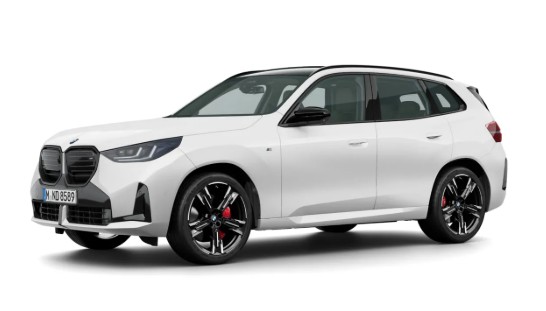
When we talk about the BMW X3, we’re not just discussing a compact luxury SUV—we’re diving into a machine that blends performance, practicality, and precision engineering. And at the heart of it all? The engine.
So, what exactly is the BMW X3 engine size, and why does it matter so much? Let’s break it down together—casually, clearly, and with just enough depth to give you that “aha” moment.
Content in this publication
- Understanding BMW X3 Engine Size
- BMW X3 Engine Sizes by Generation
- BMW X3 Engine Size Breakdown by Model
- Why Engine Size Matters in the BMW X3
- 2.0L vs 3.0L BMW X3 Engine: Which Should You Choose?
- Turbocharging: The Game-Changer
- Diesel vs Petrol Engine Sizes in the X3
- BMW X3 Plug-in Hybrid Engine Size Explained
- Performance Variants: BMW X3 M40i and M Models
- Real-World Driving: Does Engine Size Feel Different?
- Towing Capacity and Engine Size
- Reliability: Does Engine Size Affect It?
- Maintenance Costs by Engine Size
- Future of BMW X3 Engine Sizes
- Quick Comparison Table
- How to Identify Your BMW X3 Engine Size
- Is Bigger Always Better?
- Final Thoughts: Choosing the Right BMW X3 Engine Size
- FAQs About BMW X3 Engine Size
Understanding BMW X3 Engine Size
What Does Engine Size Actually Mean?
Engine size—often measured in litres (L) or cubic centimetres (cc)—refers to the total volume of all the cylinders in the engine.
Think of it like this:
- Bigger engine = more air + fuel = more power
- Smaller engine = better efficiency (usually)
In the BMW X3, engine sizes range from 2.0L to 3.0L, depending on the model and trim.
BMW X3 Engine Sizes by Generation
First Generation (E83: 2003–2010)
The early X3 models were all about simplicity and reliability.
Petrol Engines
- 2.0L inline-4
- 2.5L inline-6
- 3.0L inline-6
Diesel Engines
- 2.0L diesel (efficient workhorse)
- 3.0L diesel (torque monster)
👉 Back then, BMW leaned heavily on naturally aspirated engines, which felt smooth but less punchy than today’s turbocharged units.
Second Generation (F25: 2010–2017)
This is where things got interesting—turbocharging became standard.
Petrol Options
- 2.0L turbocharged inline-4 (xDrive20i, xDrive28i)
- 3.0L turbocharged inline-6 (xDrive35i)
Diesel Options
- 2.0L turbo diesel (xDrive20d)
- 3.0L turbo diesel (xDrive30d, xDrive35d)
💡 Here’s the shift: smaller engines started delivering big power thanks to turbochargers.
Third Generation (G01: 2017–Present)
Modern X3 models are refined, efficient, and surprisingly powerful.
Petrol Engines
- 2.0L turbo (xDrive20i, xDrive30i)
- 3.0L turbo inline-6 (M40i)
Diesel Engines
- 2.0L turbo diesel (xDrive20d)
- 3.0L turbo diesel (xDrive30d, M40d)
Plug-in Hybrid
- 2.0L petrol + electric motor (xDrive30e)
BMW X3 Engine Size Breakdown by Model
Let’s simplify things with a quick overview:
Common Engine Sizes
- 2.0L (1998cc)
- Most popular
- Balanced performance and economy
- Found in 20i, 20d, 30i, 30e
- 3.0L (2998cc)
- High performance
- Smooth inline-6 power
- Found in M40i, 30d, M40d
Why Engine Size Matters in the BMW X3
1. Performance and Acceleration
A 3.0L engine will always feel more effortless than a 2.0L. It’s like comparing a sprinter to a marathon runner.
- 2.0L → 0–60 mph in ~6.0–8.0 seconds
- 3.0L → 0–60 mph in ~4.5–5.0 seconds
2. Fuel Economy
Smaller engines win here:
- 2.0L diesel → up to 50–60 mpg (UK)
- 3.0L petrol → around 25–35 mpg
3. Insurance and Running Costs
- Smaller engines = lower insurance groups
- Larger engines = higher maintenance costs
2.0L vs 3.0L BMW X3 Engine: Which Should You Choose?
2.0L Engine (The All-Rounder)
Perfect if you want:
- Daily comfort
- Good fuel economy
- Lower costs
Best for: commuters, families, city drivers
3.0L Engine (The Performer)
Ideal if you crave:
- Strong acceleration
- Smooth power delivery
- Premium driving feel
Best for: enthusiasts, motorway drivers
Turbocharging: The Game-Changer
How Turbocharged Engines Work
Modern BMW X3 engines use turbochargers to:
- Force more air into the engine
- Increase power without increasing size
👉 A 2.0L turbo can feel like an old 3.0L engine—but with better efficiency.
Diesel vs Petrol Engine Sizes in the X3
Diesel Engines
- Typically 2.0L or 3.0L
- High torque (great for towing)
- Better fuel economy
Petrol Engines
- Smoother and quieter
- Better for short trips
- Higher revving
BMW X3 Plug-in Hybrid Engine Size Explained
xDrive30e: Best of Both Worlds
- 2.0L petrol engine
- Electric motor assistance
Combined output? Around 292 hp
👉 It’s like having two engines working together—one for efficiency, one for power.
Performance Variants: BMW X3 M40i and M Models
M40i Engine Size
- 3.0L turbo inline-6
- ~382 hp (latest models)
X3 M Competition
- 3.0L twin-turbo inline-6
- Over 500 hp
🔥 This is where engine size meets serious engineering.
Real-World Driving: Does Engine Size Feel Different?
Absolutely.
2.0L Feel
- Light, efficient
- Slight lag under heavy load
3.0L Feel
- Instant power
- Effortless overtaking
It’s like the difference between jogging and sprinting—both get you there, but one feels… exhilarating.
Towing Capacity and Engine Size
If towing matters, engine size plays a big role:
- 2.0L engines → up to ~2,000 kg
- 3.0L engines → up to ~2,400 kg
Reliability: Does Engine Size Affect It?
Not directly—but:
- 2.0L engines = simpler, cheaper to maintain
- 3.0L engines = more complex, higher repair costs
That said, BMW’s modern engines are generally reliable if maintained properly.
Maintenance Costs by Engine Size
2.0L Engine
- Lower oil capacity
- Cheaper parts
- Lower servicing costs
3.0L Engine
- More oil, more components
- Higher labour costs
Future of BMW X3 Engine Sizes
Electrification is Coming
BMW is gradually shifting towards:
- Smaller engines
- Hybrid systems
- Fully electric models
👉 Expect future X3s to rely less on engine size and more on electric power.
Quick Comparison Table
| Engine Size | Power Range | MPG (UK) | Best For |
|---|---|---|---|
| 2.0L | 150–250 hp | 40–60 | Daily driving |
| 3.0L | 300–500 hp | 25–35 | Performance |
| Hybrid | ~292 hp | 100+ (combined) | Efficiency |
How to Identify Your BMW X3 Engine Size
You can check:
- Vehicle registration document
- Engine bay label
- VIN decoder tools
- BMW iDrive system
Is Bigger Always Better?
Not really.
A 3.0L engine feels amazing—but do you need it?
Ask yourself:
- Do you value speed or savings?
- Do you drive long distances or short city trips?
Sometimes, the smartest choice isn’t the biggest engine—it’s the most suitable one.
Final Thoughts: Choosing the Right BMW X3 Engine Size
If we had to sum it up in one sentence:
👉 The 2.0L engine is smart, while the 3.0L engine is thrilling.
Both are excellent—it just depends on your priorities.
- Want efficiency and lower costs? Go 2.0L
- Want performance and excitement? Go 3.0L
Either way, the BMW X3 delivers a driving experience that feels refined, confident, and unmistakably premium.
FAQs About BMW X3 Engine Size
1. What is the most common BMW X3 engine size?
The most common engine size is 2.0L, as it offers the best balance of performance and efficiency.
2. Does the BMW X3 come with a V6 engine?
No, BMW uses inline-6 engines, not V6. These are smoother and more balanced.
3. Is the 2.0L BMW X3 engine powerful enough?
Yes, especially with turbocharging. It’s more than enough for daily driving and motorway use.
4. Which BMW X3 engine is the most powerful?
The X3 M Competition with a 3.0L twin-turbo engine producing over 500 hp.
5. Is the hybrid BMW X3 worth it?
If you want better fuel efficiency and lower emissions, the xDrive30e hybrid is a great option.
If you want to know other articles similar to BMW X3 Engine Size: Complete Guide to Engines, Specs, and Performance you can visit the category Service and Parts.
Kia Sorento Service Reset: How to Reset the Service Light
Kia Sorento Fuel Tank Capacity: Gallons, Litres and Model Differences
Kia Sorento Tyre Pressure: Recommended PSI, Bar and Complete Guide
Kia Sorento Boot Space: How Much Luggage Space Does It Really Have?
Kia Sorento Towing Capacity: How Much Can a Sorento Tow?

Honda Passport Payload Capacity: How Much Weight Can It Carry?
Leave a Reply
More content of your interest