


Audi Q5 Tyre Size: The Complete Guide to Fitment, Performance, and Smart Choices


When it comes to the Audi Q5, tyre size isn’t just a technical detail—it’s the silent force shaping your driving experience. It influences grip, comfort, fuel economy, and even how confident you feel taking a corner at speed.
So let’s unpack this together. Not just numbers and specs—but what those numbers mean, how they affect your drive, and how to choose the perfect tyre size like someone who truly understands their car.
Content in this publication
- Understanding Audi Q5 Tyre Size Basics
- Why Tyre Size Matters More Than You Think
- Standard Audi Q5 Tyre Sizes by Generation
- Audi Q5 Tyre Size Chart (Quick Reference)
- How Wheel Size Changes Driving Feel
- Can You Change Audi Q5 Tyre Size?
- Best Tyre Sizes for Different Driving Styles
- Seasonal Tyre Considerations
- Understanding Load Index and Speed Rating
- How Tyre Size Affects Fuel Economy
- Impact on Speedometer Accuracy
- OEM vs Aftermarket Tyre Sizes
- Common Mistakes to Avoid
- How to Check Your Current Tyre Size
- Best Tyre Brands for Audi Q5
- When Should You Replace Your Tyres?
- Tips to Extend Tyre Life
- Choosing the Right Tyre Size: Final Thoughts
- Conclusion: The Perfect Fit Makes All the Difference
- FAQs
Understanding Audi Q5 Tyre Size Basics
Before we dive into specific sizes, we need to decode the language printed on your tyres. It may look like a random string of numbers—but it’s actually a story.
What Does a Tyre Size Look Like?
A typical Audi Q5 tyre might read:
235/60 R18 103W
Let’s break it down:
- 235 – Width in millimeters
- 60 – Aspect ratio (height vs width)
- R – Radial construction
- 18 – Wheel diameter in inches
- 103 – Load index
- W – Speed rating
It’s like reading a passport for your tyres.
Why Tyre Size Matters More Than You Think
We often overlook tyres until they need replacing. But tyre size directly impacts:
- Handling and cornering stability
- Ride comfort and road noise
- Fuel efficiency
- Speedometer accuracy
- Braking performance
Think of tyres as your car’s shoes. The wrong size? You’ll feel it instantly.
Standard Audi Q5 Tyre Sizes by Generation
The Audi Q5 has evolved over time, and so have its tyre specifications.
First Generation (2008–2017)
Common sizes include:
- 235/65 R17
- 235/60 R18
- 255/45 R19
These were built for comfort with a touch of sportiness.
Second Generation (2017–Present)
More refined, more performance-focused:
- 235/60 R18 (base models)
- 255/45 R20 (sport trims)
- 255/40 R21 (performance variants like S line)
Here’s where things get interesting—larger wheels, lower profiles, sharper handling.
Audi Q5 Tyre Size Chart (Quick Reference)
| Trim Level | Wheel Size | Tyre Size |
|---|---|---|
| Base | 18” | 235/60 R18 |
| Premium Plus | 19” | 235/55 R19 |
| S line | 20” | 255/45 R20 |
| Performance Trim | 21” | 255/40 R21 |
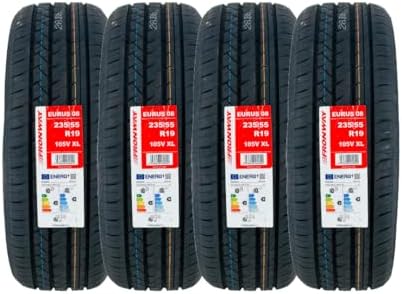

This chart is your cheat sheet—simple, clear, and practical.
How Wheel Size Changes Driving Feel
Let’s talk real-world experience.
Smaller Wheels (17”–18”)
- Softer ride
- Better fuel efficiency
- Ideal for rough roads
Feels like floating over bumps.
Mid-Range Wheels (19”–20”)
- Balanced comfort and performance
- Sharper steering response
This is the sweet spot for most drivers.
Larger Wheels (21”)
- Aggressive look
- Maximum grip and cornering
- Slightly harsher ride
You feel the road more—every detail.
Can You Change Audi Q5 Tyre Size?
Short answer: Yes—but carefully.
Safe Upgrading Rules
- Maintain overall diameter within ±3%
- Ensure wheel arch clearance
- Keep load and speed ratings appropriate
Ignoring this is like wearing shoes two sizes too big—it works… until it doesn’t.
Best Tyre Sizes for Different Driving Styles
Let’s get practical.
For Comfort and Daily Driving
- 235/60 R18
- Smooth, quiet, forgiving
Perfect for city life.
For Performance and Sporty Driving
- 255/45 R20
- Improved grip and handling
Great for spirited drives.
For Aggressive Styling
- 255/40 R21
- Looks incredible, handles sharply
But sacrifices some comfort.
Seasonal Tyre Considerations
Your tyre size doesn’t change—but the type should.
Summer Tyres
- Better dry grip
- Sharper handling
Winter Tyres
- Enhanced traction in cold conditions
- Softer rubber compounds
All-Season Tyres
- Balanced performance
- Ideal for moderate climates
Understanding Load Index and Speed Rating
These numbers matter more than people realize.
Load Index
Indicates how much weight each tyre can support.
Example:
- 103 = 875 kg per tyre
Speed Rating
Maximum safe speed:
- H = 210 km/h
- V = 240 km/h
- W = 270 km/h
Always match or exceed manufacturer specs.
How Tyre Size Affects Fuel Economy
Here’s something many overlook:
- Wider tyres = more rolling resistance
- Larger wheels = heavier rotation
Result?
- Slightly higher fuel consumption
Not huge—but noticeable over time.
Impact on Speedometer Accuracy
Change tyre size, and your speedometer may lie.
- Larger diameter = slower actual speed than displayed
- Smaller diameter = faster actual speed
Even small changes can add up.
OEM vs Aftermarket Tyre Sizes
OEM (Original Equipment Manufacturer)
- Perfect fit
- Tested for your Q5
- No surprises
Aftermarket Options
- More variety
- Potential cost savings
- Requires careful selection
Freedom comes with responsibility.
Common Mistakes to Avoid
Let’s save you from headaches.
- Choosing tyres based only on price
- Ignoring load index and speed rating
- Going too big for aesthetics
- Mixing different tyre sizes incorrectly
These mistakes cost more in the long run.
How to Check Your Current Tyre Size
Quick and easy:
- Look at the tyre sidewall
- Check the driver’s door sticker
- Refer to your owner’s manual
No guesswork needed.
Best Tyre Brands for Audi Q5
While size matters, quality matters just as much.
Top choices include:
- Michelin
- Continental
- Pirelli
- Bridgestone
These brands complement the Q5’s premium DNA.
When Should You Replace Your Tyres?
Watch for:
- Tread depth below 1.6 mm
- Cracks or bulges
- Uneven wear
Your tyres talk—you just need to listen.
Tips to Extend Tyre Life
Simple habits, big results:
- Rotate tyres every 10,000 km
- Maintain proper pressure
- Align wheels regularly
Treat them well, and they’ll return the favor.
Choosing the Right Tyre Size: Final Thoughts
If we step back, choosing the right Audi Q5 tyre size isn’t about memorizing numbers—it’s about understanding your driving needs.
Do you want comfort? Performance? Style?
The beauty of the Q5 is that it adapts. And your tyres are the bridge between machine and road.
Choose wisely—and every drive becomes better.
Conclusion: The Perfect Fit Makes All the Difference
We often think power defines a car. But in reality, it’s what connects that power to the road that matters most.
Tyres are where everything comes together—engineering, physics, and feeling.
Get the size right, and your Audi Q5 becomes more than a car. It becomes an extension of how you move through the world.
FAQs
1. What is the most common Audi Q5 tyre size?
The most common size is 235/60 R18, especially for base models.
2. Can I put bigger tyres on my Audi Q5?
Yes, but stay within ±3% of the original diameter to avoid issues.
3. Do larger tyres improve performance?
They improve grip and handling but may reduce comfort and fuel efficiency.
4. What tyre pressure should I use?
It depends on your tyre size and load—check the driver’s door sticker.
5. Are all-season tyres good for Audi Q5?
Yes, they’re a great all-round option unless you face extreme weather.
If you want to know other articles similar to Audi Q5 Tyre Size: The Complete Guide to Fitment, Performance, and Smart Choices you can visit the category Service and Parts.
Land Rover Defender 90 Tyre Pressure: Complete Guide
Land Rover Defender 90 Weight: Kerb Weight, GVW and Payload Explained
Land Rover Defender 90 Towing Capacity: Complete Guide
Land Rover Defender 90 Boot Space: Size, Dimensions and Practicality
Toyota Hilux Key Battery Replacement: Complete DIY Guide
Toyota Hilux Windscreen Replacement Cost: Prices, Factors, and Money-Saving Tips
Leave a Reply
More content of your interest