

How to Install Clutch Cable Kia Picanto: Complete DIY Guide

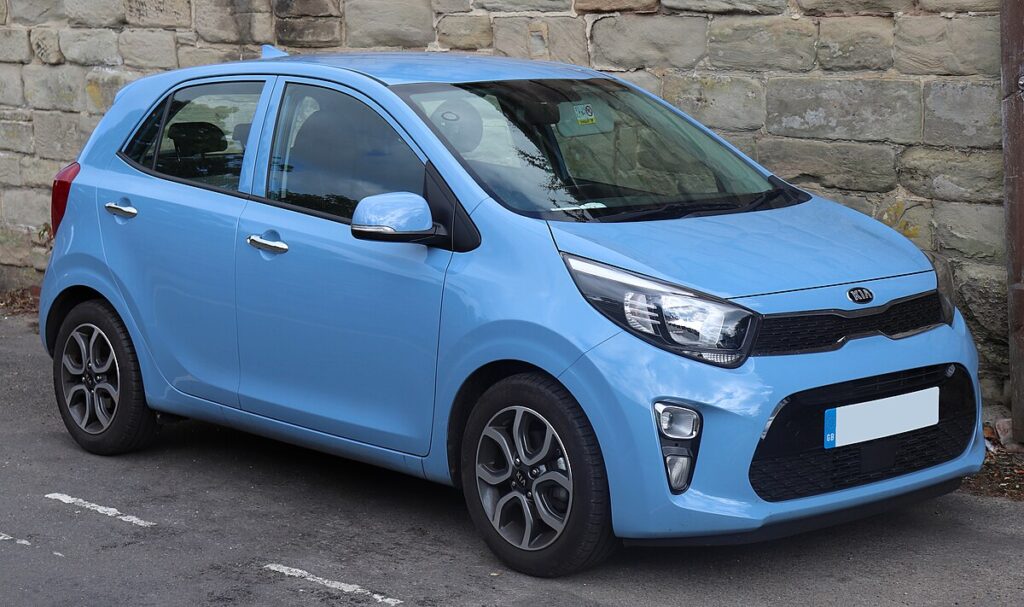
When it comes to small, reliable city cars, the Kia Picanto stands out as a practical companion. But like any machine, even this dependable hatchback can develop issues—especially with components like the clutch cable.
So what happens when your clutch pedal starts feeling loose, stiff, or unresponsive? Chances are, the clutch cable is worn or damaged—and yes, we can fix it ourselves.
Let’s roll up our sleeves and dive into a step-by-step, no-nonsense guide to installing a clutch cable in a Kia Picanto. Think of this as your mechanic friend walking you through it in your garage.
Content in this publication
- Understanding the Clutch Cable System
- Tools and Materials You’ll Need
- Safety First: Preparing Your Workspace
- Locating the Clutch Cable
- Step-by-Step Guide: Removing the Old Clutch Cable
- Inspect Before Installing the New Cable
- Installing the New Clutch Cable
- Adjusting the Clutch Cable
- Testing the Installation
- Common Mistakes to Avoid
- Pro Tips for a Longer-Lasting Clutch Cable
- When to Call a Mechanic
- Cost Breakdown: DIY vs Professional
- Why the Kia Picanto Is DIY-Friendly
- Troubleshooting After Installation
- Final Thoughts: Is It Worth Doing Yourself?
- Conclusion
- FAQs
Understanding the Clutch Cable System
What Does a Clutch Cable Do?
The clutch cable is the invisible bridge between your foot and your transmission. When we press the clutch pedal, the cable pulls the clutch fork, disengaging the engine from the gearbox.
Without it? Gear changes become impossible.
Signs Your Clutch Cable Needs Replacement
Before we grab tools, let’s confirm the problem:
- Clutch pedal feels too loose or too stiff
- Difficulty shifting gears
- Grinding noise when engaging gears
- Pedal doesn’t return properly
- Visible fraying or damage on the cable
If any of these sound familiar, it’s time for a replacement.
Tools and Materials You’ll Need
Essential Tools Checklist
Let’s not start and then realize we’re missing a wrench. Here’s what we need:
- Socket wrench set
- Open-end spanners
- Screwdrivers (flathead & Phillips)
- Pliers
- Jack and jack stands
- Flashlight or work light
Replacement Parts
- New clutch cable (specific to Kia Picanto model year)
- Lubricant (optional but recommended)
Safety First: Preparing Your Workspace
Setting Up Properly
Before diving under the car, we should:
- Park on a flat surface
- Engage the handbrake
- Disconnect the battery
- Use jack stands (never rely on a jack alone)
Safety isn’t optional—it’s the difference between a smooth repair and a bad day.
Locating the Clutch Cable
Where Is It in the Kia Picanto?
In most Kia Picanto models, the clutch cable runs:
- From the clutch pedal (inside the cabin)
- Through the firewall
- Down to the transmission housing
It’s like a long thread connecting two worlds—the driver’s seat and the engine bay.
Step-by-Step Guide: Removing the Old Clutch Cable
Step 1: Access the Clutch Pedal Assembly
We begin inside the cabin:
You may be interested in reading Are Flat Fiat Wiper Blades Better? The Ultimate Guide for Smarter Visibility
- Remove lower dashboard panels if needed
- Locate where the cable attaches to the clutch pedal
- Use pliers to detach the cable end
Step 2: Disconnect from the Firewall
- Follow the cable through the firewall
- Remove any retaining clips or grommets
- Gently pull it free
Step 3: Disconnect from the Transmission
Now under the hood:
- Locate the clutch fork
- Remove the cable from the release lever
- Loosen adjustment nuts
At this point, the cable should slide out completely.
Inspect Before Installing the New Cable
Why This Step Matters
Before installing the new cable, we should check:
- Mounting points for wear
- Pedal mechanism for damage
- Clutch fork condition
Think of it like cleaning a wound before applying a bandage—it ensures the fix lasts.
Installing the New Clutch Cable
Step 1: Route the Cable Correctly
- Feed the new cable through the firewall
- Ensure it follows the same path as the old one
- Avoid sharp bends or kinks
Step 2: Connect to the Transmission
- Attach the cable to the clutch fork
- Tighten adjustment nuts lightly
Step 3: Connect to the Clutch Pedal
Back inside:
- Hook the cable end to the pedal
- Secure it firmly
Adjusting the Clutch Cable
Why Adjustment Is Crucial
A poorly adjusted cable can feel worse than a broken one.
How to Adjust Properly
- Tighten or loosen adjustment nuts near the transmission
- Aim for slight free play in the pedal (usually 10–20mm)
We want a balance—too tight and the clutch slips, too loose and it won’t disengage.
Testing the Installation
Before Starting the Engine
- Press the clutch pedal several times
- Ensure smooth movement
- Check for unusual resistance
Engine-On Test
- Start the car
- Engage gears
- Drive slowly and test responsiveness
If it feels smooth, we’ve done it right.
Common Mistakes to Avoid
What Can Go Wrong?
Even experienced DIYers slip up sometimes:
- Incorrect cable routing
- Over-tightening adjustments
- Forgetting to secure clips
- Skipping lubrication
Avoid these, and you’re already ahead of most.
Pro Tips for a Longer-Lasting Clutch Cable
Maintenance Advice
- Lubricate the cable periodically
- Avoid aggressive clutch use
- Check tension every few months
A little care goes a long way.
When to Call a Mechanic
Know Your Limits
If you notice:
- Persistent gear grinding
- Clutch slipping after adjustment
- Strange noises
…it might be time to consult a professional.
You may be interested in readingAre Flat Fiat Wiper Blades Better? The Ultimate Guide for Smarter VisibilityYou may be interested in reading
 Hyundai i30 Tips and Tricks: Unlock Hidden Features & Drive Smarter
There’s no shame in it—sometimes the problem goes deeper than the cable.
Cost Breakdown: DIY vs Professional
DIY Costs
- Clutch cable: $20–$50
- Tools (if needed): $30–$100
Mechanic Costs
- Labor: $100–$250
- Total: $150–$300
Doing it ourselves can save a decent chunk of money.
Why the Kia Picanto Is DIY-Friendly
Simple Engineering Matters
The Kia Picanto is designed with accessibility in mind:
- Compact engine bay
- Straightforward cable routing
- Minimal electronic interference
It’s one of those cars that actually invites us to get our hands dirty.
Troubleshooting After Installation
Still Not Working? Check This
- Cable tension too loose/tight
- Incorrect routing
- Faulty clutch assembly
- Worn clutch plate
Sometimes the cable isn’t the only culprit.
Final Thoughts: Is It Worth Doing Yourself?
Let’s be honest—installing a clutch cable isn’t the most glamorous job. But there’s something deeply satisfying about fixing your own car.
We save money. We learn. And we build confidence.
And the next time something goes wrong? We won’t panic—we’ll just grab our tools.
Conclusion
Replacing the clutch cable in a Kia Picanto is a manageable DIY task if we follow the right steps. From diagnosing the issue to adjusting the new cable, every stage plays a crucial role in restoring smooth gear changes.
Take your time, stay safe, and trust the process. Your car—and your wallet—will thank you.
FAQs
1. How long does it take to replace a clutch cable?
Typically, it takes 1–2 hours for a beginner and less for experienced DIYers.
2. Can I drive with a broken clutch cable?
No, it’s unsafe. You won’t be able to shift gears properly.
3. How often should a clutch cable be replaced?
Usually every 60,000–100,000 miles, depending on driving habits.
You may be interested in readingAre Flat Fiat Wiper Blades Better? The Ultimate Guide for Smarter VisibilityYou may be interested in reading
Hyundai i30 Tips and Tricks: Unlock Hidden Features & Drive SmarterYou may be interested in reading
 Jaecoo 7 Tips and Tricks
4. Do all Kia Picanto models use a clutch cable?
Not all—some newer models use hydraulic clutch systems instead.
5. What if the clutch still feels wrong after replacement?
Check the adjustment or inspect the clutch assembly—it may be a deeper issue.
If you want to know other articles similar to How to Install Clutch Cable Kia Picanto: Complete DIY Guide you can visit the category Tips.
BYD Seal Hidden Features: The Secret Functions Every Owner Should Know
BYD Seal Tips and Tricks: The Ultimate Guide to Unlocking Your EV’s Full Potential

How to Charge Kia EV9 at Tesla Supercharger

How to Open Tesla Model S Door From Outside
How to Open Tesla Model S Door From Inside

Tesla Model 3 Tips and Tricks
Leave a Reply
More content of your interest