

Vauxhall Crossland Engine: The Complete Guide to Performance, Reliability, and Real-World Driving

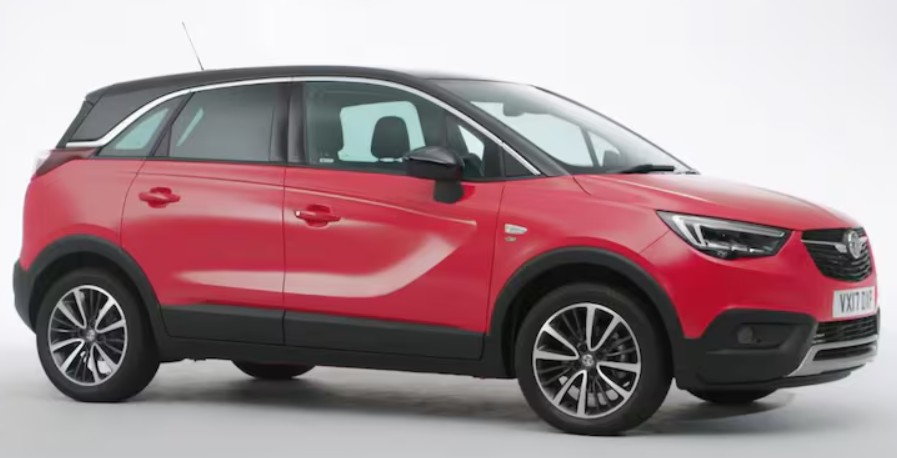
When we talk about compact SUVs that quietly do everything right, the Vauxhall Crossland often slips under the radar. Yet beneath its practical shell lies a range of engines that balance efficiency, simplicity, and everyday usability.
So, what’s really going on under the bonnet? Is it powerful enough? Reliable? Worth your attention in the long run?
Let’s break it all down—engine by engine, detail by detail—like we’re chatting over coffee while leaning on the hood.
Content in this publication
- Understanding the Vauxhall Crossland Engine Lineup
- Engine Performance: What It Feels Like on the Road
- Turbocharged vs Naturally Aspirated: Which Is Better?
- Fuel Efficiency: Where the Crossland Engine Excels
- Engine Reliability: Can You Trust It Long-Term?
- Maintenance Tips to Keep the Engine Healthy
- Engine Noise and Refinement
- Manual vs Automatic: Engine Pairing Matters
- Engine Power vs Practicality: The Real Balance
- Comparing Crossland Engines to Competitors
- Engine Longevity: How Long Will It Last?
- Signs Your Crossland Engine Needs Attention
- Is the Crossland Engine Good for Families?
- Pros and Cons of the Vauxhall Crossland Engine
- Who Should Choose the Crossland Engine?
- Final Thoughts: Is the Crossland Engine Worth It?
- Conclusion
- FAQs
Understanding the Vauxhall Crossland Engine Lineup
The Crossland isn’t about brute force. It’s about smart engineering—small displacement engines designed to deliver maximum efficiency without feeling sluggish.
Petrol Engines Overview
Most Crossland models rely on turbocharged petrol engines, and honestly, that’s where the magic happens.
1.2L Naturally Aspirated Petrol
- Power: ~81 hp
- Simple, reliable, no turbo
- Best for city driving
This is the “no drama” engine. It’s like that friend who never causes problems—but also never surprises you.
1.2L Turbocharged Petrol (PureTech)
Now we’re talking.
- Power outputs: 108 hp / 128 hp
- Turbocharged for better torque
- Found in most modern Crossland variants
This engine transforms the driving experience. It feels alive, responsive, and surprisingly capable for its size.
Diesel Engine Option
1.5L Turbo Diesel
- Power: ~108 hp
- High torque (great for long trips)
- Excellent fuel economy
If you’re clocking serious miles, this engine feels like a marathon runner—steady, efficient, and built to go the distance.
Engine Performance: What It Feels Like on the Road
Let’s be honest—numbers are one thing, but how does it actually feel?
City Driving Experience
In urban environments:
- Light steering pairs well with small engines
- Turbo petrol engines respond quickly
- Smooth acceleration in traffic
It’s like driving a nimble scooter—but with the comfort of a car.
Highway Performance
On the motorway:
- The turbo petrol holds its own
- Diesel shines with effortless cruising
- Overtaking is decent, not thrilling
We wouldn’t call it sporty—but it’s confident enough to keep up.
Turbocharged vs Naturally Aspirated: Which Is Better?
Let’s simplify this decision.
Turbocharged Engines
- More power from smaller size
- Better torque at low RPM
- Slightly more complex
Naturally Aspirated Engines
- Simpler design
- Lower maintenance risk
- Less power
👉 If you want a balance of fun and efficiency, the turbo wins.
Fuel Efficiency: Where the Crossland Engine Excels
Fuel economy is where the Crossland flexes its muscles.
Typical MPG Figures
- Petrol: 45–55 MPG
- Diesel: 60–70 MPG
That’s wallet-friendly territory.
Real-World Consumption Factors
- Driving style (heavy foot = higher consumption)
- Traffic conditions
- Maintenance habits
Think of it like dieting—consistency matters more than promises.
Engine Reliability: Can You Trust It Long-Term?
This is the big question.
General Reliability Overview
The Crossland engines—especially the 1.2 turbo—are generally reliable when properly maintained.
Common Engine Issues to Watch
Let’s not sugarcoat it.
Wet Timing Belt Concerns
- Found in some 1.2 engines
- Requires timely replacement
- Oil contamination can accelerate wear
Carbon Build-Up (Turbo Engines)
- Affects performance over time
- Common in direct injection engines
EGR Valve Issues (Diesel)
- Can clog with soot
- Leads to reduced efficiency
Maintenance Tips to Keep the Engine Healthy
If you treat the engine right, it’ll return the favor.
Essential Maintenance Checklist
- Regular oil changes (every 8k–10k miles)
- Use manufacturer-approved oil
- Replace timing belt on schedule
- Keep injectors clean
Driving Habits That Extend Engine Life
- Avoid aggressive cold starts
- Let the turbo cool after long drives
- Don’t ignore warning lights
Your engine isn’t fragile—but it appreciates respect.
Engine Noise and Refinement
Let’s talk comfort.
Petrol Engines
- Quiet at low speeds
- Slight vibration under load
Diesel Engines
- Noticeable clatter at idle
- Smooth once cruising
It’s not luxury-car silent, but it’s far from annoying.
Manual vs Automatic: Engine Pairing Matters
Manual Transmission
- More control
- Slightly better fuel efficiency
Automatic (6-speed)
- Smooth and convenient
- Slight performance drop
Choosing between them is like choosing coffee—both work, just depends on your mood.
Engine Power vs Practicality: The Real Balance
The Crossland isn’t trying to win races.
Instead, it offers:
- Enough power for daily use
- Strong fuel efficiency
- Low running costs
And honestly? That’s what most drivers need.
Comparing Crossland Engines to Competitors
Let’s zoom out.
Against Ford Puma
- Puma: More sporty
- Crossland: More practical
Against Nissan Juke
- Juke: More stylish
- Crossland: More comfortable
Against Peugeot 2008
- Similar engines (shared tech)
- Slightly more refined interior in Peugeot
Engine Longevity: How Long Will It Last?
With proper care:
- Petrol engines: 150,000–200,000 miles
- Diesel engines: 200,000+ miles
The key? Maintenance over miracles.
Signs Your Crossland Engine Needs Attention
Watch out for:
- Loss of power
- Increased fuel consumption
- Unusual noises
- Warning lights
Ignoring these is like ignoring a toothache—it only gets worse.
Is the Crossland Engine Good for Families?
Absolutely.
Why It Works for Family Life
- Reliable for daily commutes
- Efficient for long trips
- Low maintenance costs
It’s not flashy—but it’s dependable. Like a good pair of sneakers.
Pros and Cons of the Vauxhall Crossland Engine
Pros
- Excellent fuel economy
- Reliable when maintained
- Smooth turbo performance
- Affordable running costs
Cons
- Not very powerful
- Wet belt concerns
- Diesel noise at idle
Who Should Choose the Crossland Engine?
This engine setup is ideal for:
- City drivers
- Families
- Budget-conscious buyers
- First-time SUV owners
If you’re chasing speed, look elsewhere. If you want balance, you’re in the right place.
Final Thoughts: Is the Crossland Engine Worth It?
Here’s the truth—simple, honest, no fluff.
The Vauxhall Crossland engine lineup isn’t exciting… but it’s incredibly competent.
It’s like a reliable friend:
- Always there
- Rarely complains
- Gets the job done
And sometimes, that’s exactly what we need.
Conclusion
When we step back and look at the bigger picture, the Crossland engine represents a philosophy—efficiency over excess, practicality over performance.
It may not ignite passion, but it earns trust. And in the world of everyday driving, trust is everything.
FAQs
1. Is the Vauxhall Crossland engine reliable?
Yes, especially the 1.2 turbo, provided it’s properly maintained and serviced regularly.
2. Does the Crossland have a timing belt or chain?
Most engines use a timing belt (wet belt), which requires periodic replacement.
3. Which engine is best for the Crossland?
The 1.2 turbo petrol offers the best balance of power and efficiency.
4. Is the diesel engine worth it?
Yes, if you drive long distances regularly due to its superior fuel economy.
5. How long does the Crossland engine last?
With proper maintenance, it can exceed 150,000–200,000 miles.
If you want to know other articles similar to Vauxhall Crossland Engine: The Complete Guide to Performance, Reliability, and Real-World Driving you can visit the category Service and Parts.
Kia Sorento Service Reset: How to Reset the Service Light
Kia Sorento Fuel Tank Capacity: Gallons, Litres and Model Differences
Kia Sorento Tyre Pressure: Recommended PSI, Bar and Complete Guide
Kia Sorento Boot Space: How Much Luggage Space Does It Really Have?
Kia Sorento Towing Capacity: How Much Can a Sorento Tow?

Honda Passport Payload Capacity: How Much Weight Can It Carry?
Leave a Reply
More content of your interest