

Vauxhall Crossland Wet Belt Problems: The Hidden Engine Risk We Can’t Ignore

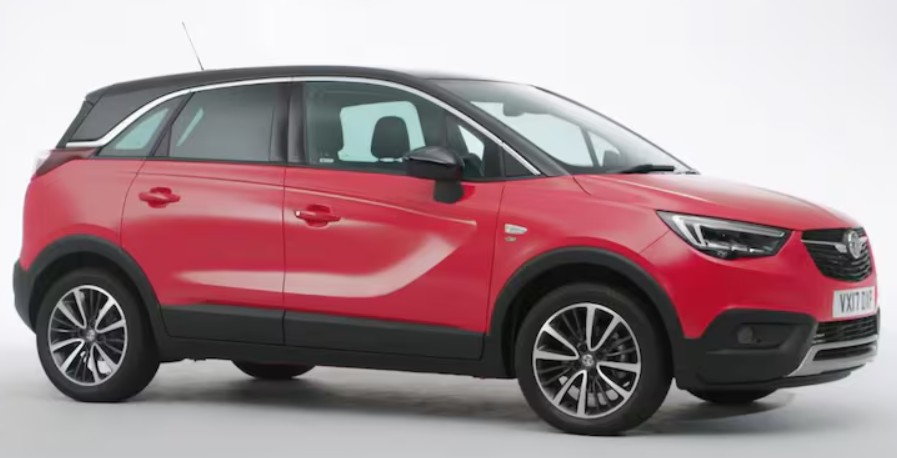
When we talk about modern engines, we often imagine precision, efficiency, and long-term reliability. But every now and then, a design choice sneaks in that feels more like a ticking clock than a technological breakthrough. That’s exactly the case with the wet belt system in the Vauxhall Crossland—a component that has quietly become one of the most discussed issues among owners.
So, what’s really going on under the bonnet? Why does this belt spark so much concern? And more importantly—should we be worried?
Let’s dig deep.
Content in this publication
- What Is a Wet Belt, and Why Does It Matter?
- Which Crossland Engines Are Affected?
- Why Wet Belt Problems Occur
- Signs Your Wet Belt Is Failing
- What Happens When the Wet Belt Fails?
- How Long Should a Wet Belt Last?
- The Role of Engine Oil in Wet Belt Health
- Maintenance Tips to Prevent Wet Belt Failure
- Cost of Replacing a Wet Belt
- Is It a Design Flaw or Maintenance Issue?
- Real Owner Experiences
- Should You Avoid the Crossland Because of This?
- Wet Belt vs Timing Chain: Which Is Better?
- How to Check If Your Crossland Is at Risk
- Future Improvements and Updates
- Closing Thoughts: Should We Be Concerned?
- FAQs About Vauxhall Crossland Wet Belt Problems
What Is a Wet Belt, and Why Does It Matter?
Understanding the Basics
A wet belt—also known as a belt-in-oil system—is a timing belt that operates inside the engine, lubricated by oil. Unlike traditional dry timing belts, this one lives in a bath of engine oil.
Sounds clever, right?
In theory, yes.
Why Manufacturers Use Wet Belts
Brands like Vauxhall adopted wet belts for a few key reasons:
- Reduced friction
- Improved fuel efficiency
- Quieter engine operation
- Longer service intervals (on paper)
But here’s the twist: what works perfectly in a lab doesn’t always survive real-world driving.
Which Crossland Engines Are Affected?
The 1.2 PureTech Engine Connection
Most wet belt concerns in the Crossland revolve around the 1.2-litre turbocharged petrol engine—shared across several models within the Stellantis group.
This engine uses a wet timing belt design, which has gained a reputation for premature wear.
Common Model Years Impacted
We typically see reports from:
- 2017–2023 Crossland models
- Crossland X variants
- Petrol engines more than diesel ones
Why Wet Belt Problems Occur
Oil Contamination: The Silent Killer
Here’s where things get tricky. The belt sits in engine oil, and over time:
- Oil degrades
- Contaminants build up
- Rubber material begins to break down
It’s like leaving a rubber band submerged in liquid for years—it won’t stay intact forever.
Material Breakdown
The belt isn’t just rubber—it’s reinforced with fibers. But exposure to oil can weaken:
- Adhesion between layers
- Structural integrity
- Flexibility
Eventually, fragments can start to break off.
Signs Your Wet Belt Is Failing
Early Warning Signals
We don’t always get a loud bang or dramatic failure. Sometimes, the clues are subtle:
- Engine warning light
- Reduced engine performance
- Unusual ticking noises
- Rough idling
Critical Symptoms to Watch
If the problem progresses, we might notice:
- Loss of oil pressure
- Engine stalling
- Difficulty starting
- Complete engine failure
At that point, it’s no longer a “maintenance issue”—it’s a major repair.
What Happens When the Wet Belt Fails?
Chain Reaction Inside the Engine
When the belt deteriorates:
- Debris enters the oil system
- Oil pickup pipes can clog
- Engine lubrication is compromised
Think of it like cholesterol clogging arteries—eventually, something vital stops working.
Worst-Case Scenario
If the belt snaps:
- Pistons and valves collide
- Engine damage becomes catastrophic
- Full engine replacement may be required
How Long Should a Wet Belt Last?
Manufacturer Claims vs Reality
Officially, wet belts are often rated for:
- 100,000 miles (160,000 km)
- Or 10 years
But real-world reports suggest issues can appear much earlier—sometimes as soon as 40,000–60,000 miles.
Why the Gap Exists
- Driving conditions vary
- Oil quality matters
- Maintenance schedules aren’t always followed strictly
The Role of Engine Oil in Wet Belt Health
Oil Quality Is Everything
Because the belt lives in oil, the type and condition of oil directly impact its lifespan.
Using the wrong oil is like feeding junk food to an athlete—it won’t end well.
Key Oil Factors
- Correct viscosity
- Manufacturer-approved specification
- Regular oil changes
Skipping oil changes? That’s basically inviting belt degradation.
Maintenance Tips to Prevent Wet Belt Failure
Simple Habits That Make a Big Difference
We don’t need to be mechanics to protect our engine. A few smart habits go a long way:
- Change oil more frequently than recommended
- Use high-quality oil only
- Avoid short trips that don’t warm the engine fully
- Listen for unusual engine sounds
Preventive Replacement Strategy
Many experts suggest:
- Replacing the wet belt earlier than scheduled
- Around 60,000–80,000 miles
It’s not cheap—but it’s far cheaper than a blown engine.
Cost of Replacing a Wet Belt
Typical Price Range
Replacing a wet belt in the Crossland can cost:
- £600 to £1,200 (UK estimate)
- More if additional components are affected
Why It’s Expensive
Unlike traditional belts, this job involves:
- Draining engine oil
- Removing multiple components
- Cleaning internal parts
It’s a delicate operation—not a quick garage fix.
Is It a Design Flaw or Maintenance Issue?
The Ongoing Debate
Some argue it’s poor design. Others say it’s maintenance negligence.
The truth? It’s a bit of both.
Where Responsibility Lies
- Manufacturers: for optimistic service intervals
- Owners: for skipping maintenance
When those two collide, problems emerge.
Real Owner Experiences
What Drivers Are Saying
Across forums and communities, we see recurring themes:
- Unexpected early wear
- High repair costs
- Frustration over unclear maintenance advice
Common Complaints
- “No warning before failure”
- “Service schedule didn’t prevent it”
- “Dealers didn’t highlight the risk”
Should You Avoid the Crossland Because of This?
Putting Things Into Perspective
Let’s be fair—the Crossland isn’t a bad car. It’s practical, efficient, and comfortable.
But the wet belt is a weak spot.
What We Should Consider
- Are you willing to maintain it properly?
- Can you budget for preventive replacement?
If yes, the risk becomes manageable.
Wet Belt vs Timing Chain: Which Is Better?
Quick Comparison
| Feature | Wet Belt | Timing Chain |
|---|---|---|
| Maintenance | Required | Minimal |
| Noise | Quiet | Slightly noisier |
| Longevity | Moderate | High |
| Failure Risk | Higher | Lower |
Our Verdict
Chains are generally more durable, but belts—especially wet ones—require attention.
How to Check If Your Crossland Is at Risk
Steps We Can Take
- Check engine type (1.2 petrol is key)
- Review service history
- Look for oil change intervals
- Ask a mechanic for inspection
Professional Inspection
A technician can:
- Inspect belt condition
- Check oil contamination
- Identify early warning signs
Future Improvements and Updates
Have Manufacturers Fixed It?
Newer engines and updated versions have improved materials and revised service recommendations.
But the issue hasn’t disappeared entirely.
What We Expect Going Forward
- Shorter replacement intervals
- Better oil formulations
- Increased owner awareness
Closing Thoughts: Should We Be Concerned?
The wet belt in the Vauxhall Crossland is like a quiet storm—easy to ignore until it suddenly isn’t.
But here’s the good news: with awareness and proactive care, we can stay ahead of the problem.
Instead of fearing it, we manage it.
Instead of reacting, we prepare.
And that’s the difference between a costly surprise and a well-maintained machine.
FAQs About Vauxhall Crossland Wet Belt Problems
1. How often should I replace the wet belt?
Ideally between 60,000 and 80,000 miles, even if the official interval is longer.
2. Can I drive with a worn wet belt?
It’s risky. A failing belt can cause severe engine damage without warning.
3. Does regular oil change prevent wet belt issues?
It significantly reduces risk, but doesn’t eliminate it completely.
4. Are diesel Crossland models affected?
Less commonly. Most issues are reported in petrol engines.
5. Is it worth buying a used Crossland with this engine?
Yes—if maintenance history is solid and you budget for belt replacement.
If you want to know other articles similar to Vauxhall Crossland Wet Belt Problems: The Hidden Engine Risk We Can’t Ignore you can visit the category Common Problems.
Kia Sorento Issues: Common Problems, Reliability and What to Watch For
Honda Passport Not Starting: Causes, Symptoms, and How to Fix It
Honda Passport Keyless Remote Battery Low: What It Means and How to Fix It

Nissan Rogue Apple CarPlay Not Working: Causes and Fixes
Nissan Rogue No Key Detected: Causes, Fixes, and What to Do
Nissan Rogue Engine Problems: Common Issues, Symptoms, Years and Solutions
Leave a Reply
More content of your interest