

Vauxhall Crossland Parking Sensors Not Working: Complete Troubleshooting Guide

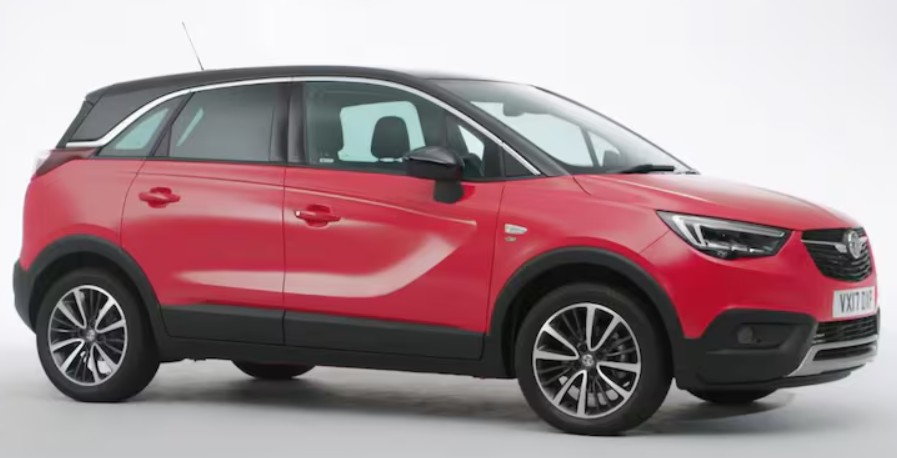
When your Vauxhall Crossland suddenly stops beeping while reversing, it feels like losing a sixth sense. Parking sensors are that quiet co-pilot we rarely notice—until they go silent. And when they do, parallel parking turns into a guessing game.
In this guide, we’ll walk through why your parking sensors might not be working, how to diagnose the issue step by step, and what fixes actually work—without drowning in technical jargon.
Content in this publication
- What Do Parking Sensors Actually Do?
- Common Symptoms of Faulty Parking Sensors
- Why Vauxhall Crossland Parking Sensors Stop Working
- How to Diagnose the Problem Step-by-Step
- DIY Fixes vs Professional Repairs
- How Much Does It Cost to Fix?
- Preventing Future Parking Sensor Issues
- Are Parking Sensors Worth Fixing?
- Parking Sensors vs Reverse Camera: Which Matters More?
- When Sensors Work Intermittently
- Can Weather Affect Parking Sensors?
- Should You Replace All Sensors at Once?
- Aftermarket vs OEM Sensors
- Final Thoughts: Don’t Ignore the Silence
- FAQs About Vauxhall Crossland Parking Sensors
What Do Parking Sensors Actually Do?
Before we jump into faults, let’s understand the system we’re dealing with.
Parking sensors use ultrasonic waves to detect obstacles behind (and sometimes in front of) your car. When something gets too close:
- The sensors send signals to a control module
- The system calculates distance
- You hear beeps that increase in frequency
Simple, right? Until something interrupts that chain.
Common Symptoms of Faulty Parking Sensors
Not all failures look the same. Sometimes it’s obvious. Other times, it’s subtle.
Typical Signs You Might Notice
- No sound when reversing
- Constant warning tone (even with nothing behind)
- Sensors work intermittently
- Dashboard error message
- Reverse camera works, but sensors don’t
If you’re nodding at any of these, you’re in the right place.
Why Vauxhall Crossland Parking Sensors Stop Working
Let’s break down the real causes—not the generic ones you’ll find everywhere.
1. Dirt, Ice, or Debris Blocking Sensors
This is the most common—and most overlooked—cause.
What Happens?
Sensors can’t “see” properly if they’re covered.
Quick Fix
- Clean with a microfiber cloth
- Avoid pressure washers directly on sensors
Sometimes, the fix is literally a wipe away.
2. Faulty Sensor Unit
Each sensor is independent. One failure can disrupt the entire system.
Clues
- Clicking sound missing from one sensor
- System beeps constantly
Test Tip
Put your ear close—working sensors often emit a faint ticking noise.
3. Wiring Issues
Wiring is like the nervous system. One damaged connection, and everything goes quiet.
Common Causes
- Water ingress
- Corrosion
- Rodent damage (yes, it happens more than you think)
4. Blown Fuse
A simple electrical failure can disable the entire system.
What to Check
- Fuse box (usually under dashboard or bonnet)
- Look for parking assist or PDC fuse
Cheap fix, big relief.
5. Faulty Control Module
This is the brain of the system.
Symptoms
- Sensors don’t respond at all
- No activation when reverse gear engaged
Reality Check
This is less common—but more expensive.
6. Reverse Gear Signal Failure
Your car needs to know you’re reversing.
If This Fails
- Sensors won’t activate
- Reverse lights may also fail
Now we’re looking beyond sensors—into transmission signals.
How to Diagnose the Problem Step-by-Step
Let’s get practical. Here’s how we would approach this ourselves.
Step 1: Visual Inspection
Start simple.
- Are sensors dirty?
- Any visible damage?
- Cracks or misalignment?
Step 2: Listen for Clicking Sounds
Turn ignition on, engage reverse (with handbrake).
- Place your ear near each sensor
- No click = likely faulty
Step 3: Check the Fuse
Consult your manual for the correct fuse.
- Replace if blown
- Use same amperage
Step 4: Scan for Error Codes
If you have an OBD scanner:
- Look for parking assist errors
- Codes can pinpoint exact sensor
Step 5: Test Each Sensor Individually
You can:
- Swap sensors between positions
- See if the fault follows the sensor
This isolates the problem quickly.
DIY Fixes vs Professional Repairs
Let’s be honest—some fixes are DIY-friendly, others aren’t.
You Can Fix Yourself
- Cleaning sensors
- Replacing a faulty sensor
- Checking fuses
Better Left to Professionals
- Wiring repairs
- Control module replacement
- Advanced diagnostics
If it feels like chasing ghosts, it probably is—time to call in help.
How Much Does It Cost to Fix?
Costs vary depending on the issue.
Typical Price Range
- Sensor replacement: $30–$100 per sensor
- Wiring repair: $100–$300
- Control module: $200–$600
Not cheap—but cheaper than a bumper repair after a parking mishap.
Preventing Future Parking Sensor Issues
A little prevention goes a long way.
Simple Habits
- Clean sensors regularly
- Avoid harsh pressure washing
- Check after minor bumps
Think of sensors like glasses—keep them clean, and they’ll keep you safe.
Are Parking Sensors Worth Fixing?
Short answer: yes.
Long answer: absolutely.
Parking sensors:
- Reduce accident risk
- Make tight spaces manageable
- Improve resale value
Driving without them feels like going back to dial-up internet—technically possible, but why would you?
Parking Sensors vs Reverse Camera: Which Matters More?
Many Crossland models come with both.
Key Differences
- Sensors: distance awareness
- Camera: visual clarity
Together, they’re unbeatable. But sensors work in low visibility—rain, fog, darkness—where cameras struggle.
When Sensors Work Intermittently
This is where things get tricky.
Possible Causes
- Loose wiring
- Moisture inside sensors
- Failing control module
Intermittent issues are like flickering lights—annoying and unpredictable.
Can Weather Affect Parking Sensors?
Absolutely.
Conditions That Cause Problems
- Heavy rain
- Snow and ice
- Extreme heat
Sensors rely on sound waves—weather can distort them.
Should You Replace All Sensors at Once?
Not necessarily.
Best Approach
- Replace only faulty ones
- Unless multiple failures occur
No need to fix what isn’t broken.
Aftermarket vs OEM Sensors
A common dilemma.
OEM (Original Equipment)
- Perfect fit
- Higher cost
Aftermarket
- Cheaper
- May require calibration
If you value reliability, OEM is the safer bet—especially from Vauxhall Motors.
Final Thoughts: Don’t Ignore the Silence
When your parking sensors stop working, it’s not just an inconvenience—it’s a blind spot in your driving safety.
Sometimes it’s dirt. Sometimes it’s wiring. Occasionally, it’s something deeper. But the key takeaway?
👉 Start simple, diagnose smart, and fix early.
Because the moment you hear that familiar beep again, you’ll realize just how much you missed it.
FAQs About Vauxhall Crossland Parking Sensors
1. Why do my parking sensors beep constantly?
Usually caused by a faulty sensor or obstruction. Clean them first—if the issue persists, one sensor may be defective.
2. Can I drive without fixing parking sensors?
Yes, but it increases the risk of minor accidents, especially in tight spaces.
3. How do I reset parking sensors?
Disconnecting the battery for a few minutes can reset the system, but it won’t fix hardware faults.
4. Do parking sensors fail over time?
Yes. Like any electronic component, they wear out—especially with exposure to weather and impacts.
5. Can I replace a parking sensor myself?
In many cases, yes. It involves removing the bumper or accessing the sensor from behind.
If you want to know other articles similar to Vauxhall Crossland Parking Sensors Not Working: Complete Troubleshooting Guide you can visit the category Common Problems.
Kia Sorento Issues: Common Problems, Reliability and What to Watch For

Honda Passport Not Starting: Causes, Symptoms, and How to Fix It
Honda Passport Keyless Remote Battery Low: What It Means and How to Fix It

Nissan Rogue Apple CarPlay Not Working: Causes and Fixes
Nissan Rogue No Key Detected: Causes, Fixes, and What to Do
Nissan Rogue Engine Problems: Common Issues, Symptoms, Years and Solutions
Leave a Reply
More content of your interest