

Vauxhall Crossland Engine Problems: The Real-World Guide Every Owner Needs

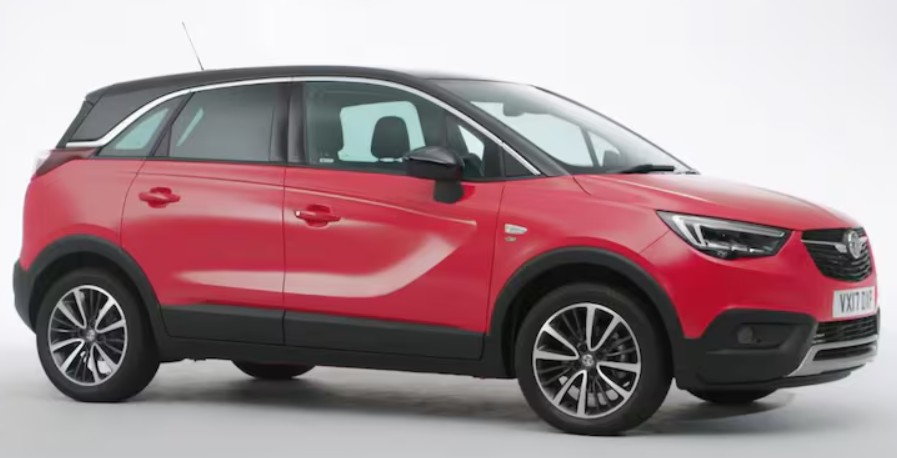
When we talk about compact SUVs that balance practicality with affordability, the Vauxhall Crossland often enters the conversation. It’s a car built for daily life—school runs, grocery trips, and the occasional road adventure. But let’s be honest: no vehicle is perfect, and the Crossland has its share of engine-related headaches.
So, what really goes wrong under the bonnet? And more importantly—how do we deal with it before it turns into a wallet-draining nightmare?
Let’s dive deep.
Content in this publication
- Understanding the Vauxhall Crossland Engine Line-Up
- Why Engine Problems Matter More Than You Think
- Common Vauxhall Crossland Engine Problems
- Early Warning Signs You Should Never Ignore
- What Causes These Engine Problems?
- How Much Do Repairs Cost?
- Preventing Engine Problems: What We Can Do
- Is the Vauxhall Crossland Engine Reliable Overall?
- Should You Buy a Used Vauxhall Crossland?
- Best Engine Choice for Reliability
- Real Owner Experiences: What People Say
- When to Seek Professional Help
- Closing Thoughts: Staying Ahead of Engine Trouble
- FAQs About Vauxhall Crossland Engine Problems
Understanding the Vauxhall Crossland Engine Line-Up
Before we talk about problems, we need context. The Crossland has been offered with a range of engines, most notably:
- 1.2L petrol (naturally aspirated)
- 1.2L turbocharged petrol
- 1.5L diesel
Each engine has its own personality—and its own quirks.
Why Engine Problems Matter More Than You Think
An engine issue isn’t just an inconvenience—it’s the heart of the car crying for attention.
Ignore it, and you risk:
- Reduced performance
- Increased fuel consumption
- Expensive repairs
- Complete engine failure
Think of your engine like your body’s heart. When it skips a beat, you don’t just shrug it off… right?
Common Vauxhall Crossland Engine Problems
Let’s break down the most reported issues owners face.
1. Timing Belt (Wet Belt) Issues
What’s the Problem?
The 1.2 turbo engine uses a wet timing belt—a belt that runs inside the engine oil.
Sounds smart, but here’s the catch:
- The belt can degrade prematurely
- Rubber particles contaminate the oil
- This leads to engine damage
Warning Signs
- Engine warning light
- Rough running
- Oil pressure warnings
- Unusual ticking noises
Why It Happens
Oil contamination and poor maintenance accelerate belt wear. Miss an oil change, and you’re playing roulette.
2. Engine Misfires and Rough Idling
What It Feels Like
You’re at a traffic light… and suddenly the car feels like it’s shaking.
That’s a misfire.
Common Causes
- Faulty spark plugs
- Ignition coil failure
- Fuel injector issues
Quick Fix?
Sometimes it’s simple—replace plugs. Other times? It’s deeper.
3. Turbocharger Problems
The Hidden Troublemaker
The turbo engine gives you that extra punch—but it comes with risk.
Symptoms
- Loss of power
- Whistling noise
- Excessive smoke
Root Causes
- Oil starvation
- Carbon buildup
- Poor driving habits (like not letting the turbo cool down)
4. Excessive Oil Consumption
What’s Happening?
Some Crossland engines burn oil faster than expected.
Signs to Watch
- Frequent low oil warnings
- Blue smoke from exhaust
- Burning oil smell
Why It’s Dangerous
Run low on oil, and the engine components grind like sandpaper.
5. Engine Warning Light (Check Engine Light)
The Most Common Complaint
That dreaded dashboard light.
Possible Causes
- Sensor faults
- Emission issues
- Fuel system problems
- Timing belt wear
Pro Tip
Never ignore it. That light is your engine’s way of whispering (or screaming).
6. Diesel Engine Issues (1.5L)
Typical Problems
- DPF (Diesel Particulate Filter) clogging
- EGR valve failure
- Injector faults
Why It Happens
Short trips kill diesel engines. They never get hot enough to clean themselves.
Early Warning Signs You Should Never Ignore
Let’s simplify things. If your Crossland shows any of these signs—act fast:
- Knocking or ticking sounds
- Loss of acceleration
- Smoke from exhaust
- Poor fuel economy
- Vibrations at idle
These are not “maybe later” problems.
They’re “fix me now” signals.
What Causes These Engine Problems?
It’s rarely just bad luck. Most issues come from:
1. Poor Maintenance
Skipping oil changes is like skipping meals—you’ll pay for it later.
2. Low-Quality Oil
Cheap oil = poor lubrication = faster wear.
3. Driving Habits
- Short trips (bad for diesel)
- Aggressive driving (bad for turbo)
- Ignoring warm-up time
4. Manufacturing Design
Let’s be honest—the wet belt design isn’t flawless.
How Much Do Repairs Cost?
Brace yourself. Here’s a rough breakdown:
- Timing belt replacement: £600–£1,200
- Turbo repair/replacement: £800–£1,500
- Injector replacement: £200–£400 each
- Full engine rebuild: £2,000+
Prices vary, but one thing is certain—engine problems are never cheap.
Preventing Engine Problems: What We Can Do
Here’s where we take control.
Follow a Strict Maintenance Schedule
- Oil changes every 6,000–10,000 miles
- Use manufacturer-approved oil
- Replace filters regularly
Drive Smart
- Let the engine warm up
- Avoid constant short trips (especially diesel)
- Let the turbo cool after long drives
Monitor Oil Levels Frequently
Make it a habit. Once a month is enough to catch early issues.
Don’t Ignore Warning Lights
That light is not decoration. It’s your early warning system.
Is the Vauxhall Crossland Engine Reliable Overall?
Here’s the honest take:
- The engines are decent but not bulletproof
- Maintenance makes a huge difference
- The 1.2 turbo is efficient but needs care
Treat it well, and it’ll serve you. Neglect it, and it’ll remind you—loudly.
Should You Buy a Used Vauxhall Crossland?
Good question.
Yes, if:
- Full service history is available
- Timing belt has been checked or replaced
- The car runs smoothly
No, if:
- There are warning lights
- Service history is incomplete
- You hear unusual engine noises
Buying blind? That’s a gamble.
Best Engine Choice for Reliability
If reliability is your priority:
- 1.2 non-turbo petrol → simplest, fewer issues
- 1.5 diesel → good for long-distance drivers only
Avoid poorly maintained turbo engines.
Real Owner Experiences: What People Say
From forums and real-world feedback:
- “Great car… until the warning lights start.”
- “Timing belt scared me more than anything.”
- “Runs perfectly if serviced properly.”
The pattern is clear—maintenance is everything.
When to Seek Professional Help
Don’t play mechanic if:
- The engine makes knocking sounds
- The car loses power suddenly
- Oil pressure warnings appear
Modern engines are complex. Guesswork can make things worse.
Closing Thoughts: Staying Ahead of Engine Trouble
Owning a Vauxhall Crossland is a bit like owning a pet.
Ignore it, and it becomes a problem.
Care for it, and it becomes a companion.
Engine problems don’t appear out of nowhere—they build up quietly, like cracks in ice before it breaks.
So let’s stay ahead. Listen to the car. Maintain it. Respect it.
Because prevention? That’s always cheaper than repair.
FAQs About Vauxhall Crossland Engine Problems
1. Are Vauxhall Crossland engines reliable?
They are moderately reliable, but require strict maintenance—especially the 1.2 turbo engine.
2. What is the most common engine problem?
Timing belt (wet belt) degradation is one of the most reported issues.
3. How often should I change the oil?
Every 6,000–10,000 miles or once a year, whichever comes first.
4. Is the diesel version better?
Only if you drive long distances regularly. Short trips can cause DPF issues.
5. Can I drive with the engine warning light on?
It’s risky. Minor issues can turn into major failures if ignored.
If you want to know other articles similar to Vauxhall Crossland Engine Problems: The Real-World Guide Every Owner Needs you can visit the category Common Problems.
Volvo XC40 Sound Not Working? Complete Troubleshooting Guide

Mazda Diesel Engine Problems: Common Faults and Fixes

Volkswagen Key Not Detected or No Key Error: Causes and Fixes

Volvo S90 Common Problems: Reliability & Repair Guide
Volvo S90 No Sound: Causes, Fixes and Solutions

Nissan Rogue Smells Like Gas: Causes and Fixes
Leave a Reply
More content of your interest