

Hyundai i30 Engine Size: The Complete Guide to Power, Performance, and Practicality

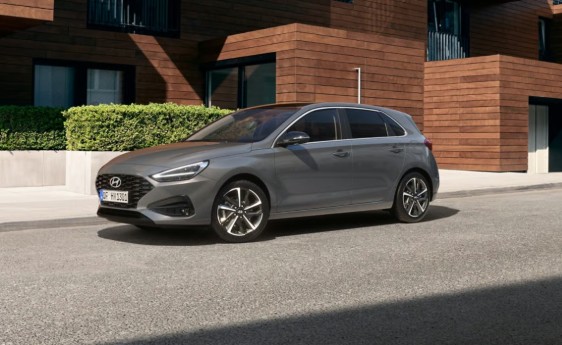
When we talk about a car’s personality, we often focus on design, features, or brand reputation. But let’s be honest—underneath all that polish, it’s the engine that truly defines the driving experience. And when it comes to the Hyundai i30, engine size plays a surprisingly versatile role.
So, what engine sizes does the Hyundai i30 offer? Which one fits your lifestyle? And how do these engines actually feel on the road?
Let’s break it down—simply, clearly, and with a bit of real-world perspective.
Content in this publication
- Understanding Engine Size: What Does It Really Mean?
- Hyundai i30 Engine Size Overview
- Breaking Down Each Engine Option
- Hyundai i30 Engine Size by Generation
- Petrol vs Diesel: Which Engine Size Wins?
- Turbocharged Engines: Why Smaller Feels Bigger
- Fuel Efficiency Across Engine Sizes
- Performance vs Efficiency: Finding the Sweet Spot
- Manual vs Automatic: Does Engine Size Matter?
- Hyundai i30 N: A Special Case
- Reliability of Hyundai i30 Engines
- Common Questions About Engine Size
- Choosing the Right Engine Size for You
- The Emotional Side of Engine Choice
- Closing Thoughts: The Engine That Fits Your Story
- FAQs About Hyundai i30 Engine Size
Understanding Engine Size: What Does It Really Mean?
The Basics Behind Engine Displacement
Engine size, often measured in liters (like 1.0L or 2.0L), refers to the total volume of all the cylinders inside the engine. Think of it like lung capacity—the bigger it is, the more air (and fuel) it can process.
Why It Matters More Than You Think
- Bigger engines = more power, faster acceleration
- Smaller engines = better fuel efficiency, lower emissions
- Turbocharged engines = small size, big punch
In the Hyundai i30 lineup, you’ll find a clever mix of all three philosophies.
Hyundai i30 Engine Size Overview
Let’s get straight to the heart of it.
Available Engine Sizes Across Generations
Depending on the year and market, the Hyundai i30 typically offers:
- 1.0L Turbocharged Petrol
- 1.4L Petrol (Naturally Aspirated or Turbo)
- 1.5L Petrol (Mild Hybrid in newer models)
- 1.6L Diesel
- 2.0L Turbocharged Petrol (Performance models like N version)
That’s quite a spread—from economical city cruisers to hot hatch monsters.
Breaking Down Each Engine Option
1.0L Turbocharged Petrol: Small But Mighty
This is the engine that surprises everyone.
Key Characteristics
- 3-cylinder turbocharged engine
- Around 118–120 hp
- Excellent fuel economy
Who Is It For?
Perfect for:
- City driving
- Daily commuting
- Budget-conscious drivers
Real-World Feel
It’s like a lightweight boxer—quick on its feet, agile, and efficient. Don’t expect explosive power, but it gets the job done with charm.
1.4L Petrol Engine: The Balanced Choice
A middle ground that many drivers love.
Highlights
- Available as naturally aspirated or turbo
- Smooth performance
- Better highway capability than the 1.0L
Driving Experience
Think of it as the “all-rounder”—not flashy, but dependable. It cruises comfortably and doesn’t feel strained at higher speeds.
1.5L Petrol Mild Hybrid: The Modern Upgrade
Hyundai didn’t just evolve—they innovated.
What Makes It Special
- Mild hybrid system improves efficiency
- Reduced emissions
- Slight boost in torque
Why It Matters
This engine bridges the gap between performance and eco-conscious driving. It’s like having a silent assistant helping your engine perform smarter.
1.6L Diesel Engine: The Long-Distance King
Diesel might not be as trendy anymore, but it still shines in specific scenarios.
Strengths
- High torque output
- Excellent fuel economy on long drives
- Durable and efficient
Best For
- Highway commuters
- Long-distance travelers
- Drivers prioritizing fuel savings
2.0L Turbocharged Petrol: The Performance Beast
Now we’re talking adrenaline.
Specs Snapshot
- Found in Hyundai i30 N
- Up to 276 hp
- Track-ready performance
Driving Feel
This isn’t just a car—it’s an experience. The engine roars, the throttle responds instantly, and every drive feels like a mini race.
Hyundai i30 Engine Size by Generation
First Generation (2007–2012)
- 1.4L and 1.6L petrol
- 1.6L and 2.0L diesel
Simple, reliable, and built for practicality.
Second Generation (2012–2017)
- Improved 1.4L and 1.6L engines
- Introduction of turbocharged options
This is where efficiency started meeting performance.
Third Generation (2017–Present)
- 1.0L turbo
- 1.5L mild hybrid
- 2.0L turbo (N version)
Modern, efficient, and diverse—this generation offers something for everyone.
Petrol vs Diesel: Which Engine Size Wins?
Petrol Engines
- Smoother and quieter
- Better for city driving
- Lower upfront cost
Diesel Engines
- Better fuel economy
- Higher torque
- Ideal for long distances
Verdict
There’s no universal winner—it depends on how you drive. It’s like choosing between sneakers and boots.
Turbocharged Engines: Why Smaller Feels Bigger
How Turbocharging Changes the Game
A turbocharger forces more air into the engine, allowing smaller engines to produce more power.
Benefits
- Improved efficiency
- More power from smaller engines
- Better fuel economy
In the Hyundai i30, turbocharging is the secret sauce that makes smaller engines feel surprisingly powerful.
Fuel Efficiency Across Engine Sizes
Estimated Consumption
- 1.0L: ~5.0–5.5 L/100km
- 1.4L: ~6.0–6.5 L/100km
- 1.5L Hybrid: ~5.0 L/100km
- 1.6L Diesel: ~4.0–4.5 L/100km
- 2.0L Turbo: ~8.0–9.0 L/100km
What This Means for You
- Smaller engines save money daily
- Larger engines deliver excitement
- Hybrids balance both worlds
Performance vs Efficiency: Finding the Sweet Spot
Key Trade-Offs
- More power = more fuel consumption
- Smaller engines = less acceleration
Smart Choice Strategy
Ask yourself:
- Do I drive mostly in the city?
- Do I value fuel savings over speed?
- Do I enjoy spirited driving?
Your answers will guide you to the right engine.
Manual vs Automatic: Does Engine Size Matter?
Yes—and here’s how.
Manual Transmission
- More control
- Better fuel efficiency
- Works well with smaller engines
Automatic Transmission
- Easier to drive
- Pairs well with turbo engines
- Slightly higher fuel consumption
Hyundai i30 N: A Special Case
This deserves its own spotlight.
What Sets It Apart
- 2.0L turbocharged engine
- Performance tuning
- Sport suspension and exhaust
Who Should Consider It?
If you love driving—not just commuting—this is your match.
Reliability of Hyundai i30 Engines
General Reputation
Hyundai engines are known for:
- Solid reliability
- Low maintenance costs
- Long lifespan
Maintenance Tips
- Regular oil changes
- Use quality fuel
- Follow service intervals
Treat the engine well, and it’ll return the favor.
Common Questions About Engine Size
Is Bigger Always Better?
Not really. Bigger engines offer more power but consume more fuel.
Are Smaller Engines Underpowered?
Modern turbo engines prove otherwise—they’re efficient and capable.
Choosing the Right Engine Size for You
Quick Decision Guide
- City driver? → 1.0L or 1.5L
- Mixed driving? → 1.4L or 1.5L
- Highway commuter? → 1.6L diesel
- Performance enthusiast? → 2.0L turbo
The Emotional Side of Engine Choice
Let’s be real for a moment.
Choosing an engine isn’t just logical—it’s emotional. It’s about how you feel when you press the accelerator.
Do you want calm efficiency… or a heartbeat that races with the engine?
Closing Thoughts: The Engine That Fits Your Story
The Hyundai i30 doesn’t force you into one path—it gives you options. Whether you want efficiency, balance, or outright performance, there’s an engine size tailored to your lifestyle.
In a way, it’s like choosing a soundtrack for your daily drives. Quiet and smooth… or loud and thrilling.
The choice is yours.
FAQs About Hyundai i30 Engine Size
1. What is the most common Hyundai i30 engine size?
The 1.0L turbo and 1.5L petrol engines are the most popular in modern models.
2. Is the 1.0L engine powerful enough?
Yes, especially for city driving and light highway use.
3. Which engine is best for fuel economy?
The 1.6L diesel and 1.5L mild hybrid offer the best efficiency.
4. Does the Hyundai i30 come with a 2.0L engine?
Yes, but only in the high-performance i30 N version.
5. How long do Hyundai i30 engines last?
With proper maintenance, they can easily exceed 200,000 km.
If you want to know other articles similar to Hyundai i30 Engine Size: The Complete Guide to Power, Performance, and Practicality you can visit the category Service and Parts.
Kia Sorento Service Reset: How to Reset the Service Light
Kia Sorento Fuel Tank Capacity: Gallons, Litres and Model Differences
Kia Sorento Tyre Pressure: Recommended PSI, Bar and Complete Guide
Kia Sorento Boot Space: How Much Luggage Space Does It Really Have?
Kia Sorento Towing Capacity: How Much Can a Sorento Tow?

Honda Passport Payload Capacity: How Much Weight Can It Carry?
Leave a Reply
More content of your interest