
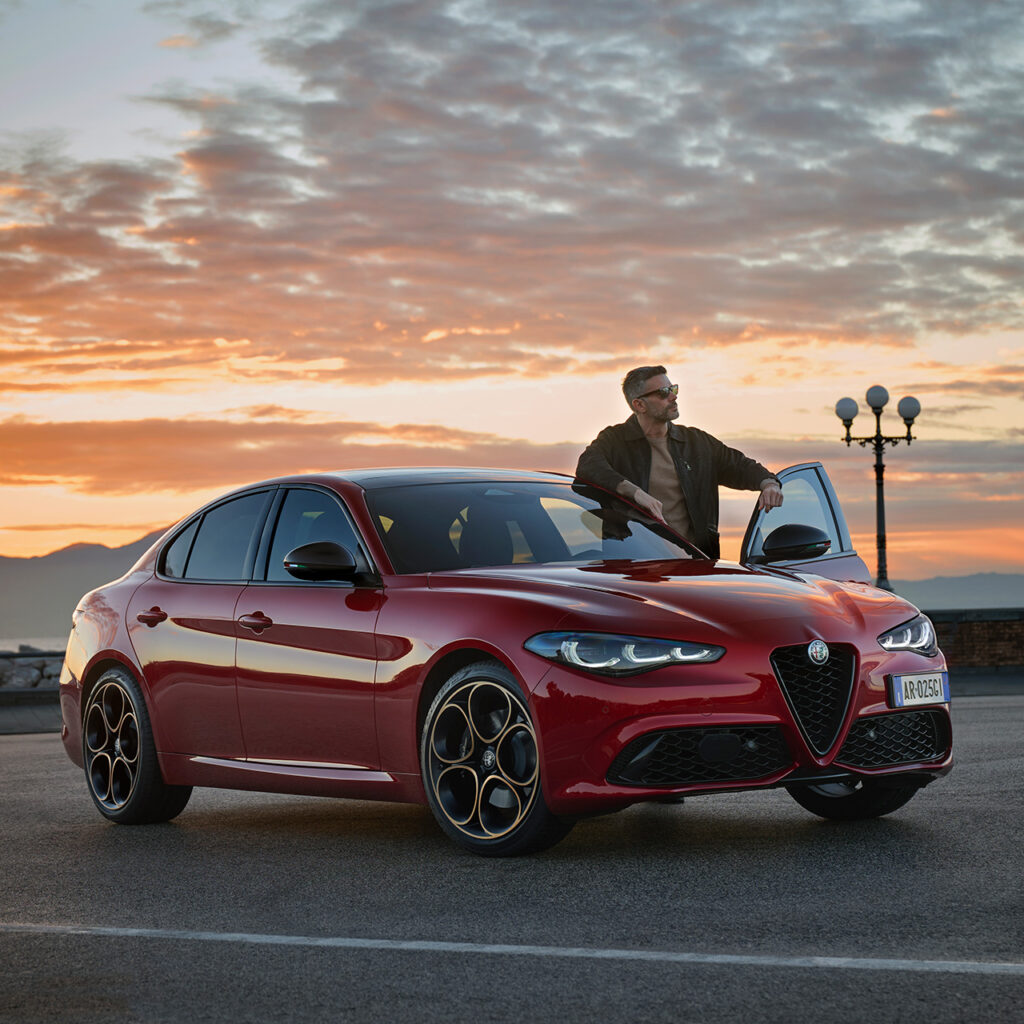
Alfa Romeo Giulia Veloce Tyre Pressure: The Complete Driver’s Guide

Content in this publication
- Why Tyre Pressure Matters More Than Most Drivers Think
- Recommended Alfa Romeo Giulia Veloce Tyre Pressure
- Cold Tyre Pressure vs Hot Tyre Pressure
- Giulia Veloce Tyre Sizes and Their Impact
- What Happens When Tyre Pressure Is Too Low
- What Happens When Tyre Pressure Is Too High
- How to Check Alfa Romeo Giulia Veloce Tyre Pressure
- Understanding the Giulia Veloce TPMS System
- How to Reset the Tyre Pressure Warning Light
- Best Tyre Pressure for Highway Driving
- Best Tyre Pressure for Spirited Driving
- Winter Tyre Pressure Tips
- Summer Driving and Heat Expansion
- Run-Flat Tyres on the Giulia Veloce
- Best Tyres for the Alfa Romeo Giulia Veloce
- How Tyre Pressure Affects Fuel Economy
- Warning Signs That Need Immediate Attention
- How Often Should We Check Tyre Pressure?
- Can Incorrect Tyre Pressure Damage Suspension Components?
- Tyre Pressure and Wet Weather Performance
- Should We Use Nitrogen Instead of Regular Air?
- DIY Tyre Inflation vs Professional Service
- Common Tyre Pressure Mistakes
- Why the Giulia Feels So Sensitive to Tyre Pressure
- Final Thoughts
- FAQs
Why Tyre Pressure Matters More Than Most Drivers Think
The Alfa Romeo Giulia Veloce is one of those sports sedans that immediately feels special the moment we touch the steering wheel. The steering is sharp, the chassis feels alive, and every curve becomes part of the experience. But behind that driving magic sits one detail many owners underestimate: tyre pressure.
Tyre pressure affects almost everything:
- Handling
- Ride comfort
- Fuel economy
- Braking distance
- Tyre longevity
- Wet-weather grip
In a performance-oriented car like the Giulia Veloce, even a small PSI difference changes how the car behaves. Think of tyres like athletic shoes. Too soft and every movement feels heavy. Too stiff and every step becomes uncomfortable. The sweet spot creates harmony, and that harmony is exactly what Alfa Romeo engineered into the Giulia Veloce.
Recommended Alfa Romeo Giulia Veloce Tyre Pressure
Most Alfa Romeo Giulia Veloce models generally use these recommended settings:
Front Tyres
- 36 PSI (2.5 bar)
Rear Tyres
- 39 PSI (2.7 bar)
However, these numbers can vary depending on:
- Model year
- Wheel size
- Tyre brand
- Vehicle load
- Seasonal conditions
The safest approach is always checking:
- The driver’s door sticker
- The fuel flap label
- The owner’s manual
Cold Tyre Pressure vs Hot Tyre Pressure
Why Cold Readings Matter
Tyres naturally heat up while driving. As the air inside warms, the pressure increases.
A tyre at:
- 36 PSI cold
can easily become: - 40 PSI hot
That’s completely normal.
We should always check tyre pressure when:
- The car has been parked for several hours
- The tyres are cold
- The vehicle has not recently been driven
Checking hot tyres can lead to inaccurate adjustments and accidental underinflation later.
Giulia Veloce Tyre Sizes and Their Impact
Many Giulia Veloce models use staggered wheels.
Common 19-Inch Setup
- Front: 225/40 R19
- Rear: 255/35 R19
Because the rear tyres are wider, they often require slightly higher pressure to maintain:
- Stability
- Rear traction
- Balanced cornering
Some versions use 18-inch wheels, which may offer a softer ride and slightly different pressure recommendations.
What Happens When Tyre Pressure Is Too Low
Underinflated tyres quietly ruin the driving experience.
Common Symptoms
- Heavy steering
- Sluggish acceleration
- Poor fuel economy
- Soft cornering feel
- Increased braking distances
Long-Term Problems
- Excessive shoulder wear
- Tyre overheating
- Sidewall stress
- Blowout risks
The Giulia Veloce is designed to feel agile and sharp. Low tyre pressure makes it feel lazy, almost like running through deep water.
What Happens When Tyre Pressure Is Too High
Overinflated tyres create different problems.
Typical Symptoms
- Harsh ride quality
- Reduced grip
- Nervous steering
- Faster center tread wear
- Bouncy handling
The Giulia should feel composed and elegant. Too much pressure makes the car feel unsettled and twitchy over uneven roads.
How to Check Alfa Romeo Giulia Veloce Tyre Pressure
Checking tyre pressure is simple and only takes a few minutes.
Step-by-Step Process
1. Use a Reliable Pressure Gauge
Digital gauges are usually the most accurate.
2. Check Tyres Cold
Always check before driving.
3. Remove Valve Caps
Place them somewhere safe.
4. Press the Gauge Firmly
A quick hiss is normal.
5. Compare the Reading
Match it against Alfa Romeo’s recommendation.
6. Inflate or Deflate as Needed
Use an air compressor if necessary.
7. Reinstall Valve Caps
Small detail, but important for keeping dirt out.
Understanding the Giulia Veloce TPMS System
What Is TPMS?
TPMS stands for:
Tyre Pressure Monitoring System
The system continuously monitors tyre pressure using sensors inside the wheels.
If pressure drops too low, a dashboard warning appears.
What the Warning Symbol Looks Like
It usually resembles:
- A tyre shape
- With an exclamation mark inside
When the warning appears:
- Check all four tyres immediately
- Inspect for punctures or leaks
Ignoring the warning is like ignoring a smoke detector because the room still looks calm.
You may be interested in reading Alfa Romeo Giulia Diesel Reliability
How to Reset the Tyre Pressure Warning Light
In many Giulia Veloce models, the TPMS resets automatically after correcting the pressure and driving for several minutes.
Some versions may require a manual reset.
Typical Manual Reset Procedure
- Turn the ignition on
- Open vehicle settings
- Enter the tyre pressure menu
- Confirm the reset
- Drive the car
The exact procedure may vary slightly by model year.
Best Tyre Pressure for Highway Driving
Motorway driving places continuous stress on tyres.
Correct tyre pressure improves:
- Straight-line stability
- Fuel economy
- High-speed confidence
- Reduced heat buildup
The Giulia Veloce feels incredibly planted at speed when the tyres are properly inflated. Incorrect pressure can make the car feel unstable and nervous during long journeys.
Best Tyre Pressure for Spirited Driving
Some enthusiasts slightly adjust tyre pressures for aggressive driving.
Small changes can:
- Improve front-end grip
- Sharpen turn-in response
- Alter chassis balance
However, the Giulia’s suspension is finely tuned, so dramatic changes can negatively affect handling.
Even a 2 PSI adjustment can noticeably change how the car feels through corners.
Winter Tyre Pressure Tips
Cold temperatures reduce tyre pressure naturally.
General Rule
Tyres lose approximately:
- 1 PSI for every 10°F temperature drop
That’s why winter mornings often trigger TPMS warnings.
Winter Maintenance Tips
- Check tyre pressure weekly
- Inflate tyres before long drives
- Monitor sudden temperature changes
- Never rely only on TPMS
Cold air quietly steals pressure overnight like a thief moving through the dark.
Summer Driving and Heat Expansion
Hot weather increases tyre pressure because the air inside expands.
That does not mean we should immediately release air from hot tyres.
Instead:
- Check tyres cold
- Follow manufacturer recommendations
- Avoid overcorrecting
Over-adjusting during summer can cause underinflation once temperatures cool again.
Run-Flat Tyres on the Giulia Veloce
Some Giulia Veloce models come equipped with run-flat tyres.
Advantages
- Continued driving after a puncture
- Added safety during sudden pressure loss
- No immediate roadside tyre change
Disadvantages
- Firmer ride
- More road noise
- Higher replacement costs
Many owners eventually switch to conventional tyres for better comfort and improved grip.
Best Tyres for the Alfa Romeo Giulia Veloce
Several tyre models work exceptionally well on the Giulia Veloce.
Popular Summer Performance Tyres
- Michelin Pilot Sport 4S
- Pirelli P Zero
- Continental SportContact 7
Popular All-Season Tyres
- Michelin Pilot Sport All Season
- Continental DWS06 Plus
The right tyre transforms the Giulia from merely fast into something truly unforgettable.
How Tyre Pressure Affects Fuel Economy
Low tyre pressure increases rolling resistance.
That means:
- The engine works harder
- Fuel consumption rises
- Efficiency drops
Even a small pressure drop can noticeably affect MPG.
Maintaining correct pressure is one of the easiest and cheapest ways to improve fuel economy.
Warning Signs That Need Immediate Attention
Never ignore these symptoms:
- Steering vibration
- Pulling to one side
- Uneven tyre wear
- Persistent TPMS warnings
- Visible tyre bulges
- Sidewall cracking
Tyres are the only part of the car touching the road. Four small contact patches control every aspect of safety and performance.
How Often Should We Check Tyre Pressure?
Ideally:
- Every two weeks
- Before long journeys
- During seasonal changes
- After hitting potholes
Waiting for the warning light is reactive. Regular checks are proactive.
The TPMS system helps, but it should never replace manual inspections.
Can Incorrect Tyre Pressure Damage Suspension Components?
Yes, over time improper pressure can stress:
You may be interested in readingAlfa Romeo Giulia Diesel ReliabilityYou may be interested in reading
Is Alfa Romeo Giulia Reliable? The Truth About Ownership, Problems, and Long-Term Durability- Wheel bearings
- Bushings
- Shock absorbers
- Steering components
The Giulia Veloce’s suspension is engineered for precision. Incorrect tyre pressure disrupts that balance and accelerates wear.
It’s similar to running a marathon in shoes that don’t fit properly. Eventually, something gives up.
Tyre Pressure and Wet Weather Performance
Rain completely changes road dynamics.
Correct tyre pressure improves:
- Water evacuation
- Wet braking
- Aquaplaning resistance
- Stability during heavy rain
Underinflated tyres can become dangerously unstable on wet roads.
The Giulia loves corners, but standing water punishes neglected tyres brutally.
Should We Use Nitrogen Instead of Regular Air?
Some tyre shops recommend nitrogen inflation.
Possible Benefits
- More stable pressure
- Reduced moisture
- Slower air leakage
But realistically:
- Regular compressed air works perfectly well
- Consistent maintenance matters far more
The biggest upgrade isn’t nitrogen. It’s actually checking tyre pressure regularly.
DIY Tyre Inflation vs Professional Service
Most drivers can easily manage tyre pressure at home.
Portable air compressors are inexpensive and convenient.
DIY checks help us:
- Save time
- Catch problems early
- Understand the vehicle better
However, professional tyre inspections remain important for:
- Alignment checks
- Hidden tyre damage
- Uneven tread wear analysis
Common Tyre Pressure Mistakes
Mistake 1: Using the Sidewall PSI Number
The number on the tyre sidewall is the maximum allowable pressure, not the recommended operating pressure.
Mistake 2: Ignoring Seasonal Changes
Weather dramatically changes tyre pressure.
Mistake 3: Trusting Visual Appearance
Modern low-profile tyres can look inflated even when dangerously underinflated.
Always use a gauge.
Mistake 4: Forgetting the Spare Tyre
If the vehicle has a spare tyre, it also requires regular pressure checks.
Why the Giulia Feels So Sensitive to Tyre Pressure
The Alfa Romeo Giulia Veloce has:
- Quick steering
- Rear-wheel-drive dynamics
- Sharp suspension tuning
- Excellent chassis communication
That means even small tyre pressure changes become immediately noticeable behind the wheel.
A few PSI can completely alter:
- Steering feel
- Cornering confidence
- Ride quality
- Grip levels
Few sports sedans communicate with the driver as clearly as the Giulia Veloce.
Final Thoughts
The Alfa Romeo Giulia Veloce is more than just transportation. It’s personality on wheels. It combines elegance, speed, and emotion in a way very few modern cars manage to achieve.
But none of that brilliance matters if the tyres are neglected.
Correct tyre pressure improves:
- Safety
- Performance
- Comfort
- Fuel efficiency
- Tyre lifespan
And the best part? Maintaining proper tyre pressure only takes a few minutes.
That tiny effort protects the driving experience that makes the Giulia Veloce feel so special every single day.
When the tyre pressure is perfect, the car flows through corners like a dancer gliding across a stage. When it’s wrong, even an Italian masterpiece loses part of its magic.
FAQs
What is the correct tyre pressure for an Alfa Romeo Giulia Veloce?
Most models use approximately 36 PSI in the front and 39 PSI in the rear, but always confirm using the manufacturer sticker.
Why does my tyre pressure warning light keep appearing?
Temperature changes, slow punctures, or underinflated tyres are the most common causes.
Can low tyre pressure reduce fuel economy?
Yes. Underinflated tyres increase rolling resistance and force the engine to work harder.
Should I increase tyre pressure for motorway driving?
Usually no. Factory tyre pressure settings are already optimized for highway use.
You may be interested in readingAlfa Romeo Giulia Diesel ReliabilityYou may be interested in reading
Is Alfa Romeo Giulia Reliable? The Truth About Ownership, Problems, and Long-Term DurabilityYou may be interested in reading
 Jaecoo 7 Insurance Group
How often should I check tyre pressure?
Ideally every two weeks and before any long journey.
If you want to know other articles similar to Alfa Romeo Giulia Veloce Tyre Pressure: The Complete Driver’s Guide you can visit the category Blog.
Volvo S90 Reliability: Problems, Costs & Best Years
Is Haval Jolion a Good Car? Honest Review, Reliability, Pros and Cons
How to Start Haval Jolion With Spare Key: Complete Guide
How to Calculate Per Diem on an Auto Loan

How to Calculate the Residual Value of a Car

Is the Honda Passport Selling Well? Sales Numbers Tell the Story
Leave a Reply
More content of your interest