
Are Citroën C1 and Toyota Aygo the Same? The Truth Behind These Twin City Cars

Content in this publication
- Introduction: Same Car or Clever Illusion?
- The Origin Story: A Shared DNA
- Are They Built the Same Way?
- Design Differences: Where Personality Comes In
- Engine and Performance: Practically Identical
- Reliability: Who Wins?
- Features and Equipment
- Price Comparison: Which Is Cheaper?
- Running Costs: Budget-Friendly Twins
- Safety: Are They Equally Safe?
- Driving Comfort: Any Real Difference?
- Customization and Style
- Resale Value: Who Holds Better?
- Pros and Cons: Side-by-Side
- Who Should Choose the Citroën C1?
- Who Should Choose the Toyota Aygo?
- So… Are They Actually the Same Car?
- Final Thoughts: Which One Would We Pick?
- Conclusion: Same Heart, Different Face
- FAQs
Introduction: Same Car or Clever Illusion?
If you’ve ever parked a Citroën C1 next to a Toyota Aygo, you’ve probably had that moment: Wait… aren’t these basically the same car? The shape feels familiar, the size is identical, and even the driving experience seems suspiciously alike.
So what’s really going on here?
Are they identical twins wearing different outfits, or are there deeper differences hiding beneath the surface?
Let’s break it all down—honestly, simply, and with zero fluff.
A Unique Collaboration Between Brands
Back in the mid-2000s, three major car manufacturers—Citroën, Toyota, and Peugeot—joined forces to create affordable city cars. The result?
- Citroën C1
- Toyota Aygo
- Peugeot 107 (later 108)
All three were built in the same factory in the Czech Republic.
Think of it like three chefs using the same kitchen, same ingredients, but plating the dish differently.
Are They Built the Same Way?
Same Platform, Same Foundation
Underneath the bodywork, the C1 and Aygo are nearly identical:
- Same chassis
- Same suspension setup
- Same engine options (especially the 1.0L petrol engine)
- Same manual and automatic gearbox choices
In mechanical terms, they’re basically siblings—sharing bones, muscles, and heartbeat.
Design Differences: Where Personality Comes In
Exterior Styling: Different Faces, Same Body
Here’s where things get interesting.
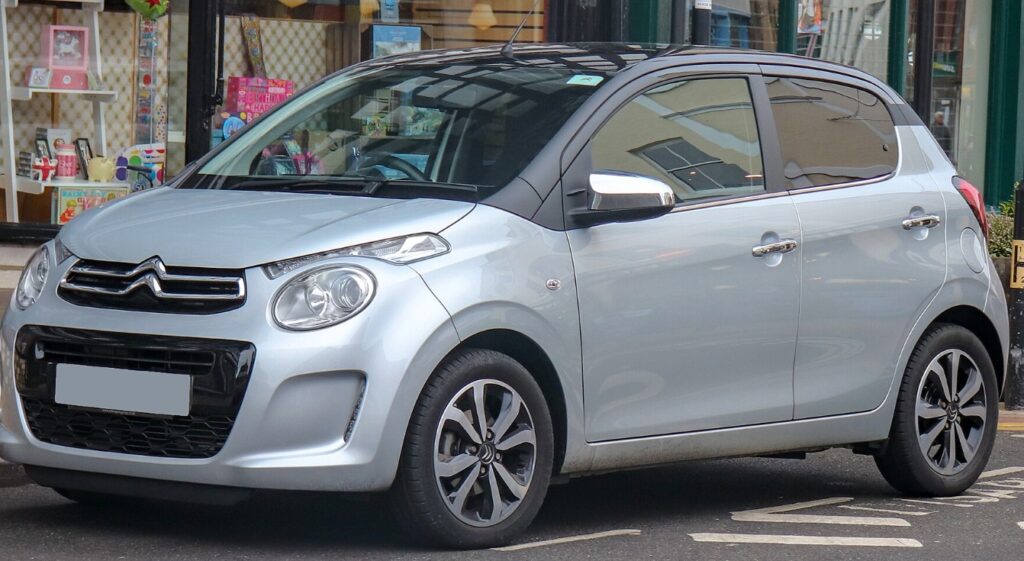
- The Citroën C1 leans toward a softer, more playful look
- The Toyota Aygo—especially newer models—features a bold “X” front design
It’s like comparing sneakers from the same factory but with different logos and colors.
Interior Styling: Subtle but Noticeable
Inside, differences become clearer:
- Dashboard layout varies slightly
- Materials and finishes differ
- Infotainment systems may not be identical
Still, the overall feel? Very, very similar.
Engine and Performance: Practically Identical
What’s Under the Hood?
Both cars typically share:
- 1.0L 3-cylinder petrol engine
- Around 67–72 horsepower
- Excellent fuel economy (often 60+ mpg)
Driving Experience
Let’s be honest:
- Light steering
- Easy maneuverability
- Perfect for city driving
They drive like two versions of the same idea—nimble, efficient, and designed for tight streets.
Reliability: Who Wins?
Toyota’s Reputation vs Citroën’s Value
Toyota has a long-standing reputation for reliability. That alone makes some buyers lean toward the Aygo.
But here’s the twist:
- Since both cars share the same mechanical components, reliability differences are minimal
- Maintenance history matters more than the badge
So, is the Aygo more reliable? On paper, maybe slightly. In real life? Not by much.
You may be interested in reading Citroen C1 vs Peugeot 107: Which Tiny City Car Should We Choose?
Features and Equipment
Trim Levels Matter More Than Brand
Both cars come in various trims, and that’s where real differences appear.
You might find:
- Better infotainment in one version
- More safety features in another
- Different customization options
It’s less about C1 vs Aygo and more about which trim you choose.
Price Comparison: Which Is Cheaper?
New vs Used Market
Generally speaking:
- The Citroën C1 tends to be slightly cheaper
- The Toyota Aygo often holds value better
Why?
Brand perception. Toyota’s reliability image boosts resale value.
Running Costs: Budget-Friendly Twins
Fuel, Insurance, and Maintenance
Both cars shine here:
- Low fuel consumption
- Cheap insurance (great for first-time drivers)
- Affordable servicing
They’re like the budget champions of the city car world.
Safety: Are They Equally Safe?
Crash Ratings and Features
Safety levels are similar, especially within the same generation.
However:
- Newer Aygos may include slightly updated safety tech
- Differences depend on year and trim
Always check the specific model year—it matters more than the brand.
Driving Comfort: Any Real Difference?
City Driving vs Long Trips
Let’s keep it real:
- Both cars excel in cities
- Both feel limited on highways
Comfort differences are minor, but:
- Seat design may vary slightly
- Noise insulation might differ a bit
Still, neither is built for luxury cruising.
Customization and Style
Aygo’s Edge in Personalization
Toyota pushed customization harder:
- Bold color options
- Unique trims
- Sporty styling elements
Citroën, meanwhile, stayed more classic and understated.
Resale Value: Who Holds Better?
Toyota’s Advantage
The Aygo usually wins here:
- Stronger brand trust
- Higher demand in used markets
But the C1 can be a smarter buy upfront.
Pros and Cons: Side-by-Side
Citroën C1 Pros
- Lower purchase price
- Same mechanical reliability
- Simple and practical
Citroën C1 Cons
- Slightly lower resale value
- Less bold styling
Toyota Aygo Pros
- Strong resale value
- Modern, eye-catching design
- Toyota reliability reputation
Toyota Aygo Cons
- Slightly more expensive
- Not significantly better mechanically
Who Should Choose the Citroën C1?
If we had to sum it up:
You may be interested in readingCitroen C1 vs Peugeot 107: Which Tiny City Car Should We Choose?You may be interested in reading
Citroen C1 vs Peugeot 107 vs Toyota Aygo: Which Tiny City Car Wins?Choose the C1 if you want:
- The best deal for your money
- A simple, no-nonsense city car
- Lower upfront cost
Who Should Choose the Toyota Aygo?
Go for the Aygo if you:
- Care about resale value
- Prefer bold, modern styling
- Trust Toyota as a brand
So… Are They Actually the Same Car?
The Honest Answer
Yes—and no.
They are:
- Mechanically almost identical
- Built on the same platform
- Designed for the same purpose
But they are also:
- Styled differently
- Branded differently
- Positioned slightly differently in the market
It’s like identical twins choosing different outfits and hairstyles—you recognize the similarity instantly, but each still has its own identity.
Final Thoughts: Which One Would We Pick?
If we’re being completely honest?
We’d base our decision on:
- Price
- Condition (if buying used)
- Trim level
Not the badge.
Because at their core, these cars are two sides of the same coin.
Conclusion: Same Heart, Different Face
So, are the Citroën C1 and Toyota Aygo the same?
They share the same heart, the same bones, and the same purpose—but they express it differently.
One leans toward value and simplicity. The other leans toward style and brand confidence.
And that’s exactly what makes this comparison so interesting.
FAQs
1. Are Citroën C1 and Toyota Aygo built in the same factory?
Yes, both were produced in the same factory in the Czech Republic alongside Peugeot models.
2. Do they use the same engine?
In most cases, yes. They share the same 1.0L petrol engine and similar performance specs.
3. Which is more reliable: C1 or Aygo?
Reliability is very similar due to shared components, though Toyota has a slightly stronger reputation.
4. Is the Toyota Aygo worth the extra money?
It can be, especially for resale value and styling—but mechanically, it’s not significantly different.
5. Which is better for first-time drivers?
Both are excellent choices thanks to low running costs, easy handling, and affordability.
You may be interested in readingCitroen C1 vs Peugeot 107: Which Tiny City Car Should We Choose?You may be interested in reading
Citroen C1 vs Peugeot 107 vs Toyota Aygo: Which Tiny City Car Wins?You may be interested in reading
Citroen C1 vs Toyota Aygo: Which Tiny City Car Should We Choose?If you want to know other articles similar to Are Citroën C1 and Toyota Aygo the Same? The Truth Behind These Twin City Cars you can visit the category Models.
Nissan Rogue Dark Armor vs Platinum: Which Trim Is Better?

Kia Sorento Models: Complete Guide to Trims, Engines and Versions
BYD Shark 6 vs Ranger vs HiLux: Which Ute Makes the Most Sense in 2026?
BYD Shark 6 vs MG U9: Which Ute Makes More Sense in 2026?
BYD Shark 6 vs Ford Ranger Raptor: Which Performance Ute Is Better in 2026?
BYD Shark 6 vs Kia Tasman: Which Ute Is Better?
Leave a Reply
More content of your interest