

Citroen C1 vs Peugeot 107 vs Toyota Aygo: Which Tiny City Car Wins?

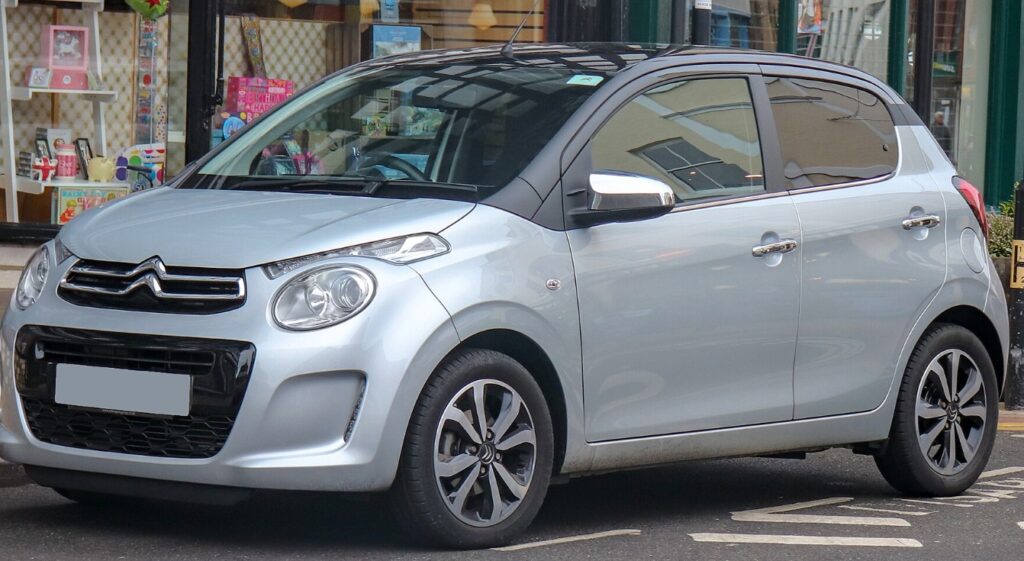
When we talk about small city cars that punch above their weight, three names often roll into the conversation together: Citroen C1, Peugeot 107, and Toyota Aygo. And honestly, they should. These three little cars are like siblings wearing different jackets. They share a lot beneath the skin, yet each one has its own personality, quirks, strengths, and reasons why a buyer might choose it over the others.
If we are shopping for a cheap first car, a simple daily runabout, a student-friendly hatchback, or a low-cost commuter, this trio deserves serious attention. They are compact, easy to park, fuel-efficient, and generally affordable to maintain. But here is the big question: which one is actually the best?
At first glance, comparing the Citroen C1 vs Peugeot 107 vs Toyota Aygo can feel like choosing between three cups of coffee from the same machine. Similar ingredients, similar size, similar purpose. But once we start driving, owning, repairing, and living with them, subtle differences begin to matter.
So, let’s break it all down properly.
Content in this publication
- Citroen C1 vs Peugeot 107 vs Toyota Aygo: The Quick Verdict
- Why These Three Cars Are So Similar
- Exterior Design: Same Recipe, Different Seasoning
- Interior Quality: Basic, Simple, and Honest
- Comfort: Fine in Town, Less Impressive on Long Trips
- Practicality: Small Car, Small Boot, Big Convenience
- Engine and Performance: Slow but Sensible
- Fuel Economy: One of Their Biggest Strengths
- Reliability: Is the Toyota Aygo More Reliable?
- Citroen C1 Reliability
- Peugeot 107 Reliability
- Toyota Aygo Reliability
- Running Costs: All Three Are Wallet-Friendly
- Insurance: Great for New Drivers
- Maintenance: Simple Cars Are Usually Better Cars
- Driving in the City: This Is Their Natural Habitat
- Motorway Driving: Manageable, But Not Magical
- Safety: Basic by Modern Standards
- Used Market Value: Which One Is Cheapest?
- Citroen C1 vs Peugeot 107 vs Toyota Aygo: Key Differences Table
- Which One Is Best for New Drivers?
- Which One Is Best for Students?
- Which One Is Best for Commuting?
- Common Problems to Check Before Buying
- Manual vs Automatic: Which Should We Choose?
- Three-Door vs Five-Door: Which Is Better?
- Resale Value: Toyota Aygo Has the Edge
- Citroen C1 vs Peugeot 107 vs Toyota Aygo: Which Should We Avoid?
- Best Choice by Buyer Type
- Our Final Ranking
- Conclusion: Three Small Cars, One Big Lesson
- FAQs About Citroen C1 vs Peugeot 107 vs Toyota Aygo
Citroen C1 vs Peugeot 107 vs Toyota Aygo: The Quick Verdict
If we had to keep things simple, here is the quick takeaway.
The Toyota Aygo is usually the strongest pick for buyers who want the most trusted badge, slightly better resale appeal, and a sharper-looking city car. The Citroen C1 is often the best value choice, especially if we want cheap insurance, low running costs, and a softer image. The Peugeot 107 sits somewhere in the middle, offering the same core mechanical package with a slightly different design flavor.
In real-world terms, none of these cars is dramatically better than the others mechanically. They were developed together, built around the same platform, and designed to do the same job: make city driving cheap, easy, and stress-free.
Still, small differences can tip the scale.
Best Overall Choice
The Toyota Aygo often wins overall because it combines the shared reliability of the trio with Toyota’s stronger reputation and better brand confidence.
Best Budget Buy
The Citroen C1 is a smart pick if we are hunting for the lowest purchase price and do not care too much about badge prestige.
Best Alternative Pick
The Peugeot 107 is ideal if we find a clean, well-maintained example at the right price. It is simple, charming, and just as capable as its siblings.
Why These Three Cars Are So Similar
Before we start separating them, we need to understand why the Citroen C1, Peugeot 107, and Toyota Aygo are so closely related.
These cars were created through a joint project between Toyota and PSA Peugeot Citroen. That means they share the same basic structure, many of the same mechanical parts, and similar engines. Think of them as three cousins raised in the same house. They speak the same language, eat the same food, and probably borrow each other’s shoes.
The first-generation versions are especially close. Underneath the styling differences, they use much of the same engineering. That is good news for buyers because parts availability is strong, servicing is straightforward, and many independent garages are familiar with them.
All three cars generally offer:
- Compact city-friendly dimensions
- Low fuel consumption
- Affordable insurance
- Simple mechanical design
- Easy parking
- Cheap replacement parts
- Good reliability when maintained properly
They also share some common limitations:
- Basic interior quality
- Limited rear-seat space
- Small boot capacity
- Noisy motorway driving
- Modest performance
- Light build feel compared with larger cars
In other words, they are not luxury cars. They are practical little tools. Like a pocketknife, they are small, handy, and surprisingly useful when we understand what they are made for.
Exterior Design: Same Recipe, Different Seasoning
The styling is where most people first notice the difference between the three.
The Citroen C1 has the friendliest face. It looks cheerful, soft, and approachable. It does not try too hard. It is the sort of car that seems happy to zip around town, squeeze into tiny parking spaces, and sip fuel like it is on a diet.
The Peugeot 107 has a slightly more upright, cheeky look. It feels a bit more mature than the C1, but still playful. Its front end gives it a small but confident expression.
The Toyota Aygo, especially in later versions, tends to look the boldest. Toyota gave it sharper styling, more visual drama, and a slightly sportier attitude. If the C1 is the friendly neighbor and the 107 is the sensible cousin, the Aygo is the one wearing sunglasses indoors.
Which One Looks Best?
This depends on taste, but many buyers find the Toyota Aygo the most distinctive. The Citroen C1 is charming and understated, while the Peugeot 107 has a simple and clean look.
If image matters, the Aygo has the edge. If we only care about value, styling probably should not decide the purchase.
Interior Quality: Basic, Simple, and Honest
Inside, all three cars are very similar. We should not expect soft-touch dashboards, plush materials, or a premium cabin. These are budget city cars, and they feel like it.
But that is not necessarily a bad thing.
The cabin layout is simple. Controls are easy to understand. Visibility is good. The seating position is upright. Everything feels designed for quick errands, short commutes, school runs, and urban driving.
Citroen C1 Interior
The Citroen C1 feels light and cheerful. Depending on trim, it can look a little plain, but the cabin does the job. It is easy to clean, easy to use, and not filled with unnecessary complexity.
Peugeot 107 Interior
The Peugeot 107 has a similar layout, with small differences in trim and details. It can feel slightly more mature than the C1, though not dramatically better.
Toyota Aygo Interior
The Toyota Aygo often feels a little more stylish, especially in later models. Toyota leaned into the youthful design, giving it more personality. Still, the materials remain basic.
Comfort: Fine in Town, Less Impressive on Long Trips
Let’s be honest. These cars are not built for grand touring. They are happiest in the city, where low speeds, tight streets, and short trips make their compact size shine.
Around town, the ride is acceptable. The suspension is firm enough to keep the car stable, but not so harsh that every pothole feels like a personal attack. On rough roads, though, we will notice their small-car nature.
At motorway speeds, things become less relaxing. Road noise, wind noise, and engine noise all enter the cabin. The car can feel light, especially in strong winds. Long-distance driving is possible, but not luxurious.
Best for Comfort
Among the three, there is no huge comfort winner. Condition matters more than badge. A well-maintained Citroen C1 with good tyres may feel better than a tired Toyota Aygo with worn suspension.
Practicality: Small Car, Small Boot, Big Convenience
Practicality is a mixed bag.
For city life, these cars are brilliant. They are short, narrow, and easy to place on the road. Parking is almost laughably simple. We can fit into spaces that larger hatchbacks would not even attempt.
But storage space is limited. The boot is small, and rear-seat room is tight. Adults can sit in the back for short trips, but nobody will thank us after a long journey.
Everyday Practical Uses
These cars make sense for:
- First-time drivers
- Students
- Commuters
- City workers
- Small households
- Delivery-style local errands
- Second-car duties
Where They Struggle
They are less suitable for:
- Large families
- Regular motorway driving
- Carrying bulky luggage
- Long road trips with four adults
- Drivers wanting strong performance
Engine and Performance: Slow but Sensible
Most versions are powered by a small 1.0-litre petrol engine. It is not fast, but it is efficient and reliable when looked after.
Acceleration is modest. We need to plan overtakes carefully, especially on faster roads. In the city, though, the engine feels lively enough because the car is light. It can dart through traffic with a kind of eager puppy energy.
The manual gearbox is generally the better choice if we want more control and fewer potential issues. Automated manual versions can feel jerky and less pleasant, especially in stop-start traffic.
Driving Feel
The cars feel light, nimble, and easy to handle. Steering is simple, visibility is strong, and the turning circle makes urban driving easy. They are not sporty in the traditional sense, but there is fun in driving something so small and direct.
Fuel Economy: One of Their Biggest Strengths
Fuel economy is one of the main reasons people love these cars.
The Citroen C1, Peugeot 107, and Toyota Aygo are all designed to use very little fuel. In normal use, they can be impressively economical, especially if we drive gently and keep up with maintenance.
You may be interested in reading Citroen C1 vs Toyota Aygo: Which Tiny City Car Should We Choose?
They are ideal for people tired of watching the fuel gauge drop like a stone. These little cars sip rather than gulp.
How to Get the Best Fuel Economy
To keep running costs low, we should:
- Maintain correct tyre pressure
- Service the car on schedule
- Avoid carrying unnecessary weight
- Drive smoothly
- Keep revs sensible
- Use quality oil
- Fix engine warning lights early
A neglected small car can become surprisingly thirsty. A well-kept one, however, can feel like a tiny financial relief machine.
Reliability: Is the Toyota Aygo More Reliable?
This is where things get interesting.
Because the three cars share so much engineering, their reliability is broadly similar. However, many buyers trust the Toyota Aygo more because of Toyota’s reputation. That does not automatically mean every Aygo is better than every C1 or 107, but it does influence buyer confidence and resale value.
The 1.0-litre petrol engine is generally durable. These cars can handle high mileage if serviced properly. The key is maintenance history. A neglected Aygo is not better than a carefully maintained C1 just because it wears a Toyota badge.
Common Reliability Strengths
The trio benefits from:
- Simple engine design
- Low-cost parts
- Good mechanical accessibility
- Strong fuel efficiency
- Fewer complex systems than larger cars
Common Reliability Concerns
Things to check include:
- Clutch wear
- Exhaust corrosion
- Water leaks
- Suspension knocks
- Worn brakes
- Battery condition
- Gearbox feel
- Warning lights
- Poor maintenance history
Citroen C1 Reliability
The Citroen C1 is generally dependable. It may not have the same resale confidence as the Toyota Aygo, but mechanically it is closely related. That makes it a smart buy when priced correctly.
The main thing is to avoid rough, neglected examples. Because these cars are cheap to buy, some owners skip maintenance. That is where problems begin.
Why Choose the Citroen C1?
The C1 is a great option if we want:
- Low purchase cost
- Cheap insurance
- Simple city driving
- Easy maintenance
- Good fuel economy
- Friendly styling
Peugeot 107 Reliability
The Peugeot 107 is also a strong little car. It shares the same basic formula and is usually inexpensive to run. Like the C1, it can be excellent if maintained well.
The 107 sometimes gets overlooked compared with the Aygo, which can make it better value on the used market.
Why Choose the Peugeot 107?
The 107 makes sense if we want:
- A cheap used city car
- Simple mechanicals
- Low fuel bills
- Compact dimensions
- A practical first car
Toyota Aygo Reliability
The Toyota Aygo has the strongest image for reliability. Buyers often feel safer choosing Toyota, and that can help when it is time to sell the car.
However, we should still inspect it carefully. Badge reputation does not replace service records.
Why Choose the Toyota Aygo?
The Aygo is ideal if we want:
- Strong brand trust
- Better resale appeal
- Distinctive styling
- Proven mechanical simplicity
- A confident used-car choice
Running Costs: All Three Are Wallet-Friendly
Running costs are where these cars shine like coins in sunlight.
Insurance is usually low. Fuel use is low. Tyres are small and affordable. Servicing is simple. Replacement parts are easy to find. For many drivers, that combination is exactly what matters.
Compared with larger hatchbacks, these cars can feel refreshingly cheap to own. They are not glamorous, but they are financially sensible. And sometimes sensible is exactly what we need.
Typical Ownership Costs to Consider
When comparing the Citroen C1 vs Peugeot 107 vs Toyota Aygo, remember to budget for:
- Annual servicing
- MOT or roadworthiness inspection
- Tyres
- Brake pads and discs
- Battery replacement
- Insurance
- Road tax or local registration costs
- Occasional suspension repairs
Insurance: Great for New Drivers
For first-time drivers, insurance can be brutal. That is why these cars are so popular. Their small engines, modest performance, and city-car classification usually make them affordable to insure.
The Citroen C1 may sometimes be the cheapest to buy and insure, depending on market and trim. The Peugeot 107 is also very competitive. The Toyota Aygo may cost slightly more to buy, but insurance differences are often small.
Best First Car Choice
All three are good first cars, but the Toyota Aygo may feel like the safest recommendation overall. The Citroen C1 may be the smartest budget-first option.
Maintenance: Simple Cars Are Usually Better Cars
Modern cars can sometimes feel like rolling computers. These three are different. They are simple, honest machines. That makes maintenance less intimidating and usually less expensive.
Basic servicing is straightforward. Oil changes, filters, brakes, tyres, spark plugs, and batteries are all normal small-car jobs. Independent garages should have no trouble working on them.
Maintenance Tips
To keep any of these cars healthy, we should:
- Change oil regularly
- Use the correct coolant
- Check clutch operation
- Inspect for leaks
- Listen for suspension knocks
- Keep tyres properly inflated
- Replace worn wipers
- Fix warning lights quickly
- Avoid ignoring unusual noises
Small problems become expensive when ignored. That is true for any car, but especially for cheap used cars where previous owners may have delayed repairs.
Driving in the City: This Is Their Natural Habitat
City driving is where these cars feel at home.
They are easy to thread through narrow streets. Parking is simple. Visibility is good. The light steering makes low-speed driving effortless. In traffic, they feel small in the best possible way.
This is the environment where the Citroen C1, Peugeot 107, and Toyota Aygo make the most sense. They do not need huge engines or luxury interiors to shine here. Their strength is simplicity.
Why They Work So Well in Town
They are good city cars because they offer:
- Compact size
- Easy parking
- Low fuel use
- Light controls
- Good visibility
- Cheap running costs
- Simple ownership
Motorway Driving: Manageable, But Not Magical
Can we drive these cars on the motorway? Yes.
Will they feel relaxed and powerful? Not really.
At higher speeds, the small engine works harder. Cabin noise increases. Overtaking takes patience. The lightweight body can feel more exposed than in a larger hatchback.
That does not make them bad cars. It simply means we need to use them as intended. They are urban specialists, not long-distance cruisers.
Best for Occasional Motorway Use
If we only do occasional motorway trips, any of the three can cope. But if we drive long distances every week, a larger car may be a better choice.
Safety: Basic by Modern Standards
Safety is one area where expectations matter.
When new, these cars offered reasonable city-car safety for their class. But compared with modern vehicles, they can feel basic. Later models and higher trims may include more safety equipment, but early versions are simple.
For low-speed city driving, they are acceptable. For regular high-speed travel, we may prefer something bigger and newer.
Safety Features to Look For
Depending on year and trim, check for:
- ABS
- Airbags
- Stability control
- Isofix child-seat points
- Good tyre condition
- Working lights
- Strong brakes
Safety is not only about crash ratings. Maintenance matters too. A car with worn tyres and weak brakes is never a safe car.
Used Market Value: Which One Is Cheapest?
In many markets, the Citroen C1 and Peugeot 107 are often cheaper than the Toyota Aygo. The Toyota badge tends to hold value better, which is good for sellers but not always great for bargain hunters.
This creates an interesting situation. If we are buying used, the C1 or 107 may offer better value because we get nearly the same car for less money.
You may be interested in readingCitroen C1 vs Toyota Aygo: Which Tiny City Car Should We Choose?You may be interested in reading
Citroen C1 vs Peugeot 108: Which Tiny City Car Deserves Your Money?Best Value Strategy
Instead of choosing only by badge, compare individual cars. Look at:
- Mileage
- Service history
- Number of owners
- MOT history or inspection record
- Clutch condition
- Body condition
- Tyre quality
- Interior wear
- Accident history
A clean Peugeot 107 can be better than a tired Toyota Aygo. A well-serviced Citroen C1 can be the smartest buy of the three.
Citroen C1 vs Peugeot 107 vs Toyota Aygo: Key Differences Table
| Category | Citroen C1 | Peugeot 107 | Toyota Aygo |
|---|---|---|---|
| Best for | Budget buyers | Value seekers | Reliability-focused buyers |
| Styling | Friendly and soft | Simple and cheeky | Boldest and sharpest |
| Running costs | Very low | Very low | Very low |
| Resale value | Usually lower | Usually lower | Usually stronger |
| Reliability image | Good | Good | Strongest |
| Interior feel | Basic | Basic | Slightly more stylish |
| City driving | Excellent | Excellent | Excellent |
| Motorway comfort | Limited | Limited | Limited |
| Best used buy? | Yes, if cheap and clean | Yes, if maintained | Yes, if priced fairly |
Which One Is Best for New Drivers?
For new drivers, all three are excellent choices. They are easy to control, cheap to run, and not intimidating. The small size helps build confidence, especially when parking or navigating tight streets.
The Toyota Aygo may be the most reassuring because of the badge. The Citroen C1 may be the most affordable. The Peugeot 107 may be the hidden gem if we find one in good condition.
Our First-Car Ranking
For first-time drivers, we would rank them like this:
- Toyota Aygo – best all-rounder and easiest to recommend
- Citroen C1 – best for tight budgets
- Peugeot 107 – great if condition and price are right
But honestly, the condition of the car matters more than the badge on the bonnet.
Which One Is Best for Students?
Students usually need three things: low cost, reliability, and easy parking. This trio ticks all three boxes.
The Citroen C1 may be especially attractive because it can be cheaper to buy. The Peugeot 107 is also a strong student car. The Toyota Aygo may cost more upfront but could be easier to sell later.
Student-Friendly Benefits
These cars work well for students because they are:
- Cheap to fuel
- Easy to park
- Simple to repair
- Affordable to insure
- Small enough for campus or city life
- Practical enough for everyday use
Which One Is Best for Commuting?
For short commutes, any of the three is excellent. They are efficient, easy to drive, and cheap to maintain.
For longer commutes involving motorways, we would be more cautious. They can do it, but they are not the most relaxing cars for daily high-speed travel.
Best Commuter Pick
The Toyota Aygo gets the slight edge because of its stronger resale and brand reputation, but a cheaper C1 or 107 could be the better financial decision.
Common Problems to Check Before Buying
Because these cars are often bought as cheap runabouts, some examples suffer from neglect. A careful inspection is essential.
Buyer Checklist
Before buying a Citroen C1, Peugeot 107, or Toyota Aygo, check:
- Clutch bite point
- Smooth gear changes
- Engine starting from cold
- Exhaust noise or corrosion
- Signs of water leaks
- Dashboard warning lights
- Uneven tyre wear
- Brake condition
- Suspension knocks
- Service history
- Air conditioning operation
- Door seals and boot seals
- Battery age
- Interior damp smells
A cheap car is only cheap if it does not immediately need a mountain of repairs.
Manual vs Automatic: Which Should We Choose?
Manual is usually the better option for these cars.
The automated manual versions can feel slow and jerky. They are not traditional smooth automatics. In city traffic, that can become annoying. Manual versions tend to be simpler, more enjoyable, and often cheaper to maintain.
Best Choice
Choose the manual gearbox unless we specifically need an automatic-style setup. Even then, test drive it carefully before buying.
Three-Door vs Five-Door: Which Is Better?
Many versions were available in three-door and five-door body styles. The three-door looks a little cleaner and may be cheaper. The five-door is more practical, especially if we regularly carry passengers.
Choose Three-Door If
We mostly drive alone or with one passenger and want the cheapest option.
Choose Five-Door If
We carry friends, children, pets, or bags often. The extra doors make everyday life easier.
Resale Value: Toyota Aygo Has the Edge
The Toyota Aygo usually performs best for resale. Toyota’s reputation helps it stay desirable. Buyers often feel more confident with the Toyota badge, even though the C1 and 107 share much of the same engineering.
That said, paying too much for an Aygo can erase the resale advantage. If a Citroen C1 costs significantly less and is in better condition, it may still be the smarter buy.
The Real Rule
Buy condition first, badge second.
Citroen C1 vs Peugeot 107 vs Toyota Aygo: Which Should We Avoid?
We would not avoid any of them automatically. Instead, avoid bad examples.
Stay away from cars with:
- No service history
- Slipping clutch
- Serious rust or corrosion
- Persistent warning lights
- Overheating issues
- Damp interior
- Poor accident repairs
- Very noisy engines
- Jerky automated gearbox behavior
A well-kept city car is a joy. A neglected one can become a tiny headache with wheels.
Best Choice by Buyer Type
For the Cheapest Purchase
Choose the Citroen C1.
For Best Brand Confidence
Choose the Toyota Aygo.
For an Underrated Bargain
Choose the Peugeot 107.
For Resale Value
Choose the Toyota Aygo.
For First-Time Drivers
Choose the Toyota Aygo or Citroen C1.
For Simple Urban Use
Any of the three works beautifully.
Our Final Ranking
Here is our realistic ranking:
- Toyota Aygo
- Citroen C1
- Peugeot 107
But this ranking comes with a big note. The best car is not always the best badge. The best car is the one with the cleanest history, healthiest engine, smoothest clutch, fairest price, and most honest seller.
If we find a spotless Peugeot 107 and a rough Toyota Aygo, we should buy the Peugeot. If we find a clean Citroen C1 at a bargain price, it may be the smartest move of all.
Conclusion: Three Small Cars, One Big Lesson
The Citroen C1, Peugeot 107, and Toyota Aygo prove that small cars do not have to be boring. They are simple, affordable, and surprisingly useful. They will not impress anyone at a luxury hotel entrance, but they might save us hundreds or even thousands in running costs.
The Toyota Aygo is the easiest to recommend overall. It has the strongest badge, sharp styling, and good resale appeal. The Citroen C1 is the value champion, especially for budget-conscious buyers. The Peugeot 107 is the quiet contender, often overlooked but just as capable when maintained well.
So, which one should we buy?
If we want the safest all-round answer, go for the Toyota Aygo.
If we want the best cheap city car deal, look hard at the Citroen C1.
If we find a clean Peugeot 107, do not ignore it.
In the end, these cars are like three keys cut from the same metal. Different shapes, same purpose. The right one is the one that unlocks the easiest, cheapest, and least stressful ownership experience for us.
FAQs About Citroen C1 vs Peugeot 107 vs Toyota Aygo
1. Are the Citroen C1, Peugeot 107, and Toyota Aygo the same car?
They are not exactly the same car, but they are very closely related. They share a platform, many mechanical parts, and similar engines. The main differences are styling, trim details, badge reputation, and used-market pricing.
2. Which is more reliable: Citroen C1, Peugeot 107, or Toyota Aygo?
The Toyota Aygo usually has the strongest reliability image because of the Toyota badge. However, mechanically, all three are very similar. A well-maintained Citroen C1 or Peugeot 107 can be just as dependable as an Aygo.
3. Is the Toyota Aygo better than the Citroen C1?
The Toyota Aygo may be better for resale value and buyer confidence. The Citroen C1 may be better for purchase price and overall value. The best choice depends on condition, mileage, service history, and price.
You may be interested in readingCitroen C1 vs Toyota Aygo: Which Tiny City Car Should We Choose?You may be interested in reading
Citroen C1 vs Peugeot 108: Which Tiny City Car Deserves Your Money?You may be interested in reading
Citroen C1 vs Hyundai i10: Which Small City Car Makes More Sense?4. Is the Peugeot 107 a good first car?
Yes, the Peugeot 107 can be an excellent first car. It is small, easy to park, cheap to run, and simple to maintain. Just make sure the clutch, gearbox, brakes, and service history are in good condition before buying.
5. Which should I buy: Citroen C1, Peugeot 107, or Toyota Aygo?
Buy the Toyota Aygo if we want the strongest badge and resale value. Buy the Citroen C1 if we want the cheapest good example. Buy the Peugeot 107 if we find one in excellent condition at a fair price.
If you want to know other articles similar to Citroen C1 vs Peugeot 107 vs Toyota Aygo: Which Tiny City Car Wins? you can visit the category Models.
Honda Passport vs Toyota 4Runner: Which SUV Is Better?
Honda Passport vs Ford Bronco: Which SUV Is Better?
Honda Passport vs Ford Explorer: Which SUV Is Better?
Honda Passport or Pilot: Which SUV Is Better?
Honda Passport vs Jeep Grand Cherokee: Which SUV Is Better?
Honda Passport vs Nissan Pathfinder: Which SUV Is Better?
Leave a Reply
More content of your interest