
BMW 2 Series vs Audi A4: Which Is Better Value in the UK?

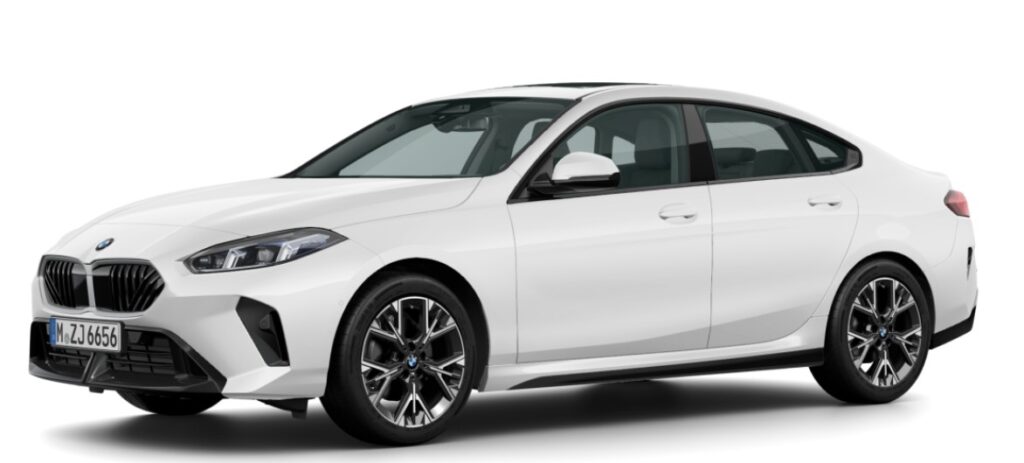
Choosing between the BMW 2 Series and Audi A4 is not as straightforward as comparing two identically sized saloons. These cars occupy different corners of the premium market, appeal to different personalities, and make their value arguments in very different ways.
The BMW 2 Series Coupé is compact, athletic and unapologetically driver-focused. It is the sort of car we buy because the long bonnet, low seating position and rear-wheel-drive character make an ordinary journey feel slightly more special. The Audi A4, meanwhile, is larger, quieter and considerably more practical. It behaves like a premium all-rounder: polished enough for business use, comfortable enough for long motorway journeys and spacious enough for family duties.
There is another important detail for UK buyers. Audi’s current new-car range has moved beyond the traditional A4 name, with the newer A5 effectively occupying its former position. Although Audi UK still maintains information for the A4 and remaining cars may appear in dealer stock, the model is no longer listed among Audi UK’s principal current models. That makes this comparison particularly relevant to buyers considering a new BMW 2 Series against a nearly new, used or remaining-stock Audi A4.
So, which represents the smarter use of our money? Let us pull the two cars apart—not with spanners, thankfully, but with a close look at price, equipment, comfort, performance and long-term ownership.
Content in this publication
- BMW 2 Series vs Audi A4 at a Glance
- Are the BMW 2 Series and Audi A4 Direct Rivals?
- UK Price Comparison
- Which Car Offers Better Standard Equipment?
- Interior Quality and Cabin Design
- Front-Seat Comfort
- Rear Seats and Family Practicality
- Boot Space and Everyday Usability
- Driving Experience
- Engine Choices and Performance
- Fuel Economy and Running Costs
- Ride Comfort and Motorway Refinement
- Technology and Infotainment
- Safety and Driver Assistance
- Reliability and Maintenance Considerations
- Depreciation and Resale Value
- Which Car Feels More Special?
- Which Offers Better Value for a Private Buyer?
- Best Versions to Consider
- BMW 2 Series vs Audi A4: Final Verdict
- Frequently Asked Questions
BMW 2 Series vs Audi A4 at a Glance
Before diving into the details, here is the broad picture:
| Category | BMW 2 Series Coupé | Audi A4 Saloon |
|---|---|---|
| Vehicle type | Compact two-door premium coupé | Mid-size four-door premium saloon |
| Best suited to | Enthusiastic drivers, couples, style-focused buyers | Families, business drivers, motorway users |
| Driving character | Agile, sporty and involving | Stable, refined and composed |
| Rear-seat access | Restricted by two-door body | Easy through four conventional doors |
| Boot capacity | 390 litres | Generally more practical and easier to use |
| Engine character | Strong petrol choices, including six-cylinder M240i | Broad petrol and diesel selection |
| Main value advantage | Driving enjoyment and distinctive styling | Space, comfort and used-market affordability |
| Biggest compromise | Tight rear accommodation | Less playful than the BMW |
| Best purchase route | New, nearly new or used | Remaining stock, nearly new or used |
BMW lists the 2 Series Coupé at 4,537 mm long, with a 2,741 mm wheelbase and a 390-litre luggage compartment. Those dimensions underline its role as a compact coupé rather than a direct A4-sized family car.
Are the BMW 2 Series and Audi A4 Direct Rivals?
Not exactly—and that is what makes the comparison interesting.
The Audi A4 traditionally competed more directly with the BMW 3 Series. It is a larger executive saloon designed to balance comfort, interior space and professional polish. The BMW 2 Series Coupé sits one rung below the 3 Series in size and prioritises sportiness over passenger-carrying ability.
However, real buyers do not always shop according to neat manufacturer categories. A person with roughly £30,000 to £40,000 may easily find themselves choosing between:
- A new or nearly new BMW 220i Coupé
- A used BMW M240i
- A nearly new Audi A4 S line
- A used Audi A4 Black Edition
- A remaining-stock A4 with a dealer discount
That makes the comparison less about segment labels and more about priorities. Do we want a smaller car that feels exciting, or a larger car that gives us more for our money in practical terms?
Which BMW 2 Series Are We Comparing?
The 2 Series name covers several very different vehicles, including the two-door Coupé, four-door Gran Coupé and Active Tourer. For this article, the main comparison is based on the BMW 2 Series Coupé, because that is the version most buyers mean when discussing the model’s traditional driving appeal.
The current 2 Series Coupé uses classic coupé proportions, including a long bonnet, short overhangs and a rear-set passenger compartment. BMW also offers an eight-speed Steptronic Sport automatic transmission and, depending on the model, performance features such as adaptive suspension and an M Sport differential.
Buyers who need four doors should also consider the BMW 2 Series Gran Coupé. It is more practical than the Coupé, but it still does not offer the same cabin space or mature motorway character as an Audi A4.
UK Price Comparison
Price is where the contest becomes complicated.
A factory-new BMW 2 Series is easier to order and configure because it remains part of BMW’s active UK range. The Audi A4, by contrast, is now primarily a used, nearly new or remaining-stock proposition. We therefore cannot simply place two current entry-level list prices side by side and declare a winner.
The BMW 2 Series Coupé range stretches from more accessible four-cylinder models to the considerably more powerful M240i xDrive. BMW currently quotes the M240i xDrive Coupé from £50,215, with 392 hp and a claimed 0–62 mph time of 4.3 seconds.
The more sensible value comparison for most buyers is between a BMW 220i and a late Audi A4 35 TFSI or 40 TFSI. On the used market, the A4 may cost less than a similarly aged 2 Series despite originally belonging to a larger vehicle class. That can make the Audi look like a luxury bargain.
Why the Audi A4 Can Look Cheaper
Large premium saloons often depreciate more heavily than smaller, sportier cars. Fleet registrations, company-car use and a steady supply of three- or four-year-old examples can push used prices down.
That means our budget may buy an A4 with:
- More rear-seat space
- Four proper doors
- A larger, more usable cabin
- Strong motorway refinement
- A higher original list price
- Desirable S line or Black Edition specification
The catch is that a cheap premium car does not automatically become a cheap car to own. Tyres, insurance, servicing and replacement parts still reflect its premium origins.
Why the BMW Can Justify Its Price
The BMW 2 Series does not attempt to win by offering the most metal for every pound. Its appeal is emotional.
We are paying for:
- Traditional coupé proportions
- A more intimate driving position
- Sharper responses
- Rear-wheel-drive character on most Coupé versions
- Greater visual distinction
- Strong enthusiast demand
A 2 Series Coupé can feel like a carefully chosen personal purchase. An A4 often feels like the more rational tool. Neither approach is wrong, but they produce different kinds of value.
Which Car Offers Better Standard Equipment?
Specification varies by model year and trim, so buyers should inspect the exact car rather than relying on the badge alone.
Audi typically offered the A4 in trims such as Sport, S line and Black Edition. Audi Drive Select was standard across the A4 range, while S line and Black Edition versions received sports suspension as standard. The range could also be equipped with upgraded technology packages, digital displays and additional driver-assistance features.
The BMW 2 Series generally provides a modern digital cockpit, automatic transmission and the equipment expected from a current premium coupé. However, some of the most attractive features may depend on trim level or optional packages.
Equipment Worth Checking on the BMW
When shopping for a BMW 2 Series, we should look for:
- Heated front seats
- Adaptive LED headlights
- Reversing camera
- Parking Assistant
- Harman Kardon audio
- Adaptive M suspension
- M Sport seats
- Head-up display
- Driving Assistant safety package
- Comfort Access
Equipment Worth Checking on the Audi
On an Audi A4, desirable features include:
- Audi Virtual Cockpit
- Heated front seats
- Reversing camera
- Front and rear parking sensors
- Matrix LED headlights
- Adaptive cruise control
- Bang & Olufsen audio
- Technology Pack
- Comfort and Sound Pack
- Electrically adjustable seats
A used A4 with several option packs can offer astonishing equipment for its current market value. Nevertheless, a low-priced car with a basic specification may feel less special than its S line bodywork suggests.
Interior Quality and Cabin Design
Audi built much of the A4’s reputation on understated cabin quality. Its dashboard is logically arranged, the materials generally feel robust and the seating position suits long journeys. It may not look as theatrical as some newer interiors, but there is a reassuring solidity to it—like a well-made watch that does not need flashing lights to prove its worth.
The BMW 2 Series feels more intimate. The dashboard wraps around the driver, the seating position is lower and the controls reinforce the sense that the car has been designed from the driver’s seat outwards.
The answer depends on what we associate with luxury.
The Audi feels more spacious, mature and businesslike. Its cabin has room to breathe, and the wider body contributes to a stronger sense of substance.
The BMW feels sportier and more personal. Its cockpit may be more visually modern, especially in the latest version, but the smaller cabin cannot match the A4’s spaciousness.
For material quality alone, a well-specified A4 remains highly competitive. For digital presentation and driver focus, the newer BMW has the advantage.
Front-Seat Comfort
Both cars can be comfortable in the front, but they achieve comfort differently.
The Audi’s seats tend to suit longer journeys. The driving position is natural, visibility is relatively good and motorway refinement reduces fatigue. Its calmer suspension tuning also makes it easier to relax after several hours behind the wheel.
The BMW places us lower and closer to the action. Supportive M Sport seats can hold the body securely through bends, but large wheels and sports suspension may make the ride firmer on broken UK roads.
Think of the Audi as a quiet hotel lounge and the BMW as a fitted leather jacket. One lets us settle in; the other makes us feel ready to move.
Rear Seats and Family Practicality
There is no meaningful contest here: the Audi A4 wins.
The A4 has four doors, a longer body and substantially easier rear access. Adults can use the back seats without folding a front seat forward or performing the sort of manoeuvre usually reserved for yoga classes.
You may be interested in reading BMW 2 Series vs Mercedes A-Class: Which Performs Better?
The BMW 2 Series Coupé technically provides rear seating, but it works best for children, occasional passengers or shorter journeys. The sloping roofline and compact wheelbase limit both access and headroom.
Can the BMW 2 Series Work as a Family Car?
It can, but only for the right family.
A couple with one young child may manage perfectly well, especially if they rarely carry additional passengers. However, fitting a child seat through the front door and leaning into the rear cabin can become tiresome.
The Audi is the obvious choice for:
- Regularly carrying adults
- Installing child seats
- School runs
- Family holidays
- Taxi duties for teenagers
- Transporting elderly passengers
The BMW suits buyers who view rear seats as an occasional bonus rather than a daily requirement.
Boot Space and Everyday Usability
The BMW 2 Series Coupé provides 390 litres of luggage capacity. That is useful for a compact coupé and sufficient for supermarket shopping, weekend bags or a modest airport run.
The opening, however, is less practical than the Audi’s saloon boot, and the BMW’s rear seats do not compensate for its tighter passenger compartment.
The A4 is better suited to bulky luggage, work equipment and family travel. Buyers seeking even greater versatility can look at the A4 Avant, which combines the same refined character with an estate body. Audi’s A4 Avant was available with engines producing up to 204 PS in mainstream form, including a 40 TDI quattro variant.
Driving Experience
This is where the BMW begins to fight back—and fight hard.
The 2 Series Coupé feels smaller around the driver. Its steering is quicker, its body movements are more controlled and its layout encourages us to take the scenic route home. Even the less powerful versions feel purpose-built rather than merely adequate.
BMW offers the Coupé with an eight-speed Steptronic Sport transmission, while selected versions can be equipped with an M Sport differential and adaptive M suspension. Those ingredients support a genuinely performance-oriented character.
The Audi A4 is composed rather than playful. It grips confidently, tracks cleanly along the motorway and remains stable in poor weather. Quattro-equipped versions add all-wheel-drive traction, but the car rarely communicates with the driver as vividly as the BMW.
Which Is More Fun on British Roads?
The BMW.
On a winding B-road, its compact size and driver-focused balance make it the more entertaining companion. It feels eager, while the Audi feels disciplined.
However, enjoyment does not always mean attacking corners. If our idea of a good drive is covering 250 motorway miles quietly and arriving without backache, the Audi may be more satisfying.
Which Is Easier Around Town?
The BMW’s shorter length makes it easier to position in narrow streets and compact parking spaces. Its 4,537 mm overall length is relatively manageable for a modern premium car.
Visibility is not perfect, though. The low seating position, long doors and coupé body require care in tight car parks. Parking sensors and a reversing camera are therefore worth prioritising.
The Audi is longer, but its conventional saloon shape can be easier to judge. Four shorter side doors are also more convenient than the BMW’s long coupé doors when parked beside another vehicle.
Engine Choices and Performance
The BMW range has a major advantage for enthusiasts: variety of character.
A four-cylinder 220i provides enough performance for everyday use without pushing purchase and running costs into true performance-car territory. Above it, faster versions increase power and sharpen the experience.
At the top of the mainstream 2 Series Coupé range sits the M240i xDrive. BMW quotes 392 hp, all-wheel drive and a 0–62 mph time of 4.3 seconds. That is serious performance—closer to a sports car than an ordinary premium coupé.
The Audi A4 offered a broader selection of petrol and diesel engines aimed at different types of driver. Audi highlighted the 204 PS 40 TDI quattro as a range-topping mainstream diesel, capable of reaching 62 mph in 6.9 seconds in the Saloon.
Petrol or Diesel?
For lower annual mileage, urban use and shorter journeys, petrol usually makes more sense. A BMW 220i or petrol Audi A4 avoids some of the complexity associated with modern diesel emissions equipment.
Diesel remains attractive for drivers covering long motorway distances. An A4 TDI can deliver effortless torque and strong cruising economy, making it a natural fit for high-mileage use.
Buyers should assess their genuine driving pattern, not the mileage they imagine they might cover. A diesel bought for occasional short trips can become false economy.
Fuel Economy and Running Costs
Running costs depend heavily on engine, wheel size, driving environment and insurance profile.
A four-cylinder BMW 2 Series should cost less to fuel and insure than an M240i, but sportier tyres and premium servicing still carry a price. The M240i’s official combined consumption is quoted at roughly 35.3–38.7 mpg, depending on specification, although real-world results will vary.
An Audi A4 diesel may be the strongest option for high-mileage economy. Petrol A4 models are better suited to mixed use, but the larger body means they are not automatically cheaper to run than the compact BMW.
Insurance
Insurance can overturn an apparently attractive purchase.
The BMW’s sporty image, two-door body and rear-wheel-drive layout may result in higher premiums for some drivers. The M240i will naturally sit in a very different insurance bracket from a basic 220i.
The Audi’s insurance cost depends heavily on engine and trim. A powerful quattro or Black Edition model may be more expensive than its understated appearance suggests.
We should obtain quotes using the exact registration number before paying a deposit. A bargain car becomes less convincing when the annual premium arrives like an unexpected dinner guest who orders the most expensive item on the menu.
Tyres and Brakes
Large wheels look excellent in advertisements, but they can weaken the value equation.
Low-profile tyres generally cost more, wear faster and provide less protection against pothole damage. S line, Black Edition and M Sport cars commonly use larger wheels than entry-level versions.
For the best balance of appearance, comfort and replacement cost, mid-sized wheels are often the sensible choice. The biggest factory option is not always the best option for British roads.
Ride Comfort and Motorway Refinement
The Audi A4 is the stronger long-distance car.
Its longer wheelbase, larger cabin and more mature road manners make it feel planted at motorway speeds. Wind and road noise are generally well controlled, while supportive seats and an easy driving position reduce fatigue.
The BMW 2 Series remains perfectly capable on motorways, but its firmer suspension and compact proportions create a busier experience. The difference becomes more noticeable on cars fitted with large wheels or performance-focused tyres.
Does the BMW Ride Too Firmly?
Not necessarily.
A standard 220i can be comfortable enough for daily use, particularly when fitted with sensible wheel sizes. Adaptive suspension can also broaden the car’s abilities by offering a softer setting when we are not chasing corners.
Still, the Audi absorbs poor surfaces with greater maturity. Anyone regularly travelling on patched urban roads or rough motorways should test both cars over familiar routes rather than relying on a brief drive around a dealership.
You may be interested in readingBMW 2 Series vs Mercedes A-Class: Which Performs Better?You may be interested in reading
BMW 2 Series vs Skoda Slavia: Which Is Better to Drive?Technology and Infotainment
The newer BMW has the advantage in digital presentation.
Its curved display, connected services and modern interface make the cabin feel current. Voice control and app-based functions add convenience, although moving more controls onto a screen can frustrate drivers who prefer physical buttons.
The A4’s system may look less futuristic, but it remains clear and usable. Later cars with Virtual Cockpit still feel suitably premium, especially when equipped with upgraded navigation and audio.
Technology value depends on longevity as well as screen size. A straightforward system that responds quickly may age more gracefully than a flashy interface packed with menus.
Safety and Driver Assistance
Both vehicles can be equipped with a strong range of safety and assistance technologies, but specification varies.
On the BMW, Driving Assistant can warn of hazards during lane changes or when reversing from parking spaces and may intervene when necessary. More advanced cockpit and head-up-display functions depend on model and equipment.
On a used Audi A4, we should check for adaptive cruise control, lane assistance, traffic-sign recognition and blind-spot monitoring. Do not assume that every premium-looking A4 includes every safety feature. Optional packs created meaningful differences between individual cars.
Reliability and Maintenance Considerations
Neither car should be purchased without inspecting its service history.
The BMW 2 Series benefits from being newer in its current form, but modern electronics, turbocharged engines and automatic transmissions still demand proper maintenance. BMW also offers Proactive Care, which can identify upcoming servicing or maintenance needs and connect owners with support through the My BMW app.
The Audi A4 has been on the market longer, so buyers can draw from a large supply of used examples. That is useful, but it also means some cars have covered high mileages or lived demanding fleet lives.
Used BMW 2 Series Checks
Inspect the following:
- Complete service history
- Matching premium tyres
- Alloy-wheel damage
- Smooth automatic gear changes
- Suspension noises
- Warning lights
- Infotainment operation
- Evidence of accident repairs
- Uneven tyre wear
- Condition of the long coupé doors
Used Audi A4 Checks
Look closely at:
- Service intervals and invoices
- Diesel particulate filter use on TDI models
- AdBlue system operation where applicable
- Automatic gearbox servicing
- Coolant leaks
- Electrical accessories
- Virtual Cockpit display
- Parking sensors and cameras
- Suspension wear
- Signs of heavy company-car mileage
A high-mileage A4 with meticulous maintenance may be a better purchase than a low-mileage example with missing records. Condition and history matter more than a shiny set of wheels.
Depreciation and Resale Value
The BMW 2 Series Coupé may hold value more strongly because it is distinctive, relatively compact and appealing to enthusiasts. Coupés often attract buyers who are searching for that specific body style rather than simply looking for transport.
The Audi A4 may depreciate more heavily, particularly as the traditional A4 name gives way to newer Audi models. That hurts the original owner but helps the used buyer.
This creates an interesting split:
- BMW advantage: potentially stronger future resale demand
- Audi advantage: more car for the purchase price today
The best financial choice depends on when we enter the depreciation curve. Buying a discounted three-year-old A4 after its steepest initial fall may offer exceptional value. Buying a desirable 2 Series and keeping it in excellent condition may protect more of our money when it is time to sell.
Which Car Feels More Special?
The BMW does.
A two-door coupé is less common than a premium saloon. The driving position feels lower, the styling looks more intentional and the car carries a sense of occasion even before the engine starts.
The Audi’s strengths are subtler. It does not shout for attention. Instead, it quietly handles commuting, family transport and long-distance travel without turning every journey into a negotiation.
The BMW is the car we may glance back at after parking. The Audi is the car we appreciate after completing a six-hour drive without complaint.
Which Offers Better Value for a Private Buyer?
For a private buyer who does not need rear-seat space, the BMW 2 Series may deliver better emotional value. Its combination of performance, design and compact dimensions makes it feel like more than a premium badge attached to ordinary transport.
For a buyer who measures value in space, versatility and equipment, the Audi A4 is difficult to dismiss. A nearly new example can provide a larger cabin and more practical body for less than a new BMW.
Choose the BMW 2 Series If You Prioritise:
- Driving enjoyment
- Coupé styling
- Compact exterior dimensions
- A low, sporty driving position
- Strong performance options
- New-car ordering flexibility
- Potentially stronger enthusiast appeal
Choose the Audi A4 If You Prioritise:
- Rear-seat room
- Four-door convenience
- Motorway refinement
- Family practicality
- High-mileage comfort
- Used-car value
- Diesel economy
- More equipment for the purchase price
Best Versions to Consider
Best-Value BMW: 220i M Sport Coupé
For most buyers, the 220i should provide the best balance. It has enough performance to feel suitably premium without the insurance, fuel and tyre costs of the M240i.
M Sport specification gives the car the visual presence buyers expect, although we should avoid unnecessary options that inflate the price without improving everyday usefulness.
Who Should Buy It?
The 220i suits couples, solo drivers and buyers who want a stylish daily car that remains enjoyable on a quiet road.
Best Performance BMW: M240i xDrive
The M240i is the enthusiast’s choice. Its 392 hp output, six-cylinder engine and 4.3-second 0–62 mph performance put it in another league.
It is not the rational winner on running costs, but value is not always synonymous with cheapness. Few cars combine that level of performance with compact dimensions and everyday usability.
Best-Value Audi: A4 35 TFSI Sport or S Line
A petrol A4 35 TFSI is a sensible option for mixed driving. Sport trim may offer a smoother ride and lower tyre costs, while S line provides more aggressive styling.
The best purchase is often a well-equipped car on moderate wheels rather than the most visually dramatic Black Edition.
Best High-Mileage Audi: A4 40 TDI
Drivers covering substantial motorway mileage may appreciate the 40 TDI’s torque, economy and relaxed cruising ability. Audi offered the 40 TDI quattro with 204 PS and a 0–62 mph time of 6.9 seconds in the Saloon, so economy does not necessarily mean slow performance.
BMW 2 Series vs Audi A4: Final Verdict
There is no universal winner because these cars solve different problems.
The BMW 2 Series Coupé is the better choice for driving enjoyment. It feels more agile, more personal and more distinctive. If we usually travel alone or with one passenger, its compact body and driver-focused character make every pound feel connected to the experience behind the wheel.
The Audi A4 is the better choice for practical value. It provides more space, easier access, stronger motorway comfort and potentially more equipment for the money on the used market. For families, business drivers and high-mileage commuters, it is the more complete tool.
From a pure price-and-value perspective, a carefully selected used Audi A4 may be the bargain. We can obtain a larger premium vehicle for the price of a smaller BMW. Yet the BMW may retain its appeal and value more effectively because it offers something increasingly rare: a compact, traditional two-door coupé with a strong enthusiast identity.
Our final recommendation is simple:
- Buy the BMW 2 Series when the journey matters as much as the destination.
- Buy the Audi A4 when comfort, space and financial value matter more than outright excitement.
Neither car is a poor decision. We simply need to decide whether our money should buy more practicality—or more personality.
Frequently Asked Questions
1. Is the BMW 2 Series cheaper than the Audi A4 in the UK?
A new entry-level BMW 2 Series may be compared with used or remaining-stock Audi A4 models because the A4 is no longer prominent in Audi’s current UK model range. Used A4 examples can cost less despite offering more cabin space, making them strong value purchases.
2. Is the Audi A4 bigger than the BMW 2 Series?
Yes. The Audi A4 is a mid-size executive saloon, while the BMW 2 Series Coupé is a compact two-door car. The BMW measures 4,537 mm long and has a 390-litre boot, whereas the A4 provides noticeably more passenger room and easier rear access.
3. Which is more reliable, the BMW 2 Series or Audi A4?
Reliability depends on engine, age, servicing and previous use. A complete maintenance history is more important than choosing one badge over the other. Used A4 diesel buyers should pay particular attention to emissions systems, while BMW buyers should inspect tyres, suspension and electronic features carefully.
4. Which car is better for motorway driving?
The Audi A4 is generally better for frequent motorway use because it is quieter, roomier and more relaxed. The BMW 2 Series remains capable over long distances, but its firmer and more compact character places greater emphasis on driver involvement.
You may be interested in readingBMW 2 Series vs Mercedes A-Class: Which Performs Better?You may be interested in reading
BMW 2 Series vs Skoda Slavia: Which Is Better to Drive?You may be interested in reading
 Tesla Model S vs Audi e-tron GT: UK Performance Comparison
5. Which should I buy: BMW 2 Series or Audi A4?
Choose the BMW 2 Series for sportiness, style and driving enjoyment. Choose the Audi A4 for rear-seat space, comfort, practicality and used-car value. For buyers primarily concerned with price and everyday usefulness, the Audi is usually the stronger bargain; for buyers who want an emotional connection, the BMW is worth the premium.
If you want to know other articles similar to BMW 2 Series vs Audi A4: Which Is Better Value in the UK? you can visit the category Models.
Volkswagen T-Cross vs Volkswagen T-Roc: Which Is Better?
Hyundai Tucson Weight: Complete Guide to Curb, Gross, and Payload Specs

Honda Passport vs Toyota 4Runner: Which SUV Is Better?
Honda Passport vs Ford Bronco: Which SUV Is Better?
Honda Passport vs Ford Explorer: Which SUV Is Better?
Honda Passport or Pilot: Which SUV Is Better?
Leave a Reply
More content of your interest