
BMW 2 Series vs Mercedes A-Class: Which Performs Better?

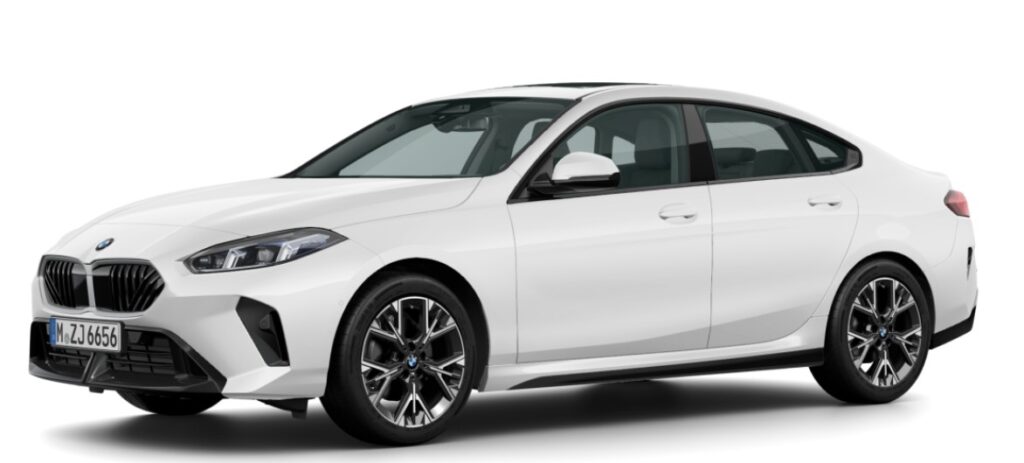
Choosing between the BMW 2 Series and Mercedes A-Class sounds simple until we look beneath the badges. Both sit near the entry point of their respective premium ranges. Both promise stylish interiors, modern technology, respectable efficiency, and enough prestige to make an ordinary commute feel slightly more special.
Yet these cars approach performance from noticeably different directions.
The Mercedes A-Class is primarily a premium hatchback. It aims to combine everyday usability with comfort, technology, and a polished driving experience. The BMW 2 Series, meanwhile, is not one single type of car. The current UK family includes the practical Gran Coupé, the more driver-focused two-door Coupé, the spacious Active Tourer, and high-performance models such as the M235 xDrive Gran Coupé and M2.
For the fairest everyday comparison, we will mainly place the BMW 2 Series Gran Coupé against the Mercedes A-Class Hatchback. We will also examine the faster versions because performance is the heart of this comparison.
So, which one feels faster, sharper, and more exciting from behind the wheel? Let’s find out.
Content in this publication
- BMW 2 Series vs Mercedes A-Class at a Glance
- Which BMW 2 Series Are We Comparing?
- Exterior Design: Athletic BMW or Modern Mercedes?
- Engine Performance in Regular Models
- M235 xDrive vs AMG A 35: Performance Showdown
- Acceleration and Throttle Response
- Gearbox Performance
- Handling: Which Car Is More Fun?
- Front-Wheel Drive, Rear-Wheel Drive, and All-Wheel Drive
- Ride Quality on UK Roads
- Braking Performance and Confidence
- Performance in Wet and Winter Conditions
- Interior and Driving Position
- Technology and Infotainment While Driving
- Practicality: Does Performance Come at a Cost?
- Motorway Performance
- City Performance and Manoeuvrability
- Running Costs and Performance Value
- Reliability and Ownership Considerations
- BMW 2 Series vs Mercedes A-Class for Enthusiastic Drivers
- Which Performance Model Should You Choose?
- BMW 2 Series vs Mercedes A-Class: Pros and Cons
- Final Verdict: BMW 2 Series or Mercedes A-Class?
- Frequently Asked Questions
BMW 2 Series vs Mercedes A-Class at a Glance
The most important difference is not horsepower. It is philosophy.
The Mercedes A-Class is built around the shape and priorities of a conventional five-door hatchback. It is compact, practical, easy to place on narrow British roads, and designed to make daily driving straightforward.
The BMW 2 Series Gran Coupé uses a four-door fastback-style body. It looks lower, longer, and more like a compact saloon. Its basic mechanical layout is closely related to BMW’s compact front-wheel-drive models, although performance versions use all-wheel drive.
Here is the broad picture:
| Category | BMW 2 Series Gran Coupé | Mercedes A-Class Hatchback |
|---|---|---|
| Main character | Sporty compact four-door | Premium practical hatchback |
| Standard drivetrain approach | Front-wheel drive on regular models | Front-wheel drive on regular models |
| Performance drivetrain | All-wheel drive on M235 xDrive | All-wheel drive on AMG A 35 |
| Body style | Four-door Gran Coupé | Five-door hatchback |
| Driving emphasis | Sharper and more assertive | Comfortable and easy-going |
| Practicality | Good, but less versatile | Better hatchback flexibility |
| Flagship performance option | M235 xDrive Gran Coupé | Mercedes-AMG A 35 4MATIC |
| Best for | Drivers prioritising response and style | Drivers wanting performance with practicality |
The regular BMW 220 Gran Coupé currently starts from £36,570 in the UK, while the Mercedes A-Class Hatchback starts from £31,870. Prices can change with model-year revisions, options, and promotions, so buyers should confirm final figures through the manufacturers’ configurators.
Which BMW 2 Series Are We Comparing?
This question matters because the 2 Series badge covers several very different cars.
BMW 2 Series Gran Coupé
The Gran Coupé is the closest rival to the Mercedes A-Class. It has four passenger doors, a separate boot opening, and compact premium-car dimensions.
Its sleek roofline makes it look sportier than a normal hatchback, although that style slightly compromises rear access and cargo versatility.
The current 220 Gran Coupé uses a petrol mild-hybrid powertrain producing 170 hp and 280 Nm.
BMW 2 Series Coupé
The two-door Coupé is a different animal.
Unlike the Gran Coupé, it follows a more traditional BMW performance recipe. Its engine is mounted longitudinally, and versions are available with rear-wheel drive or all-wheel drive. That gives it more natural sports-car proportions and a more driver-centred personality.
The M240i xDrive develops 374 hp and 500 Nm, reaching 62 mph in 4.3 seconds according to BMW’s UK technical data.
In other words, comparing an M240i directly with a regular A-Class would be like comparing running shoes with polished trainers. Both go on your feet, but they are built for different jobs.
BMW M2
Above the M240i sits the full BMW M2. The current model produces up to 480 hp, while BMW quotes a 0–62 mph time of 4.0 seconds for the standard car and 3.7 seconds for the M xDrive version.
The M2 is a serious high-performance coupé, not a conventional A-Class competitor. Its closest Mercedes equivalent in spirit would be a dedicated AMG performance model rather than a normal premium hatchback.
For most UK buyers searching for “BMW 2 Series vs Mercedes A-Class,” the meaningful comparison is therefore:
- BMW 220 Gran Coupé versus Mercedes A 200
- BMW M235 xDrive Gran Coupé versus Mercedes-AMG A 35 4MATIC
- BMW 2 Series Coupé as the more performance-focused alternative
Exterior Design: Athletic BMW or Modern Mercedes?
Performance begins before the engine starts. The way a car looks shapes our expectations.
The BMW Looks Lower and More Aggressive
The 2 Series Gran Coupé has a long, sloping roof, a pronounced nose, and a short rear deck. BMW describes its silhouette as elongated, with a strong rear design that reinforces its sporting character.
It tries hard to look like a smaller four-door coupé rather than an ordinary family hatchback.
From some angles, it appears planted and muscular. The broad grille and narrow lighting give it a serious expression, as though it has arrived at the office already impatient for the drive home.
The M235 xDrive goes further with M-specific styling, a low stance, quad exhaust outlets, a darker rear diffuser, and an illuminated grille surround.
The Mercedes Looks Cleaner and More Familiar
The Mercedes A-Class follows a traditional premium-hatchback formula. Its shape is smoother, rounder, and arguably less confrontational.
AMG Line versions add sportier bumpers, larger wheels, and more dramatic detailing, but the basic proportions remain practical. The roof does not fall away as sharply as the BMW’s, and the rear hatch forms part of the passenger compartment rather than opening like a saloon boot.
The Mercedes may not look as overtly sporty, but it carries a quietly expensive appearance. It is more tailored jacket than racing suit.
Design Verdict
Choose the BMW when visual performance matters. It looks more athletic even when parked.
Choose the Mercedes when you prefer understated premium styling and a body shape that does not sacrifice as much practicality for drama.
Engine Performance in Regular Models
Most UK buyers will not purchase the fastest AMG or M Performance derivative. They will choose a regular petrol, diesel, or mild-hybrid version.
That makes everyday response more important than headline horsepower.
BMW 220 Gran Coupé Performance
The current BMW 220 Gran Coupé combines a petrol engine with 48-volt mild-hybrid assistance. Its quoted maximum output is 170 hp, with 280 Nm of torque.
Those figures are healthy rather than outrageous.
The mild-hybrid system supports the petrol engine during acceleration and helps smooth stop-start operation. It does not transform the BMW into an electric car, but it can make the drivetrain feel more immediate at low speeds.
The 220 has enough strength for:
- Confident motorway merging
- Quick overtaking on open A-roads
- Relaxed cruising with several passengers
- Responsive urban driving
- Brisk progress without high running costs
Its performance is best described as usefully energetic. Put your foot down and it responds with purpose, but it does not pin you into the seat.
Mercedes A 200 Performance
The A 200 occupies a similar position in the Mercedes range. It prioritises smoothness and usable torque over theatrical speed.
The Mercedes powertrain generally feels calm in normal driving. Acceleration is progressive, and the car rarely encourages us to chase the upper end of the rev range.
That suits the A-Class character. It is a car that prefers to gather speed neatly rather than punch through each gear.
Mercedes currently markets the A-Class with petrol, diesel, and hybrid choices in the UK, although exact availability depends on trim and production changes.
Which Regular Model Feels Faster?
The BMW usually creates a stronger impression of speed.
Part of that comes from its throttle tuning, lower seating position, and more direct control responses. Even where real-world acceleration is close, the 2 Series often feels more eager.
The Mercedes isolates the driver slightly more. It smooths the edges and delivers acceleration with less fuss. That can feel more luxurious, but it is less engaging when we are in the mood for a spirited drive.
M235 xDrive vs AMG A 35: Performance Showdown
Now we reach the interesting part.
The BMW M235 xDrive Gran Coupé and Mercedes-AMG A 35 4MATIC are the natural performance rivals within these two ranges.
BMW M235 xDrive Gran Coupé
The current M235 xDrive uses a turbocharged four-cylinder petrol engine producing 300 hp. BMW pairs it with all-wheel drive to improve traction and help deploy its power in poor conditions.
This is not a full M car like the M2. Instead, it is an M Performance model: fast enough to be thrilling, yet manageable enough for daily commuting.
Its strengths include:
- Strong low- and mid-range acceleration
- Excellent traction in wet weather
- Quick automatic gear changes
- Compact dimensions
- A secure, planted feeling through fast corners
The engine pulls hard without requiring endless revs. On a damp British B-road, that accessible torque and four-wheel traction can matter more than a dramatic exhaust note.
Mercedes-AMG A 35 4MATIC
The AMG A 35 uses a 2.0-litre turbocharged four-cylinder engine and all-wheel drive. Mercedes lists 400 Nm of torque, while current UK tax and specification data shows 324 PS of combined rated output for the mild-hybrid version, a seven-speed dual-clutch transmission, a 155 mph maximum speed, and 0–62 mph in 4.7 seconds.
The A 35 is designed as an accessible doorway into AMG ownership.
It delivers genuine hot-hatch pace without the more extreme cost and intensity associated with the A 45 S.
Its key strengths are:
- Hard, immediate acceleration
- Strong launch traction
- Punchy mid-range performance
- Sporty transmission programming
- A more practical hatchback body
- An engaging AMG visual and acoustic character
Which One Wins the Straight-Line Race?
On paper, the latest AMG A 35 has a slight power advantage over the M235 xDrive Gran Coupé.
However, real-world performance involves more than maximum output. Vehicle weight, transmission behaviour, tyre condition, road surface, temperature, and launch technique all affect acceleration.
Both cars are comfortably quick enough to make overtaking effortless. Both can embarrass much larger vehicles away from a roundabout. Both provide more speed than most drivers can responsibly use on a public road.
The AMG feels more explosive and theatrical. The BMW feels tightly controlled and efficient, launching itself forward with very little wasted movement.
The Mercedes wins for drama. The BMW fights back with composure.
Acceleration and Throttle Response
Throttle response determines whether a car feels alive at normal road speeds.
A powerful engine can still feel lazy when the gearbox hesitates or the accelerator is poorly calibrated. Conversely, a modestly powered car can feel exciting when it reacts immediately.
You may be interested in reading BMW 2 Series vs Skoda Slavia: Which Is Better to Drive?
BMW’s More Urgent Character
The BMW responds sharply in its sportier driving modes. A small movement of the accelerator brings a noticeable reaction, and the transmission tends to hold lower gears when it senses enthusiastic driving.
That makes the car feel awake.
On a twisty route, we do not need to press the accelerator deeply before the drivetrain responds. The BMW feels as though it is leaning forward, waiting for the next instruction.
Mercedes Smoothness Comes First
The regular A-Class is calmer.
Its initial accelerator response is measured, particularly in comfort-oriented settings. This helps passengers enjoy a smoother ride, but the car may require a firmer push when we want immediate acceleration.
Sport mode improves response and encourages the gearbox to hold gears longer.
The AMG A 35 is a different story. It reacts far more aggressively and feels ready to spring forward, especially when its performance settings are selected.
Throttle Response Verdict
For regular models, the BMW feels more responsive.
Among the performance versions, the gap narrows. The AMG A 35 combines strong response with more theatre, while the M235 delivers its speed in a cleaner, more disciplined fashion.
Gearbox Performance
Both manufacturers rely heavily on automatic transmissions in their UK ranges.
BMW Transmission Behaviour
BMW’s automatic gearboxes are usually tuned to react quickly without feeling overly busy. In normal driving, they shift early to reduce fuel consumption. Select Sport mode, and they become more alert.
The M235’s transmission works well with its turbocharged torque. It rarely needs to chase gears because the engine pulls strongly across the middle of the rev range.
Manual control is available for drivers who want greater involvement, although the automatic logic is often clever enough to make intervention unnecessary.
Mercedes Dual-Clutch Character
Many A-Class versions use dual-clutch automatic transmissions.
At speed, a dual-clutch unit can shift rapidly and efficiently. Around town, however, it may occasionally feel less natural than a traditional torque-converter automatic, particularly during slow manoeuvres or stop-start traffic.
The AMG A 35’s seven-speed transmission feels most convincing when driven quickly. Upshifts arrive rapidly, downshifts become more assertive, and the drivetrain feels more purposeful.
Gearbox Verdict
The BMW’s transmission generally feels more intuitive across a wider range of conditions.
The Mercedes gearbox performs strongly during enthusiastic driving, but it can occasionally reveal the slightly mechanical nature of a dual-clutch system at parking speeds.
Handling: Which Car Is More Fun?
This is where the BMW begins to justify its sporting image.
BMW Steering and Front-End Response
The 2 Series Gran Coupé turns into corners with confidence. Its steering is quick, and the front end responds promptly.
Regular front-wheel-drive versions will not feel like classic rear-wheel-drive BMW coupés, but they still deliver stable and predictable handling.
The M235 xDrive adds more traction and performance-focused chassis tuning. It grips hard, stays composed under acceleration, and allows drivers to carry serious speed through bends.
Its approach is precise rather than playful. It behaves like a well-trained athlete: fast, controlled, and unlikely to make a careless movement.
Mercedes A-Class Handling
The regular A-Class is secure and competent, but comfort and accessibility take priority.
It turns neatly and remains stable at motorway speeds, yet it does not communicate as much through the steering wheel. For ordinary driving, that is not necessarily a disadvantage. Light steering makes urban manoeuvres easier and reduces effort during long journeys.
The AMG A 35 tightens the suspension, sharpens the steering, and sends power through all four wheels. It has tremendous grip and can cover ground at a serious pace.
However, the AMG may feel busier and firmer over rough roads, particularly on larger wheels.
Handling Verdict
The BMW wins for steering accuracy and driver connection.
The Mercedes is easy to drive quickly, but the BMW makes the process feel more deliberate. The driver feels more involved in placing the car, judging the corner, and applying power on exit.
Front-Wheel Drive, Rear-Wheel Drive, and All-Wheel Drive
The drivetrain layout can completely alter a car’s personality.
Regular Gran Coupé and A-Class Models
Most mainstream versions of both cars are front-wheel drive.
This layout saves space, reduces weight, and improves packaging. It is ideal for compact cars because the engine and driven wheels are concentrated at the front.
Front-wheel drive also gives predictable behaviour in poor weather. When pushed too hard, the front tyres tend to lose grip progressively, encouraging the car to run wide rather than spin dramatically.
M235 xDrive and AMG A 35
The performance versions use all-wheel drive.
Their systems improve acceleration by distributing power across four tyres rather than asking the front pair to handle steering and all the engine’s output alone.
This is particularly useful in the UK, where rain, cold tarmac, fallen leaves, and muddy road edges can turn a powerful front-wheel-drive car into a wheelspin machine.
BMW 2 Series Coupé Advantage
The two-door 2 Series Coupé stands apart because it offers the proportions and balance of a more traditional performance car.
The M240i xDrive’s 374 hp, six-cylinder engine, 500 Nm of torque, and 4.3-second 0–62 mph time place it in another league compared with ordinary A-Class models.
For driving enthusiasts, this matters.
The Gran Coupé and A-Class are practical premium compacts with sporty versions. The 2 Series Coupé is a compact performance car that happens to remain usable every day.
Ride Quality on UK Roads
Performance cannot be judged only on a smooth test track.
A car must also cope with broken tarmac, sunken drains, speed bumps, patched surfaces, and motorway expansion joints.
BMW Ride Comfort
The BMW’s firmer chassis helps it feel controlled, but larger wheels and sport suspension can make sharp imperfections more noticeable.
M Sport models may feel busy on damaged urban roads. The body remains disciplined, yet occupants hear and feel more of the surface beneath them.
The upside is excellent control at speed. Over a flowing road, the BMW settles into a confident rhythm and avoids excessive body movement.
Mercedes Ride Comfort
Regular A-Class models tend to feel softer and more relaxed. They isolate occupants effectively from gentle road undulations and feel refined during calm motorway driving.
Large AMG Line wheels can reduce this advantage. Low-profile tyres may produce thumps over potholes, and the suspension can feel firmer than buyers expect from a Mercedes badge.
The AMG A 35 is firmer again. Its performance hardware controls the body well, but comfort is not its only mission.
Ride Verdict
A sensibly specified A-Class usually offers the more comfortable everyday ride.
The BMW feels more tied down and controlled, which performance-minded drivers may prefer. Comfort-oriented buyers should test both cars on imperfect roads rather than judging them inside a smooth dealership car park.
Braking Performance and Confidence
Strong brakes do more than shorten stopping distances. They improve confidence.
The BMW brake pedal generally feels firm and easy to judge. The response builds progressively, allowing us to make smooth stops in traffic or apply stronger pressure before a corner.
Mercedes braking systems are similarly capable, although some electrified versions may produce a slightly different pedal sensation as regenerative and mechanical braking work together.
Performance models receive more powerful braking hardware to cope with repeated high-speed use.
For normal British driving, both provide ample stopping power. The BMW’s pedal calibration may feel more natural to enthusiastic drivers, while the Mercedes prioritises smoothness and ease.
Performance in Wet and Winter Conditions
Neither car is a dedicated winter vehicle, but drivetrain choice and tyres make a huge difference.
Regular front-wheel-drive versions are manageable in rain and light winter conditions. Their engines sit over the driven wheels, helping traction when pulling away.
The M235 xDrive and AMG A 35 provide another layer of security through all-wheel drive. They can accelerate confidently on wet surfaces where a powerful two-wheel-drive car might struggle.
Still, all-wheel drive does not create extra braking grip.
Tyres remain the most important contact between the vehicle and the road. A four-wheel-drive performance car on worn summer tyres can be far less secure than a basic front-wheel-drive model on suitable, high-quality rubber.
For UK conditions, we would prioritise:
- Good tyre tread
- Correct tyre pressures
- Progressive throttle use
- Sensible wheel sizes
- All-wheel drive only after those basics are covered
Interior and Driving Position
Performance is also influenced by where and how we sit.
You may be interested in readingBMW 2 Series vs Skoda Slavia: Which Is Better to Drive?You may be interested in reading
 Tesla Model S vs Audi e-tron GT: UK Performance Comparison
BMW Driving Position
The BMW’s cockpit feels wrapped around the driver. The steering wheel, pedals, displays, and centre controls create a focused environment.
The seating position is relatively low, reinforcing the sensation that we are sitting inside the car rather than on top of it.
That helps the 2 Series feel sportier at legal speeds. A low seat exaggerates the impression of movement and connects the driver more closely to the chassis.
Mercedes Driving Position
The A-Class cabin is more theatrical.
Its broad digital display arrangement, turbine-style air vents, ambient lighting, and MBUX interface create an immediate sense of occasion. Mercedes highlights the system’s ability to adapt to user habits and provide an increasingly personalised experience.
The Mercedes feels like a compact luxury lounge with performance options added.
The BMW feels like a driver’s cockpit with luxury layered around it.
Interior Verdict
For driver focus, choose BMW.
For visual impact and digital ambience, choose Mercedes.
Technology and Infotainment While Driving
Technology can support performance, but it can also distract from it.
BMW’s current interface offers a modern curved-display presentation and quick access to driving information. The system is feature-rich, although the move towards touchscreen controls means some basic functions require more attention than traditional buttons.
Mercedes MBUX is visually impressive and responds to touch, steering-wheel controls, and voice commands. The twin-screen arrangement remains one of the cabin’s main attractions.
The Mercedes system feels more like a digital assistant. The BMW system feels more like an extension of the vehicle controls.
Drivers who enjoy customisation and ambient presentation may prefer Mercedes. Drivers who want performance data and a more restrained cockpit atmosphere may lean towards BMW.
Practicality: Does Performance Come at a Cost?
The A-Class wins the basic practicality contest.
Its rear hatch opens widely, making it easier to load bulky items. Folding the rear seats creates a more versatile cargo area than the BMW Gran Coupé’s conventional boot opening.
The BMW’s sloping roofline may also reduce headroom for taller rear passengers. Access is less straightforward because the body prioritises style over maximum space.
The A-Class is therefore more suitable for:
- Carrying pushchairs
- Transporting large boxes
- Loading pets
- Making frequent tip runs
- Using the rear seats regularly
- Combining performance with family duties
The BMW remains practical enough for everyday life, but it asks buyers to accept a few compromises in exchange for its lower, sportier shape.
Motorway Performance
Both cars are strong motorway companions.
The Mercedes A-Class feels calm, stable, and refined at cruising speeds. Its cabin technology and driver-assistance features make long journeys less tiring.
The BMW also tracks confidently at speed, but its firmer setup and sharper steering make it feel more alert. That is reassuring during quick lane changes, although it may demand slightly more attention from the driver.
For frequent motorway travel, the Mercedes has a small comfort advantage.
For drivers who want motorway stability without losing a sporty edge when the road becomes interesting, the BMW is more satisfying.
City Performance and Manoeuvrability
In urban areas, outright power matters less than visibility, gearbox smoothness, steering weight, and suspension comfort.
The A-Class performs well here. Its hatchback dimensions are easy to judge, its steering is light, and the rear body shape makes it relatively straightforward to place.
The BMW Gran Coupé is still compact, but its low roof and saloon-style rear can make visibility feel slightly more restricted.
The BMW’s sharper throttle can also require a gentler right foot in stop-start traffic.
The Mercedes is the easier city car. The BMW feels more special once traffic clears.
Running Costs and Performance Value
The Mercedes has the lower advertised starting price in the current UK range, with the A-Class Hatchback listed from £31,870 compared with £36,570 for the BMW 220 M Sport Gran Coupé.
However, list price does not tell the whole story.
Specification differences, finance offers, dealer contributions, insurance, servicing, fuel economy, depreciation, and optional equipment can change the final cost substantially.
Mercedes was advertising an additional £5,000 saving on an A 200 Hatchback finance offer for qualifying agreements between 1 July and 30 September 2026, illustrating how temporary promotions can reshape the comparison.
Performance versions cost considerably more to purchase and operate. The AMG A 35 has a current listed OTR price of £48,030 in Touring Edition form, according to Mercedes-Benz UK tax data.
Before buying, compare:
- Cash price after discounts
- Monthly payment
- Optional final payment
- Annual mileage allowance
- Insurance quote
- Tyre replacement cost
- Servicing package
- Vehicle Excise Duty
- Expected fuel use
- Likely resale value
A cheaper monthly payment does not automatically mean better value. A large deposit or final payment can make an attractive finance quotation look lighter than it really is.
Reliability and Ownership Considerations
Both cars contain complex turbocharged engines, automatic transmissions, driver-assistance systems, digital displays, sensors, and connected services.
That complexity improves performance and comfort, but it also makes warranty coverage and maintenance history important.
BMW’s Approved Used programme includes at least 12 months of unlimited-mileage warranty cover, roadside assistance, and MOT protection on qualifying vehicles.
When buying used, we would inspect:
- Complete servicing records
- Tyre wear across all four wheels
- Wheel and suspension damage
- Warning lights
- Infotainment operation
- Gearbox smoothness
- Brake condition
- Evidence of accident repair
- Remaining manufacturer warranty
- Previous modifications
Performance models deserve extra care. Aggressive launches, poor-quality tuning, neglected tyres, and repeated hard driving can all accelerate wear.
BMW 2 Series vs Mercedes A-Class for Enthusiastic Drivers
For someone who actively enjoys driving, the BMW is the stronger choice.
Its steering feels more deliberate, its body control is firmer, and its driving position creates a closer relationship between the driver and the road.
Even the Gran Coupé, which is not a traditional rear-wheel-drive BMW, carries more of a performance-first attitude than the regular A-Class.
The Mercedes remains capable. It can move quickly and securely, especially in AMG form. Yet it often feels as though technology and comfort sit between the driver and the mechanical experience.
The BMW asks, “Where shall we drive?”
The Mercedes asks, “How comfortable would you like the journey to be?”
Which Performance Model Should You Choose?
Choose the BMW M235 xDrive When:
- You value accurate steering
- You prefer a low, saloon-like seating position
- You want strong all-weather traction
- You like controlled, understated speed
- You rarely carry bulky luggage
- You want a performance car that does not feel excessively theatrical
Choose the Mercedes-AMG A 35 When:
- You want stronger visual drama
- You prefer a practical hatchback
- You enjoy an expressive AMG character
- You regularly use the rear seats and boot
- You want quick acceleration with premium technology
- You prefer a more flamboyant interior
Choose the BMW M240i Coupé When:
- Driving enjoyment matters more than rear-seat convenience
- You want a six-cylinder engine
- You prefer a genuine coupé
- You want considerably more performance than regular compact premium cars
- You accept higher purchase and running costs
BMW 2 Series vs Mercedes A-Class: Pros and Cons
BMW 2 Series Gran Coupé Pros
- Sharper steering
- Sportier driving position
- Strong body control
- Distinctive four-door coupé styling
- Responsive mild-hybrid petrol performance
- Excellent high-performance alternatives
- More engaging on winding roads
BMW 2 Series Gran Coupé Cons
- Less practical boot opening
- Reduced rear headroom
- Firmer ride on larger wheels
- Higher current starting price
- Styling may not appeal to everyone
- Regular Gran Coupé models lack the rear-wheel-drive character of the two-door Coupé
Mercedes A-Class Pros
- Practical hatchback layout
- Comfortable everyday character
- Impressive cabin presentation
- Strong infotainment technology
- Lower current starting price
- Easier urban usability
- AMG A 35 combines speed with family practicality
Mercedes A-Class Cons
- Less communicative steering
- Some versions can feel firm on large wheels
- Dual-clutch gearbox may hesitate at low speeds
- Regular models feel less engaging
- Options can raise the price quickly
- Interior quality is not equally impressive in every area
Final Verdict: BMW 2 Series or Mercedes A-Class?
The BMW 2 Series wins this performance-focused comparison.
It feels more alert, more precise, and more connected to the driver. Its steering and body control create greater confidence on winding roads, while the M235 xDrive delivers serious all-weather speed.
More importantly, the BMW offers a clearer performance ladder.
We can begin with the practical 220 Gran Coupé, move to the 300 hp M235 xDrive, choose the six-cylinder M240i Coupé, or step into the full M2. That range allows enthusiastic drivers to select exactly how much performance—and how much compromise—they want.
The Mercedes A-Class remains the better all-rounder for many households. It is more practical, often more comfortable, and currently has a lower starting price in the UK. Its cabin provides more immediate visual impact, and the AMG A 35 delivers genuine performance without abandoning the usefulness of a hatchback.
Our recommendation is simple:
Buy the BMW 2 Series if driving enjoyment is the priority. Buy the Mercedes A-Class if practicality, technology, and daily comfort matter just as much as speed.
For a typical buyer, the BMW 220 Gran Coupé is the more engaging car, while the Mercedes A 200 is the easier one to live with.
For performance buyers, the M235 xDrive feels more precise and disciplined. The AMG A 35 feels more dramatic and practical.
And for those who want the most memorable driving experience? Skip the Gran Coupé entirely and test the BMW M240i Coupé. Its six-cylinder powertrain changes the comparison from a close premium-car contest into something much more exciting.
Frequently Asked Questions
1. Is the BMW 2 Series faster than the Mercedes A-Class?
It depends on the versions being compared. Regular models offer broadly similar everyday performance, although the BMW often feels more responsive. The Mercedes-AMG A 35 has more power than the M235 xDrive Gran Coupé, while the BMW M240i and M2 provide much greater performance than normal A-Class versions.
2. Which handles better, the BMW 2 Series or Mercedes A-Class?
The BMW generally handles better from an enthusiast’s perspective. Its steering is more accurate, its body movements feel better controlled, and its lower driving position creates a stronger connection with the road. The Mercedes remains stable and secure but focuses more heavily on comfort and accessibility.
3. Is the Mercedes A-Class more practical than the BMW 2 Series?
The A-Class Hatchback is more practical than the 2 Series Gran Coupé. Its large hatch opening makes bulky items easier to load, and its roofline is friendlier to rear passengers. The BMW 2 Series Active Tourer is more spacious, but it targets a different type of buyer.
4. Is the M235 xDrive a real BMW M car?
No. The M235 xDrive is an M Performance model rather than a full BMW M car. It offers upgraded power, brakes, suspension, styling, and all-wheel drive, but the M2 is the dedicated high-performance model developed by BMW M.
5. Which is better for UK roads?
The Mercedes A-Class is better suited to buyers prioritising comfort, urban use, and practical carrying ability. The BMW 2 Series is better for drivers who enjoy B-roads, sharper responses, and a more focused driving position. Wheel size and suspension specification can significantly affect comfort in either car.
You may be interested in readingBMW 2 Series vs Skoda Slavia: Which Is Better to Drive?You may be interested in reading
Tesla Model S vs Audi e-tron GT: UK Performance ComparisonYou may be interested in reading
 Ford Ranger Models Australia: Complete Range Explained
If you want to know other articles similar to BMW 2 Series vs Mercedes A-Class: Which Performs Better? you can visit the category Models.
Volkswagen T-Cross vs Volkswagen T-Roc: Which Is Better?
Hyundai Tucson Weight: Complete Guide to Curb, Gross, and Payload Specs

Honda Passport vs Toyota 4Runner: Which SUV Is Better?
Honda Passport vs Ford Bronco: Which SUV Is Better?
Honda Passport vs Ford Explorer: Which SUV Is Better?
Honda Passport or Pilot: Which SUV Is Better?
Leave a Reply
More content of your interest