

Citroen C1 vs Peugeot 107: Which Tiny City Car Should We Choose?

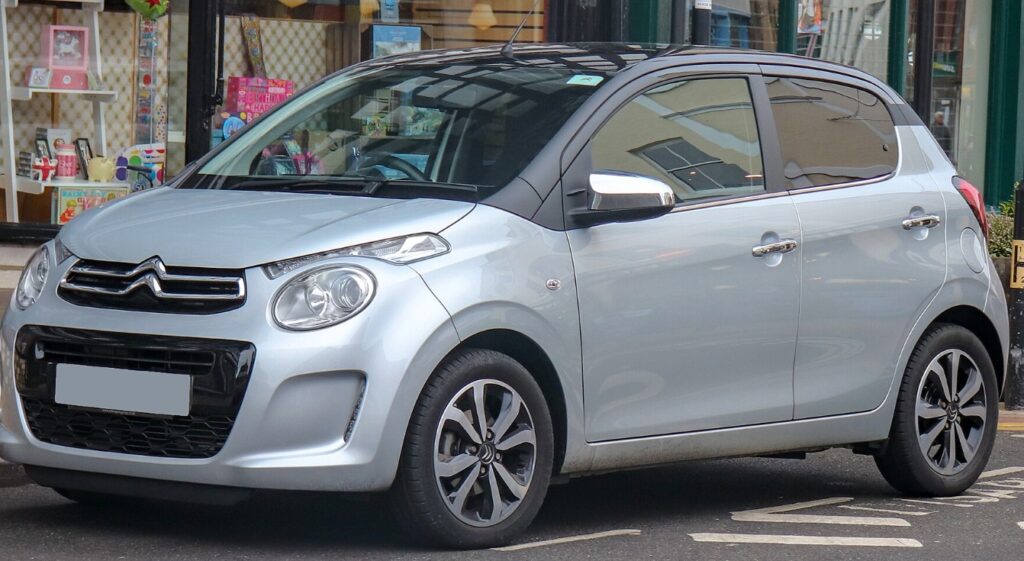
When we compare the Citroen C1 vs Peugeot 107, we are not really looking at two completely different cars. We are looking at two cheeky little city cars that were born from the same recipe, built with the same basic ingredients, and designed for the same kind of driver: someone who wants cheap motoring, easy parking, low running costs, and a car that does not turn every fuel stop into a financial drama.
The Citroen C1 and Peugeot 107 are like two siblings wearing different jackets. Underneath, they share much of the same structure, engine layout, city-friendly attitude, and no-nonsense personality. But as with siblings, small differences matter. One may feel slightly more playful. The other may look a bit neater. One may be cheaper in the used market. The other may have the trim, color, or interior vibe that makes us smile when we open the door.
So, which one should we actually buy? Is the Citroen C1 better than the Peugeot 107? Is the Peugeot 107 more reliable? Are they basically the same car? Let’s sit in the driver’s seat, shut the door, and take a proper look.
Content in this publication
- Citroen C1 vs Peugeot 107: The Quick Verdict
- What Are the Citroen C1 and Peugeot 107?
- Citroen C1 vs Peugeot 107: Design and Styling
- Interior Quality: Basic, But Not Bad
- Space and Practicality: Small Car, Smart Packaging
- Engine Performance: Small, Light, and Surprisingly Lively
- Fuel Economy: One of Their Biggest Strengths
- Driving Experience: Easy, Light, and Honest
- Reliability: Are They Dependable?
- Running Costs: Cheap Motoring Done Properly
- Insurance: Good News for New Drivers
- Safety: Small Car Expectations
- Citroen C1 vs Peugeot 107: Used Buying Guide
- Common Problems: What Can Go Wrong?
- Citroen C1 Strengths
- Peugeot 107 Strengths
- Citroen C1 vs Peugeot 107: Which Is Better for First-Time Drivers?
- Which One Is Better for Students?
- Which One Is Better for Commuting?
- Comfort and Refinement: Let’s Be Honest
- Citroen C1 vs Peugeot 107 vs Toyota Aygo
- Best Model Years to Consider
- Resale Value: Which Holds Value Better?
- Who Should Buy the Citroen C1?
- Who Should Buy the Peugeot 107?
- Final Buying Checklist
- Conclusion: Citroen C1 vs Peugeot 107 — Our Honest Winner
- FAQs About Citroen C1 vs Peugeot 107
Citroen C1 vs Peugeot 107: The Quick Verdict
If we want the simple answer, here it is: the Citroen C1 and Peugeot 107 are extremely similar cars, so the best choice usually comes down to condition, price, service history, mileage, and personal taste rather than brand superiority.
Both are small, light, economical, easy to drive, and ideal for city use. Both can be brilliant first cars, budget runabouts, student cars, or second household vehicles. Neither is luxurious, fast, or especially refined on long motorway trips, but that is not really their mission. They are urban tools, like a good pair of trainers: light, practical, affordable, and always ready for daily use.
Best Choice Overall
For most buyers, we would choose the best-maintained example, whether it wears a Citroen badge or a Peugeot badge. A clean Peugeot 107 with full service history is better than a neglected Citroen C1, and a tidy Citroen C1 with low mileage is better than a tired Peugeot 107.
Choose the Citroen C1 If We Want
- A slightly softer, more playful image
- Often strong used-market value
- A simple, cheerful city car
- Good availability of affordable used examples
- A car that feels light, basic, and easy-going
Choose the Peugeot 107 If We Want
- A slightly sharper badge feel
- A clean, simple design
- Very similar running costs to the C1
- A compact car with strong city manners
- A practical alternative to the Toyota Aygo
What Are the Citroen C1 and Peugeot 107?
The Citroen C1 and Peugeot 107 are small city cars created during a joint project between PSA Peugeot Citroen and Toyota. This project also produced the Toyota Aygo. That is why these three cars often appear together in comparison searches. They share the same basic platform, many mechanical parts, and a similar driving experience.
In plain English, we are talking about a tiny car designed to do simple things well: get us to work, squeeze into narrow parking spaces, sip fuel slowly, and avoid frightening us with repair bills.
The recipe is simple:
- Compact body
- Lightweight construction
- Small petrol engine
- Low insurance potential
- Basic interior
- Cheap tyres
- Simple servicing
- Good manoeuvrability
And honestly, that recipe still works. In a world where modern cars often feel bloated, complicated, and packed with tech we barely use, the C1 and 107 feel refreshingly honest. They are not trying to be luxury lounges on wheels. They are trying to be cheap, cheerful, and easy.
Citroen C1 vs Peugeot 107: Design and Styling
Let’s start with appearance, because even when two cars are mechanically similar, looks can still tip the scales. We all know that feeling. Sometimes a car just looks more “us.”
The Citroen C1 generally carries a playful, rounded, slightly cheeky look. It feels youthful, light-hearted, and a little quirky. The front end has that friendly city-car face, almost like it is saying, “Relax, we’re only going to the supermarket.”
The Peugeot 107, on the other hand, has a slightly more mature look. It is still small and cute, but the front styling can feel a touch sharper and more composed. It wears its compact shape with a bit more neatness.
Which One Looks Better?
This is subjective. Some of us will prefer the Citroen C1 because it looks more fun. Others will prefer the Peugeot 107 because it looks cleaner and more grown-up. Neither car looks aggressive, premium, or sporty in the traditional sense. They both look like what they are: compact city cars built for sensible people with sensible budgets.
Three-Door vs Five-Door Body Styles
Both cars were commonly available in three-door and five-door versions. The five-door models are more practical, especially if we regularly carry passengers, children, shopping, or bags. The three-door versions can look a little cleaner and may be cheaper, but climbing into the back is less convenient.
For daily use, we would usually lean toward the five-door version. Tiny cars are already compact enough; we do not need to make access more awkward unless the price is especially attractive.
Interior Quality: Basic, But Not Bad
Step inside either the Citroen C1 or Peugeot 107, and we should adjust expectations. These are budget city cars, not premium hatchbacks. The cabin is simple, hard-wearing, and fairly basic. There are plenty of hard plastics, exposed metal in some areas, simple controls, and a minimalist dashboard layout.
But here is the thing: that simplicity is part of the charm. There is less to break, less to learn, and less to distract us. Everything feels straightforward. We get in, start the car, and drive.
Citroen C1 Interior Feel
The Citroen C1 cabin often feels cheerful and uncomplicated. Depending on trim, we may find colorful touches, simple fabric seats, and a dashboard that looks more fun than fancy. It does not pretend to be expensive, and that honesty makes it likeable.
Peugeot 107 Interior Feel
The Peugeot 107 interior is very similar, but it may feel slightly more restrained. Again, we are not getting soft-touch luxury or high-end materials. We are getting basic city-car practicality. The seats are compact, the dashboard is simple, and the layout is easy to understand.
Which Interior Is Better?
Neither wins by a mile. The better cabin is the one that has been cared for. Look for:
- Clean seat fabric
- Working heater controls
- No water leaks
- No broken dashboard trim
- Working windows and locks
- No damp smell
- No warning lights
A well-kept Citroen C1 interior will beat a rough Peugeot 107 interior every time, and vice versa.
Space and Practicality: Small Car, Smart Packaging
The Citroen C1 and Peugeot 107 are small cars, so we should not expect limousine levels of space. But for city driving, commuting, and occasional passenger use, they do a surprisingly decent job.
Up front, most drivers will find enough room, especially for short and medium journeys. The cabin is narrow, so two adults may sit fairly close together, but that is normal in this class. In the rear, space is more limited. Children fit fine, shorter adults can manage, but taller passengers may not love long trips.
Boot Space
Boot space is modest. These cars are built for shopping bags, backpacks, small suitcases, and weekly essentials — not furniture, large pushchairs, or airport luggage for four people.
Still, the rear seats can usually fold down, giving extra flexibility when needed. We should think of the boot as a small cupboard rather than a full storage room. Useful? Yes. Huge? Absolutely not.
Daily Practicality
For daily use, both cars work well if our lifestyle matches the size. They are great for:
- City commuting
- School runs
- Short work journeys
- Student driving
- First-time drivers
- Local errands
- Tight parking situations
- Low-cost second-car duties
They are less ideal for:
- Regular motorway commuting
- Carrying adults in the back daily
- Long family trips
- Heavy luggage
- Drivers wanting quiet refinement
Engine Performance: Small, Light, and Surprisingly Lively
Most Citroen C1 and Peugeot 107 models are powered by a small 1.0-litre petrol engine. It is not powerful, but because the cars are light, performance around town feels better than the numbers suggest.
Think of it like a small dog with plenty of energy. It will not pull a cart, but it will dart around the park happily.
City Driving Performance
In town, both cars feel nippy enough. They accelerate cleanly at low speeds, fit through traffic easily, and respond well to gentle inputs. The steering is light, visibility is good, and the compact size makes them feel stress-free.
This is where they shine. Narrow streets? Fine. Tight parking bay? Easy. Busy supermarket car park? No problem. They make urban driving feel less like a chore.
Motorway Performance
On faster roads, both cars show their limits. They can handle motorway journeys, but they are not at their happiest there. Acceleration at higher speeds is modest, engine noise becomes more noticeable, and crosswinds can make the lightweight body feel a little busy.
If we regularly drive long distances, we may want something larger and more refined. But for occasional motorway use, the C1 and 107 can manage perfectly well as long as we are patient.
Fuel Economy: One of Their Biggest Strengths
Fuel economy is one of the main reasons people compare the Citroen C1 vs Peugeot 107. Both are known for being economical little cars, especially when driven sensibly.
You may be interested in reading Citroen C1 vs Peugeot 107 vs Toyota Aygo: Which Tiny City Car Wins?
Because they are light and use small engines, they can deliver excellent real-world efficiency. In city use, fuel economy will depend on traffic, driving style, tyre pressure, and maintenance. On open roads, they can be impressively frugal.
Why They Are So Economical
Their fuel-saving advantage comes from a few simple factors:
- Low vehicle weight
- Small petrol engine
- Narrow tyres
- Simple mechanical setup
- Modest power output
- City-focused gearing
We do not need complicated hybrid systems or fancy driving modes here. The savings come from old-school simplicity.
Which Is More Economical?
In real life, the difference between the Citroen C1 and Peugeot 107 is tiny. Condition, tyre choice, service history, and driver behavior matter more than the badge. A well-maintained C1 may use less fuel than a poorly maintained 107, and the reverse is also true.
Driving Experience: Easy, Light, and Honest
Neither the C1 nor the 107 is a performance car, but both are genuinely enjoyable in their own small-car way. They feel light, direct, and simple. There is something refreshing about driving a car that does not feel weighed down by unnecessary bulk.
Steering and Handling
The steering is light, which makes parking and town driving easy. Around corners, the cars feel agile because they weigh so little. We should not expect sports-car grip or premium stability, but they are fun enough at sensible speeds.
Ride Comfort
Ride comfort is acceptable, though not plush. Over rough roads, potholes, and speed bumps, both cars can feel a little bouncy or firm. That is partly because of the short wheelbase and budget-city-car design.
In town, this is manageable. On longer journeys, we may notice more road noise and vibration than in a larger hatchback.
Manual vs Automatic Gearbox
Many examples come with a manual gearbox, which suits the car well. It keeps things simple and gives us better control over the small engine.
Some models may have an automated manual-style transmission. These can be convenient in traffic, but they may feel jerky compared with a traditional automatic. When buying used, we should test the gearbox carefully and avoid anything that feels hesitant, noisy, or rough.
Reliability: Are They Dependable?
The good news is that both the Citroen C1 and Peugeot 107 have a reputation for being simple and generally dependable when maintained properly. Their shared mechanical layout is straightforward, and parts availability is usually strong.
But let’s not romanticize used cars. Age, neglect, poor servicing, cheap repairs, and rough driving can hurt any vehicle. A small car that has lived a hard city life may have clutch wear, scratched bumpers, tired suspension, and interior damage.
Common Things to Check
Before buying either car, we should inspect:
- Clutch biting point
- Gearbox smoothness
- Service history
- Engine warning lights
- Exhaust condition
- Water leaks
- Brake wear
- Suspension knocks
- Tyre condition
- Battery health
- Central locking
- Window operation
Is the Citroen C1 More Reliable Than the Peugeot 107?
Not really. Mechanically, they are too similar for one to clearly dominate. Reliability depends more on the individual car than the badge. A carefully serviced Peugeot 107 will be reliable. A neglected Citroen C1 may not be. The badge does not save us from poor maintenance.
Running Costs: Cheap Motoring Done Properly
This is where both cars make a strong case. The Citroen C1 and Peugeot 107 are designed to be affordable to run. They usually have low fuel consumption, inexpensive tyres, simple servicing, and reasonable parts prices.
Typical Running Cost Advantages
We can expect:
- Low fuel bills
- Affordable servicing
- Cheap replacement tyres
- Simple mechanical repairs
- Good used parts availability
- Low insurance potential for many drivers
- Easy maintenance compared with complex modern cars
Where Costs Can Still Appear
Cheap does not mean free. We should budget for normal used-car maintenance, including brakes, tyres, clutch, battery, exhaust, fluids, and suspension components. Older examples may also need attention to seals, lights, locks, and interior wear.
The smartest move is not to buy the cheapest car available. It is to buy the best-condition car we can afford.
Insurance: Good News for New Drivers
The Citroen C1 and Peugeot 107 are popular with new drivers because they are small, modestly powered, and generally affordable to insure compared with larger cars.
Insurance costs still depend on personal factors such as age, location, driving record, occupation, mileage, parking situation, and the exact model. But as a class, these cars are often friendly to younger or budget-conscious drivers.
Which Is Cheaper to Insure?
The difference is usually small. Get quotes for both using the exact registration number before buying. Sometimes one model, trim, or year may be cheaper for reasons that are not obvious at first glance.
Safety: Small Car Expectations
We need to be realistic. The Citroen C1 and Peugeot 107 were designed as affordable city cars, not modern safety showcases. They may have basic safety equipment depending on year and trim, but they will not match newer cars with advanced driver-assistance features.
Safety Features to Look For
Depending on the model, check for:
- ABS
- Airbags
- Stability control on later versions
- ISOFIX points
- Good tyre condition
- Working lights
- Strong brakes
- No structural accident damage
Our Practical Safety Advice
For city use, both cars are reasonable if maintained well and driven sensibly. But if safety tech is a top priority, a newer small car may be a better choice. Modern vehicles often bring stronger crash structures, lane assistance, automatic emergency braking, and better stability systems.
Citroen C1 vs Peugeot 107: Used Buying Guide
When shopping used, the badge matters less than the checklist. We should approach both cars with the same careful eye.
Service History Matters
A stamped service book, invoices, and evidence of regular oil changes are all good signs. These engines like basic maintenance. Skipped servicing may turn a cheap car into an expensive headache.
Mileage Is Not Everything
Low mileage is nice, but condition is king. A high-mileage car with careful maintenance can be better than a low-mileage car that has been ignored, used only for short cold trips, or left sitting for long periods.
Check for City-Car Battle Scars
These cars often live in tight urban environments, so look closely for:
- Kerbed wheels
- Parking dents
- Scratched bumpers
- Door dings
- Worn clutches
- Interior stains
- Broken trim
- Uneven tyre wear
A few cosmetic marks are normal. But poor repairs, accident damage, or signs of neglect should make us cautious.
Common Problems: What Can Go Wrong?
The Citroen C1 and Peugeot 107 are simple, but they are not immune to problems. Most issues are age-related or maintenance-related rather than design disasters.
Clutch Wear
Because these cars are often used in town, clutches can wear out. Check where the clutch bites. If it bites very high, slips under acceleration, or feels rough, budget for replacement.
Water Leaks
Some owners report leaks around doors, rear lights, boot seals, or window areas. Always check carpets, boot floor, and rear seats for dampness.
Exhaust Wear
Short trips can be hard on exhaust systems because condensation builds up. Listen for blowing noises, rattles, or corrosion.
Suspension Noise
Knocks over bumps may point to worn suspension parts. This is common on older small cars and often repairable, but it still affects the buying price.
Electrical Niggles
Check every switch. Windows, locks, lights, wipers, heater fan, radio, and dashboard warning lights should all work properly.
You may be interested in readingCitroen C1 vs Peugeot 107 vs Toyota Aygo: Which Tiny City Car Wins?You may be interested in reading
Citroen C1 vs Toyota Aygo: Which Tiny City Car Should We Choose?Citroen C1 Strengths
The Citroen C1 has plenty going for it, especially if we want cheap and cheerful motoring.
Why We Like the Citroen C1
- Fun, friendly styling
- Very easy to park
- Low running costs
- Good fuel economy
- Simple mechanical package
- Ideal for short trips
- Good first-car appeal
- Usually affordable used
Where the Citroen C1 Falls Short
It can feel noisy at speed, the boot is small, rear-seat space is limited, and the interior is basic. If we expect comfort, gadgets, and motorway refinement, we may feel disappointed.
Peugeot 107 Strengths
The Peugeot 107 offers almost the same strengths as the C1 but with slightly different styling and brand flavor.
Why We Like the Peugeot 107
- Compact and easy to drive
- Cheap to run
- Economical petrol engine
- Simple controls
- Good city visibility
- Strong used-market availability
- Practical five-door option
- Easy to maintain
Where the Peugeot 107 Falls Short
Like the C1, it is basic, small, and not ideal for long-distance comfort. Some used examples may also show heavy wear because they are often bought as inexpensive runabouts.
Citroen C1 vs Peugeot 107: Which Is Better for First-Time Drivers?
Both are excellent first-car candidates. They are small, easy to control, forgiving at low speeds, and usually affordable to insure. For a new driver, confidence matters. A car that feels manageable can make every journey less stressful.
Why They Work Well as First Cars
They are not intimidating. Visibility is good. Parking is easy. The engine is modest. The controls are simple. And because running costs are low, they do not punish us too harshly for everyday use.
Our First-Car Pick
We would pick the car with:
- Full service history
- Clean MOT or inspection record
- Smooth clutch
- Good tyres
- No leaks
- Sensible mileage
- No warning lights
- Affordable insurance quote
Again, that could be either a Citroen C1 or a Peugeot 107.
Which One Is Better for Students?
For students, both cars make sense. They are affordable, simple, and cheap to feed. A student car needs to do the basics: start every morning, park easily near campus, and avoid draining the bank account.
The Citroen C1 may appeal more to those who want a playful look. The Peugeot 107 may appeal to those who prefer something a little tidier and understated. But financially, the difference is usually minimal.
Student-Friendly Features
- Low fuel use
- Easy parking
- Simple servicing
- Small size
- Affordable tyres
- Good for short trips
- Cheap used-market options
Which One Is Better for Commuting?
For short city commutes, both are excellent. For longer motorway commutes, both are less ideal.
Urban Commute
In traffic, they are in their element. We can slip through gaps, park quickly, and avoid burning too much fuel while crawling through town.
Motorway Commute
If our commute includes long stretches of high-speed road, we may want a larger car. The C1 and 107 can do it, but road noise, engine noise, and limited power may become tiring.
Comfort and Refinement: Let’s Be Honest
Neither car is especially refined. That is not an insult; it is just reality. These cars were built to a budget, and we feel that in the cabin.
At low speeds, they are pleasant enough. At higher speeds, we hear more engine noise, wind noise, and tyre noise. The seats are fine for shorter trips but may feel limited on longer drives.
Who Will Be Happy With the Comfort?
We will likely be happy if we mostly drive:
- Around town
- To work locally
- To school or college
- On short weekend errands
- Through narrow streets
- In busy parking areas
Who May Want More?
We may want something larger if we often drive:
- Long motorway routes
- With multiple adult passengers
- With heavy luggage
- Over rough rural roads
- For several hours at a time
Citroen C1 vs Peugeot 107 vs Toyota Aygo
We cannot discuss the C1 and 107 without mentioning the Toyota Aygo. It is the third sibling in the family and often commands strong attention because of Toyota’s reputation for reliability.
Is the Toyota Aygo Better?
The Aygo is mechanically very similar, but it may sometimes cost more used because buyers trust the Toyota badge. That does not automatically make it better. A well-maintained C1 or 107 can be just as attractive if the price is right.
Should We Pay More for the Aygo?
Maybe, but only if the condition, service history, and price make sense. We should not pay extra for a badge while ignoring worn tyres, clutch issues, or poor maintenance.
Best Model Years to Consider
The best year is usually the newest, cleanest, best-serviced example within budget. Later cars may offer improved equipment, fresher interiors, and better safety features. However, older cars can still be great if they have been cared for.
What Matters More Than Year
- Maintenance history
- Ownership quality
- Mileage pattern
- Accident history
- Clutch condition
- MOT or inspection record
- Tyre and brake condition
- Interior cleanliness
A car’s birthday matters, but its life story matters more.
Resale Value: Which Holds Value Better?
Used values for both cars are generally strong because affordable city cars remain popular. Many buyers want cheap, economical transport, and these models fit that need perfectly.
The Peugeot 107 and Citroen C1 often sit close together in price. Local demand, mileage, condition, trim, and color can affect values more than the badge.
Our Resale Advice
Buy clean, maintain it well, keep receipts, and avoid neglect. A tidy little car with proof of care will always be easier to sell than a cheaper one with mystery problems.
Who Should Buy the Citroen C1?
The Citroen C1 is a great fit if we want a cheerful, cheap-to-run city car with simple mechanics and easy manners. It suits drivers who value economy over luxury and convenience over speed.
The Citroen C1 Makes Sense For
- New drivers
- Students
- City commuters
- Older drivers wanting simplicity
- Second-car households
- Budget-conscious buyers
- People who hate difficult parking
Who Should Buy the Peugeot 107?
The Peugeot 107 is ideal for the same kind of buyer but may appeal more to those who prefer its styling or find a better used deal.
The Peugeot 107 Makes Sense For
- First-time drivers
- Urban commuters
- Small households
- Budget buyers
- Drivers wanting low running costs
- Anyone comparing C1, 107, and Aygo
Final Buying Checklist
Before choosing between the Citroen C1 and Peugeot 107, use this quick checklist:
- Compare insurance quotes for both cars.
- Check full service history.
- Test the clutch carefully.
- Look for leaks inside the cabin and boot.
- Inspect tyres and brakes.
- Listen for suspension knocks.
- Check all electronics.
- Test drive at city and faster speeds.
- Avoid warning lights.
- Buy the best condition, not just the cheapest price.
Conclusion: Citroen C1 vs Peugeot 107 — Our Honest Winner
So, after comparing the Citroen C1 vs Peugeot 107, which one wins? Honestly, neither car lands a knockout punch. They are too closely related for that. This is not a battle between two enemies; it is more like choosing between two flavors of the same reliable snack.
The Citroen C1 feels playful, simple, and charming. The Peugeot 107 feels neat, compact, and equally sensible. Both are cheap to run, easy to park, good on fuel, and ideal for city life. Both can be excellent first cars. Both can also disappoint if we buy a neglected one.
Our best advice is simple: do not obsess over the badge. Focus on condition, service history, mileage, clutch feel, leaks, tyres, brakes, and price. If the best car on the day is a Citroen C1, buy the C1. If the best car on the day is a Peugeot 107, buy the 107.
In the end, the smartest choice is not the car with the prettiest badge. It is the car that has been loved, serviced, and priced fairly. That is the little city car we want parked outside our home.
FAQs About Citroen C1 vs Peugeot 107
Is the Citroen C1 the same as the Peugeot 107?
The Citroen C1 and Peugeot 107 are very closely related. They share many mechanical parts, a similar platform, and a similar driving experience. They are not identical in styling, trim, and branding, but underneath they are extremely similar.
Which is more reliable, Citroen C1 or Peugeot 107?
Neither has a clear reliability advantage. Because they share so much mechanically, reliability depends more on service history, condition, mileage, and previous ownership than whether the badge says Citroen or Peugeot.
Is the Peugeot 107 cheaper to run than the Citroen C1?
Running costs are usually very similar. Fuel economy, servicing, tyres, and repairs tend to be close. The cheaper car to run will usually be the one in better mechanical condition.
You may be interested in readingCitroen C1 vs Peugeot 107 vs Toyota Aygo: Which Tiny City Car Wins?You may be interested in reading
Citroen C1 vs Toyota Aygo: Which Tiny City Car Should We Choose?You may be interested in reading
Citroen C1 vs Peugeot 108: Which Tiny City Car Deserves Your Money?Are Citroen C1 and Peugeot 107 good first cars?
Yes, both can be excellent first cars. They are small, easy to drive, economical, and generally affordable to insure. New drivers should still check insurance quotes and buy a well-maintained example.
Should we buy a Citroen C1, Peugeot 107, or Toyota Aygo?
All three are closely related. The Toyota Aygo may cost more because of the Toyota badge, but a well-maintained Citroen C1 or Peugeot 107 can be just as sensible. Buy based on condition, history, and price.
If you want to know other articles similar to Citroen C1 vs Peugeot 107: Which Tiny City Car Should We Choose? you can visit the category Models.
Volkswagen T-Cross vs Volkswagen T-Roc: Which Is Better?
Hyundai Tucson Weight: Complete Guide to Curb, Gross, and Payload Specs

Honda Passport vs Toyota 4Runner: Which SUV Is Better?
Honda Passport vs Ford Bronco: Which SUV Is Better?
Honda Passport vs Ford Explorer: Which SUV Is Better?
Honda Passport or Pilot: Which SUV Is Better?
Leave a Reply
More content of your interest