
BMW 4 Series Years to Avoid: The Ultimate Used Buyer’s Guide

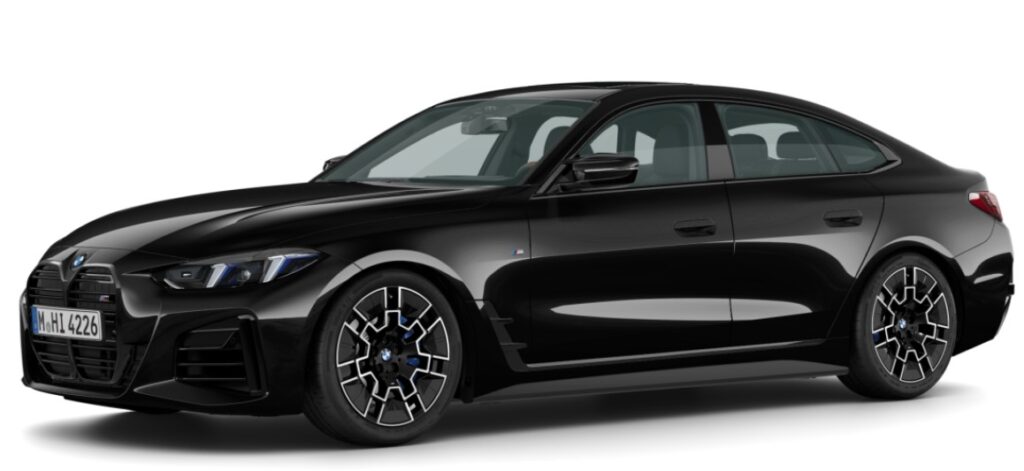
The BMW 4 Series has earned a reputation as one of the most stylish and enjoyable luxury cars on the road. Whether we're looking at the sleek Coupe, the versatile Gran Coupe, or the wind-in-your-hair Convertible, the 4 Series offers a blend of performance, comfort, and prestige that few rivals can match.
However, buying a used luxury vehicle is a bit like walking through a beautiful forest. The scenery is breathtaking, but there are a few hidden roots that can trip us up if we're not paying attention. Some BMW 4 Series model years have proven far more reliable than others, while certain years have developed a reputation for expensive repairs and recurring mechanical problems.
If we're considering a used BMW 4 Series, knowing which years to avoid can save thousands of dollars and countless headaches. In this guide, we'll explore the most problematic model years, the common issues affecting them, the best alternatives to buy, and the key factors to consider before making a purchase.
Content in this publication
- Understanding the BMW 4 Series
- Why Certain BMW 4 Series Years Should Be Avoided
- BMW 4 Series Years to Avoid
- BMW 4 Series Years That Are Worth Buying
- Common BMW 4 Series Problems Across All Years
- Which BMW 4 Series Engine Is Most Reliable?
- Warning Signs When Buying a Used BMW 4 Series
- Expected Maintenance Costs
- Should We Avoid High-Mileage BMW 4 Series Models?
- Best BMW 4 Series Years for Reliability
- Final Thoughts
- Frequently Asked Questions
Understanding the BMW 4 Series
The BMW 4 Series was introduced as a separate model from the BMW 3 Series in 2014. BMW wanted to create a more premium and sporty lineup for buyers seeking a coupe, convertible, or four-door Gran Coupe.
Since its introduction, the 4 Series has gone through two major generations, each bringing new technology, updated engines, and improved driving dynamics.
First Generation (2014–2020)
The first-generation 4 Series included:
- BMW 428i
- BMW 430i
- BMW 435i
- BMW 440i
- M4 performance variants
This generation quickly became popular thanks to its sharp handling and elegant design.
Second Generation (2021–Present)
The second generation introduced:
- Larger dimensions
- Updated interiors
- Advanced driver-assistance systems
- Improved powertrains
- The controversial oversized kidney grille
While the newer models offer impressive technology, early examples experienced some growing pains.
Why Certain BMW 4 Series Years Should Be Avoided
No car is perfect. Even BMW's engineering expertise cannot completely eliminate first-year production issues or component weaknesses.
The most problematic BMW 4 Series years tend to suffer from:
- Timing chain failures
- Turbocharger issues
- Oil leaks
- Electrical faults
- Cooling system failures
- Software glitches
- Expensive maintenance requirements
These problems don't affect every vehicle, but they occur frequently enough to influence buying decisions.
BMW 4 Series Years to Avoid
2014 BMW 4 Series
The 2014 BMW 4 Series is widely considered the riskiest year to purchase.
As the first year of production, it experienced numerous issues that BMW gradually addressed in later models.
Timing Chain Problems
Many 428i models equipped with the N20 turbocharged four-cylinder engine experienced timing chain failures.
Symptoms include:
- Rattling noises
- Rough running
- Check engine lights
- Engine damage if ignored
Timing chain repairs can be extremely expensive, making this one of the most concerning issues associated with early 4 Series models.
Oil Leaks
The 2014 model frequently develops oil leaks from:
- Valve cover gaskets
- Oil filter housing gaskets
- Oil pan seals
While not catastrophic, these repairs can become costly over time.
Turbocharger Issues
Some owners reported:
- Loss of boost pressure
- Turbo wastegate rattles
- Reduced performance
- Premature turbo wear
When turbochargers fail, repair bills can quickly climb into the thousands.
2015 BMW 4 Series
Although slightly improved, the 2015 model inherited many of the same concerns.
Timing Chain Wear
The N20 engine continued to generate complaints regarding timing chain durability.
While not every vehicle was affected, the risk remained significant enough to warrant caution.
Electrical Problems
Common complaints included:
- Infotainment system freezes
- Bluetooth connectivity failures
- Battery drain issues
- Sensor malfunctions
Luxury vehicles rely heavily on electronics, and electrical problems can be difficult to diagnose.
Cooling System Failures
BMW cooling systems often rely on plastic components that can deteriorate over time.
Affected parts may include:
- Water pumps
- Thermostats
- Expansion tanks
Ignoring cooling issues can lead to overheating and engine damage.
2016 BMW 4 Series
The 2016 model represents a transitional year.
BMW corrected several earlier issues, but some concerns persisted.
You may be interested in reading BMW 4 Series Reliability: The Complete Guide to Dependability, Common Problems, and Long-Term Ownership
Fuel System Problems
A small number of owners experienced failures involving:
- High-pressure fuel pumps
- Fuel injectors
- Fuel pressure sensors
Symptoms often included rough idling and difficulty starting.
Higher Oil Consumption
Some vehicles consumed more oil than expected, requiring frequent top-ups between service intervals.
While not necessarily a deal-breaker, it's something buyers should monitor carefully.
2021 BMW 4 Series
The launch of the second-generation 4 Series brought substantial changes.
Unfortunately, first-year redesigns often reveal unforeseen problems.
Software Glitches
Owners reported issues involving:
- Frozen infotainment screens
- Navigation system errors
- Smartphone connectivity problems
- System reboots
Most issues were software-related rather than mechanical.
Driver Assistance Malfunctions
Some vehicles displayed warnings involving:
- Parking sensors
- Lane departure systems
- Adaptive cruise control
- Collision avoidance systems
Software updates resolved many of these problems, but buyers should verify service history.
BMW 4 Series Years That Are Worth Buying
While some years deserve caution, several model years stand out for their reliability.
2018 BMW 4 Series
The 2018 model is often considered one of the safest used purchases.
Benefits include:
- Improved reliability
- Refined electronics
- Better quality control
- Strong owner satisfaction ratings
2019 BMW 4 Series
Many enthusiasts consider the 2019 model the sweet spot of the first generation.
Advantages include:
- Mature platform
- Proven powertrains
- Excellent performance
- Fewer reported defects
2020 BMW 4 Series
The final year of the first generation benefited from years of refinement.
Owners often praise:
- Reliability
- Build quality
- Comfort
- Long-term durability
2022 and Newer Models
BMW addressed many issues found in the 2021 launch-year vehicles.
Newer models generally offer:
- Improved software
- Better manufacturing consistency
- Enhanced technology
- Stronger reliability ratings
Common BMW 4 Series Problems Across All Years
Even the best model years can experience age-related issues.
Oil Leaks
Oil leaks remain one of the most common BMW ownership experiences.
Frequent leak points include:
- Valve cover gaskets
- Oil filter housing gaskets
- Oil pan seals
Routine inspections help catch these issues early.
Cooling System Wear
BMW cooling systems work hard, particularly in turbocharged vehicles.
Components that commonly fail include:
- Water pumps
- Thermostats
- Radiator hoses
- Expansion tanks
Preventive maintenance is essential.
Suspension Component Wear
Sport-oriented suspension systems provide excellent handling but may wear faster than those in mainstream vehicles.
Watch for:
- Clunking noises
- Steering vibration
- Uneven tire wear
Carbon Buildup
Direct-injection engines can accumulate carbon deposits on intake valves.
Symptoms may include:
- Reduced power
- Rough idle
- Poor fuel economy
Periodic cleaning can restore performance.
You may be interested in readingBMW 4 Series Reliability: The Complete Guide to Dependability, Common Problems, and Long-Term OwnershipYou may be interested in reading
BMW 4 Series Insurance Group: Complete Guide to Costs, Ratings, and SavingsWhich BMW 4 Series Engine Is Most Reliable?
N20 Engine
Found primarily in early 428i models.
Pros:
- Strong fuel economy
- Good performance
Cons:
- Timing chain concerns
- Turbocharger issues
B48 Engine
Introduced as a replacement for the N20.
Benefits include:
- Improved reliability
- Better efficiency
- Fewer major defects
Many experts recommend the B48-powered 430i.
B58 Engine
The B58 six-cylinder engine has become one of BMW's most celebrated modern engines.
Advantages include:
- Outstanding reliability
- Smooth power delivery
- Strong performance potential
If budget allows, a BMW 440i equipped with the B58 is often the best choice.
Warning Signs When Buying a Used BMW 4 Series
Before purchasing any used BMW 4 Series, watch for these red flags.
Missing Service Records
A lack of maintenance documentation should immediately raise concerns.
Engine Rattles
Timing chain noise can indicate expensive future repairs.
Oil Odors
Oil smells inside the cabin may suggest gasket leaks.
Warning Lights
Never ignore:
- Check engine lights
- ABS warnings
- Drivetrain malfunction messages
Professional diagnostics are highly recommended.
Expected Maintenance Costs
BMW ownership requires budgeting for maintenance.
Typical repair and maintenance costs include:
| Service | Typical Cost |
|---|---|
| Oil Change | $100–$200 |
| Brake Service | $300–$800 |
| Water Pump Replacement | $700–$1,500 |
| Turbo Replacement | $1,500–$4,000 |
| Timing Chain Repair | $2,000–$5,000+ |
Preventive maintenance almost always costs less than major repairs.
Should We Avoid High-Mileage BMW 4 Series Models?
Not necessarily.
Mileage is only one piece of the puzzle.
A well-maintained BMW with 120,000 miles can often be a better purchase than a neglected vehicle with half the mileage.
Focus on:
- Service history
- Maintenance records
- Ownership history
- Vehicle condition
Maintenance matters more than numbers on the odometer.
Best BMW 4 Series Years for Reliability
If reliability is your primary concern, these are the strongest choices:
- 2018 BMW 4 Series
- 2019 BMW 4 Series
- 2020 BMW 4 Series
- 2022 BMW 4 Series
- 2023 BMW 4 Series
These years combine proven engineering with fewer reported problems.
Final Thoughts
The BMW 4 Series remains one of the most attractive luxury cars available on the used market. Its blend of performance, refinement, and everyday usability makes it an appealing alternative to competitors from Audi and Mercedes-Benz.
However, not every model year deserves equal consideration. The 2014 and 2015 models are generally the BMW 4 Series years to avoid due to timing chain concerns, oil leaks, and first-year production issues. Buyers should also approach early 2021 models with caution because of software and technology-related problems.
For the best ownership experience, the 2018, 2019, 2020, and newer 2022+ models stand out as the safest bets. With proper maintenance and a thorough pre-purchase inspection, a BMW 4 Series can provide years of driving enjoyment without turning into a money pit.
Frequently Asked Questions
What is the worst BMW 4 Series year to buy?
The 2014 BMW 4 Series is generally considered the riskiest due to timing chain and early-production issues.
Is the BMW 4 Series reliable?
Later models, particularly 2018 and newer examples, are generally considered reliable when properly maintained.
Which BMW 4 Series engine is best?
The B58 six-cylinder engine is widely regarded as the most reliable and enjoyable option.
You may be interested in readingBMW 4 Series Reliability: The Complete Guide to Dependability, Common Problems, and Long-Term OwnershipYou may be interested in reading
BMW 4 Series Insurance Group: Complete Guide to Costs, Ratings, and SavingsYou may be interested in reading
Is BMW 4 Series a Good Car? The Complete Buyer’s GuideShould I buy a BMW 4 Series with over 100,000 miles?
Yes, provided it has a documented maintenance history and passes a professional inspection.
Are BMW 4 Series repairs expensive?
They can be, especially if major components such as the timing chain, turbocharger, or cooling system require replacement.
If you want to know other articles similar to BMW 4 Series Years to Avoid: The Ultimate Used Buyer’s Guide you can visit the category Blog.
Is Vauxhall Agila a Good Car? Reliability, Problems and Buying Guide

Honda Passport Life Expectancy: How Many Miles Can It Last?
Honda Passport Depreciation: How Well Does It Hold Its Value?

Nissan Rogue Reliability Rating: How Reliable Is the Rogue?
Nissan Rogue Life Expectancy: How Long Does It Last?
Vauxhall Agila Reliability: Common Problems, Best Engines and What to Check
Leave a Reply
More content of your interest