
Dacia Reliability: Are Dacia Cars Reliable?

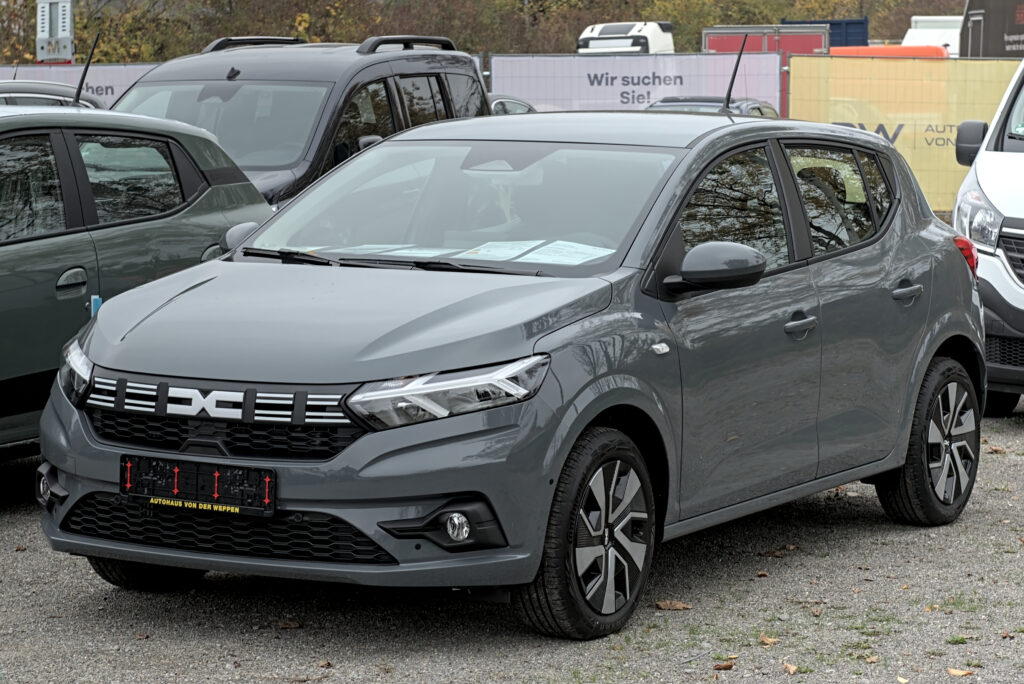
Dacia has become one of Europe's most popular budget car manufacturers, offering affordable vehicles that focus on practicality, fuel efficiency, and straightforward engineering. However, many potential buyers still ask an important question: Are Dacia cars reliable?
The answer is generally yes. Dacia vehicles can provide dependable everyday transportation, particularly when they receive proper maintenance and use well-established engines. Nevertheless, reliability varies depending on the model, engine, production year, and previous ownership.
Some Dacia models have achieved impressive results in independent reliability surveys, while others have experienced electrical faults, engine problems, suspension wear, and occasional build-quality issues.
In this comprehensive guide, we'll examine Dacia reliability, identify the most common problems, compare popular models, explore engine longevity, and explain whether buying a new or used Dacia is a sensible decision.
Content in this publication
- Are Dacia Cars Reliable?
- Dacia Reliability Ratings
- Why Are Dacia Cars So Cheap?
- Dacia Sandero Reliability
- Dacia Duster Reliability
- Dacia Jogger Reliability
- Dacia Spring Reliability
- Dacia Bigster Reliability
- Most Common Dacia Problems
- Which Dacia Engine Is Most Reliable?
- Are Dacia Hybrid Cars Reliable?
- How Long Do Dacia Cars Last?
- Are Dacia Cars Expensive to Maintain?
- Dacia Warranty and Reliability
- Dacia vs Toyota Reliability
- Dacia vs Renault Reliability
- Best Used Dacia Models for Reliability
- Which Dacia Engines Should You Avoid?
- How to Improve Dacia Reliability
- Is Buying a Used Dacia a Good Idea?
- Frequently Asked Questions About Dacia Reliability
- Conclusion: Is Dacia a Reliable Brand?
Are Dacia Cars Reliable?
Dacia cars are generally considered reasonably reliable, especially when we consider their affordable purchase prices.
The manufacturer belongs to Renault Group and benefits from shared engines, platforms, and mechanical components. This allows Dacia to use established engineering solutions while keeping development and production costs relatively low.
According to a What Car? reliability survey reported in 2026, Dacia achieved an overall manufacturer reliability score of 93.6%, ranking 11th among 30 brands.
This suggests that Dacia can compete with more expensive manufacturers when it comes to dependability.
However, several factors influence the reliability of individual vehicles:
- Engine type: Some Dacia engines have stronger reliability records than others.
- Maintenance history: Regular servicing significantly influences mechanical longevity.
- Driving conditions: Frequent short journeys can create additional problems for diesel engines.
- Vehicle age: Older vehicles may develop electrical, suspension, or cooling-system issues.
- Mileage: High-mileage cars require closer inspection of wear-related components.
- Previous ownership: Poor maintenance can reduce the lifespan of otherwise dependable vehicles.
We should also distinguish between mechanical reliability and overall build quality.
A Dacia may have inexpensive interior plastics, relatively basic sound insulation, or fewer luxury features without necessarily being mechanically unreliable.
These compromises are part of the manufacturer's strategy to offer affordable vehicles.
Dacia Reliability Ratings
Independent reliability surveys provide useful information about how Dacia vehicles perform in everyday ownership.
However, different surveys use different methods, sample sizes, and vehicle age groups. Their results should therefore be treated as indicators rather than guarantees.
The following figures illustrate results reported for selected Dacia models.
| Dacia Model | Reported Reliability Score |
|---|---|
| Dacia brand overall | 93.6% |
| Dacia Sandero (2021 onward) | 93.1% |
| Dacia Duster (2018–2024) | 98.8% |
| Dacia Jogger | 91.5% |
These results suggest that certain Dacia vehicles can deliver competitive reliability.
The second-generation Duster stands out with an especially strong reported score.
However, even a model with an excellent rating can develop expensive problems if it has been neglected or poorly maintained.
For this reason, we recommend examining individual vehicle history rather than relying exclusively on brand reputation.
Why Are Dacia Cars So Cheap?
One of the most common concerns among potential buyers is whether Dacia's low prices reflect inferior engineering.
Although inexpensive materials and simplified equipment contribute to lower prices, affordability does not automatically mean poor reliability.
Dacia benefits from being part of Renault Group.
Many of its vehicles share engines, transmissions, electronic components, and platforms with Renault models.
This approach reduces development costs and makes it possible to use technologies that have already appeared in other vehicles.
Shared engineering may also make replacement parts easier to obtain and maintenance more familiar to independent garages.
However, it also means certain mechanical problems can affect vehicles from both manufacturers.
Simple Interior Materials
Dacia prioritises practical interiors rather than expensive decorative materials.
Hard plastics, straightforward dashboards, and conventional controls are common features.
Although these materials may scratch or develop rattles over time, they help reduce production expenses.
Reduced Manufacturing Complexity
Many Dacia models have traditionally offered relatively simple mechanical configurations and fewer premium electronic features.
Modern versions now include advanced driver-assistance equipment, touchscreen infotainment systems, and hybrid powertrains.
Nevertheless, the manufacturer continues to focus on providing essential features at competitive prices.
Economies of Scale
Using common components across multiple Renault Group vehicles allows Dacia to benefit from larger production volumes.
This helps explain why the manufacturer can sell practical vehicles for less than many competitors.
Dacia Sandero Reliability
The Dacia Sandero is one of the manufacturer's best-known models.
It is particularly attractive to drivers who want an economical hatchback with sufficient interior space and relatively low ownership costs.
The latest generations offer improved equipment, updated engines, and more modern safety features.
In a What Car? reliability survey, the Sandero generation introduced in 2021 achieved a reported reliability score of 93.1%.
This represents a respectable result, although it does not make the Sandero the most reliable vehicle in its class.
Common Dacia Sandero Problems
Several issues deserve attention when buying a used Sandero.
Electrical faults: Some owners report dashboard warning lights, malfunctioning sensors, or infotainment problems.
Suspension wear: Older vehicles may develop worn bushes, ball joints, or other suspension components.
Clutch problems: High-mileage manual vehicles may experience clutch slipping or difficulty changing gears.
Interior rattles: Basic trim materials can produce unwanted noises as vehicles age.
Engine management issues: Faulty sensors or electronic components may trigger warning messages.
Not every Sandero experiences these problems, and many examples provide dependable service.
Is the Dacia Sandero a Good Used Car?
The Sandero can be an excellent choice for affordable everyday transportation.
We recommend prioritising vehicles with documented servicing, smooth engine operation, and no unresolved warning lights.
A professionally inspected Sandero with a complete maintenance history may offer better value than a newer but poorly maintained example.
Dacia Duster Reliability
The Dacia Duster is one of the most appealing affordable SUVs available in many European markets.
It combines practical interior space, useful ground clearance, competitive running costs, and optional four-wheel drive on selected versions.
The second-generation Duster, produced from 2018 to 2024, achieved a reported 98.8% reliability score in a What Car? survey published in 2026.
This is an encouraging result for drivers considering a used Duster.
However, the vehicle's dependability varies according to its engine and maintenance history.
Common Dacia Duster Problems
Electrical Problems
Some Duster owners experience dashboard warning lights, sensor faults, and infotainment malfunctions.
These issues may involve wiring, electrical connections, software, or individual electronic components.
Diesel Particulate Filter Problems
Diesel Dusters can develop DPF problems when regularly driven over short distances.
Diesel particulate filters require suitable operating conditions to remove accumulated soot.
If regeneration is repeatedly interrupted, the filter may become blocked.
Suspension Wear
Vehicles frequently driven on rough roads may develop worn suspension bushes, shock absorbers, or ball joints.
Unusual knocking noises and uneven tyre wear should be investigated.
Engine Oil Consumption
Certain older Duster versions equipped with the 1.2 TCe petrol engine have experienced excessive oil consumption.
In severe cases, this problem can contribute to significant engine damage.
Buyers should investigate the vehicle's engine history carefully.
Is the Dacia Duster Reliable Long-Term?
A properly maintained Duster can provide many years of dependable service.
We particularly recommend checking the engine type, servicing records, suspension condition, and previous repair history.
The newer generation introduced in 2024 offers updated technology and powertrains, but it has less long-term reliability history.
Dacia Jogger Reliability
The Dacia Jogger offers an unusual combination of affordability, family practicality, and seating for up to seven occupants.
It is designed for drivers who need a spacious vehicle without paying the higher prices associated with many conventional seven-seat SUVs.
The Jogger uses Renault Group technology and offers petrol, LPG, and hybrid powertrains, depending on the version.
A What Car? reliability survey reported a score of 91.5% for the Jogger.
While this suggests reasonably good dependability, some owners have reported electrical problems.
Common Dacia Jogger Problems
Potential issues include:
- Unexpected dashboard warning lights.
- Infotainment software faults.
- Electronic sensor malfunctions.
- Occasional engine management problems.
- Interior trim rattles.
- Hybrid-system warning messages on some versions.
We should emphasise that a warning light does not necessarily indicate a major mechanical failure.
Some problems may be resolved through software updates or replacement sensors.
However, repeated warning messages should always be diagnosed properly.
Is the Dacia Jogger Worth Buying?
For families seeking affordable seven-seat transportation, the Jogger offers considerable value.
We recommend checking the vehicle's electronic systems, maintenance history, and any outstanding recall work before purchasing.
Dacia Spring Reliability
The Dacia Spring is an affordable electric city car designed primarily for urban transportation.
You may be interested in reading Dacia Sandero Engines: Full Specifications, Fuel Efficiency, and Performance Comparison
Because it uses an electric motor rather than a conventional petrol or diesel engine, its maintenance requirements are different.
Electric vehicles do not require traditional engine oil changes, spark plugs, or exhaust-system repairs.
This mechanical simplicity can reduce some routine servicing expenses.
However, electric vehicles also have specialised components that require attention.
Common Dacia Spring Problems
Potential concerns include:
- Charging-system faults.
- Battery management system errors.
- Twelve-volt battery failures.
- Electronic warning messages.
- Software problems.
- Gradual battery capacity degradation.
Battery degradation is particularly important when evaluating a used electric vehicle.
Although some capacity loss is normal over time, significant deterioration can reduce driving range.
Is the Dacia Spring Reliable?
The Spring can be an economical choice for city driving.
However, its long-term reliability record is less established than that of older petrol-powered Dacia models.
We recommend checking battery health, charging performance, warranty coverage, and service records before buying.
Dacia Bigster Reliability
The Dacia Bigster is a larger SUV designed for buyers seeking additional space and modern technology at a competitive price.
It expands Dacia's range with updated powertrains, including hybrid options.
Because the Bigster is relatively new, there is currently less long-term reliability evidence than for established models such as the Sandero and Duster.
Shared Renault Group components provide some familiarity, but they do not guarantee that every system will prove trouble-free.
Over time, owner surveys and higher-mileage examples will provide a clearer picture of the Bigster's reliability.
For now, we recommend paying particular attention to servicing requirements, warranty coverage, and any emerging technical updates.
Most Common Dacia Problems
Although Dacia vehicles can be dependable, certain problems appear repeatedly in owner experiences and used-car inspections.
Understanding these issues can help us identify potential repair costs before purchasing.
1. Electrical Faults
Electrical problems are among the more frequently reported issues across several Dacia models.
Symptoms may include:
- Dashboard warning lights.
- Central locking malfunctions.
- Faulty parking sensors.
- Infotainment screen problems.
- Intermittent electronic failures.
These faults can have several causes, including weak batteries, wiring problems, faulty sensors, and software errors.
A diagnostic scan can help identify the source of persistent warning messages.
2. Suspension Problems
Suspension components naturally wear as vehicles accumulate mileage.
Older Dacia models may develop knocking noises, uneven tyre wear, or reduced ride comfort.
Commonly affected components can include suspension bushes, ball joints, anti-roll bar links, and shock absorbers.
Rough road conditions and frequent pothole impacts can accelerate deterioration.
3. Excessive Engine Oil Consumption
Some older Dacia petrol engines have experienced excessive oil consumption.
The 1.2 TCe engine used in certain older models deserves particular attention.
Possible warning signs include frequent oil top-ups, blue exhaust smoke, unusual engine noises, and low oil levels.
Ignoring excessive oil consumption can eventually result in expensive mechanical damage.
4. Diesel Particulate Filter Issues
Diesel Dacias can experience DPF problems, particularly when used primarily for short urban journeys.
The DPF captures soot particles and requires periodic regeneration.
Repeatedly interrupted regeneration can lead to restrictions or blockages.
Symptoms may include warning lights, reduced performance, increased fuel consumption, and repeated regeneration attempts.
5. Clutch and Gearbox Wear
Clutch wear is another potential issue on older manual Dacia vehicles.
Symptoms include difficulty selecting gears, clutch slipping, vibrations, and unusual transmission noises.
The severity depends on mileage, driving conditions, and previous ownership.
Vehicles used extensively in heavy traffic may experience greater clutch wear than those driven mainly on motorways.
6. Interior Build Quality
Dacia interiors are generally designed to prioritise affordability and functionality.
Hard plastics, basic upholstery, and relatively simple fittings may show wear as vehicles age.
Owners sometimes report rattles, scratched surfaces, and loose trim components.
Although these problems may not affect mechanical reliability, they can reduce perceived quality.
Which Dacia Engine Is Most Reliable?
Engine selection is one of the most important decisions when buying a Dacia.
Different generations have used several petrol, diesel, LPG, and hybrid powertrains.
Each offers its own advantages and potential weaknesses.
Dacia 1.0 TCe Engine Reliability
The 1.0 TCe is a small turbocharged petrol engine used in several modern Dacia models.
Its main advantages include relatively low fuel consumption, compact dimensions, and adequate everyday performance.
It is suitable for many drivers who combine urban journeys with occasional motorway travel.
However, proper servicing is essential.
We recommend checking for oil leaks, unusual turbocharger noises, irregular acceleration, and warning lights.
A complete service history is particularly valuable.
Dacia 1.3 TCe Engine Reliability
The 1.3 TCe petrol engine appears in certain Duster versions and offers stronger performance than smaller petrol alternatives.
It is particularly attractive for drivers who regularly carry passengers or travel on motorways.
As a turbocharged engine, it requires correct oil specifications and scheduled maintenance.
Potential buyers should check for smooth acceleration, unusual noises, and evidence of neglected servicing.
A properly maintained example can be a sensible choice for drivers seeking a balance between performance and economy.
Dacia 1.5 dCi Engine Reliability
The 1.5 dCi diesel engine has been used extensively across Renault Group vehicles.
Later versions can provide excellent fuel economy and substantial mileage when maintained correctly.
However, potential problems include:
- Fuel injector faults.
- Diesel particulate filter blockages.
- Turbocharger wear.
- Emissions-control system problems.
- Timing-belt maintenance requirements.
We generally consider diesel Dacias more appropriate for drivers who frequently complete longer journeys.
Dacia 1.2 TCe Engine Reliability
Certain earlier 1.2 TCe petrol engines have a less favourable reliability history.
Excessive oil consumption and related mechanical problems have been reported in some applications.
For this reason, we recommend additional caution when evaluating a used Dacia equipped with this engine.
A thorough mechanical inspection and documented maintenance history are especially important.
Dacia ECO-G LPG Engine Reliability
Dacia offers factory-engineered petrol and LPG vehicles in selected markets.
These models can operate using either petrol or liquefied petroleum gas.
Their main attraction is the potential for lower fuel expenses where LPG is competitively priced.
However, reliability depends on the particular engine, LPG equipment, maintenance quality, and operating conditions.
We recommend ensuring that both fuel systems operate correctly and that all scheduled LPG inspections have been completed.
Are Dacia Hybrid Cars Reliable?
Dacia increasingly offers hybrid technology across its vehicle range.
Hybrid systems combine petrol engines with electric motors to improve efficiency, particularly during urban driving.
These powertrains can reduce fuel consumption and recover energy during braking.
However, they also contain additional components compared with conventional petrol engines.
Potential areas requiring attention include high-voltage batteries, electric motors, control electronics, and specialised transmissions.
Modern Dacia hybrid systems have not yet accumulated the same extensive long-term ownership history as some established hybrid competitors.
This does not mean they are unreliable.
Instead, we should acknowledge that several more years of ownership data will be needed to assess their durability confidently.
Buyers should consider the specific powertrain generation, warranty terms, and maintenance requirements.
How Long Do Dacia Cars Last?
A well-maintained Dacia can potentially exceed 150,000 miles, and some examples may reach 200,000 miles or more.
You may be interested in readingDacia Sandero Engines: Full Specifications, Fuel Efficiency, and Performance ComparisonYou may be interested in reading
Dacia Sandero Fuel Tank Capacity: Complete GuideHowever, these figures are possible outcomes rather than guaranteed lifespans.
Actual longevity depends on engine design, maintenance, driving style, climate, and previous repairs.
| Mileage | What to Expect |
|---|---|
| Under 30,000 miles | Generally limited mechanical wear |
| 30,000–60,000 miles | Routine servicing and wear-related maintenance |
| 60,000–100,000 miles | Greater attention to suspension, clutch and scheduled major servicing |
| 100,000–150,000 miles | Increased possibility of age-related repairs |
| Over 150,000 miles | Mechanical condition and repair history become especially important |
A high-mileage Dacia that has received regular servicing may be more dependable than a low-mileage example with neglected maintenance.
For this reason, we should never evaluate reliability based on mileage alone.
Are Dacia Cars Expensive to Maintain?
One of Dacia's strongest advantages is the potential for relatively affordable maintenance.
The manufacturer uses many components shared with Renault vehicles, which can make replacement parts and independent servicing more accessible.
Routine maintenance generally includes oil changes, filters, brake components, tyres, and scheduled inspections.
However, repair costs vary considerably according to the vehicle and problem.
Routine Dacia Maintenance
Typical maintenance tasks include:
- Engine oil and filter replacement.
- Air filter replacement.
- Cabin filter replacement.
- Brake inspections.
- Tyre replacement.
- Coolant checks.
- Suspension inspections.
- Timing-belt replacement where required.
Owners should always follow the maintenance schedule for their exact engine and model.
Expensive Dacia Repairs
Although ordinary maintenance can be affordable, some repairs may be expensive.
Examples include major engine repairs, turbocharger replacement, automatic transmission work, and hybrid-system faults.
Electrical control modules can also be costly to replace.
Consequently, buying a cheap Dacia does not eliminate the need for an emergency maintenance budget.
Dacia Warranty and Reliability
Warranty coverage can reduce the financial impact of unexpected mechanical problems.
In the UK, new Dacia vehicles generally include a three-year or 60,000-mile manufacturer's warranty, whichever comes first.
Additional warranty programmes may be available for eligible vehicles, subject to servicing conditions and other requirements.
Warranty arrangements vary between countries and can change over time.
We recommend checking the coverage applicable to the specific vehicle.
It is also important to remember that a warranty does not guarantee reliability.
Instead, it provides financial protection against certain qualifying faults.
Dacia vs Toyota Reliability
Toyota has a long-established reputation for reliability, particularly through its mature petrol and hybrid powertrains.
Dacia focuses more heavily on affordability and straightforward ownership.
| Category | Dacia | Toyota |
|---|---|---|
| Purchase price | Generally lower | Generally higher |
| Interior quality | Basic and practical | Often more refined |
| Reliability reputation | Respectable but model-dependent | Strong across many established models |
| Hybrid experience | Relatively recent | Extensive |
| Maintenance | Potentially affordable | Often predictable |
| Main advantage | Value for money | Established dependability |
Toyota may appeal more to drivers who prioritise long-term reliability and resale value.
However, Dacia can offer better initial affordability.
The most sensible choice depends on the exact models, engines, and purchase prices being compared.
Dacia vs Renault Reliability
Dacia and Renault share numerous mechanical components and technologies.
However, this does not make their vehicles identical.
Renault generally offers more equipment, additional comfort features, and a wider selection of powertrains.
Dacia focuses on practical essentials and lower purchase prices.
Shared engines may experience similar mechanical weaknesses, while differences in electronic equipment and vehicle design can influence reliability.
We recommend comparing specific vehicles rather than assuming either brand is automatically more dependable.
Best Used Dacia Models for Reliability
Choosing a used Dacia requires balancing reliability, practicality, maintenance costs, and purchase price.
Three models deserve particular consideration.
Dacia Sandero (2021 Onward)
The Sandero offers affordable transportation, relatively efficient engines, and a practical interior.
It is particularly suitable for drivers seeking a budget-friendly everyday hatchback.
We recommend checking the service history and electronic systems before purchasing.
Dacia Duster (2018–2024)
The second-generation Duster combines SUV practicality with an encouraging reported reliability record.
It is an appealing option for drivers who need extra ground clearance and interior space.
Engine choice and maintenance remain important.
Dacia Jogger (2022 Onward)
The Jogger provides affordable family transportation with flexible seating.
Its main strengths include practicality, space, and value for money.
Potential buyers should check the electrical equipment and investigate any recurring warning messages.
Which Dacia Engines Should You Avoid?
There is no need to reject every engine that has experienced reported problems.
However, some powertrains deserve additional caution.
Certain older 1.2 TCe petrol engines have been associated with excessive oil consumption and potentially serious mechanical damage.
Older diesel vehicles with unresolved DPF problems may also become expensive to repair.
We would be cautious about purchasing any Dacia with the following symptoms:
- Persistent engine warning lights.
- Excessive oil consumption.
- Unusual engine noises.
- Significant coolant loss.
- Repeated overheating.
- Transmission slipping.
- Missing maintenance records.
A professional inspection can help determine whether these symptoms indicate a minor repair or a more serious problem.
How to Improve Dacia Reliability
Preventive maintenance is one of the most effective ways to extend the life of a Dacia.
Follow the Maintenance Schedule
Always follow the manufacturer's servicing recommendations.
Use the correct engine oil and approved replacement components.
Check Fluid Levels Regularly
Monitoring engine oil and coolant levels can help identify problems before major damage occurs.
Unexpected fluid loss should be investigated promptly.
Avoid Ignoring Warning Lights
Dashboard warning lights may indicate electronic faults, emissions problems, or mechanical issues.
Repeatedly resetting warnings without identifying the cause can allow underlying problems to worsen.
Inspect Suspension Components
Suspension wear becomes more likely as vehicles age.
We recommend arranging inspections if the vehicle develops unusual knocking noises, unstable handling, or uneven tyre wear.
Maintain the Battery
Weak twelve-volt batteries can cause electrical problems and unexpected warning messages.
Battery condition should be checked periodically, particularly on older vehicles.
Keep Complete Service Records
Detailed maintenance records help demonstrate that a vehicle has been properly cared for.
They can also make troubleshooting easier and improve resale appeal.
Is Buying a Used Dacia a Good Idea?
Buying a used Dacia can be an excellent financial decision, particularly for drivers who value affordability over luxury.
However, we should never assume that every inexpensive vehicle represents good value.
A poorly maintained Dacia may require repairs that eliminate much of the initial saving.
Before buying, we recommend completing the following checks:
- Review the service history: Confirm regular maintenance and scheduled major servicing.
- Inspect the engine: Look for oil leaks, unusual noises, and excessive exhaust smoke.
- Test the transmission: Check for smooth gear changes and proper clutch operation.
- Check electronic equipment: Test infotainment, sensors, warning lights, and central locking.
- Examine the suspension: Listen for knocking noises and inspect tyre wear.
- Verify the vehicle history: Investigate previous accidents, mileage discrepancies, and outstanding finance where applicable.
- Check recalls: Ensure relevant manufacturer recall work has been completed.
- Arrange an independent inspection: A professional assessment can reveal problems that are not obvious during a short test drive.
A vehicle with slightly higher mileage but a complete service history may be a better purchase than a lower-mileage example with uncertain maintenance.
Frequently Asked Questions About Dacia Reliability
1. Is Dacia a Reliable Car Brand?
Yes, Dacia is generally considered a reasonably reliable manufacturer. Several models have achieved competitive results in independent reliability surveys. However, dependability varies by engine, model year, and maintenance history.
2. Which Dacia Is the Most Reliable?
The second-generation Dacia Duster achieved a particularly strong 98.8% result in a reliability survey reported in 2026. However, this does not guarantee that every Duster is more dependable than every Sandero or Jogger. The condition of the individual vehicle remains essential.
3. Are Dacia Engines Reliable?
Many Dacia engines can provide dependable service when maintained correctly. Modern 1.0 TCe and 1.3 TCe petrol engines and later 1.5 dCi diesel engines may be worth considering depending on driving needs. Certain older 1.2 TCe engines deserve additional caution because of reported oil-consumption problems.
4. Can a Dacia Last 200,000 Miles?
Some Dacia vehicles can potentially reach 200,000 miles with careful maintenance and necessary repairs. However, this is not guaranteed. Engine condition, servicing, road conditions, and previous ownership all influence vehicle lifespan.
5. Is Dacia More Reliable Than Renault?
Neither brand is universally more reliable. Dacia and Renault share various mechanical components, so certain engine-related strengths and weaknesses overlap. Comparing specific models and powertrains provides a more accurate assessment than relying only on manufacturer reputation.
Conclusion: Is Dacia a Reliable Brand?
Dacia offers a convincing combination of affordability, practicality, and respectable reliability, making it an attractive choice for budget-conscious drivers.
The Sandero provides economical everyday transportation, the Duster combines SUV practicality with encouraging reliability results, and the Jogger offers generous family space at a competitive price.
However, Dacia ownership is not completely free from potential problems.
Electrical faults, suspension wear, diesel emissions issues, and certain older petrol-engine weaknesses demonstrate why careful vehicle selection matters.
Newer hybrid and electric models introduce additional possibilities, although their long-term dependability will become clearer as more vehicles accumulate higher mileage.
We believe a properly maintained Dacia can be an excellent purchase, especially for drivers who prioritise practicality and low initial costs over premium interior materials and advanced luxury equipment.
Ultimately, Dacia reliability depends less on the badge itself and more on choosing the right engine, following the maintenance schedule, and purchasing a vehicle with a verified ownership history.
You may be interested in readingDacia Sandero Engines: Full Specifications, Fuel Efficiency, and Performance ComparisonYou may be interested in reading
Dacia Sandero Fuel Tank Capacity: Complete GuideYou may be interested in reading
 Dacia Towing Capacity Guide (All Models and Years)
For drivers seeking affordable and dependable transportation, Dacia remains a brand worth considering.
If you want to know other articles similar to Dacia Reliability: Are Dacia Cars Reliable? you can visit the category Blog.
Volvo S90 Reliability: Problems, Costs & Best Years
Is Haval Jolion a Good Car? Honest Review, Reliability, Pros and Cons
How to Start Haval Jolion With Spare Key: Complete Guide
How to Calculate Per Diem on an Auto Loan

How to Calculate the Residual Value of a Car
Is the Honda Passport Selling Well? Sales Numbers Tell the Story
Leave a Reply
More content of your interest