

Ford C-Max Years: Complete Guide to Every Generation and Model Year

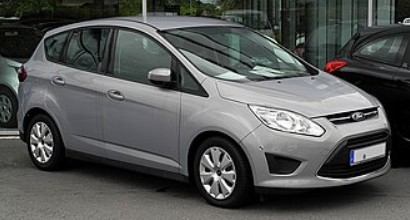
The Ford C-Max may not grab headlines like SUVs or muscle cars, but it has quietly earned a reputation as one of Ford’s most practical and versatile family vehicles. Over the years, the C-Max evolved from a compact people carrier into a hybrid-focused model that appealed to drivers seeking efficiency, comfort, and practicality in one package.
If you're researching Ford C-Max years, wondering which model years are the most reliable, or trying to determine which version suits your needs, this comprehensive guide covers everything you need to know. We'll explore the different generations, key changes by year, common issues, best years to buy, and what makes the C-Max a unique choice in the used-car market.
Content in this publication
- The History of the Ford C-Max
- First Generation Ford C-Max (2003–2010)
- 2003–2006 Ford C-Max Years
- 2007–2010 Ford C-Max Facelift Years
- 2010 Ford C-Max Redesign
- Introduction of the Grand C-Max
- 2011–2014 Ford C-Max Years
- The Arrival of Hybrid Technology
- Ford C-Max Hybrid Years (2013–2018)
- Ford C-Max Energi Years
- 2015 Ford C-Max Refresh
- Technology Improvements Through the Years
- Best Ford C-Max Years to Buy
- Ford C-Max Years to Approach Carefully
- Engine Choices Across Ford C-Max Years
- Fuel Economy Improvements Through the Years
- Safety Evolution of the Ford C-Max
- Ford C-Max Reliability by Year
- Why the Ford C-Max Was Discontinued
- Should You Buy a Used Ford C-Max Today?
- Comparing First and Second Generation C-Max Models
- The Legacy of the Ford C-Max
- Frequently Asked Questions
The History of the Ford C-Max
The Ford C-Max first appeared in 2003 as a compact multi-purpose vehicle (MPV). Built on the same platform as the Ford Focus, it was designed to offer additional interior space while maintaining car-like handling.
Unlike many bulky family vehicles, the C-Max managed to combine practicality with surprisingly enjoyable driving dynamics. Over time, it became a favorite among families, commuters, and drivers looking for a fuel-efficient alternative to larger SUVs.
First Generation Ford C-Max (2003–2010)
The Beginning of the C-Max Story
The original Ford C-Max launched in Europe in 2003 under the name Focus C-Max. Ford later shortened the name to simply "C-Max" in 2007.
This generation focused on:
- Family practicality
- Compact dimensions
- Excellent visibility
- Flexible seating arrangements
- Strong fuel economy
The vehicle shared much of its engineering with the second-generation Ford Focus, which helped deliver confident handling and a comfortable ride.
Popular Engines During Early Years
The first-generation C-Max offered several engine options:
Petrol Engines
- 1.6L Duratec
- 1.8L Duratec
- 2.0L Duratec
Diesel Engines
- 1.6L TDCi
- 1.8L TDCi
- 2.0L TDCi
The diesel models became especially popular in Europe due to their excellent fuel economy and long-distance cruising capability.
2003–2006 Ford C-Max Years
What Made These Early Models Unique?
The earliest Ford C-Max years introduced the formula that would define the model for years to come.
Key features included:
- Elevated driving position
- Sliding rear seat configuration
- Large cargo area
- Spacious cabin
- Focus-based handling
Although innovative, these early models experienced a few growing pains.
Common Problems in Early Models
Some owners reported:
- Electrical glitches
- EGR valve failures
- Turbocharger issues on diesel models
- Suspension wear
- Dual-mass flywheel failures
These issues weren't universal but are worth checking when shopping for older examples.
2007–2010 Ford C-Max Facelift Years
A Significant Improvement
Ford refreshed the C-Max in 2007, bringing:
- New front-end styling
- Improved interior materials
- Better technology
- Enhanced safety features
This facelift helped modernize the vehicle and improved overall refinement.
Why Many Buyers Prefer These Years
The 2007–2010 models benefited from Ford's experience with the platform. Many reliability concerns were addressed, making these years attractive for used-car shoppers.
Advantages include:
- Better build quality
- Improved cabin comfort
- Refined diesel engines
- Updated infotainment options
Second Generation Ford C-Max (2010–2019)
The second generation represented a major leap forward.
Ford redesigned the C-Max from the ground up, creating a more modern vehicle with improved efficiency, technology, and safety.
2010 Ford C-Max Redesign
A Completely New Direction
The 2010 model introduced:
- More aerodynamic styling
- Enhanced fuel economy
- Better safety systems
- Improved driving dynamics
- New engine options
This generation shared its platform with the third-generation Ford Focus.
The result was a vehicle that felt more premium while maintaining practicality.
Introduction of the Grand C-Max
The Family-Friendly Alternative
One of the biggest additions during this era was the Grand C-Max.
The Grand C-Max offered:
- Seven seats
- Sliding rear doors
- Greater cargo capacity
- Improved passenger access
For larger families, the Grand C-Max became a compelling alternative to traditional minivans.
2011–2014 Ford C-Max Years
Expanding Global Popularity
Ford expanded the C-Max into additional markets during this period.
Highlights included:
- EcoBoost engines
- Improved diesel technology
- Better fuel efficiency
- Modern driver-assistance systems
These years helped establish the C-Max as a serious competitor to other compact MPVs.
The Arrival of Hybrid Technology
Ford Embraces Electrification
A major milestone came when Ford introduced hybrid versions of the C-Max.
You may be interested in reading Ford C-Max vs S-Max: The Complete Comparison Guide
The hybrid powertrain combined:
- A gasoline engine
- Electric motor
- Regenerative braking
- Advanced battery technology
This allowed the vehicle to achieve excellent fuel economy without sacrificing practicality.
Ford C-Max Hybrid Years (2013–2018)
A New Chapter in Efficiency
In North America, Ford positioned the C-Max primarily as a hybrid vehicle.
The lineup included:
- C-Max Hybrid
- C-Max Energi Plug-In Hybrid
Both models targeted environmentally conscious buyers.
Benefits of Hybrid Models
Owners appreciated:
- Lower fuel costs
- Quiet operation
- Reduced emissions
- Smooth acceleration
The hybrid system proved especially effective in urban driving conditions.
Ford C-Max Energi Years
The Plug-In Hybrid Option
The C-Max Energi expanded efficiency even further.
Features included:
- Rechargeable battery pack
- Electric-only driving capability
- Regenerative braking
- Reduced fuel consumption
For short daily commutes, many drivers could complete trips with minimal gasoline usage.
2015 Ford C-Max Refresh
Modern Styling Arrives
Ford updated the C-Max in 2015 with styling inspired by other modern Ford vehicles.
Changes included:
- Redesigned grille
- Updated headlights
- Improved interior materials
- New technology features
The refresh helped keep the model competitive in an increasingly crowded market.
Technology Improvements Through the Years
How the C-Max Evolved
As technology advanced, so did the Ford C-Max.
Notable upgrades included:
Safety Systems
- Blind-spot monitoring
- Lane-keeping assistance
- Adaptive cruise control
- Parking assistance
Connectivity Features
- Bluetooth
- USB connectivity
- Touchscreen systems
- Voice controls
These improvements transformed the C-Max from a simple family vehicle into a modern driving companion.
Best Ford C-Max Years to Buy
Top Recommended Years
Not every model year is equal. Some stand out due to reliability, refinement, and value.
2016 Ford C-Max
Why it's recommended:
- Mature hybrid system
- Improved technology
- Good reliability record
- Competitive pricing
2017 Ford C-Max
Benefits include:
- Few reported issues
- Strong fuel economy
- Updated infotainment
- Excellent safety ratings
2018 Ford C-Max
Many enthusiasts consider 2018 one of the strongest years because:
- Hybrid technology was well-developed
- Most early problems had been resolved
- Features remained competitive
2009 Ford C-Max
Among first-generation models, 2009 often receives praise for:
- Reliability improvements
- Refined engines
- Affordable ownership costs
Ford C-Max Years to Approach Carefully
2003–2005 Models
Potential concerns include:
- Electrical issues
- Diesel component failures
- Suspension wear
2013 Hybrid Models
Some early hybrid versions experienced:
- Battery-related concerns
- Software updates
- Fuel economy discrepancies
Most issues were addressed through updates and recalls, but buyers should verify service history.
Engine Choices Across Ford C-Max Years
Petrol Engines
The gasoline lineup evolved significantly.
Popular choices included:
- 1.0 EcoBoost
- 1.5 EcoBoost
- 1.6 EcoBoost
- 2.0 Duratec
Diesel Engines
Diesel options remained strong sellers in Europe.
Common engines:
- 1.5 TDCi
- 1.6 TDCi
- 2.0 TDCi
Hybrid Powertrains
Hybrid models combined performance with efficiency.
Advantages:
You may be interested in readingFord C-Max vs S-Max: The Complete Comparison GuideYou may be interested in reading
Ford C-Max vs B-Max: Which Ford MPV Is the Better Choice?- Lower operating costs
- Smooth driving experience
- Reduced environmental impact
Fuel Economy Improvements Through the Years
Efficiency Becomes a Priority
One of the most noticeable trends in Ford C-Max years was improving fuel efficiency.
Early models focused primarily on practicality.
Later versions introduced:
- EcoBoost technology
- Start-stop systems
- Advanced transmissions
- Hybrid drivetrains
As a result, fuel economy improved significantly over the vehicle's lifespan.
Safety Evolution of the Ford C-Max
From Basic Protection to Advanced Assistance
Safety technology advanced rapidly throughout the C-Max's production run.
Early years offered:
- ABS
- Multiple airbags
- Stability control
Later years added:
- Collision warning
- Driver-alert systems
- Lane assistance
- Automatic emergency braking
These advancements made newer C-Max models substantially safer.
Ford C-Max Reliability by Year
Overall Reliability Assessment
The C-Max generally enjoys a positive reputation.
Most reliable periods include:
- 2008–2010
- 2016–2018
- 2017–2019
These years tend to offer the best balance of reliability, features, and value.
Factors Affecting Reliability
Regardless of year, reliability often depends on:
- Maintenance history
- Driving habits
- Service records
- Mileage
- Previous ownership
A well-maintained older model can outperform a neglected newer vehicle.
Why the Ford C-Max Was Discontinued
Changing Market Trends
The automotive market shifted dramatically toward SUVs and crossovers.
Consumers increasingly favored vehicles such as:
- Ford Kuga
- Ford Escape
- Ford Edge
As demand for MPVs declined, Ford gradually phased out the C-Max.
Despite its discontinuation, the model remains popular in the used-car market.
Should You Buy a Used Ford C-Max Today?
Who Is the C-Max Best For?
The Ford C-Max remains an excellent option for:
- Families
- Commuters
- Retirees
- Ride-share drivers
- Budget-conscious buyers
Its strengths include:
- Spacious interior
- Excellent visibility
- Comfortable ride
- Good fuel economy
- Affordable ownership
Who Might Prefer Something Else?
Drivers wanting:
- Off-road capability
- SUV styling
- Higher towing capacity
may find a crossover better suited to their needs.
Comparing First and Second Generation C-Max Models
First Generation Advantages
- Lower purchase price
- Simpler technology
- Proven diesel engines
Second Generation Advantages
- Better safety
- Improved efficiency
- More technology
- Hybrid availability
For most buyers today, second-generation models provide the strongest overall value.
The Legacy of the Ford C-Max
The Ford C-Max never aimed to be flashy. Instead, it focused on practical excellence. Like a dependable backpack that always seems to have room for one more item, the C-Max quietly delivered exactly what families needed.
Across its production years, it evolved from a simple compact MPV into an advanced hybrid vehicle packed with technology and efficiency. While the market eventually shifted toward SUVs, the C-Max remains a compelling choice for anyone seeking practicality without sacrificing driving enjoyment.
For buyers exploring used vehicles today, the best Ford C-Max years—particularly 2009, 2016, 2017, and 2018—offer a strong combination of reliability, efficiency, and affordability. Whether you're searching for a versatile family car or a fuel-efficient commuter, the Ford C-Max deserves a place on your shortlist.
Frequently Asked Questions
1. What are the best Ford C-Max years to buy?
The most recommended years are 2009, 2016, 2017, and 2018 due to strong reliability records, updated features, and fewer reported issues.
2. Which Ford C-Max years should I avoid?
Many buyers approach 2003–2005 models cautiously because of electrical and diesel-related issues, while early 2013 hybrid models may require verification of software updates and maintenance records.
3. Is the Ford C-Max a reliable vehicle?
Yes. The Ford C-Max generally has a good reliability reputation, especially when maintained properly and serviced according to manufacturer recommendations.
4. What was the last year of the Ford C-Max?
Production ended in most markets around 2019 as consumer demand shifted toward SUVs and crossover vehicles.
5. Is the Ford C-Max Hybrid worth buying used?
Absolutely. Later hybrid models, particularly 2016–2018 examples, offer excellent fuel economy, practical interiors, and relatively low operating costs.
You may be interested in readingFord C-Max vs S-Max: The Complete Comparison GuideYou may be interested in reading
Ford C-Max vs B-Max: Which Ford MPV Is the Better Choice?You may be interested in reading
Ford C-Max vs Focus: Which Ford Is the Better Choice for You?If you want to know other articles similar to Ford C-Max Years: Complete Guide to Every Generation and Model Year you can visit the category Models.
Kia Sorento Models: Complete Guide to Trims, Engines and Versions
BYD Shark 6 vs Ranger vs HiLux: Which Ute Makes the Most Sense in 2026?
BYD Shark 6 vs MG U9: Which Ute Makes More Sense in 2026?
BYD Shark 6 vs Ford Ranger Raptor: Which Performance Ute Is Better in 2026?
BYD Shark 6 vs Kia Tasman: Which Ute Is Better?
BYD Shark 6 vs 7: What We Know So Far
Leave a Reply
More content of your interest