

Kia EV9 Service Schedule: The Complete Maintenance Guide for Long-Term Reliability

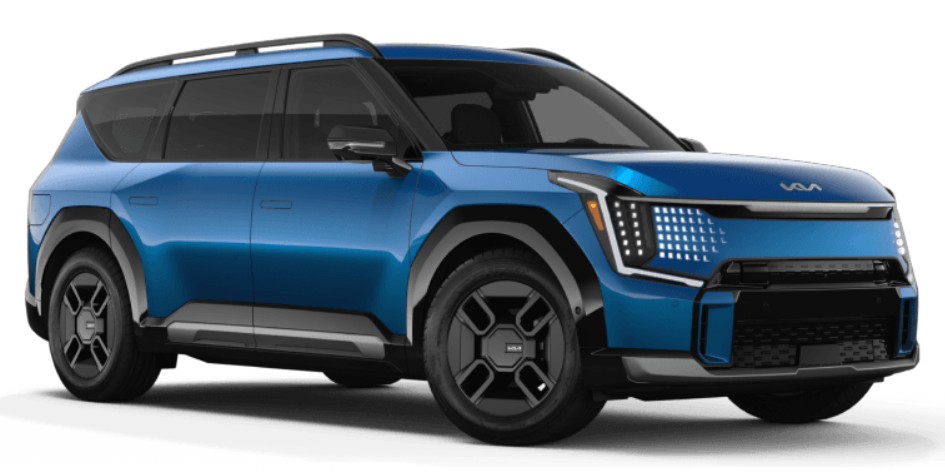
The Kia EV9 is more than just another electric SUV. It is a rolling tech hub, a family hauler, a road-trip machine, and in many ways, a glimpse into the future of mainstream mobility. But even though it skips oil changes and many traditional engine-related headaches, the EV9 still needs consistent maintenance to stay efficient, safe, and smooth over the years.
That raises a question many new EV owners ask almost immediately: What exactly does the Kia EV9 service schedule look like?
Unlike gasoline vehicles, EVs operate with fewer moving parts. There is no timing belt ticking like a clock under the hood. No spark plugs waiting to fail. No engine oil slowly turning into sludge. Yet the EV9 still depends on regular inspections, software updates, brake system checks, tire rotations, cooling system maintenance, and battery monitoring.
Think of it this way: owning an EV is like maintaining a modern smartphone the size of a living room. Hardware matters, but software and preventative care matter just as much.
In this guide, we will break down the complete Kia EV9 service schedule, maintenance intervals, expected costs, common wear items, and practical ownership tips that help extend the life of your electric SUV.
Content in this publication
- Why the Kia EV9 Still Needs Regular Service
- Understanding the Kia EV9 Maintenance Philosophy
- The First Kia EV9 Service Visit
- Kia EV9 Service Schedule by Mileage
- Long-Term Kia EV9 Maintenance Intervals
- How Often Does the Kia EV9 Need Tire Rotations?
- Does the Kia EV9 Need Oil Changes?
- Kia EV9 Brake Maintenance Explained
- Software Updates Are Part of the Service Schedule
- Kia EV9 Battery Health Maintenance
- Common Kia EV9 Wear Items
- Seasonal Maintenance Tips for the Kia EV9
- Kia EV9 Service Costs Compared to Gas SUVs
- Can You Service the Kia EV9 Yourself?
- Signs Your Kia EV9 Needs Immediate Service
- How the Kia EV9 Service Schedule Differs From Gas SUVs
- Should You Follow the Kia EV9 Service Schedule Strictly?
- Best Practices for Long-Term Kia EV9 Reliability
- The Future of EV Maintenance
- Final Thoughts on the Kia EV9 Service Schedule
- FAQs
Why the Kia EV9 Still Needs Regular Service
One of the biggest myths surrounding EV ownership is the idea that electric vehicles are “maintenance-free.” That sounds wonderful in theory, but reality is more nuanced.
The EV9 may avoid internal combustion maintenance, but it still carries:
- Suspension components
- Tires
- Brake systems
- Cooling systems
- Cabin air filters
- Battery management hardware
- Electronic control modules
- High-voltage systems
Over time, these components experience wear just like any other vehicle.
The difference is that EV maintenance tends to focus more on inspections and preventative care rather than fluid-heavy engine servicing.
Understanding the Kia EV9 Maintenance Philosophy
Kia designed the EV9 with long-term efficiency in mind. Its maintenance schedule is relatively straightforward compared to gasoline SUVs.
The service structure generally revolves around:
| Mileage Interval | Main Focus |
|---|---|
| Every 8,000 miles | Tire rotation and inspections |
| Every 16,000 miles | Expanded inspections |
| Every 24,000–40,000 miles | Brake fluid and filter checks |
| Long-term intervals | Coolant and battery system service |
This simplicity is one reason EV owners often report lower ownership costs over time.
The First Kia EV9 Service Visit
What Happens During the Initial Inspection
Most owners schedule their first service around:
- 8,000 miles
- Or approximately 12 months
During this visit, technicians typically inspect:
- Tire wear patterns
- Brake operation
- Suspension condition
- Steering components
- Fluid levels
- Battery cooling systems
- Charging ports
- Software updates
Unlike traditional SUVs, there is no engine oil service involved.
That alone feels almost surreal for drivers transitioning from gasoline vehicles.
Kia EV9 Service Schedule by Mileage
Every 8,000 Miles
This is the most recurring maintenance interval for the EV9.
Typical services include:
Tire Rotation
EVs are notoriously tough on tires because of instant torque and heavier curb weight.
Rotating the tires helps:
- Extend tread life
- Improve efficiency
- Maintain balanced handling
Skipping rotations can cause uneven wear surprisingly quickly.
Brake Inspection
Regenerative braking reduces brake pad wear dramatically, but inspections remain essential.
Technicians inspect:
- Brake pad thickness
- Rotor condition
- Brake lines
- Calipers
General Multi-Point Inspection
This usually includes checks for:
- Suspension wear
- Steering response
- Battery system abnormalities
- Lighting
- Windshield wipers
- Washer fluid
Every 16,000 Miles
At this stage, inspections become more comprehensive.
Cabin Air Filter Check
The EV9 relies heavily on cabin climate management, especially because HVAC systems affect driving range.
A dirty cabin filter can:
- Reduce airflow
- Lower HVAC efficiency
- Cause unpleasant odors
Many owners replace the filter at this interval.
Every 24,000 Miles
This milestone introduces deeper system evaluations.
Brake Fluid Inspection
Even though regenerative braking reduces mechanical braking use, brake fluid still absorbs moisture over time.
Technicians may:
- Test fluid quality
- Replace fluid if contamination levels are high
Battery Cooling System Inspection
The battery thermal management system is critical for longevity.
Technicians inspect:
- Cooling lines
- Pumps
- Thermal system efficiency
Every 32,000 Miles
This service often mirrors earlier visits but with additional attention to wear items.
Suspension and Steering Review
Because the EV9 is relatively heavy, suspension components deserve careful monitoring.
Inspections include:
- Bushings
- Ball joints
- Dampers
- Alignment concerns
Every 40,000 Miles
At this stage, some owners begin replacing consumable components.
Cabin Air Filter Replacement
If not already replaced earlier, this interval commonly includes a new cabin air filter.
Brake Fluid Replacement
Some service schedules recommend replacing brake fluid entirely around this point.
Long-Term Kia EV9 Maintenance Intervals
Battery Coolant Replacement
High-voltage battery systems rely on coolant to maintain optimal temperatures.
Unlike engine coolant in gasoline vehicles, EV battery coolant often lasts much longer.
Depending on region and driving conditions, replacement may occur around:
- 100,000 miles
- Or later
Always verify your specific owner’s manual because service intervals can vary slightly by market.
How Often Does the Kia EV9 Need Tire Rotations?
More Frequently Than Many Owners Expect
EVs eat tires differently than gasoline vehicles.
Why?
Because instant torque acts like a slingshot every time we accelerate.
The EV9’s weight also increases tire stress.
Many owners rotate tires every:
- 6,000 to 8,000 miles
This helps preserve:
- Ride comfort
- Road noise levels
- Handling stability
- Range efficiency
Ignoring tire care on an EV is like wearing running shoes unevenly during a marathon. Eventually, performance suffers.
Does the Kia EV9 Need Oil Changes?
No Engine Oil Means Simpler Ownership
This is one of the biggest advantages of EV ownership.
The EV9 does not require:
- Oil changes
- Oil filters
- Spark plugs
- Fuel filters
- Timing belts
- Emissions testing in many areas
That significantly reduces maintenance complexity.
For drivers used to regular dealership oil visits, EV ownership can feel strangely quiet.
Kia EV9 Brake Maintenance Explained
Why Brake Pads Last Longer in EVs
Regenerative braking transforms kinetic energy into battery power.
Instead of relying entirely on friction brakes, the EV9 slows itself electronically during deceleration.
This means:
- Brake pads wear slower
- Rotors often last longer
- Brake dust decreases
Some EV owners report brake pads lasting well over 70,000 miles.
However, brake inspections remain essential because corrosion can still develop.
Software Updates Are Part of the Service Schedule
Modern EV Maintenance Is Digital
The EV9 behaves more like a connected device than a traditional SUV.
Software updates may improve:
- Battery efficiency
- Charging speed
- Infotainment features
- Driver assistance systems
- Range estimation accuracy
Some updates occur over the air, while others require dealership installation.
Ignoring software updates can be like refusing updates on a smartphone. Eventually, the experience falls behind.
Kia EV9 Battery Health Maintenance
How to Protect Long-Term Battery Performance
Battery longevity depends heavily on charging habits and thermal management.
To maximize battery life:
- Avoid frequent 100% charging unless necessary
- Limit repeated fast charging on extremely hot days
- Keep the battery between 20% and 80% for daily driving
- Use scheduled charging when possible
The good news?
Modern Kia EV batteries are engineered for durability.
Most owners will likely keep the vehicle long before experiencing serious battery degradation.
Common Kia EV9 Wear Items
Parts That Still Need Attention
Even with reduced maintenance, certain components naturally wear out.
Tires
The most commonly replaced EV consumable.
Wiper Blades
Especially important because EV cabins tend to be quieter, making squeaks more noticeable.
Cabin Air Filters
Essential for clean airflow and HVAC efficiency.
12-Volt Battery
Even EVs rely on a traditional low-voltage battery for many electronic functions.
Seasonal Maintenance Tips for the Kia EV9
Winter Service Considerations
Cold weather affects all EVs differently.
Winter maintenance priorities include:
- Tire pressure checks
- Battery preconditioning
- Brake inspections
- Charging cable condition
Cold temperatures can temporarily reduce driving range, so system efficiency becomes even more important.
Summer Maintenance Considerations
Heat is often more stressful on batteries than cold weather.
During summer:
- Avoid prolonged extreme heat exposure
- Use shaded parking when possible
- Monitor charging speeds
- Keep cooling systems functioning properly
Think of battery temperature like hydration during exercise. Stability matters.
Kia EV9 Service Costs Compared to Gas SUVs
Lower Overall Maintenance Expenses
One of the strongest EV ownership advantages is reduced servicing costs.
Compared to a traditional three-row SUV, the EV9 eliminates:
- Oil changes
- Engine tune-ups
- Transmission servicing
- Exhaust system repairs
- Fuel system maintenance
Typical annual maintenance costs are often lower than comparable gasoline SUVs.
However, tire replacement can sometimes offset part of those savings due to EV weight and torque.
Can You Service the Kia EV9 Yourself?
Some Tasks Are DIY-Friendly
Owners can often handle:
- Cabin air filter replacement
- Tire pressure checks
- Washer fluid refills
- Exterior inspections
However, high-voltage battery systems should always be serviced by certified technicians.
Electric vehicle systems carry serious voltage levels that require specialized training.
Signs Your Kia EV9 Needs Immediate Service
Do Not Ignore These Warning Indicators
Contact a service center immediately if you notice:
- Charging interruptions
- Battery warning lights
- Sudden range drops
- Unusual suspension noises
- Steering instability
- Brake vibration
- Electrical malfunctions
EVs are generally reliable, but electronic issues can escalate quickly if ignored.
How the Kia EV9 Service Schedule Differs From Gas SUVs
The Ownership Experience Feels Completely Different
Traditional SUV ownership revolves around engine maintenance.
The EV9 flips that script entirely.
Instead of constantly servicing mechanical combustion systems, maintenance focuses on:
- Software
- Tires
- Cooling systems
- Battery efficiency
- Electronics
The result is a cleaner, quieter, and often simpler ownership journey.
It is less like caring for an aging machine and more like maintaining advanced technology.
Should You Follow the Kia EV9 Service Schedule Strictly?
Absolutely—Especially for Warranty Protection
Skipping recommended maintenance can create warranty complications later.
Routine servicing also helps:
- Detect early issues
- Maintain resale value
- Improve safety
- Optimize efficiency
Even though EVs require less maintenance overall, consistency still matters.
Preventative care remains far cheaper than major repairs.
Best Practices for Long-Term Kia EV9 Reliability
Habits That Help Your EV9 Age Gracefully
Smart ownership habits include:
- Rotating tires regularly
- Keeping software updated
- Avoiding aggressive charging habits
- Monitoring tire pressure monthly
- Scheduling inspections on time
- Washing the underbody in snowy climates
The EV9 rewards attentive ownership.
Like a marathon runner with proper recovery routines, it performs best when maintained consistently.
The Future of EV Maintenance
Why Service Schedules Are Evolving
Electric vehicles are reshaping automotive maintenance entirely.
Over the next decade, we will likely see:
- More predictive diagnostics
- Remote battery monitoring
- Increased over-the-air servicing
- Fewer mechanical failures
- More software-centered maintenance
The Kia EV9 sits right at the crossroads of this transition.
Owning one today feels a bit like stepping into tomorrow early.
Final Thoughts on the Kia EV9 Service Schedule
The Kia EV9 proves that electric SUV ownership can be both practical and refreshingly simple. While it still requires regular inspections and preventative maintenance, the overall service schedule is far less demanding than that of a traditional gasoline-powered SUV.
No oil changes. No spark plugs. No exhaust repairs. No complicated transmission maintenance.
Instead, the EV9 focuses on software health, battery care, tire maintenance, and routine inspections that help preserve efficiency and long-term reliability.
In many ways, maintaining the EV9 feels less like caring for a mechanical beast and more like keeping a high-tech ecosystem running smoothly.
And honestly? That is part of the magic of EV ownership.
FAQs
How often should the Kia EV9 be serviced?
Most Kia EV9 maintenance visits occur every 8,000 miles or approximately once per year, depending on driving habits and conditions.
Does the Kia EV9 require oil changes?
No. The Kia EV9 is fully electric and does not use engine oil.
How long do Kia EV9 brakes last?
Because regenerative braking reduces brake wear, brake pads may last significantly longer than in gasoline vehicles, sometimes exceeding 70,000 miles.
What is the most common maintenance item on the Kia EV9?
Tire maintenance is among the most frequent service needs due to the vehicle’s weight and instant electric torque.
Can software updates improve Kia EV9 performance?
Yes. Software updates may improve charging performance, efficiency, infotainment systems, and driver assistance technologies.
If you want to know other articles similar to Kia EV9 Service Schedule: The Complete Maintenance Guide for Long-Term Reliability you can visit the category Maintenance.
Honda Passport Maintenance Codes: Complete Maintenance Minder Guide
Honda Passport Maintenance Schedule: Complete Service Guide

Nissan Rogue Maintenance Schedule: Complete Service Guide

BYD Shark 6 Service Schedule: Complete Maintenance Guide

Mitsubishi Pajero Sport Service Schedule: Complete Maintenance Guide

Toyota Hilux 80000 km Service Cost: Complete Pricing and Maintenance Guide
Leave a Reply
More content of your interest